By Lydia Blair
Special Contributor
Navigating the Texas Real Estate Closing Process: Your Comprehensive Guide
The journey to owning a new home or successfully selling your property is an exciting one, but it culminates in a critical phase known as the real estate closing. While the general concept of closing a property sale exists nationwide, the specific procedures, legal frameworks, and timelines can vary significantly from one state to another, and even between different properties and individual circumstances. Each transaction holds its unique nuances, much like every home possesses its distinct character.
However, for those involved in real estate transactions within the Lone Star State, there’s a reassuring consistency. Texas real estate closings adhere to a generally well-defined and predictable outline of steps from initial agreement to final transfer of ownership. Although the path might not always be a perfectly straight line—some requirements are rigid legal mandates while others offer more flexible guidelines—the core progression remains steadfast. Some crucial steps may unfold concurrently, streamlining the process, while others are strictly sequential, requiring the completion of a preceding task before the next can commence. The duration and complexity of each step can also differ, ranging from quick confirmations to detailed, multi-faceted procedures.
Understanding these steps is paramount for both buyers and sellers to ensure a smooth, efficient, and stress-free closing experience. This comprehensive guide will walk you through the essential phases of a Texas real estate closing, providing clarity and insight into what you can expect from the moment your sales contract is finalized until the keys are in hand and the title officially transfers between owners.
The Essential Steps of a Texas Real Estate Closing
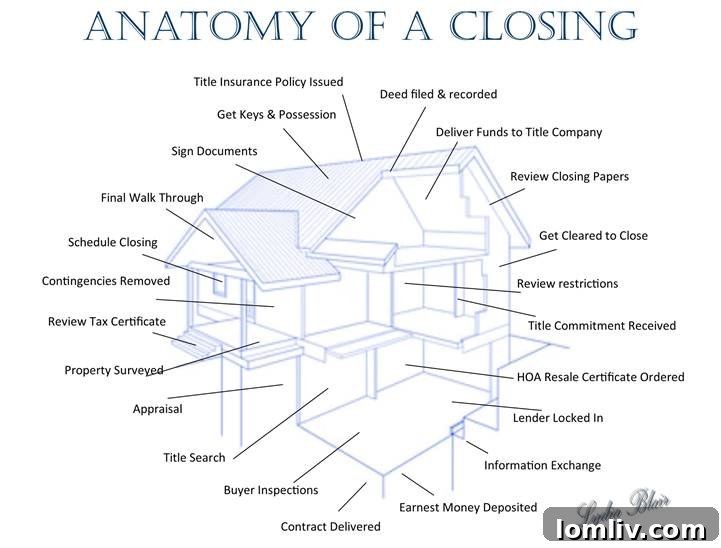
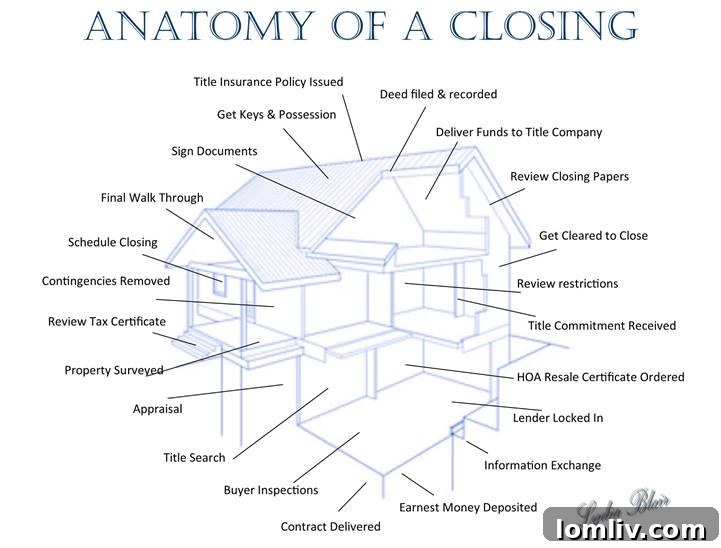
From the initial handshake translated into a written agreement to the final transfer of property rights, the Texas real estate closing process involves a series of meticulously orchestrated actions. Here’s a detailed breakdown of each critical stage:
-
Contract Execution and Delivery
The journey begins with a legally binding sales contract. Once the buyer and seller have agreed upon all terms—including price, contingencies, and timelines—and the contract is fully signed and executed by all parties, it becomes the foundational document for the entire transaction. The real estate agents, representing both buyer and seller, are responsible for promptly delivering this completed contract to the designated title company. This delivery officially initiates the title company’s role in the closing process, setting all subsequent steps into motion. The contract outlines the responsibilities of each party and critical deadlines that must be met.
-
Earnest Money Deposit
Immediately following the contract’s execution, the buyer is typically required to deposit “earnest money” with the title company, as specified in the sales contract. This isn’t part of the down payment but rather a good-faith deposit demonstrating the buyer’s serious intent to purchase the property. The earnest money serves as a protective measure for the seller, compensating them for the time and market opportunities lost if the buyer defaults on the contract without a valid reason. The amount is usually a percentage of the sales price or a fixed sum and is held in an escrow account by the title company until closing, at which point it’s typically applied towards the buyer’s down payment or closing costs. Learn more about the importance of Earnest Money in Texas.
-
Property Inspections and Due Diligence
During a specified “option period” (unique to Texas contracts), the buyer conducts their thorough due diligence. This crucial phase involves commissioning various property inspections to assess the condition of the home. Common inspections include general home inspections, structural evaluations, pest inspections, HVAC checks, and sometimes specialized assessments like roof or foundation inspections. The goal is for the buyer to uncover any potential issues, defects, or necessary repairs before committing fully to the purchase. Based on inspection findings, the buyer may negotiate with the seller for repairs, credits, or even decide to terminate the contract within the option period, often at the cost of the option fee but reclaiming their earnest money (depending on contract terms).
-
Information Exchange and Coordination
Throughout the closing process, a continuous flow of information is vital. The title company acts as a central hub, facilitating communication and data exchange among all parties involved: the buyer, seller, real estate agents, and the mortgage lender. This includes sharing contact information, contract details, financial data, and any specific requirements or requests. Effective communication ensures that all parties are aligned, deadlines are met, and any potential issues are identified and resolved proactively, keeping the transaction on track.
-
Comprehensive Title Search
One of the title company’s primary responsibilities is to perform an exhaustive “title search.” This process involves scrutinizing public records—such as deeds, mortgages, liens, judgments, and property taxes—to ascertain the legal owner of the property and to identify any encumbrances, claims, or defects that could affect the transfer of clear title. The title search ensures that the seller has the legal right to sell the property and that the buyer will receive a property free from undisclosed financial burdens or ownership disputes. Understand why a Title Search is indispensable for your Texas home purchase.
-
Mortgage Loan Approval and Underwriting
For most buyers, securing financing is a cornerstone of the home purchase. After applying for a mortgage, the buyer works closely with their chosen lender to navigate the loan approval process. This involves submitting extensive financial documentation, including income verification, credit history, asset statements, and employment details. The lender’s underwriting department meticulously reviews this information to assess the buyer’s creditworthiness and ability to repay the loan. Final loan approval is a major milestone, often conditional upon a satisfactory appraisal and title clearance, paving the way for the financial aspect of the closing.
-
Homeowners Association (HOA) Resale Certificate
If the property is part of a community governed by a Homeowners Association, obtaining an HOA Resale Certificate is a mandatory step. This certificate provides critical information to the buyer, including current HOA fees, any outstanding dues, financial statements of the association, specific rules and regulations (CC&Rs – Covenants, Conditions, and Restrictions), and details about any pending special assessments or litigation. This document helps the buyer understand their future obligations and the community’s governance structure, ensuring they are fully aware of what they are buying into. The title company or seller typically orders this, and it is delivered to all involved parties for review.
-
Professional Property Appraisal
If the buyer is obtaining a mortgage, a professional property appraisal is almost always required by the lender. An independent, licensed appraiser evaluates the property’s market value based on various factors, including its condition, size, features, and recent sales of comparable homes in the area. The appraisal ensures that the property’s value supports the loan amount, protecting the lender from over-lending. If the appraisal comes in lower than the sales price, it can trigger renegotiations between the buyer and seller, or potentially impact the buyer’s loan approval and down payment requirements.
-
Property Survey
A property survey is essential to precisely delineate the boundaries of the property and identify any encroachments, easements, or other physical characteristics. In Texas, the seller may provide an existing survey, which the title company and lender will review for acceptability. If the existing survey is deemed insufficient or outdated, or if no survey is available, a new survey will need to be commissioned by a licensed surveyor. This step is critical for confirming property lines and ensuring there are no unforeseen issues regarding land usage or property disputes.
-
Review of Title Documents
After the title search and survey are completed, the title company prepares and delivers several crucial documents for review, primarily to the buyer and their lender. These include the Title Commitment (which outlines the conditions under which title insurance will be issued, lists recorded encumbrances, and exceptions), a Tax Certificate (confirming property tax status), and copies of any recorded property restrictions (e.g., deed restrictions, CC&Rs). Buyers and their legal counsel should thoroughly review these documents to understand any limitations on the property, potential future costs, or unresolved issues before proceeding to close.
-
Removal of Contingencies
Most real estate contracts include contingencies that must be met or waived before the sale can be finalized. These often relate to financing approval, a satisfactory home inspection, a positive appraisal, or clear title. At this stage, any outstanding contingencies outlined in the contract, in addition to any title-related issues uncovered during the title search, are addressed and resolved. This might involve repairs by the seller, price adjustments, or the buyer formally waiving their rights under certain contingencies. The removal of all contingencies signals a firm commitment to proceed with the transaction.
-
“Clear to Close” Status
Achieving “Clear to Close” (CTC) is a significant milestone, indicating that both the mortgage lender and the title company have completed all their internal processes and are ready to finalize the transaction. For the lender, this means all loan conditions have been met, underwriting is complete, and funds are ready for disbursement. For the title company, it signifies that the title is clear, all documents are prepared, and no remaining hurdles prevent the transfer of ownership. This status gives the official green light to schedule the closing meeting.
-
Scheduling the Closing
Once “Clear to Close” is granted, the title company or agents coordinate with all parties to schedule a convenient time and location for the closing appointment. This is the official meeting where all final documents will be signed, and the legal transfer of the property will occur. Efficiency and coordination are key here to ensure all necessary participants—buyer, seller (or their representatives), closing agent, and sometimes lender representatives—can attend.
-
Final Walk-Through
Typically occurring within 24-48 hours before the scheduled closing, the final walk-through is an essential step for the buyer. It allows them to inspect the property one last time to confirm that it is in the agreed-upon condition, that all negotiated repairs have been completed satisfactorily, and that no new damage has occurred since their last visit. It’s also an opportunity to ensure that all personal property the seller was supposed to remove has been cleared, and any items included in the sale remain. Any significant issues discovered at this stage must be addressed immediately before closing.
-
The Closing Document Signing
This is the moment everyone has been waiting for. Buyers and sellers (sometimes separately, sometimes together) meet with the closing agent (often a representative from the title company) to sign an extensive stack of legal documents. For the buyer, these include the promissory note (their promise to repay the loan), the deed of trust (securing the loan with the property), the Closing Disclosure (detailing all financial aspects of the transaction), and other various disclosures and acknowledgments. Sellers sign the deed transferring ownership, a bill of sale for any personal property, and other necessary declarations. The closing agent explains each document’s purpose, ensuring all parties understand what they are signing.
-
Funding the Transaction
After all closing documents have been meticulously signed, reviewed, and approved by the lender, the funding process begins. The buyer’s lender wires the loan funds to the title company. At this point, the buyer also provides their portion of the funds (down payment and remaining closing costs) via wire transfer or cashier’s check. Once the title company receives all funds, they disburse them to the appropriate parties: the seller receives their proceeds, real estate agents receive their commissions, and various service providers (e.g., appraisers, surveyors, previous lenders) are paid off. This step officially completes the financial aspect of the transaction.
-
Keys and Possession
Once the funds are fully processed and disbursed, and the title company confirms funding, the buyer officially receives the keys to their new property. This typically marks the moment of possession, although possession terms can sometimes be negotiated separately in the contract (e.g., seller lease-back for a few days). The excitement of getting the keys signifies the culmination of weeks or months of effort.
-
Deed Recording and Records Filing
With the closing successfully completed and funds disbursed, the title company undertakes the vital final legal step: recording the deed(s) and other relevant documents (like the deed of trust for the lender) with the county clerk’s office. This public record officially registers the change of ownership and the new liens against the property, solidifying the buyer’s legal ownership. The recording process typically takes a few days to a week, depending on the county.
-
Issuance of Title Insurance Policy
As the very last step in the closing process, the title company issues the final title insurance policies. An owner’s title insurance policy protects the buyer against future claims or losses arising from title defects that existed prior to the purchase but were unknown at the time of closing. A lender’s title insurance policy, mandatory for financed purchases, protects the lender’s investment. These policies provide long-term peace of mind, ensuring that the property’s title is clear and defensible.
The Reality of the Closing Journey
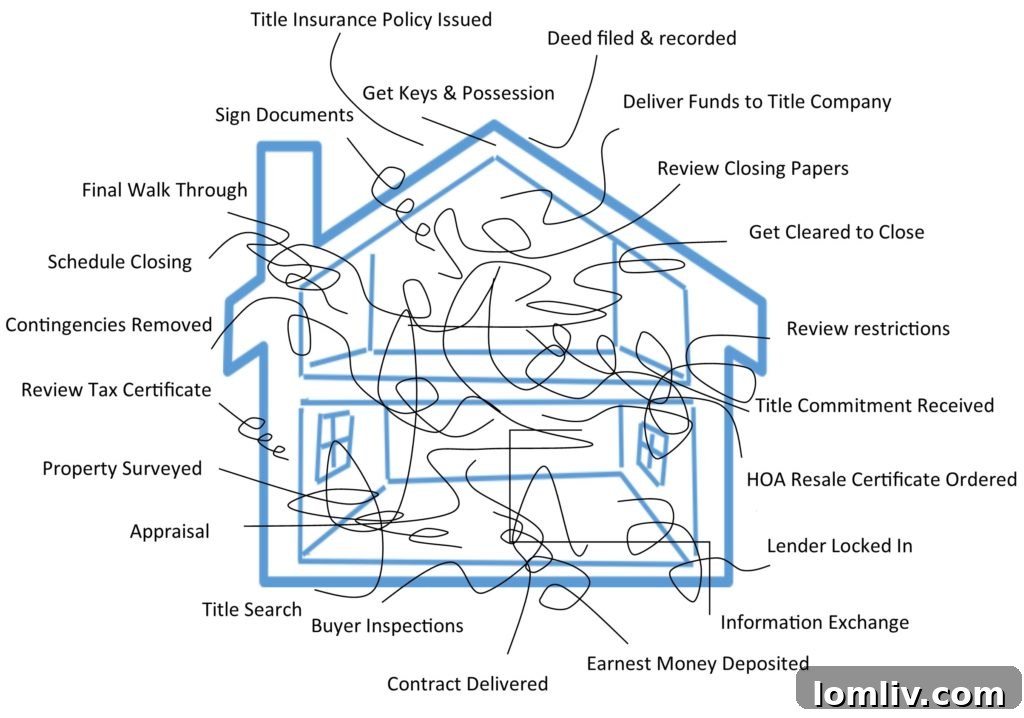
While a simple, linear flow chart might suggest a straightforward progression from one step to the next, the reality of a real estate closing often resembles a more intricate dance. The initial neat drawing you might envision—representing a clean, beginning-to-end path—rarely captures the dynamic nature of real-world transactions. Instead, the process is frequently characterized by overlapping tasks, concurrent negotiations, and occasional unexpected detours that require careful navigation and expert problem-solving. Issues can arise at any stage, demanding flexibility and prompt action from all parties involved.
This more realistic view, as often depicted by complex diagrams, illustrates how various elements of the closing process interweave. Mortgage approvals depend on appraisals, which depend on property access. Title searches can uncover issues that require time to resolve, potentially impacting financing timelines. The success of a Texas real estate closing hinges on the collaborative efforts of an experienced team—your real estate agent, loan officer, and especially the title company—who work tirelessly behind the scenes to manage these complexities and guide you smoothly to the finish line.
Conclusion: Your Expert Partners for a Seamless Texas Closing
Navigating the multifaceted Texas real estate closing process requires more than just understanding the steps; it demands a team of seasoned professionals. From ensuring your contract is airtight to clearing title hurdles and meticulously managing funds, each stage is critical to a successful transaction. By partnering with knowledgeable real estate agents, a diligent lender, and a proficient title company, you can confidently traverse the complexities, knowing that every detail is being handled with expertise and care. Whether you are buying your first home or selling an investment property, being informed about these essential steps will empower you to make sound decisions and ultimately achieve a seamless and secure property transfer in Texas.