Texas Public School Funding at a Crossroads: The Battle Over the State’s Largest Educational Endowment
In Texas, the intricate world of public school finance often operates behind the scenes, a complex interplay of state agencies and funds designed to support millions of students. Many, even those closely following education news, remain largely unaware of the significant influence exerted by entities such as the General Land Office (GLO), the Texas Land Commissioner, and the State Board of Education (SBOE) on the financial health of public schools. Historically, a cooperative spirit has generally prevailed between these key players, ensuring a steady flow of services and funding to school districts across the vast state. However, recent developments have disrupted this long-standing harmony, sparking a contentious debate that threatens to reshape the landscape of Texas education funding.
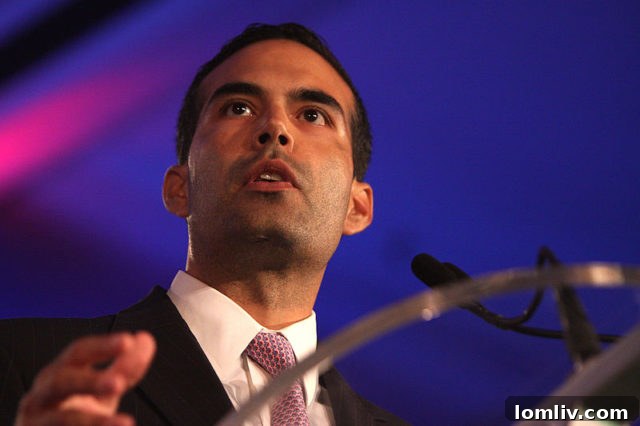
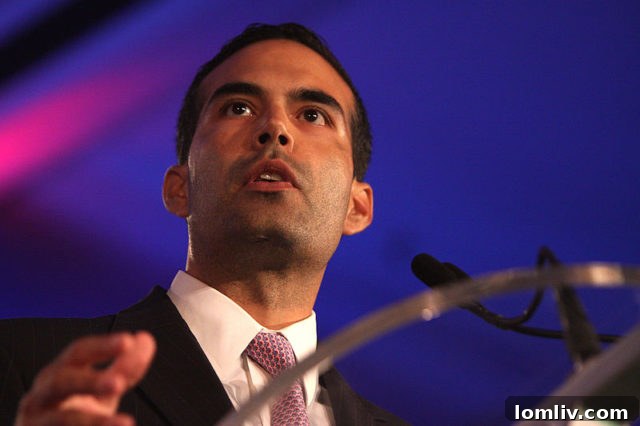
At the heart of this unfolding conflict is a decisive move by current Land Commissioner George P. Bush. His decision to alter the traditional funding mechanisms has put him squarely at odds with virtually every member of the State Board of Education, igniting a high-stakes disagreement over how the state’s monumental educational endowment should be managed and disbursed. This article delves into the details of this dispute, exploring the roles of the involved parties, the financial implications, and the potential long-term consequences for Texas public schools and their students.
Understanding the Cornerstones of Texas School Finance
The Permanent School Fund (PSF): A Legacy of Support
The Permanent School Fund (PSF) stands as a monumental pillar of Texas public education. Established in 1854, it is not only one of the oldest educational endowments in the United States but also the largest, currently boasting an estimated value of over $41.4 billion. The PSF’s primary purpose is to generate revenue through investments, with the proceeds distributed to Texas public schools. Its assets are primarily derived from millions of acres of state-owned lands, including mineral rights, which generate significant income from oil and gas leases, as well as sales and leases for grazing, agriculture, commercial, and right-of-way uses. This land management is largely overseen by the School Land Board (SLB), a three-person board led by the Land Commissioner.
The State Board of Education (SBOE) plays a critical role in the PSF’s oversight, managing the bulk of its investment portfolio and acting as its primary steward. The SBOE strategically invests these funds to ensure long-term growth and sustainability, aiming to provide a consistent revenue stream for future generations of Texas students. Beyond direct distributions, the PSF’s robust financial standing allows the SBOE to back school construction bonds, enabling school districts and charter schools to secure lower interest rates on capital projects. This mechanism alone saves districts millions of dollars annually, freeing up resources that can be directed back into classrooms.
The Available School Fund (ASF): Direct Impact on Classrooms
Complementing the PSF is the Available School Fund (ASF), which serves as the direct conduit for distributing educational dollars to Texas school districts. The ASF receives its funding from two main sources: a percentage of the PSF’s investment earnings and direct contributions from the School Land Board (SLB), generated from its management of state lands. These funds are then allocated to school districts across the state based on established funding formulas. Historically, the SLB has contributed substantial amounts to both the PSF and the ASF, with up to $300 million going to the ASF and an additional $200-$500 million directed to the PSF in past years.
The monies from the ASF are vital for the day-to-day operations of schools, covering expenses such as teacher salaries, supplies, and crucial instructional materials like textbooks. While half of the funds transferred from the PSF to the ASF are often earmarked for specific purposes like technology upgrades and textbooks, funds contributed directly by the SLB traditionally offer more flexibility. This direct pipeline to schools underscores the immediate and tangible impact that decisions affecting the ASF have on the educational experience of students statewide.
Key Players: General Land Office (GLO), School Land Board (SLB), and State Board of Education (SBOE)
Understanding the roles of the core entities is crucial to grasp the current dispute. The General Land Office (GLO), headed by the Texas Land Commissioner (currently George P. Bush), is responsible for managing Texas’s vast public lands, a significant portion of which are dedicated to generating revenue for public education. The School Land Board (SLB), an extension of the GLO and chaired by the Land Commissioner, specifically oversees the 13 million acres of land whose revenue benefits the PSF. The SLB’s mandate is to maximize income from these lands through sales, leases, and resource extraction, channeling these proceeds into the educational endowment. Its decisions directly influence the financial health of Texas schools.
The State Board of Education (SBOE), consisting of 15 elected members, holds a broader and equally critical role. Beyond its primary responsibility of setting curriculum standards, graduation requirements, and instructional materials, the SBOE is the chief fiduciary of the Permanent School Fund’s investment portfolio. It manages the majority of the PSF’s assets, making strategic investment decisions to grow the fund and ensure its long-term viability. This dual role in both educational policy and financial stewardship positions the SBOE as a central authority in Texas education.
Unprecedented Shift: Commissioner Bush’s Bold Move
For over a century, a spirit of collaboration has characterized the relationship between the GLO/SLB and the SBOE regarding the management and distribution of funds for public education. While each entity maintained separate investment portfolios for approximately 17 years, the proceeds generated from the SLB’s land management were consistently channeled into the SBOE’s fund for securities investments, feeding the larger Permanent School Fund. This symbiotic relationship ensured a unified and strategically managed approach to the state’s most vital educational endowment.
However, this long-standing tradition was upended this year by a significant decision from the School Land Board, under the leadership of Commissioner George P. Bush. The SLB voted to bypass the State Board of Education’s Permanent School Fund entirely, opting instead to funnel a substantial $600 million directly into the Available School Fund. This move marks a dramatic departure from established practice, where previous contributions from the SLB would often be split between the PSF and the ASF. Additionally, the SLB announced plans to invest an extra $55 million, further emphasizing their independent financial strategy.
Commissioner Bush and the GLO contend that this direct allocation strategy will provide much-needed money immediately to classrooms across Texas. A GLO spokeswoman, Karina Erickson, articulated this stance, stating, “Today, education dollars are needed in our classrooms more than ever. Texas public school funding will be a hotly debated issue in the upcoming session of the Texas Legislature. The SLB’s decision sent much-needed money directly to classrooms across Texas and will be put to use immediately, providing textbooks and supplies for our students. Commissioner Bush believes this direct source of funding is in the best interest for our kids.” This direct approach, according to Bush, ensures faster access to funds for essential classroom resources.
The State Board of Education’s Strong Opposition
The School Land Board’s decision has been met with fierce and unified opposition from the State Board of Education. All 15 members of the Republican-dominated SBOE signed a letter urging Commissioner Bush to reconsider, calling the move “unprecedented” and a direct challenge to more than a century of cooperative governance. SBOE members view Bush’s action not just as a financial reallocation but as a potentially damaging precedent that undermines the long-term stability and strategic management of the state’s premier educational endowment.
One of the SBOE’s most significant concerns is the potential for a substantial financial blow to public education. They estimate that Bush’s decision could lead to a cut of $140 million in public education funding in the upcoming two-year budget cycle. This reduction stems from the SBOE’s inability to utilize the funds as part of its larger investment strategy for the PSF, which historically yields substantial returns. As Debbie Ratcliff, SBOE support division executive director, clarified, “The State Board of Education oversees a Permanent School Fund portfolio worth $34 billion, while the School Land Board oversees about $8 billion in additional Permanent School Fund investments. Collectively, they manage the largest educational endowment in the country but the State Board oversees the bulk of the fund.” A reduction in the bulk fund’s growth inevitably impacts its distribution capacity.
The SBOE also expressed deep apprehension regarding the sustainability of the endowment. While the SBOE has the authority to release up to 6 percent of its endowment earnings to schools, it has historically maintained a conservative distribution rate, typically around 3.25 percent. This cautious approach is a deliberate strategy aimed at keeping the fund healthy and ensuring its growth for future generations. SBOE member Tom Maynard, R-Florence, voiced strong criticism, telling the Austin American-Statesman, “The whole reason that we created the School Land Board … is to support the Permanent School Fund and not for the land commissioner to do their political empire building.” This sentiment highlights a perceived breach of trust and a deviation from the SLB’s core mission to bolster the PSF’s long-term health.
The Great Debate Over Investment Performance
A central point of contention in this dispute revolves around the comparative performance of the investment portfolios managed by the GLO (on behalf of the SLB) and the SBOE. Each side claims superior returns, fueling the argument over which entity is better equipped to maximize revenue for Texas schools.
The GLO asserts that its investment fund consistently achieves a higher return on investment (ROI), publicly claiming an impressive 13 percent ROI. Based on this figure, Commissioner Bush argues that it makes greater financial sense for the GLO to oversee a larger portion of school funding, believing their investment strategies are more effective in generating revenue. This claim is a cornerstone of his justification for the direct allocation to the ASF.
However, the SBOE vehemently disputes the GLO’s proclaimed ROI, labeling it as inflated. The SBOE contends that if the agency’s significant cash assets were properly factored into the calculation, the land board’s true rate of return would drop to a more modest 7.8 percent. The SBOE highlights a crucial difference in asset composition: nearly 40 percent of the land board’s $8.7 billion in assets are held as cash. In contrast, the SBOE states that less than 1 percent of its substantially larger $32.7 billion in assets are held as cash, indicating a much higher allocation to actively invested assets. The SBOE points to its own ROI of 8.3 percent, asserting that their fund generates more overall funding for schools when all factors are considered, particularly due to its larger asset base and lower cash holdings, which tend to drag down returns.
This financial sparring underscores the core disagreement: is the GLO’s direct approach truly more beneficial due to alleged higher returns, or does the SBOE’s comprehensive, long-term stewardship of the larger PSF portfolio ultimately provide greater value and stability for Texas public education?
Far-Reaching Implications for Texas Schools
The outcome of this unprecedented funding shift carries significant implications for various facets of Texas public education, potentially impacting everything from classroom materials to school infrastructure.
Textbook and Technology Funding
One of the most immediate and tangible impacts concerns textbook purchases and technology upgrades. The SBOE estimates that with the SLB’s decision to bypass the SBOE entirely, districts could have approximately $300 million less to spend on textbooks, particularly as they prepare to acquire new English and Spanish textbooks. This is because specific portions of the PSF are often designated for technology and instructional materials. While the SLB’s direct contribution to the ASF will provide funds, there are no specific restrictions for how these funds must be used, unlike the often-earmarked PSF distributions. This lack of specific designation could lead to districts prioritizing other immediate needs over crucial instructional resources, potentially impacting the quality and availability of learning materials for students.
School Construction Bonds
Another critical function of the PSF is its ability to back construction bonds issued by school districts and charter schools. The sheer size and stability of the PSF allow these entities to secure lower interest rates on bonds for new school buildings, renovations, and other capital projects. A reduced growth rate or perceived instability of the PSF, due to altered funding mechanisms, could potentially impact the SBOE’s capacity to provide this backing, or at least influence the favorable interest rates districts currently enjoy. This could translate into higher borrowing costs for districts, diverting more of their budget towards debt service and away from core educational programs.
Equity Concerns for Districts
Furthermore, concerns have been raised about equity in funding distribution, particularly for property-poor districts. While the School Land Board’s contribution to the Available School Fund could, in theory, help bridge the estimated $500 million gap that the SBOE anticipates it won’t be able to provide, the method of distribution through the ASF is a point of contention. Funds from the ASF are divided among school districts according to the existing school funding formulas. These formulas have been criticized for years for stymying property-poor districts, often leading to less funding compared to their wealthier counterparts. Without specific directives for the SLB’s direct contributions, there’s a risk that this new funding mechanism could inadvertently exacerbate existing inequities, failing to address the fundamental funding challenges faced by the state’s most vulnerable school districts.
Ultimately, while the GLO asserts an immediate benefit to classrooms, the SBOE and its supporters warn of potential long-term harm to the financial stability and strategic growth of the state’s most crucial educational endowment, with a ripple effect across multiple aspects of school operations.
A Standoff with Political and Historical Echoes
The current impasse extends beyond a simple disagreement over financial strategy; it has ignited a political firestorm and challenged more than a century of established norms. Commissioner Bush has remained steadfast in his position, unequivocally stating in a letter to the SBOE, “Under no circumstance will I reconsider my decision to release $600 million directly to the ASF. I stand firmly by my vote.” This resolute stance indicates a deep conviction in his approach, but it also signals a prolonged and potentially acrimonious battle.
The historical context of cooperation between the GLO and SBOE is critical here. As former Land Commissioner Jerry Patterson highlighted in the Houston Chronicle, the decision to forgo the biennial transfer of GLO revenue to the SBOE-managed PSF portfolio for the first time in over a hundred years represents a significant break from tradition. Patterson noted, “Last week all 15 members of the Republican-dominated SBOE signed a letter asking him to reconsider his decision, a decision that flies in the face of more than 100 years of GLO and SBOE co-operation.” This unified opposition, especially from members of his own Republican party, suggests a profound level of concern and disagreement within the state’s political landscape.
Indeed, Patterson, a fellow Republican, pointed out that this decision (among others) has cost Commissioner Bush endorsements from his own party. Such political fallout underscores the gravity of the move and its potential implications for Bush’s political standing. The ongoing debate over public school funding is expected to be a “hotly debated issue” in the upcoming session of the Texas Legislature, placing this conflict squarely in the broader political arena. The discussion will likely involve not just financial figures but also fundamental questions about governance, the proper role of state agencies, and the future direction of educational policy in Texas.
Charting the Future of Texas Public Education Funding
The ongoing dispute between the Texas General Land Office/School Land Board and the State Board of Education represents a critical juncture for public education finance in Texas. At its core, the conflict is about more than just numbers; it’s about the philosophy of managing a vital, generational endowment, the strategic allocation of resources, and ultimately, the best path to ensure robust and equitable funding for millions of Texas students.
While Commissioner Bush champions a direct approach, aiming for immediate impact in classrooms, the SBOE warns of the potential for long-term erosion of the Permanent School Fund’s strength and a possible $140 million cut to public education. The disagreement over investment performance, the differing asset compositions, and the historical context of collaboration versus unilateral action all contribute to a complex and emotionally charged debate. The implications for textbook funding, school infrastructure through bond backing, and the equitable distribution of resources to property-poor districts are significant and warrant careful consideration.
As the Texas Legislature prepares for its upcoming session, this issue will undoubtedly be a central focus. The lack of open dialogue or planned reconsideration from the SLB, as evidenced by their meeting agendas, suggests a protracted standoff. The future of Texas public education hinges on whether these key state entities can find common ground, reconcile their differing strategies, or if one path will ultimately prevail, reshaping the financial bedrock of the state’s schools for decades to come. The stakes are undeniably high, impacting every student, teacher, and community in the Lone Star State.
Bethany Erickson is the education, consumer affairs, and public policy columnist for Daltxrealestate.com. She is a member of the Online News Association, the Education Writers Association, and the Society of Professional Journalists, and is the 2018 NAREE Gold winner for best series. Contact her at [email protected].