Deep Ellum Buzzes with Innovation: RealTech Connects Real Estate and Technology
The vibrant heart of Dallas, Deep Ellum, recently hosted a pivotal gathering that underscored the burgeoning synergy between the real estate and technology sectors. This event, organized by RealTech, an innovative company dedicated to bridging startups with the property industry, provided a dynamic preview into the future of urban development and digital transformation. It set the stage for a deeper dive into the vision of John Backes, RealTech’s esteemed founder, ahead of an anticipated interview.
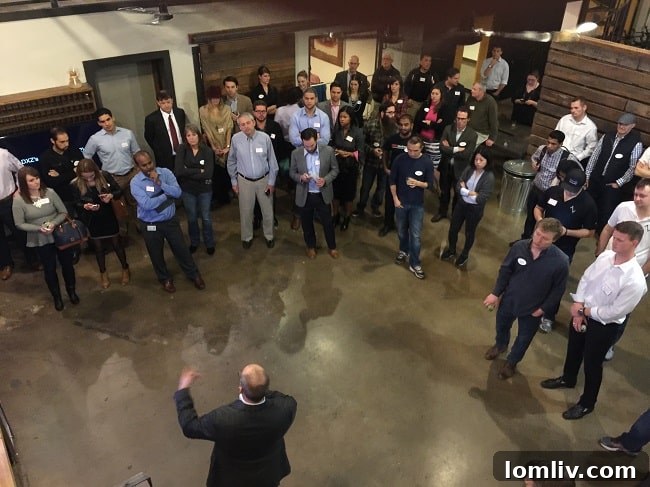
Such scenes are becoming increasingly common across metropolitan hubs: ambitious startup founders passionately presenting their tech ventures to diverse groups within collaborative workspaces, commonly known as co-working environments. These shared spaces are not merely offices; they are fertile grounds for networking, idea exchange, and rapid growth, fostering a sense of community among pioneering entrepreneurs.
RealTech’s Vision: Cultivating “Creative Thinking and Extreme Value”
The memorable event unfolded on a Tuesday night at The Common Desk in Deep Ellum – a venue renowned for its energetic atmosphere and commitment to fostering innovation. RealTech orchestrated an evening that brought together a vibrant mix of thought leaders and practitioners from technology, real estate, and architecture. More than just a casual meetup, it was a deliberate effort to cultivate a culture of “creative thinking and extreme value” within these interconnected industries.
“We serve as a crucial nexus point, connecting startup founders, seasoned real estate professionals, visionary architects, skilled engineers, astute investors, and anyone who harbors a genuine passion for the intersection of technology and real estate,” explained John Backes, articulating RealTech’s foundational mission. This initiative highlights the critical need for cross-industry collaboration to unlock new opportunities and solve complex challenges in today’s rapidly evolving market.
Neiman Marcus and the Future of Retail: Lessons from the Innovation Lab
Among the distinguished presenters was Scott Emmons, the insightful Director of the Neiman Marcus Innovation Lab. His presentation offered a compelling glimpse into how one of America’s most iconic luxury retailers is actively combating the disruptive forces reshaping the traditional retail landscape. In an era dominated by e-commerce and digital convenience, the internet has undeniably challenged brick-and-mortar stores, forcing established brands to reinvent the customer experience.
Emmons elaborated on the Neiman Marcus iLab’s relentless pursuit of integrating the luxury shopping journey across multiple channels, ensuring its relevance in a world where “online everything” is the norm. Their efforts manifest in tangible innovations designed to enhance customer engagement and sales efficiency. For instance, the familiar sight of a Neiman’s sales associate equipped with an iPhone, texting customers about exclusive events like “Thursday’s Last Call,” is a direct outcome of the iLab’s initiatives. Another ingenious creation is the “fling wall,” a digital display that allows both sales associates and shoppers to effortlessly “fling” items from their mobile devices onto a large screen, creating an interactive and immersive browsing experience. These examples illustrate a proactive approach to blending digital convenience with the personalized touch characteristic of luxury retail, proving that innovation can indeed keep traditional retail vibrant and appealing.
A Legacy of Vision: John Backes and the Provident Realty Connection
The entrepreneurial spirit often runs deep, and in John Backes’ case, the apple truly doesn’t fall far from the tree. His father, Leon Backes, is the respected owner of Provident Realty, a prominent force in the Dallas real estate scene. Provident Realty is responsible for numerous significant developments, including the exquisite Preston Hollow Village, which is nearing completion, and the highly anticipated new Saltillo apartments, a project that garnered considerable attention and discussion in previous years. The family’s deep roots in real estate development naturally inform John’s vision for RealTech, creating a powerful synergy between established industry knowledge and forward-thinking technological innovation.
This lineage provides a fascinating context for understanding John’s drive and the strategic direction of RealTech. The intersection of a profound understanding of traditional real estate with a keen eye for technological advancement positions RealTech uniquely to revolutionize how properties are developed, managed, and experienced. The Backes family’s contributions extend beyond mere construction; they embody a commitment to shaping Dallas’s urban fabric, a commitment now augmented by John’s pioneering work in PropTech.
The Evolving Landscape of Real Estate and Tech: From Early BarCamps to Modern Co-working
The energy at the Deep Ellum event evoked powerful memories of the early days of real estate technology. It brought to mind the very first RE BarCamp I attended in San Francisco back in 2007, during Real Estate Connect (Inman’s). That groundbreaking event was a revelation, where I had the privilege of meeting the pioneering individuals from Zillow, learned about the then-nascent platform Twitter, understood the concept of “blue sky” thinking in startups, and discovered that an “evangelist” wasn’t exclusively a preacher. These types of meetups have always been crucial catalysts, allowing young entrepreneurs, including forward-thinking Realtors, to connect with like-minded individuals, fostering collaboration and accelerating innovation.
The Rise of Co-working: More Than Just Shared Space
Co-working spaces have emerged as a critical component of this evolving ecosystem, providing an affordable and dynamic alternative to traditional office environments. They offer entrepreneurs an escape from the isolation of working from home, immersing them in a community brimming with shared ambition and diverse expertise. As I noted previously, the needs of commercial real estate are undergoing a dramatic transformation, largely driven by millennials who are importing the shared economy concept into office space utilization. This shift isn’t just about cost savings; it’s about fostering an environment where spontaneous collaboration, mentorship, and idea generation can flourish organically.
These collaborative hubs are reshaping urban landscapes, reflecting a broader movement towards flexibility, community, and resource sharing. They represent a fundamental change in how work is perceived and performed, catering to a new generation of professionals who prioritize experience, connectivity, and agility over rigid structures and long-term commitments. The growth of PropTech — the integration of technology into the real estate sector — is intrinsically linked to the rise of such spaces, as they provide the ideal testbeds and communities for these innovations to thrive.
Seamless Journeys: The Event’s Innovative Transportation Focus
Adding another layer of innovation to the RealTech gathering was the thoughtful emphasis on transportation, encouraging attendees to embrace modern and sustainable modes of getting to the event. This focus wasn’t just practical; it showcased a commitment to integrating smart city solutions into everyday urban life, reflecting the tech-forward ethos of the entire event.
PARQER: Reinventing Valet Services
Highlighting local ingenuity, PARQER, a Dallas-based valet startup, generously offered free valet services to all attendees. The process was streamlined and tech-savvy: “Simply pull up, check in on the Parqer app for iOS or Android, extend a generous tip to your valet, and your arrival is complete.” This demonstrated how technology is simplifying even traditional services, enhancing urban convenience.
UBER, DART, and Bicycles: Embracing Urban Mobility
For those preferring other options, UBER was promoted with an enticing offer: “Leave your car at home, opt for an UBER Black (because, why settle for less?), and use a special code for $20 off your first ride.” While a popular choice, the mention naturally sparked a thought about alternative services like Yellow Cab and their commitment to liability insurance, an important consideration in urban transit.
Public transportation was also strongly advocated: DART, Dallas’s robust transit system, was hailed as “the #1 ride of choice for the Dallas startup scene.” The initiative included a future offering: “Starting February 1, DART will provide discounted passes to Dallas startups.” Attendees were encouraged to download the GoPass app and take the Green Line directly to Deep Ellum. For the truly adventurous and eco-conscious, the event also suggested taking the bus.
Finally, for those embodying the ultimate “Dallas startup life chops,” BICYCLE was championed: “Show up on one of these money-printing fountains of youth and prove your commitment. There’s plenty of space to hang your fixie inside Common Desk.” Ironically, amidst all these cutting-edge options, my personal choice of a hybrid car felt decidedly “so 2010,” highlighting the rapid pace of innovation in urban mobility. This holistic approach to transportation at the event underscored the broader trend towards integrated, smart urban living.
The Common Desk and the Co-working Phenomenon in North Texas
The Common Desk, which commenced operations in late 2012 with approximately 5,000 square feet, has seen remarkable growth. Just a year later, it expanded by another 2,000 square feet, solidifying its position as a key player in Dallas’s co-working scene. Today, it is one of roughly thirteen co-working spaces in the Dallas area, with a concentration downtown but also a growing presence in North Dallas. The rapid proliferation of these facilities is not merely a local trend; it reflects a nationwide shift in how businesses operate and how individuals choose to work, as extensively reported by Hanah Cho in the Dallas Morning News.
The vast majority of users in these dynamic environments are startups and burgeoning entrepreneurs. However, the appeal of co-working has broadened significantly, now attracting even established professional services companies, including accountants, lawyers, and firms in the oil and gas sector. These larger entities are increasingly recognizing the value of allowing their employees the flexibility to work from remote co-office spaces, leveraging the benefits of collaboration and reduced overhead without sacrificing productivity.
The co-working industry in North Texas is experiencing exponential growth. Over the last two years, at least a dozen new spaces have opened, specifically catering to entrepreneurs, startups, and freelancers who seek shared office environments. This surge is driven by a strong conviction among developers and entrepreneurs that there is substantial demand for co-working spaces across the Dallas-Fort Worth area, underpinned by the region’s robust economy, evolving demographics, and a significant increase in startup business activity.
This environment seems perfectly tailored for a nimble startup like daltxrealestate.com. By shunning the constraints of traditional long-term leases, co-working members typically engage in flexible payment structures, ranging from a modest $20 for a day pass to around $1,000 per month for a private office. This flexibility and cost-effectiveness make co-working spaces an ideal choice for businesses that need agility and a supportive community without heavy capital investment. They are incubators of innovation, fostering a culture of shared growth and opportunity that is essential for the modern economy.
The Future of PropTech and Dallas’s Innovation Ecosystem
The event hosted by RealTech at The Common Desk was more than just a networking opportunity; it was a testament to Dallas’s thriving innovation ecosystem and the burgeoning field of PropTech. The convergence of technology, real estate, and entrepreneurial spirit in a dynamic setting like Deep Ellum signifies a profound shift in how industries collaborate and evolve. Leaders like John Backes, with a rich legacy rooted in traditional real estate and a forward-looking perspective on technology, are instrumental in driving this transformation.
As we anticipate further insights from John Backes, it’s clear that RealTech is poised to play a significant role in shaping the future landscape of property technology. The ongoing integration of digital solutions into every aspect of real estate, from development and management to sales and customer experience, promises a more efficient, accessible, and sustainable future. Dallas, with its blend of established industries and a vibrant startup culture, stands as a prime example of a city embracing this exciting evolution.
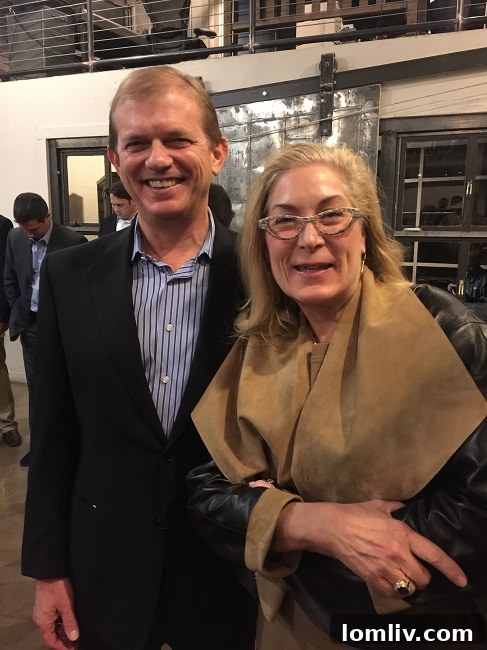
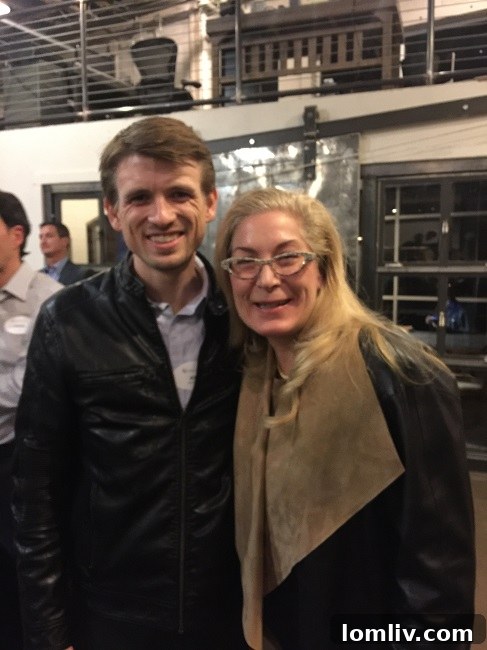
Stay tuned for more in-depth coverage of RealTech’s groundbreaking initiatives and how they are impacting the real estate market. For now, observe the striking resemblance between John and his father, Leon – a visual testament to the continuity of visionary leadership.