As experienced home inspectors, we’ve had the privilege of examining countless properties. This extensive exposure consistently reveals a pattern: many homes, particularly within similar geographical regions, face recurring challenges stemming from both human factors and environmental influences. While the world of home inspection often uncovers truly bizarre, dangerous, or even amusing scenarios, our primary goal is to empower homeowners with practical knowledge. Therefore, we believe it’s most beneficial to focus on the common issues you’re genuinely likely to encounter in your own residence. Understanding these prevalent #homeinspectionfinds allows for proactive maintenance and informed decision-making, ultimately saving you stress, time, and money in the long run. Let’s delve into some of the most frequently identified problems that every homeowner should be aware of.
Critical Electrical Safety: The Absence or Failure of GFCI Outlets
When discussing electrical safety in your home, one term you’ll frequently hear from professionals is GFCI. GFCI stands for Ground-Fault Circuit Interrupter, a vital safety device designed to protect you from severe electrical shocks and potentially fatal incidents. Unlike standard circuit breakers that protect against overloads or short circuits, a GFCI specifically monitors for imbalances in electrical current flow. If it detects even a tiny difference, indicating that current is leaking out of the circuit – perhaps through a person who has come into contact with water and an electrical appliance – it trips instantly, shutting off power in a fraction of a second. This rapid response can be the difference between a minor scare and a tragic accident.
Building codes universally mandate the installation of GFCI outlets in specific areas of a home where the risk of electrical shock is heightened due to the proximity of water. These crucial locations include bathrooms, kitchens (especially near sinks), garages, basements, crawl spaces, laundry rooms, and all outdoor receptacles. Historically, GFCI requirements evolved. They began appearing in outdoor installations in the 1970s, expanded to bathrooms and kitchens in the 1980s, and have since become mandatory in an increasing number of spaces. Consequently, the age of your home or its most recent renovation can significantly impact the likelihood of having comprehensive GFCI protection. Older homes, or those that haven’t undergone recent electrical upgrades, are often found to have insufficient GFCI coverage.
However, simply having GFCIs installed is only half the battle; their functionality is paramount. Given their introduction decades ago, many existing GFCI outlets are quite old and can degrade over time. Regular testing and maintenance are essential components of your yearly home maintenance checklist. The good news is that testing a GFCI outlet is incredibly straightforward. Locate the “Test” and “Reset” buttons on the outlet. First, press the “Test” button. This should cause the “Reset” button to pop out, cutting power to the outlet. You can verify this by plugging in a small appliance, like a nightlight, before and after testing. If the power cuts, press the “Reset” button to restore power. If the GFCI doesn’t trip, or if it doesn’t reset, it indicates a fault and requires immediate replacement. This simple test should be performed monthly for maximum safety.
The cost and complexity of replacing a faulty GFCI outlet are surprisingly low, making it an accessible DIY project for those comfortable with basic electrical work, or a quick, inexpensive job for a qualified electrician. Neglecting a non-functional GFCI leaves your household vulnerable to serious electrical hazards. Don’t compromise on safety – prioritize checking and maintaining these critical devices. While most GFCI replacements are straightforward, some situations can be rather… unique, highlighting the importance of proper installation, as seen in this example:
@greenscenehome Tell me you #DIYreno your bathroom without telling me you DIYreno your bathroom. #homeinspectionfinds #dfwrealestate #atxrealestate #askahomeinspector
♬ original sound – Green Scene Home Inspections
Water Heater Woes: Common Issues and Essential Maintenance
The water heater is an unsung hero in most homes, silently providing the comfort of hot water for showers, dishes, and laundry. However, it’s also one of the most expensive appliances to replace and a frequent source of issues during home inspections. For prospective homebuyers, understanding the age and condition of a property’s water heater is crucial for financial planning, allowing you to anticipate potential repair or replacement costs. A new conventional tank-style water heater can range anywhere from $800 to $2,000, depending on its capacity, fuel source (electric or gas), and brand, not including installation. Given its significant cost and indispensable function, taking care of your water heater is paramount.
A well-maintained water heater typically has a lifespan of 8 to 12 years. Yet, many homeowners unwittingly shorten this lifespan through neglect. Did you know that you are supposed to drain and flush your water heater once every year or two? This crucial maintenance step, often overlooked, prevents sediment buildup at the bottom of the tank. Sediment acts as an insulator, forcing the heating element (or gas burner) to work harder, leading to decreased efficiency, higher energy bills, and accelerated wear and tear on the unit. Over time, this buildup can also cause the tank to corrode from the inside out, leading to leaks and premature failure. Regular flushing is simple and significantly extends the life and efficiency of your appliance.
Beyond neglected maintenance, home inspectors frequently uncover a litany of installation and condition-related problems with water heaters. These issues can range from minor inefficiencies to serious safety hazards:
- Improper Installation: Incorrect sizing, inadequate venting for gas units (posing a carbon monoxide risk), or lack of proper seismic strapping in earthquake-prone areas.
- Rust and Corrosion: Visible rust on the tank’s exterior, around the fittings, or rust-colored hot water are tell-tale signs of internal corrosion, indicating the tank is failing. The anode rod, designed to prevent this, may also be depleted.
- Wrong Equipment or Missing Components: This could include missing or improperly installed expansion tanks (which absorb excess pressure), a pressure relief valve (TPRV) that doesn’t drain correctly or is missing its discharge pipe, or the absence of a crucial sediment trap on gas lines, which protects the burner from debris.
- No Drain Pan: A drain pan beneath the water heater is a non-negotiable component, especially when the unit is located in an attic, upstairs closet, or anywhere that a leak could cause significant water damage to the home’s structure and contents. Without it, a leak can quickly escalate into a catastrophic flood.
- Flue Pipe Too Close to Combustible Material: For gas water heaters, the flue pipe, which vents exhaust gases, gets extremely hot. If it’s too close to wooden framing, insulation, or other flammable materials without proper clearance, it creates a severe fire hazard. Building codes specify minimum distances to prevent this.
These common missteps, whether from amateur installations or years of neglect, not only shorten the water heater’s lifespan but also set the stage for costly repairs, extensive water damage, or, in the worst cases, fire and carbon monoxide poisoning. Regular professional inspections can identify these issues before they become critical, ensuring your home remains safe and your hot water flows reliably. Here’s a visual example of the potential consequences of neglecting these critical components, especially the importance of a simple drain pan:
@greenscenehome And that’s why you need a water pan alarm. #waterheater #homeinspectionfinds #dfwrealestate #austinrealestate #askahomeinspector
♬ original sound – Green Scene Home Inspections
Safeguarding Your Home: Identifying and Eliminating Conducive Conditions for Wood-Destroying Insects
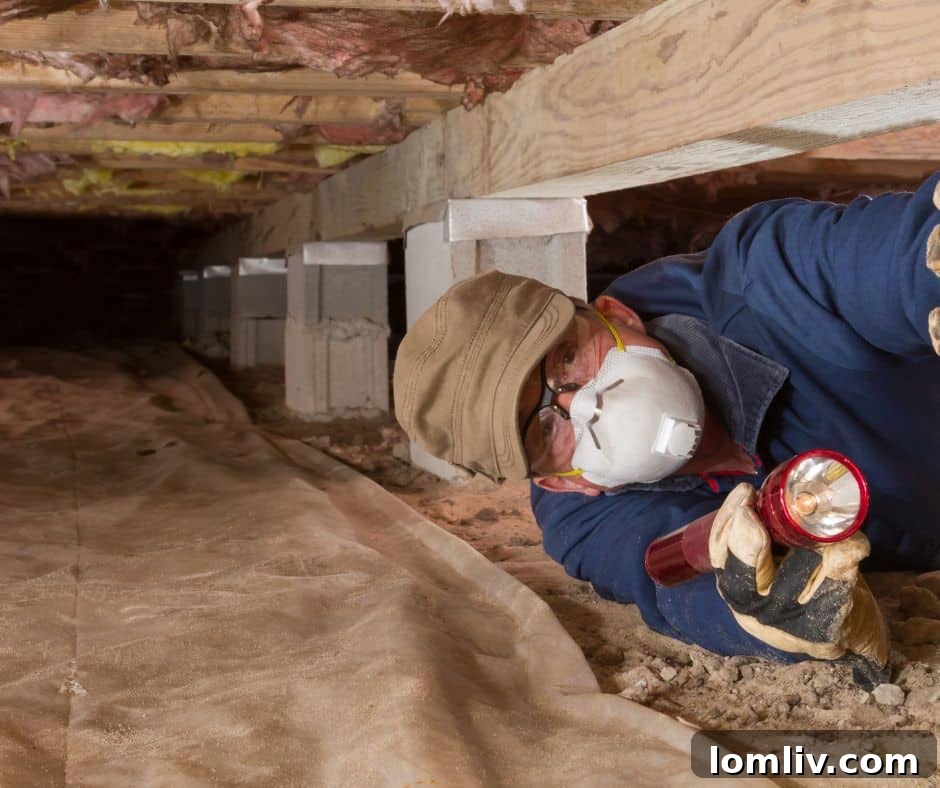
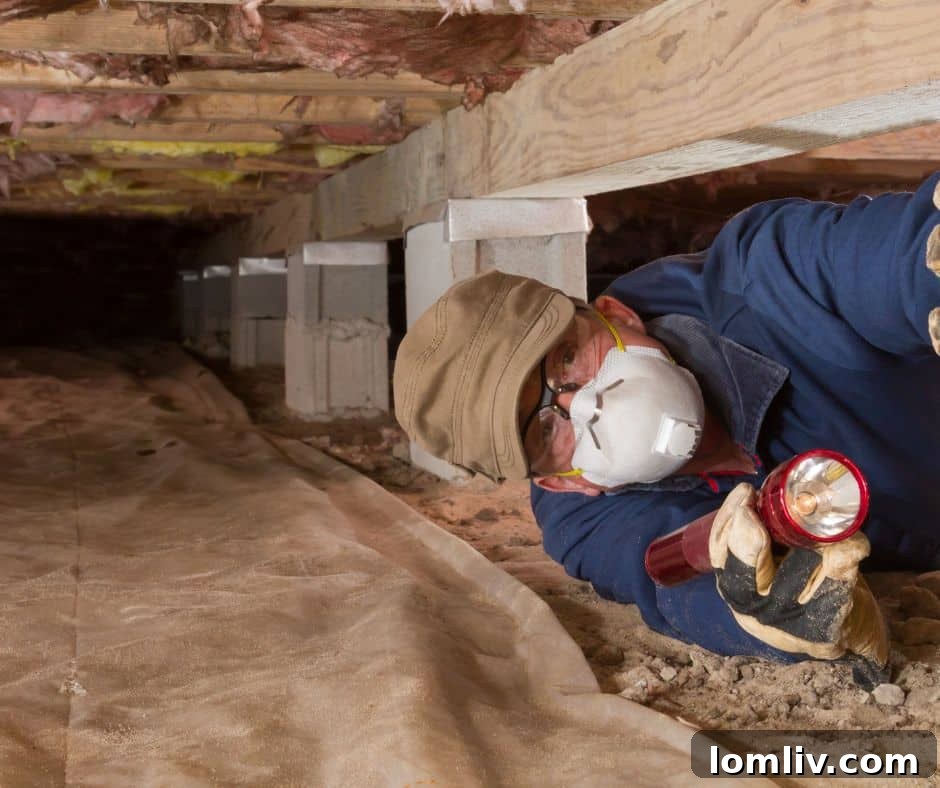
The phrase “conducive conditions for wood-destroying insects” is a formal way of describing an open invitation – or as we like to put it, building luxury “condos for termites” right up against your home. These conditions aren’t just an inconvenience; they represent a serious threat to the structural integrity and value of your property. Wood-destroying insects (WDIs), primarily termites, but also carpenter ants and powderpost beetles, can cause extensive, often hidden damage that can cost thousands of dollars to repair if left unchecked.
Due to the severe potential for damage, certain types of home loans, particularly those backed by government agencies, frequently require a comprehensive Wood-Destroying Insect (WDI) inspection before a home purchase can be finalized. However, regardless of loan requirements, every homeowner, especially in regions prone to termite activity like North Texas, should consider regular WDI inspections a non-negotiable aspect of home maintenance. Whether conducted by a qualified home inspector specializing in pests or by a dedicated pest control company, these inspections are critical for early detection and prevention.
It’s easy to inadvertently create conditions that attract WDIs to your home. Many homeowners unknowingly harbor several “appetizers” around their property that lure these destructive pests. The most common conducive conditions revolve around moisture and direct wood-to-soil contact, which provides an easy pathway for termites to enter your home’s structure. Here are some of the prime culprits:
- Wood-to-Soil Contact: This is perhaps the most significant attractant. Any wooden element of your home or landscaping that directly touches the soil creates a direct bridge for subterranean termites to access your property. Examples include firewood piles stacked against the foundation, wooden fences or trellises touching the house, untreated wooden deck posts, or even discarded lumber near the structure. Termites forage through soil, and direct wood contact gives them exactly what they’re looking for without exposing themselves to air.
- Excessive Moisture: Termites thrive in moist environments. Leaky outdoor faucets, clogged gutters overflowing and saturating the soil near the foundation, poor drainage around the perimeter of the house, or even foundation cracks that allow water to seep in, all create ideal breeding grounds. Rotting wood, often a result of prolonged moisture exposure, is particularly irresistible to many wood-destroying pests.
- Excessive Foliage and Mulch: Plants, shrubs, and trees growing directly against the exterior walls of your house, or thick layers of mulch piled up against the foundation, can trap moisture against the structure. This creates a humid, concealed environment that termites love, and also obscures their activity, making it harder for you to spot them. It’s recommended to maintain at least 12-18 inches of clearance between foliage and your home’s foundation.
- Leftover Wood Debris: Forgotten wooden form boards from original construction, discarded stumps, or even old planters made of wood that are left against the structure are textbook examples of providing termites with an easily accessible food source right next to your home. These are particularly common conducive conditions found in many homes, acting as a gateway for infestations.
As inspector Alex aptly puts it, “It’s like setting out appetizers for WDIs.” By being vigilant and addressing these common conditions, you can significantly reduce the risk of a termite infestation and protect your valuable investment. Regular inspections, coupled with proactive measures like clearing brush, repairing leaks promptly, ensuring proper drainage, and removing all wood-to-soil contact points, are your best defense against these silent destroyers.
Ultimately, a home is likely the largest investment you will ever make, and protecting that investment requires ongoing vigilance and care. You don’t have to wait for a real estate transaction to leverage the expertise of a professional inspector. Proactive home maintenance is always the smartest approach. Consider scheduling a Home Maintenance Inspection at any time. An experienced inspector can provide a comprehensive, objective assessment of your property’s overall condition, identifying potential issues before they escalate into costly problems. This detailed report serves as an invaluable roadmap for prioritizing maintenance tasks, budgeting for future repairs, and ensuring the long-term health and safety of your home, offering invaluable peace of mind.