While home inspectors inherently brace for the unexpected, the reality is that much of our day involves encountering a familiar array of issues. We routinely observe insufficient insulation, general wear and tear on roofing, malfunctioning electrical outlets, clogged drains, leaking pipes, or the absence of a crucial AC drip pan. These are the predictable challenges. However, there are moments when we stumble upon truly dangerous home inspection finds – the kind of critical problems that demand immediate attention, much like a pop star’s dramatic entrance.
These are not just minor inconveniences; they are significant threats to property value and, more importantly, occupant safety. Understanding these critical issues is paramount for homeowners, prospective buyers, and real estate professionals alike. A thorough home inspection goes beyond identifying cosmetic flaws; it delves into the structural integrity, safety systems, and overall health of a property, uncovering hidden dangers that could lead to severe consequences if left unaddressed. Let’s explore some of these alarming discoveries.
The Silent Ignition: Outdoor Electrical Fire Hazards
In our daily lives, it’s easy to become desensitized to our surroundings, overlooking subtle warning signs that could indicate a serious problem. Just as children learn about the world through all five senses, homeowners should cultivate a similar awareness regarding their most valuable asset. While a strong burning smell quickly grabs our attention, what if such an incident occurs when no one is home to detect it?
One alarming discovery involved an outdoor light fixture that was actively smoldering, dangerously close to dry vegetation. This scene underscores the critical importance of regular, proactive home maintenance. The heat generated by certain types of bulbs, combined with degraded wiring or a compromised fixture, can easily ignite flammable materials nearby, leading to a rapidly spreading outdoor fire that could engulf a home.
This incident highlights several essential preventative measures to integrate into your home maintenance routine:
- Regular Inspection of Outdoor Lighting: Add checking your outdoor lights to your home maintenance checklist. Beyond simply ensuring they turn on, inspect them for physical damage, such as being knocked over, cracked casings, or exposed wiring. Look for signs of overheating, like discoloration around the bulb or fixture. Ensure all connections are secure and free from corrosion. Pay close attention to lights positioned near wooden structures, fences, or dense landscaping.
- Upgrade to Energy-Efficient LED Lighting: The incandescent bulbs commonly found in older outdoor fixtures generate significant heat, posing a substantial fire risk, especially when the fixture is old or damaged. Switching to solar-powered LED lights or standard energy-efficient LEDs is a highly recommended upgrade. LEDs produce very little heat, consume less electricity, and have a much longer lifespan, drastically reducing the risk of heat-related fires. They are not only a safer option but also a more cost-effective and environmentally friendly choice in the long run.
- Maintain Clear Perimeters: It is crucial to clear piles of dried leaves, mulch, shrub clippings, or any other flammable debris, particularly around outdoor electrical fixtures, grills, and the foundation of your home. During hot summer months, this dry vegetation becomes tinder, easily ignited by a stray spark from a grill, a discarded cigarette, or as this real-life scenario illustrates, an overheating outdoor light. Maintaining a defensible space around your home is a fundamental step in fire prevention. Preventing such fire hazards can save your home and potentially lives.
These steps are simple yet vital for mitigating the risk of electrical fires originating from outdoor sources. Proactive observation and timely upgrades can transform potential hazards into secure, well-lit areas of your property.
The Creeping Menace: Dangers of Invasive Vines
While often admired for their romantic and picturesque aesthetic, vines can be far more than just decorative. They are, in fact, an aggressive threat to your home’s integrity and safety, capable of causing significant damage that homeowners frequently underestimate. The dangers associated with uncontrolled vine growth are multifaceted, ranging from electrical hazards to structural degradation and pest infestation.
Electrical System Entanglement
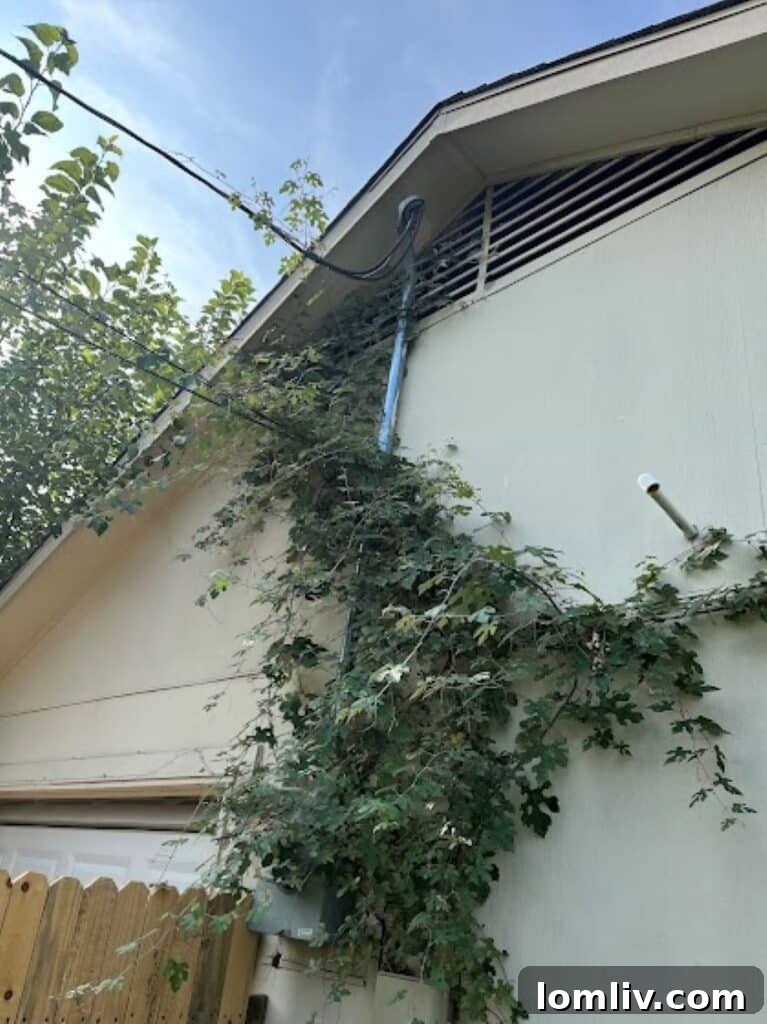
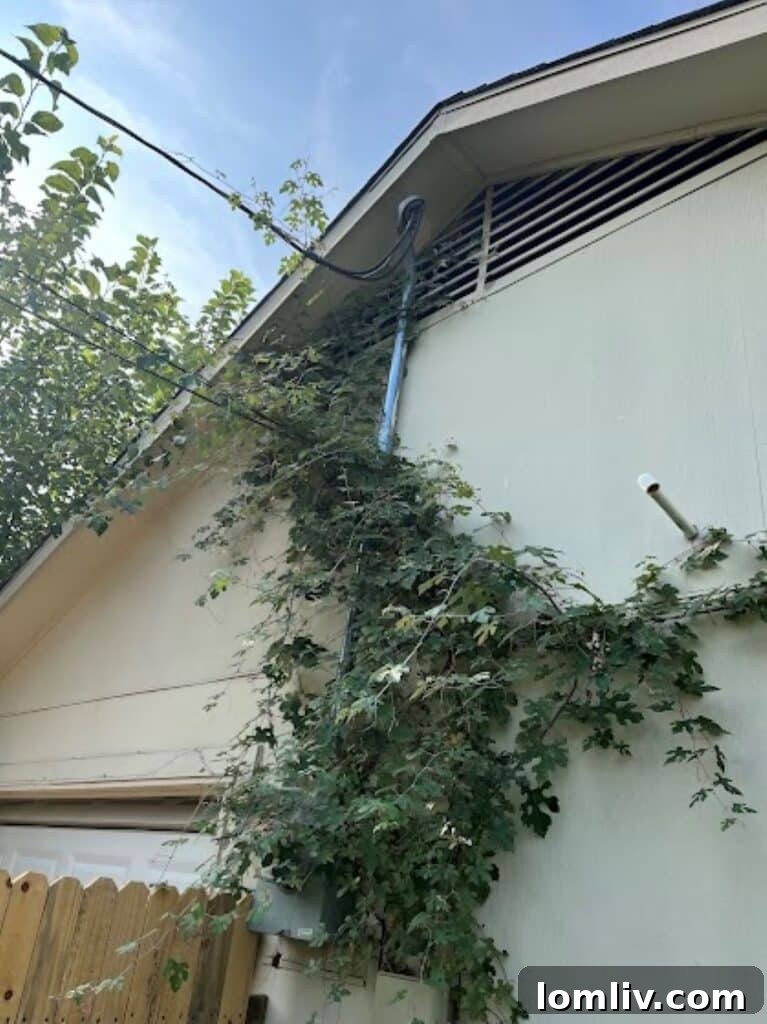
Perhaps one of the most surprising and dangerous aspects of vine growth is their ability to conduct electricity, especially when damp. In the first image, a thick creeper has completely engulfed the electrical service entrance wires and the service mast. This is an extremely hazardous situation. Vines can physically pull at wires, loosening connections or exposing conductors. More critically, when wet, they can create a conductive path, potentially leading to short circuits, power disruptions, or even electrocution for anyone attempting to remove them or coming into contact with the affected area. Such a scenario makes professional removal not just advisable, but absolutely imperative, as untrained attempts could be life-threatening.
HVAC System Suffocation and Damage
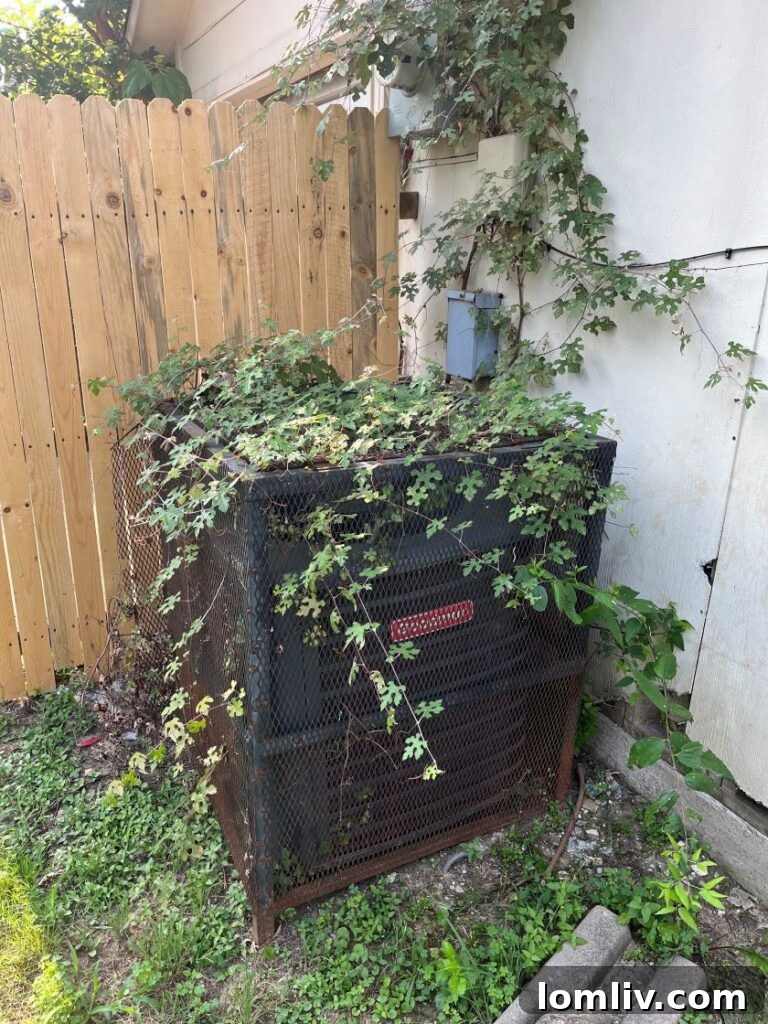
The second image illustrates vines vigorously growing around an AC compressor unit. This might seem benign, but it poses a serious threat to your heating, ventilation, and air conditioning (HVAC) system. The dense foliage not only blocks essential airflow to the condenser coils, forcing the unit to work harder to cool your home, leading to increased energy consumption and premature wear and tear. Furthermore, aggressive vine roots and stems can actually grow into the delicate coils, causing irreversible damage that can necessitate costly repairs or even a complete unit replacement. Keeping the area around your AC unit clear of all vegetation is crucial for its efficiency, longevity, and proper operation.
Structural Damage and Pest Infestation
Beyond the immediate threats to electrical and HVAC systems, vines are a significant detriment to the very fabric of your home. They are, quite literally, a plague that will devour your house given enough time. Vines cling to exterior surfaces, trapping moisture against siding, brickwork, and mortar. This persistent dampness creates an ideal breeding ground for wood rot, mold, and mildew, which can compromise structural elements and lead to costly remediation. The tendrils of vines can infiltrate tiny cracks, widening them over time and potentially dislodging gutters, lifting shingles, or even damaging your foundation.
Moreover, the dense growth provides perfect camouflage and pathways for pests like termites, ants, and rodents to access your home. These pests can establish colonies undetected within the vine mass, gaining easy entry points into your walls and attic, leading to further structural damage and health concerns. The romantic notion of a vine-covered cottage quickly fades when confronted with the realities of pest infestation, mold growth, and deteriorating structural integrity.
The advice is unequivocal: do not allow vines to grow on your house, fences, or near critical utility infrastructure. Regular pruning and diligent removal are essential to protect your home from these insidious natural threats.
Leaning Towards Disaster: Unsafe Structural Support
In the world of home inspections, some discoveries are so glaringly obvious in their danger that they require little explanation. One such critical find involves compromised structural support, a situation that poses an immediate and severe safety risk to anyone using the affected area or even being near it. Imagine a porch or deck where the primary support column is visibly failing or has been installed with such inadequacy that it offers virtually no functional support.
A recent inspection highlighted a frightening example: a support post for an elevated structure, such as a porch or a section of a roof, was found to be completely unsecured and offering minimal, if any, structural integrity. The visual evidence spoke volumes: the post was either leaning precariously, improperly anchored, or had deteriorated to the point where it could no longer bear the load it was intended to carry. The implication is dire: any significant weight or stress, such as people gathering on a porch or even just heavy snow accumulation on a roof, could lead to a catastrophic collapse.
This kind of deficiency is not a cosmetic issue; it’s a fundamental failure in building safety. It underscores the importance of having robust, properly installed, and well-maintained structural elements. Signs of such issues include:
- Visible leaning or bowing of support columns or beams.
- Cracks or significant deterioration in wood or concrete supports.
- Posts that are not securely anchored to the ground or to the structure they are supporting.
- Sagging floors, decks, or rooflines above the compromised support.
- Uneven gaps or misalignments in attached structures.
The immediate concern is the potential for sudden collapse, which could result in serious injury or fatality. It serves as a stark reminder that structural integrity is non-negotiable. Until such critical flaws are professionally repaired, areas reliant on compromised supports should be considered unsafe and strictly avoided. Professional evaluation by a structural engineer or a licensed contractor specializing in foundation and structural repairs is absolutely essential to diagnose the extent of the problem and implement a safe, lasting solution.
The Weight of Neglect: New Construction Roof Damage
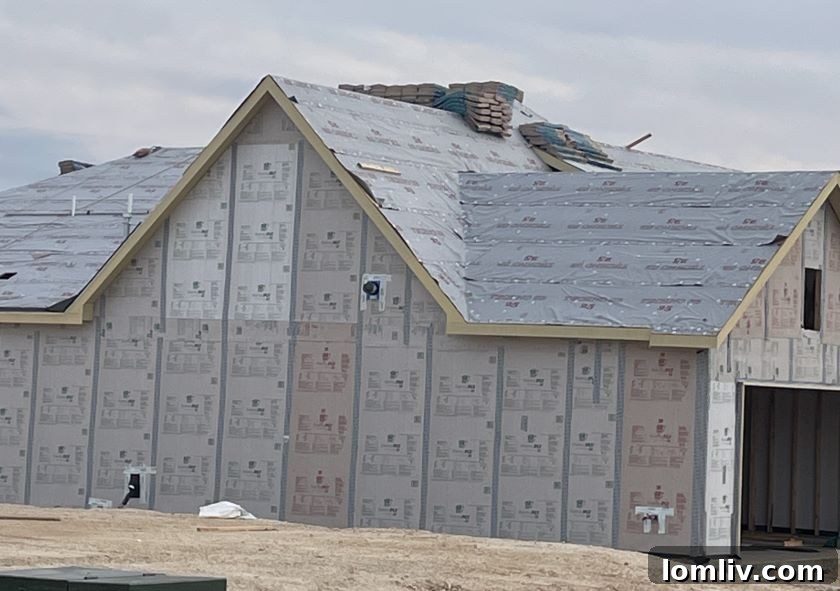
It’s a common misconception that a new construction home is inherently flawless and free from significant issues. However, phase inspections conducted during the building process frequently uncover critical deficiencies, proving that even new properties require vigilant oversight. One particularly egregious and frustrating discovery involves the improper handling of materials during roof installation, leading to potential structural damage before the home is even completed.
Consider this alarming scenario from a phase inspection: roofing bundles, each weighing between 60 to 75 pounds, were improperly stacked directly on top of the roof structure along the ridge line. With over 45 such bundles concentrated in a single area, this represents an astounding cumulative weight of almost 3,000 pounds. This colossal, concentrated load was placed on a roof structure that was designed to support the evenly distributed weight of finished roofing materials, along with anticipated environmental loads like snow and wind, not thousands of pounds in one narrow strip.
The immediate consequence of such gross negligence is significant stress on the roof’s framing, particularly the rafters and trusses. This can lead to:
- Rafter Separation: The immense weight can cause rafters to pull away from the ridge beam or their connections to the exterior walls, compromising the entire roof’s stability.
- Sagging Decking: The plywood or OSB roof decking can warp, crack, or sag under the concentrated load, creating unevenness and potential weak spots.
- Premature Structural Fatigue: Even if immediate collapse doesn’t occur, the undue stress can weaken the structural members, leading to premature aging, reduced longevity, and susceptibility to future damage from weather events.
- Compromised Waterproofing: Any deformation of the roof structure can affect the proper installation and integrity of underlayment and shingles, leading to leaks down the line.
A truly competent and professional roofer would never stack materials in this manner. Proper practice dictates that bundles should be evenly distributed across the roof surface to spread the load, or preferably, kept on the ground and hoisted as needed. This type of error points to a severe lack of training, oversight, or basic understanding of structural loads by the roofing crew.
This incident also highlights a broader issue in some regions, such as the fact that there may be no license requirement to be a roofer in Texas, making it easier for unqualified individuals to perform critical work. This lack of stringent regulation makes new construction phase inspections even more critical. Homebuyers should never assume that because a home is new, it is free from defects. Vigilance and professional scrutiny throughout the building process are essential to catch such dangerous and costly mistakes before they are covered up.
The overarching lesson from these dangerous home inspection finds is clear: proactive vigilance is your best defense against property damage and safety risks. While some problems are common and easily remedied, others lurk silently, threatening the very foundation of your home and the safety of its inhabitants. Regular maintenance, informed decision-making, and professional inspections are not optional luxuries; they are indispensable investments in the longevity and security of your most significant asset.
Cultivating a keen awareness of your home’s condition, both inside and out, allows you to identify warning signs before they escalate into serious hazards. Just as a prominent warning demands attention, so too do the subtle cues your home provides. If you notice anything unusual – a strange smell, unexpected growth, a visible sag, or a sound that wasn’t there before – investigate it promptly. When it comes to your home’s safety, don’t ignore the tell-tale signs; address them head-on, ideally with the help of a qualified professional. Prioritizing home safety and maintenance isn’t just about protecting your investment; it’s about safeguarding your peace of mind and the well-being of your loved ones.