There was a time, not so long ago, when the process of buying and selling a home felt refreshingly straightforward. Homeowners desiring a change would connect with their trusted real estate professional, embark on a journey to sell their current residence, and simultaneously seek out their next dream home. If a new property was found before the old one was under contract, a short-term contingency clause could easily be written into the purchase agreement, rarely hindering a buyer’s aspirations.
Even in mildly competitive markets, buyers could sweeten their offers without extreme measures. A willingness to pay slightly over the asking price, coupled with covering typical seller expenses like title policies, surveys, or residential service contracts, often sufficed. Some even penned heartfelt letters, sharing stories of their families and how a particular house “felt right,” sometimes accompanied by endearing photos of pets or smiling children, believing these personal touches could sway a seller’s decision.
The primary goal was simple: secure the desired home in a timely manner. This typically involved getting the next property under contract with a manageable contingency, selling the existing home swiftly, and coordinating both closings on the same day in the near future. The system was efficient, predictable, and largely stress-free. Buyers and sellers moved through the process with a sense of calm and control. However, the landscape has drastically shifted, and those days are now a distant memory.
The Unprecedented Real Estate Race: A New Era of Home Buying and Selling
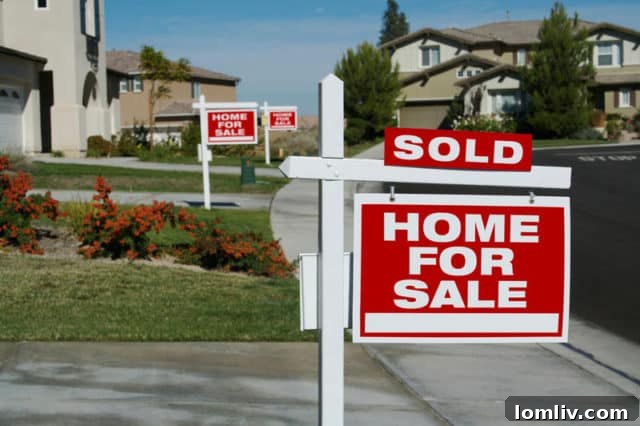
Prepare for a stark reality check: the era of predictable, low-stress home transactions is unequivocally over. What we are witnessing today in major metropolitan areas, particularly in the robust Dallas-Fort Worth (DFW) market, is an intense, high-stakes competition for housing, showing no signs of abatement. The decline in available home inventory, a trend that began subtly a few years prior, reached a critical inflection point in 2021, exacerbated significantly by the global pandemic.
Statistical data underscores this dramatic shift. According to insights from the Greater Fort Worth Association of Realtors, active listings in December 2020 plummeted by a staggering 48.8 percent compared to December 2019. This is not merely a dip; it represents a profound contraction in the housing supply, a figure that demands serious attention from anyone involved in the real estate market. This alarming trend of dwindling inventory continues to compound, creating an ever-widening gap between supply and demand. Fewer and fewer homes are entering the market, while the ranks of highly motivated and active buyers continue to swell.
The impact extends across the entire housing ecosystem. New home construction, typically a reliable source of increased inventory, is operating at maximum capacity yet still struggling to keep pace with insatiable demand. Builders and developers face immense pressure, grappling with labor shortages, escalating material costs, and logistical challenges that hinder their ability to deliver new developments and homes fast enough. This bottleneck in new construction further intensifies the scarcity in the resale market.
On the seller side, a new wave of hesitancy has emerged. Whether driven by lingering COVID-19 fears or, more commonly, the daunting prospect of being unable to find a suitable replacement home for themselves, many potential sellers are choosing to delay listing their properties. This reluctance removes even more homes from an already constrained market, creating a vicious cycle where low inventory discourages new listings, perpetuating the shortage.
Crucially, this inventory crisis is entirely price-agnostic. Its effects are not confined to entry-level homes or luxury estates. Whether you’re searching for a property in the $200,000s, the $500,000s, the $750,000s, or the multi-million-dollar range, the underlying challenge remains the same: a severe lack of available homes. This scarcity drives intense bidding wars, pushes prices ever higher, and forces buyers into unprecedented levels of competitiveness. The days of leisurely browsing and negotiating are long gone; today, it’s a sprint, not a marathon.
If your strategy involves selling your current home before you can comfortably purchase another, be prepared for significant hurdles. In the current market, sellers hold all the leverage, and contingency agreements—where a purchase is conditional upon the sale of another property—are largely scorned. Most sellers receive multiple clean offers without contingencies, making an offer dependent on another sale highly unattractive, if not completely unviable.
Navigating the Modern Real Estate Landscape: Strategies for Success
The severity of the current market suggests there is no single, miraculous solution to instantly resolve the inventory crisis. However, proactive measures and strategic adjustments from both sellers and buyers are essential for navigating these challenging times. For the market to regain some semblance of balance, more sellers must feel confident and secure enough to re-enter the home-selling arena, confident they can transition smoothly to their next residence.
On the buyer’s side, the expectation for creativity and agility from both buyers and their real estate agents has never been higher. While it’s true that not every buyer possesses the luxury of paying cash, offering significantly above the asking price, or providing extensive leaseback options, these tactics have become increasingly commonplace in winning bids. It’s crucial to understand the competitive landscape and explore every viable advantage.
The speed at which properties are being acquired is truly astounding. In recent observations, high-end homes, once listed on the open market, have moved from “Active” to “Pending” status within mere moments – sometimes quicker than one can refresh a webpage. This rapid transition often occurs without the traditional “option period” for inspections, without the opportunity for multiple offers to be carefully weighed, and without the chance for a “best and final” round of negotiations. Such a rapid-fire environment is extraordinary and can be disorienting, yet it is undeniably the prevailing reality across all price points in the current market.
Maintaining Hope and Strategic Preparedness in a Competitive Market
Despite the intense challenges, it’s vital not to lose hope in your home buying or selling journey. As the old adage wisely advises, “Don’t get excited until you get the keys or give the keys.” This counsel is more pertinent than ever in today’s emotionally charged market. It’s incredibly easy to allow emotions—whether elation or disappointment—to override rational decision-making during the complex homebuying process. Maintaining a balanced perspective and emotional resilience is key.
For buyers, thorough preparation is paramount. Ensure all your “ducks are in a row” before you even begin actively searching. This starts with securing a highly talented and experienced real estate sales professional who deeply understands the nuances of a seller’s market and possesses strong negotiation skills. Equally important is having a robust lender approval letter, preferably one that indicates a full underwriting review, demonstrating your financial readiness and credibility to sellers. A pre-qualification is no longer sufficient; a strong pre-approval, or even better, a full underwriting approval, speaks volumes.
Flexibility has become a cornerstone of successful offers. Be prepared to be malleable when it comes to critical terms such as the closing date, whether it’s a quick turnaround or a more extended period to accommodate the seller’s needs. Furthermore, consider offering a generous leaseback option to sellers, sometimes extending up to 90 days (yes, ninety days), often at a minimal charge or even rent-free. This provides sellers with invaluable time and peace of mind to find their next home without the pressure of immediate relocation, making your offer significantly more attractive.
A highly effective, yet often overlooked, suggestion is to have your local lender directly contact the listing agent of the home you intend to purchase immediately after you’ve submitted your offer. This proactive step serves multiple purposes: it not only reaffirms your financial qualification to the listing agent and seller but also showcases that you have a strong, responsive local lender who will actively champion your cause, working in tandem with your real estate professional. This collaborative effort can significantly differentiate your offer from others.
Finally, engage in a realistic self-assessment of your priorities. Clearly delineate between your “must-have” features in a home and your “would-like-to-have” items. In a market where compromise is almost inevitable, understanding these distinctions will help you make quicker, more informed decisions when presented with limited options. Remember, life, and especially home buying in a tight market, is fundamentally about trade-offs; you are unlikely to secure absolutely everything on your wish list.
Hang in there. While the current housing market presents formidable challenges, strategic planning, strong professional guidance, and emotional fortitude can lead to a successful outcome. It’s important to keep perspective; indeed, it could always be worse. Imagine navigating a market where home inventory is exceptionally high because everyone is fleeing those areas – now that would be a truly undesirable scenario!
Share Your Experiences: Community Insights and Tips
The collective experience of navigating this unique real estate market is invaluable. We invite you to share your own tips, insights, or personal stories in the comments section below. What strategies have worked for you? What challenges have you encountered? What innovative approaches are you witnessing in your local area? Your contributions help to build a clearer picture of the current housing landscape and offer valuable guidance to others facing similar circumstances. We are eager to hear about your experiences and learn from the community’s diverse perspectives.