The Evolving Landscape of Downtown Dallas: Real Estate, Urban Living, and Future Trends
Exploring the dynamic shifts in downtown Dallas, from infrastructure challenges to the influence of a new generation on urban life and real estate opportunities.
Unlocking the Potential of Downtown Dallas Real Estate
This year, there’s a renewed and fervent commitment to meticulously track the ongoing developments within the vibrant Downtown Dallas Real Estate market. This focus is entirely justified, as the urban core of Dallas is currently undergoing a significant metamorphosis. With numerous new construction projects, a rapidly shifting demographic landscape, and an ongoing public discourse about what truly defines a modern, livable, and economically thriving city center, understanding these changes is paramount. For investors, residents, and urban enthusiasts alike, staying informed about these intricate transformations is crucial for anticipating the future trajectory of one of Texas’s most dynamic urban environments. The revitalization efforts are not just about new buildings; they are about reimagining the very fabric of city life, creating spaces that attract businesses, talent, and community.
A Lifelong Affinity for Urban Living: Lessons from Global Cities
My personal journey through various urban landscapes has cultivated a deep-seated appreciation for the unique energy and dynamism of city life. Having had the privilege of residing in three distinct major American cities—Chicago, New York, and Boston—I’ve experienced firsthand the intellectual stimulation, cultural richness, and palpable sense of community that dense urban centers offer. While I confess a certain fondness for Chicago, perhaps influenced by its iconic deep-dish pizza and friendly Midwestern vibe, my time in New York City remains a truly unforgettable chapter. It was a period marked by intense personal growth, where I encountered an extraordinary tapestry of intelligent and diverse individuals. The city’s relentless, 24/7 pulse was exhilarating, even during memorable, albeit comical, moments like witnessing our newly purchased groceries tumble down Amsterdam Avenue during an unexpected rain shower, a common plight when relying on flimsy paper bags for transport.
These experiences profoundly shape my perspective on urban conveniences and modern policy. For instance, the recent implementation of a plastic bag ban for single-use grocery bags, while well-intentioned, can present practical challenges in an urban environment where residents frequently rely on walking or public transportation for their daily errands. Such policies, when not paired with robust alternatives or infrastructure, can sometimes add friction to the daily lives of city dwellers.
During my years in New York, owning a car was an unnecessary luxury. This fostered a lifestyle of constant movement, where walking became my primary mode of transport, contributing significantly to my physical well-being. The city’s extensive public transportation network, encompassing both the subway and bus systems, was my essential lifeline, allowing seamless navigation across boroughs. Despite the undeniable allure of city life, New York presented its own set of challenges: from bitterly cold winters to summers that could rival Dallas’s sweltering heat, the occasional splash from a speeding bus or taxi, and the daily ritual of cleaning windowsills to combat the omnipresent urban grime. These realities are an inherent part of the urban experience, a trade-off for the vibrancy and convenience it offers.
The magnetic pull of urban centers endures even after relocation. Just two years ago, I spent ten uninterrupted days immersed in the city while visiting my son, who lived there. Upon my return to Dallas, I found myself instinctively acknowledging my car with a grateful kiss, a poignant testament to the stark contrasts in transportation realities between these global metropolises and my home city.
Navigating Downtown Dallas: Infrastructure, Walkability, and Transit Gaps
In an ideal scenario, embracing downtown Dallas living would be an immediate decision for me, gladly relinquishing car ownership if only the city’s public transportation infrastructure were more comprehensive and efficient. This desire isn’t unique; it mirrors the urban living patterns seen in cities like Chicago, where many residents maintain cars but rarely use them within the city limits, reserving them primarily for suburban excursions. There are distinct life stages when car dependency naturally diminishes – typically during formative college years and early adulthood, and increasingly, among empty-nest baby boomers who are opting out of suburban sprawl and shedding their vehicles after decades of shuttling children to countless activities. I vividly recall a particularly demanding semester with both my children involved in sports and extracurriculars, calculating that at least five hours of my day were spent behind the wheel. During vacations, my sole aspiration was simply not to be in a car.
The Convoluted Street Network and Parking Dilemma
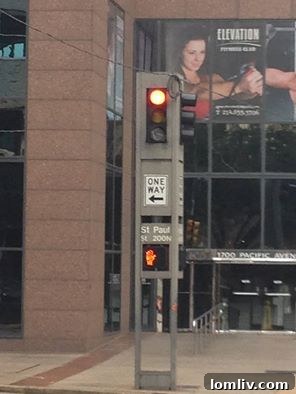
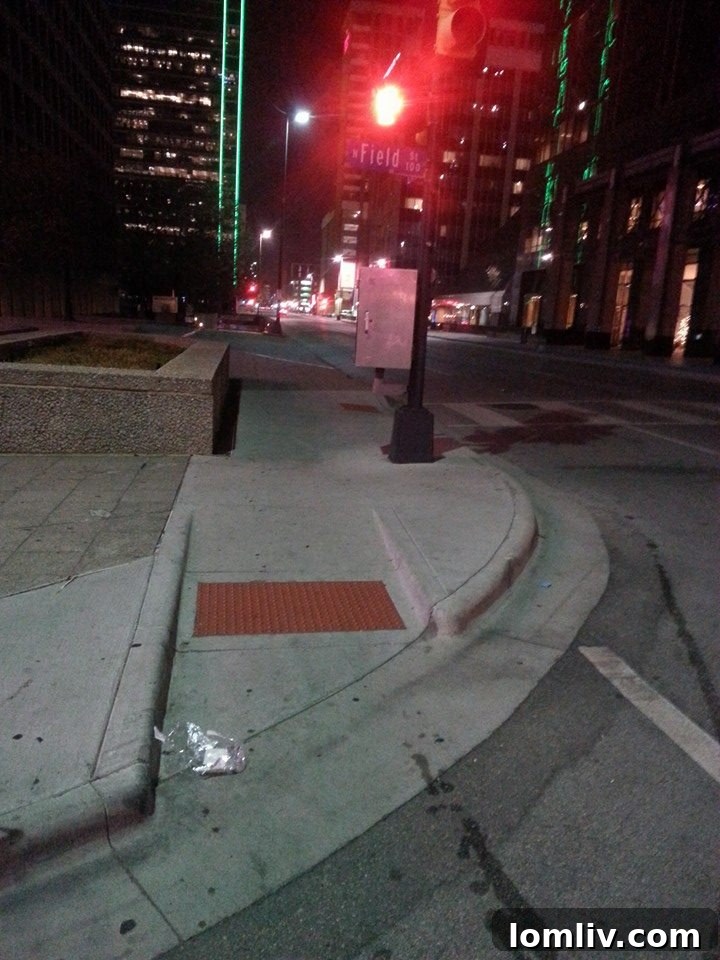
However, navigating the urban core of Dallas presents a peculiar set of difficulties. Its street layout often feels counter-intuitive and confusing, making walking a less-than-pleasant experience. For cyclists, the challenge is even more significant; only the most audacious individuals venture onto its thoroughfares. Unlike the orderly, grid-based systems of cities like Chicago, Dallas historically lacked the foundational re-planning that significant events, such as the Great Chicago Fire, inadvertently provided. This historical divergence has resulted in a street network characterized by a proliferation of one-way streets and perplexing diagonal intersections, contributing to severe traffic congestion during rush hours and a general sense of spatial disorientation for both pedestrians and drivers. The absence of a clear, logical urban grid significantly impedes seamless movement and intuitive navigation, creating a frustrating experience for those trying to get around.
Adding to these complexities, convenient and affordable parking in downtown Dallas is remarkably scarce. While the broader vision for urban revitalization frequently champions reduced car reliance and increased public transit use, the practical reality is that many visitors, and indeed a significant portion of residents, still need to drive into the city center. This raises a fundamental question: if the aim is for people to drive in, park their vehicle, and then explore the downtown area on foot, where exactly are these convenient and accessible parking spaces located? This disconnect between urban planning aspirations and current logistical realities creates a significant barrier to fully engaging with and enjoying the downtown district, deterring potential visitors and hindering local commerce.
Prioritizing Infrastructure: Highways vs. Human-Centric Urbanism
Discussions regarding proposals to demolish sections of highways, with the aim of fostering better connectivity and potentially integrating more cars into the downtown core, are often at the forefront of urban planning conversations. While the concept of reconnecting vital areas like Deep Ellum to the central business district through such ambitious real estate developments and infrastructure changes holds considerable promise for urban cohesion and economic growth, it simultaneously raises a critical and often overlooked question: how can the city responsibly increase traffic loads on already strained downtown streets without first fundamentally enhancing their functionality and capacity? The existing infrastructure frequently struggles to cope with current demand, suggesting that any significant increase could lead to further gridlock, heightened frustration, and diminished quality of life for residents and commuters.
As astutely highlighted by Wylie Dallas—a prominent and insightful voice in civic discourse—there exists a troubling irony in the city’s focus on grand, new highway projects along the Trinity River while fundamental urban amenities, such as functioning street lamps and safe, continuously paved sidewalks, remain neglected or in disrepair. Many established parts of Dallas, shockingly, still lack proper pedestrian infrastructure entirely. This glaring disparity prompts a critical inquiry: why do well-known areas like Hollywood Heights/Santa Monica boast adequate, well-maintained sidewalks, while other significant regions, particularly in North Dallas, do not? This uneven and often fragmented development underscores a broader systemic challenge in prioritizing comprehensive, pedestrian-friendly urban planning across the entirety of the city. A truly modern city must cater to all modes of transport and ensure basic safety and accessibility for its citizens.
The Wylie H. Dallas Phenomenon: A Cyber Superman for Civic Accountability
On a compellingly related note, the Dallas Observerlauded Wylie H. Dallas, placing him at number 27 on its esteemed annual list of the 100 most creative personalities in Dallas. This recognition is particularly extraordinary because Wylie H. Dallas, as a public entity, exists purely as an anonymous digital persona. Wylie operates as an exceptionally active and influential internet commenter and Facebook identity, who has, over time, evolved into an invaluable civic watchdog for the city of Dallas. Through this online presence, Wylie consistently provides crucial insider information, fearlessly exposes hypocrisies and biases (with hypocrisy being a particularly irksome trait to many), and uncovers buried misinformation that might otherwise escape public scrutiny. What began as a seemingly simple Facebook profile has remarkably transformed into one of the city’s most famous “fake” accounts – yet so profoundly impactful that Wylie has undeniably achieved a significant level of quasi-reality in Dallas’s public and civic discourse.
Wylie truly “blossomed” into prominence during the notorious “fake comments chapter” surrounding the contentious Museum Tower controversy. During this period, a public relations firm was allegedly attempting to manipulate public opinion through a flood of manufactured online endorsements and comments. In this charged environment, Wylie emerged as a sort of “cyber Superman,” tirelessly traversing the vast landscape of social media to champion truth, demand transparency, and hold powerful entities accountable. It is unequivocally clear that Wylie H. Dallas is genuinely committed to the betterment of Dallas, serving as a powerful, albeit anonymous, force for positive change, integrity, and much-needed accountability within the city’s often opaque political and developmental spheres. This phenomenon highlights the evolving nature of civic engagement in the digital age, where anonymous voices can wield significant influence.
Millennials and the Future of Urban Living: Embracing the “18-Hour City”
A pivotal question for the long-term trajectory and real estate market of downtown Dallas revolves around the evolving preferences and demographic shifts of Millennials. At a recent presentation by the Urban Land Institute (ULI), considerable attention was paid to the concept of the “18-hour city.” This term describes urban centers that are vibrant and active not just during traditional business hours, but also well into the evenings, offering diverse dining, entertainment, and cultural activities. This transformative shift, largely propelled by the younger demographic seeking dynamic lifestyles, has undoubtedly captured the attention of labor markets, city planners, and real estate developers across the nation. However, the enduring commitment of Millennials to long-term urban living, particularly as they enter new life stages, remains a complex subject of ongoing debate and careful observation.
The demographic reality is that the older segment of the Millennial generation is now firmly approaching or entering their 30s. This life stage traditionally marks a period when individuals begin to settle down, establish careers, and consider starting families. However, this generation is often initiating parenthood later in life compared to previous cohorts. My own children, for example, embarked on their parenting journey at ages 30 and 33. This delay in family formation is frequently attributed to a confluence of significant economic pressures, most notably the crushing burden of gargantuan student loan debt and the formidable challenges many faced entering a job market still reeling from a substantial recession. These economic realities profoundly influence housing choices and lifestyle aspirations, pushing major life milestones further down the road.
Consequently, a critical question for urban planners, real estate investors, and city leaders emerges: will these self-proclaimed “urban-loving” Millennials maintain their deep affection for city life once the responsibilities of children become a reality? The ULI’s current data indicates a near 50/50 split, suggesting that roughly half of Millennials express a preference for urban environments, while the other half gravitate towards suburban settings. This current equilibrium, however, is delicate and potentially transient. The true litmus test will undoubtedly arrive as these “urban babies” transition into walking toddlers and as school-age considerations, access to green spaces, and community amenities become paramount. Even a modest ten percent shift in either direction – favoring either urban or suburban living – could trigger significant ripple effects across both urban and suburban housing markets, altering demand for residential units, public services, and family-oriented infrastructure. We are, in essence, standing at the threshold of a major demographic experiment, and the ultimate outcomes will undeniably play a crucial role in shaping the future landscapes of cities like Dallas for decades to come.
The Road Ahead: Fostering Dialogue and Sustainable Development for Dallas
As Dallas continues its dynamic and ambitious evolution, the delicate balance between pursuing expansive development goals and addressing fundamental urban infrastructure needs remains a paramount challenge. The collective experiences of its diverse residents, the insightful critiques and observations from dedicated civic watchdogs like Wylie H. Dallas, and the ever-shifting preferences of new generations collectively paint a complex yet utterly fascinating portrait of urban life in the city. The untapped potential for downtown Dallas to truly flourish as a vibrant, accessible, economically desirable, and holistically livable urban core hinges directly on the city’s capacity to address these multifaceted issues in a comprehensive, integrated, and forward-thinking manner. This requires more than just construction; it demands strategic planning, community engagement, and a vision for inclusive growth.
We will remain vigilant, closely observing these pivotal trends and developments as they unfold. What are your perspectives and experiences regarding living in downtown Dallas? Do you find walking in downtown Dallas to be an enjoyable, convenient, or challenging experience? We invite you to share your insights, perspectives, and join the ongoing, crucial conversation about collaboratively shaping the vibrant future of our beloved city. Your voice is an important part of Dallas’s continuing story of growth and transformation.