Silicon Valley’s Extreme Real Estate: When a Burned House Sells for $938,000
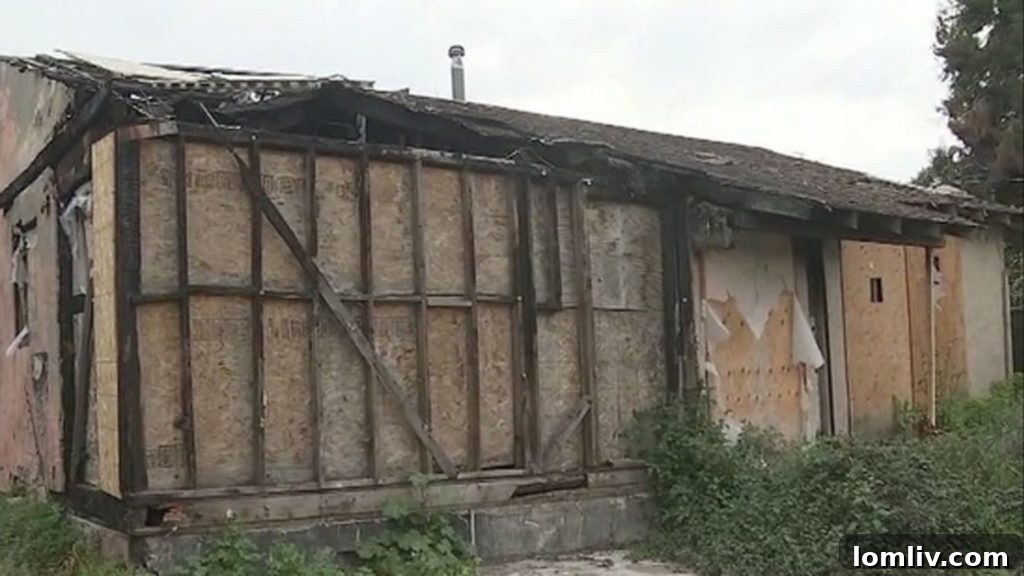
In the heart of California’s Silicon Valley, a region synonymous with technological innovation, immense wealth, and groundbreaking startups, an astonishing real estate transaction recently captured national attention. A property in San Jose’s desirable Willow Glen neighborhood – not a pristine mansion, nor a charming family home, but rather a burned-out shell of a house – was listed for an eye-watering $800,000. What’s even more remarkable? It sold for a staggering $938,000, significantly above its asking price. This incident is not just an isolated anomaly; it serves as a stark, undeniable symbol of the severe housing crisis and profound wealth disparity gripping one of the world’s most economically powerful regions.
The Willow Glen Anomaly: A Case Study in Extreme Land Value
The property in question, located at 1375 Bird Avenue in San Jose, California, represented the epitome of a “tear-down.” The structure itself was uninhabitable, a testament to what was once a home now reduced to ashes and debris. Yet, its listing price of $800,000 ignited widespread outrage and disbelief across social media platforms. People questioned how such a damaged property could command such an exorbitant sum, especially in a market where even intact homes are financially out of reach for most. The final sale price of $938,000, nearly $138,000 over the initial asking price, further intensified the debate, demonstrating the ferocious competition for real estate in this coveted locale. Intriguingly, Zillow’s “Zestimate” had appraised the property even higher, at an astonishing $1,028,696, hinting at the immense underlying value perceived by the market.
Unpacking Silicon Valley’s Unprecedented Housing Paradox
Silicon Valley stands as a global beacon of innovation, attracting top talent and generating billions in wealth annually. Companies like Apple, Google, and Meta have created a vibrant ecosystem of high-paying jobs, drawing individuals from across the globe. However, this economic boom has created a severe imbalance in the local housing market. Housing affordability in California, particularly in the Bay Area, has plummeted to alarming levels. For perspective, recent reports suggest that to comfortably afford a median-priced home in this region, a household needs to earn at least $333,000 annually. Even for a condominium, the barrier remains high, requiring an income of at least $176,000 per year. For the vast majority of professionals, including essential workers, teachers, and healthcare providers, these figures place homeownership firmly in the realm of an unattainable dream. Affordable homes are truly as rare as ice in this competitive real estate landscape, pushing many to the fringes or out of the region entirely.
The Roots of the Crisis: A Perfect Storm of Factors
The extreme conditions of the Silicon Valley housing market are a confluence of several powerful factors. Primarily, the explosive growth of the tech industry has led to a massive influx of high-income earners, creating unprecedented demand for housing. However, the supply has simply failed to keep pace. Geographical constraints, such as the San Francisco Bay and surrounding mountains, limit the available land for development. More critically, stringent zoning laws, lengthy and complex permitting processes, and strong “Not In My Backyard” (NIMBY) sentiments from existing residents often prevent the construction of new, denser housing developments. This bottleneck in supply, coupled with relentless demand and a global appetite for real estate investment in a stable market, has driven property values to stratospheric levels. The concentration of wealth into the hands of a select few has further exacerbated this issue, creating a scenario where middle-class living and the prospect of homeownership have been all but obliterated for many long-term residents and aspiring newcomers.
Public Outcry and the Stark Reality of Inequality
The public reaction to the Willow Glen burned-out house sale was swift and visceral. Online forums and social media platforms were flooded with comments expressing outrage, frustration, and a deep sense of injustice. As Cally Jayne eloquently put it, “800k for that…. What has this area come to when a family earning good money cannot even afford to buy even a burnt out wreck? Greed, pure greed from all concerned right here.” Another commentator, Adrian Huang, highlighted the disturbing contrast: “Meanwhile, 10 blocks in any other direction there are homeless encampments every which way you turn!!! I live down the road from this houses property and the land is not bloody worth it! Just goes to show where the Bay Area is now.” These sentiments encapsulate the growing disillusionment among residents who witness extreme wealth existing side-by-side with profound poverty and housing insecurity. The juxtaposition of a nearly million-dollar lot for a burned structure against the backdrop of widespread homelessness serves as a potent reminder of the region’s escalating socio-economic divide.
“800k for that…. What has this area come to when a family earning good money cannot even afford to buy even a burnt out wreck,” Cally Jayne wrote. “Greed, pure greed from all concerned right here.”
“Meanwhile, 10 blocks in any other direction there are homeless encampments every which way you turn!!! I live down the road from this houses property and the land is not bloody worth it! Just goes to show where the Bay Area is now,” Adrian Huang said.
The “Land Value” Premium: Why a Burned House is Still Gold
Understanding why a property like the one on Bird Avenue commands such a high price requires shifting focus from the structure to the land itself. In desirable areas of Silicon Valley like Willow Glen, the value is almost entirely in the dirt beneath the house, not the house itself. A 5,850 square-foot lot in a prime San Jose location is considered a valuable asset, regardless of the condition of what sits on it. For developers and affluent buyers, a burned-out property is essentially a blank canvas – an opportunity to tear down the existing, unsalvageable structure and build a brand-new, custom-designed luxury home. The costs of demolition are negligible when compared to the potential appreciation and resale value of a newly constructed residence in a highly sought-after neighborhood. Factors such as proximity to top-rated schools, short commutes to major tech campuses, and access to upscale amenities further inflate this land premium, making it a lucrative investment for those with the capital to capitalize on the region’s enduring growth.
The Exodus: Californians Cashing Out and Seeking Affordability
For many middle-class Californians and even some tech workers weary of the exorbitant cost of living, the only viable option left is to “cash out” their equity and relocate to more affordable regions. This trend has seen a significant number of residents moving out of state to cities where their hard-earned money stretches considerably further. Places like Dallas/Fort Worth, Austin, Boise, and Phoenix have become popular destinations, offering significantly lower housing prices and a more accessible lifestyle. What might buy a small, older home in the Bay Area could afford a much larger, newer property, often mortgage-free, in these emerging markets. While this mass exodus provides financial relief for those who leave, it also raises concerns about a “brain drain” and a potential reduction in the socio-economic diversity of California’s workforce. The ongoing housing crisis is not just a real estate problem; it’s a profound societal challenge impacting the very fabric of California’s communities.
Navigating the Future: Challenges and Potential Pathways
Addressing the complex housing crisis in Silicon Valley and across California demands multifaceted solutions. Policy considerations must include significant zoning reforms to allow for increased housing density, particularly near transit hubs and employment centers. Streamlining the permitting and approval processes for new construction can also help accelerate the supply of homes. Furthermore, robust investment in affordable housing projects, subsidized housing initiatives, and programs designed to protect vulnerable populations are crucial. The challenge lies in balancing the need for more housing with the desire to preserve community character and environmental sustainability. Without decisive action, the extreme market conditions exemplified by the burned-out Willow Glen home will continue to fuel inequality, stifle economic mobility for many, and ultimately reshape the demographic and economic landscape of this globally significant region.
Conclusion: A Symbol of Silicon Valley’s Paradox
The sale of a burned-out house for nearly a million dollars in San Jose’s Willow Glen neighborhood stands as a poignant symbol of Silicon Valley’s profound paradox. It encapsulates a region of unparalleled innovation and immense wealth, yet simultaneously grappling with an severe housing crisis, extreme unaffordability, and escalating wealth inequality. The story of this property underscores a critical reality: in Silicon Valley, the land itself, even when scarred by disaster, holds extraordinary value, reflecting the relentless demand and limited supply that define its unique real estate market. This transaction is a powerful reminder that while technology continues to push the boundaries of human achievement, the fundamental human need for affordable shelter remains an increasingly elusive dream for many in the heart of the tech world.