Every housing market has its fair share of “ugly ducklings”—homes that possess immense potential but are often overlooked due to their less-than-stellar aesthetics. These properties, while structurally sound and often situated in desirable locations, suffer from dated designs, awkward layouts, and a general lack of curb appeal that makes them sit longer on the market. Far from being hopeless, these homes represent a golden opportunity for discerning buyers and visionary architects alike to create something truly special.
Renowned architect Wilson Fuqua offers a compelling perspective, suggesting that many of these crooked, flawed houses simply need a figurative set of “braces.” Much like orthodontic work re-aligns teeth to reveal a beautiful smile, architectural intervention can re-align and enhance the inherent good qualities of a home, transforming it from an overlooked property into a neighborhood gem that stands the test of time.
Unveiling the Hidden Charm: The Architect’s Vision for Dated Properties
Fuqua’s unique philosophy centers on the belief that beauty can be found in unexpected places. He challenges the common perception that older, aesthetically challenged homes are beyond repair, instead seeing them as canvases ripe for imaginative transformation. The secret lies not in tearing down and rebuilding, but in intelligently identifying core strengths and strategically addressing weaknesses through thoughtful design. This approach allows for the preservation of existing character while infusing modern functionality and style.
The journey from awkward to elegant begins with understanding what makes these homes “ugly” in the first place, and then applying targeted solutions. This process requires a keen eye for detail, an understanding of various architectural styles, and a modern sensibility to bridge the gap between past and present, creating a cohesive and inviting living space.
Identifying the “Ugly Ducklings”: Common Characteristics of Overlooked Homes
Architect Wilson Fuqua eloquently describes the characteristics of these homes, painting a vivid picture that many potential homeowners and real estate professionals will recognize:
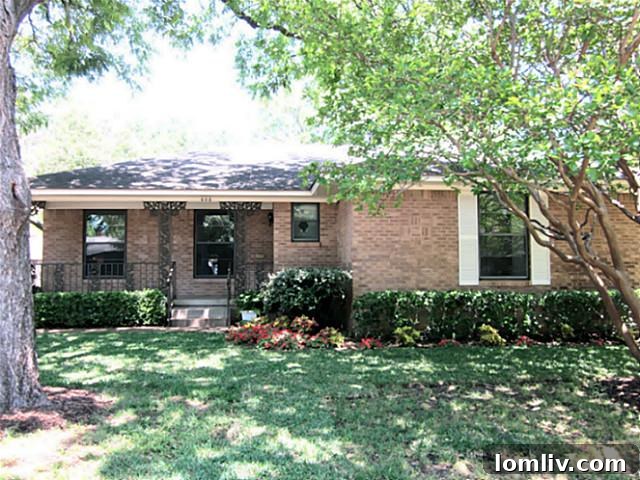
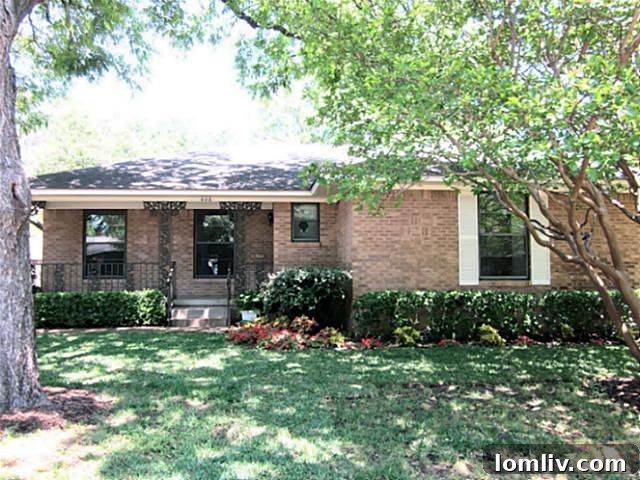
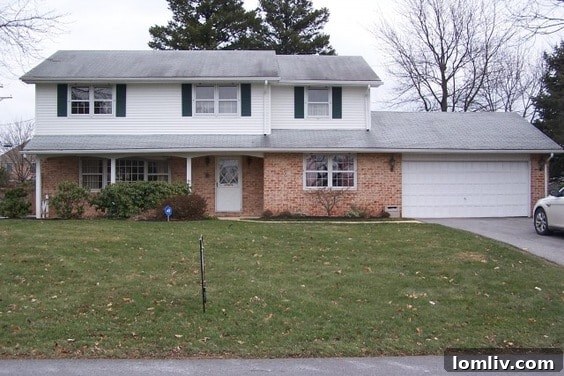
Some houses are like children and need braces to correct their crooked teeth. These houses are everywhere. You know the kind: They have bright orange, used brick, with a faux colonial door surround, odd-sized windows that don’t quite line up with dormers bigger than Texas. They were not brilliant when they were built, daughters of the 60s, 70s, or 80s. So they sit, and sit, and sit on the market with good location, but just awkward, a little nerdy. Often these houses are too expensive to tear down, but lower than the market square footage price.
Just rethink some awkward design moments on the front: redo a porch or door surround, point and paint ugly brick, re-landscape and move a few walls, open up, reallocate space for better enjoyment. Take out the cheap built ins, stair rails, cabinets, counters, tiles.
Fuqua’s analogy perfectly captures the essence of these properties. They are often products of specific eras—the 1960s, 1970s, or 1980s—when certain architectural trends or, at times, a lack of cohesive design, resulted in aesthetics that haven’t aged gracefully. Characteristics like garish “bright orange” used brick, disproportionate faux colonial door surrounds, and windows that seem randomly placed or misaligned with oversized dormers are common culprits that contribute to a visually unappealing exterior.
These homes frequently suffer from a lack of cohesive design, where individual elements are mismatched or poorly executed. Dormers that are “bigger than Texas” aptly illustrate a common issue of scale and proportion being overlooked, leading to an unbalanced and visually jarring facade. While their locations might be excellent—a prime factor for real estate value—their aesthetic shortcomings make them difficult to sell. Buyers frequently pass them over, deterred by the visual challenges and the perceived cost of renovation, despite their comparatively lower price per square foot compared to newer or already updated homes. This creates a unique market niche for those with vision.
The Architectural Prescription: Strategic Interventions for Dramatic Change
The beauty of Fuqua’s “braces” approach lies in its strategic nature. Rather than a complete overhaul, it focuses on targeted, high-impact changes that unlock a home’s full potential. This involves a thoughtful blend of exterior enhancements and interior spatial reconfigurations, carefully planned to maximize both aesthetic appeal and functional utility.
Exterior Transformation: Enhancing Curb Appeal and First Impressions
The facade is the first impression a home makes, and it’s often where the most significant “awkward moments” occur. An architect can completely reimagine this space, turning a drab exterior into a captivating one:
- Entryway and Porch Redesign: A dated, undersized, or poorly designed porch and door surround can be replaced with a welcoming, appropriately scaled, and aesthetically pleasing entry. This might involve expanding the porch, updating columns, adding thoughtful lighting, and installing a new, stylish front door that complements the home’s revised character and architectural style.
- Brick and Siding Revitalization: “Ugly brick” doesn’t necessarily mean replacement. Techniques like limewashing, painting, or re-pointing can dramatically transform the texture and color of brick, giving it a fresh, modern, or classic look. Combining updated brickwork with new siding materials (e.g., natural wood, fiber cement, or stucco) can completely alter the home’s architectural style and overall appeal, making it unrecognizable in the best way.
- Window and Roofline Harmony: Mismatched or oddly sized windows can be a major aesthetic flaw that diminishes a home’s curb appeal. An architect can propose new window placements, sizes, and styles that not only improve natural light and ventilation but also create visual symmetry and balance across the facade. Dormers, if present, can be resized or redesigned to integrate seamlessly with the roofline, correcting the “bigger than Texas” problem and enhancing the home’s overall proportions and architectural integrity.
- Professional Landscaping: Beyond structural changes, thoughtful landscaping plays a pivotal role in tying the exterior together and elevating the home’s presence. Strategic planting, new walkways, updated driveways, and the creation of inviting outdoor living spaces can soften architectural lines, add vibrant color and texture, and significantly boost curb appeal. This creates a cohesive and inviting environment that beautifully frames the newly transformed home, offering an immediate sense of arrival and welcome.
Interior Reimagination: Optimizing Space, Flow, and Functionality
While the exterior draws people in, the interior seals the deal and determines the daily living experience. Many homes from the 60s, 70s, and 80s suffer from compartmentalized layouts, a lack of natural light, and dated finishes. Fuqua’s advice to “move a few walls, open up, reallocate space for better enjoyment” is key to modernizing these interiors and making them suitable for contemporary living:
- Open-Concept Living: Removing non-load-bearing walls can create expansive, open-concept living, dining, and kitchen areas. This enhances natural light flow, improves connectivity between spaces, and better suits contemporary lifestyles focused on family interaction and entertaining. An architect ensures structural integrity is maintained while achieving this open, airy feel.
- Spatial Reallocation: Awkward rooms or underutilized spaces can be reimagined to serve modern needs. A formal dining room might become a much-needed home office or library, a small, enclosed kitchen can be expanded into an eat-in kitchen with a central island, or unused attic space can be converted into a functional bedroom, recreation area, or even a serene master suite. The goal is to maximize every square foot for modern living and comfort.
- Updating Finishes and Fixtures: Fuqua highlights the importance of removing “cheap built-ins, stair rails, cabinets, counters, tiles.” This speaks to the heart of interior refreshment and value creation. Replacing outdated cabinetry, laminate countertops, worn-out flooring, and clunky stair rails with high-quality, contemporary materials (e.g., custom cabinetry, quartz or granite counters, hardwood floors, modern tiles, sleek metal or glass stair balustrades) instantly elevates the home’s aesthetic, perceived value, and overall living experience.
- Enhancing Natural Light: Beyond simply opening up layouts, an architect can strategically add larger windows, skylights, or even glass doors to introduce more natural light throughout the home. This not only makes spaces feel brighter and more expansive but also creates a more positive and inviting atmosphere, reducing reliance on artificial lighting during the day.
The Indispensable Role of the Architect in Home Transformation
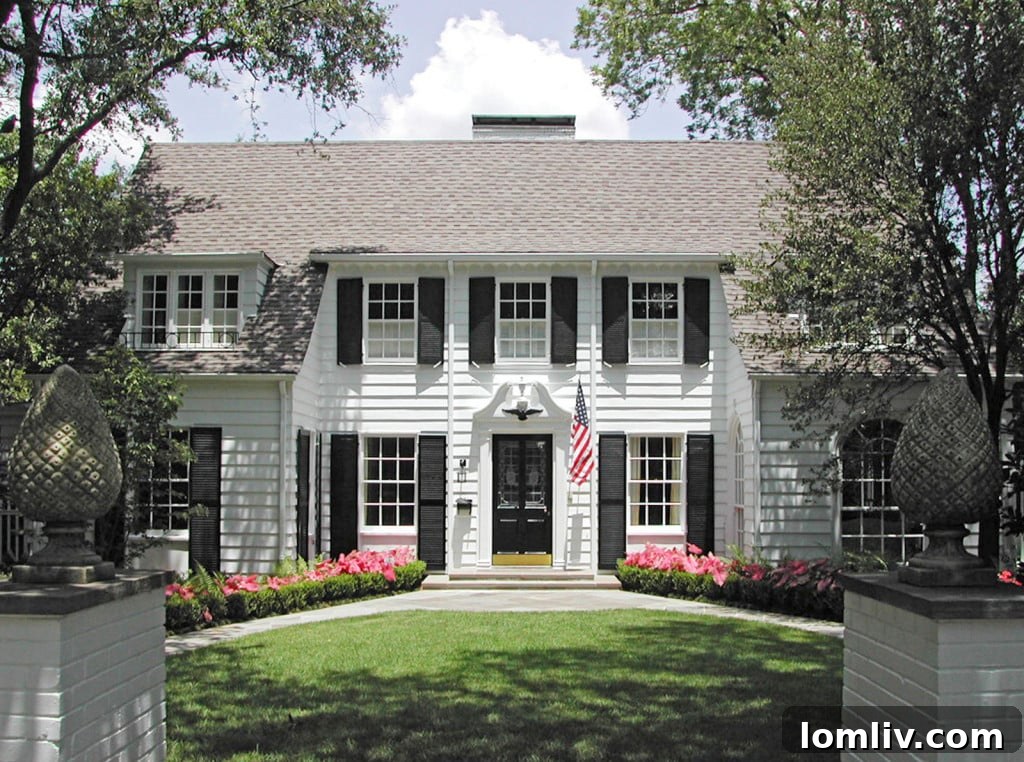
The transformation of an “ugly duckling” into a “beauty queen” is not merely a cosmetic endeavor; it is a complex process that requires professional expertise, strategic planning, and creative vision. An architect like Wilson Fuqua brings invaluable skills to the table, making them an indispensable partner in any significant home renovation:
- Visionary Design: Architects possess the unique ability to see beyond the current flaws and envision a home’s ultimate potential. They can identify the underlying structure, understand how different elements interact, and propose a cohesive design language that ties everything together, often revealing possibilities the homeowner never imagined.
- Technical Expertise and Compliance: From understanding structural loads and engineering requirements to navigating complex zoning regulations, building codes, and environmental considerations, an architect ensures that all proposed changes are not only aesthetically pleasing but also safe, compliant, and structurally sound. They translate creative ideas into detailed, buildable plans that contractors can execute precisely.
- Problem-Solving and Innovation: Renovation projects, especially with older homes, often uncover unexpected challenges. An architect is adept at problem-solving, finding creative, efficient, and cost-effective solutions to unforeseen issues that may arise during the design and construction process, minimizing delays and budget overruns.
- Value Enhancement and ROI: A well-designed architectural renovation significantly boosts property value, offering an excellent return on investment (ROI). The improvements go beyond superficial fixes, adding true intrinsic value, desirability, and functionality to the home, making it more attractive to future buyers should you choose to sell.
- Project Management and Oversight: Many architects also play a crucial role in project oversight, helping clients select reputable contractors, managing timelines and budgets, coordinating with various trades, and ensuring the renovation adheres strictly to the design vision and quality standards from conception to completion.
Investing in Potential: The Rewards of Architectural Renovation
Choosing to invest in an architectural renovation of a dated property, rather than simply opting for a move-in ready home, offers numerous compelling advantages. It provides the unique opportunity to create a truly personalized living space that perfectly matches your lifestyle, aesthetic preferences, and family needs. It’s also often a more financially savvy decision, as these properties are typically acquired at a lower price point, allowing budget for significant upgrades that can yield substantial equity growth and a superior return on investment.
The satisfaction of seeing a neglected house transformed into a cherished home, reflecting your taste and an architect’s brilliant vision, is immeasurable. It demonstrates that with the right perspective, strategic planning, and professional guidance, every “awkward” house, no matter how humble its beginnings, has the profound potential to become a beautiful, functional, and immensely valuable asset, providing joy and comfort for years to come.
Indeed, the “magic of an architect” turns overlooked potential into stunning reality. Thank you, Wilson Fuqua, for sharing your insightful perspective and inspiring us all to see the latent beauty and endless possibilities in every home, encouraging a mindset of transformation rather than replacement.