The Oak Cliff Gateway Rezoning: Navigating Progress and Preserving Character in North Oak Cliff
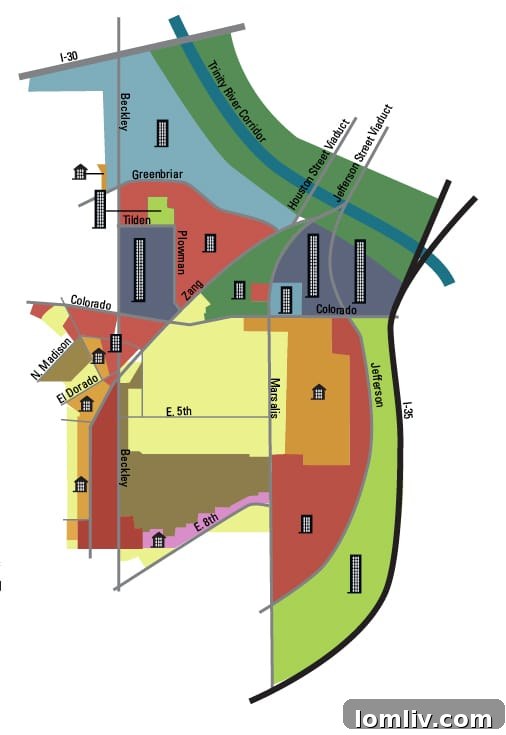
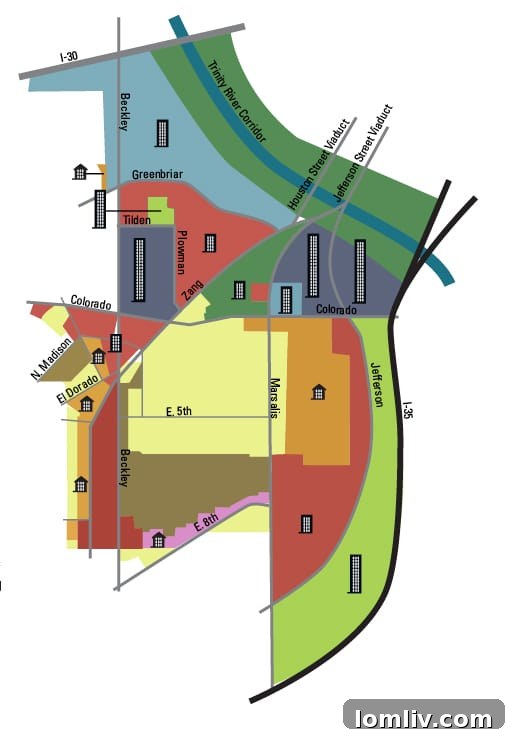
The vibrant urban landscape of Dallas is in constant flux, but few proposals have sparked as much widespread discussion and anticipation as the Oak Cliff Gateway rezoning plan. Hailed as one of the most ambitious and comprehensive rezoning efforts in the city’s history, this initiative represents a multi-year endeavor meticulously crafted to revitalize and enhance the public face of North Oak Cliff. The overarching vision behind the Gateway plan is to transform key corridors and neighborhoods, aiming to foster robust economic growth, introduce modern infrastructure, and cultivate an even more dynamic and vibrant community atmosphere. It’s a strategic and substantial undertaking designed to “polish and brighten” a district that holds immense historical significance, unique cultural charm, and a deeply rooted community identity.
However, like many large-scale urban development projects, the Oak Cliff Gateway proposal is far from universally embraced and comes laden with its own set of complexities and criticisms. While its proponents envision a modernized and prosperous future for North Oak Cliff, a significant segment of the community—including influential preservationist groups and long-term residents—harbors deep concerns. The core of the ongoing debate centers on how best to achieve progress and economic upliftment without inadvertently sacrificing the distinctive character, architectural heritage, and community spirit that collectively make Oak Cliff such a cherished and desirable place to live, work, and visit.
The Ambitious Vision for North Oak Cliff’s Future
At its heart, the Oak Cliff Gateway rezoning seeks to introduce nearly 900 new development regulations, which will profoundly impact a substantial portion of North Oak Cliff. These comprehensive regulations are meticulously designed to guide and control future development, dictating everything from acceptable building heights, specific land use designations, and permissible population density, to crucial architectural and urban design standards. The overarching goal, as frequently articulated by city planners and officials, is to stimulate significant economic development, attract a new influx of businesses and residents, and ultimately create more pedestrian-friendly, accessible, and aesthetically pleasing urban environments. Supporters of the plan consistently highlight the potential for increased property values, the introduction of improved amenities, and a stronger, more resilient tax base as key, tangible benefits that such extensive rezoning can deliver.
For many years, North Oak Cliff has been celebrated and recognized for its eclectic and captivating mix of historic homes, thriving independent businesses, and a burgeoning arts and cultural scene. The area’s truly unique charm emanates from its mature, tree-lined streets, its wonderfully diverse architectural styles spanning several eras, and a palpable sense of tight-knit community that many fear could be irrevocably diluted or even erased by rapid, unchecked, or insensitive development. The Gateway plan, therefore, represents a critical juncture for North Oak Cliff – a moment where the city must carefully and thoughtfully decide how to successfully balance its ambitious aspirations for future growth and modernization with its unwavering commitment to preserving its rich, irreplaceable past and distinct identity.
Community Concerns: Lessons from Past Development Experiences
Despite the clearly articulated and often well-intentioned goals of the Gateway plan, a considerable number of residents and local organizations remain skeptical. Their skepticism is not unfounded; it often stems from direct experiences with previous development projects that have left an indelible and sometimes negative mark on the community. A primary concern, frequently and vociferously voiced by the Old Oak Cliff Conservation League (OOCCL), revolves specifically around the proposed plan’s perceived “lack of building standards.” This apprehension is not merely academic or theoretical; it draws directly from tangible, real-world examples observed within the neighborhood itself.
A frequently cited case that illustrates these concerns is the new Magnolia apartments. While recognized as a modern and functional development in its own right, the OOCCL and a substantial number of residents argue emphatically that its architectural style and sheer scale are “completely out of character” with the established historical and aesthetic fabric of the beloved Bishop Arts District. Such developments, they contend, possess the potential to severely disrupt the visual harmony and historical integrity of a neighborhood, creating a jarring, incongruous juxtaposition that ultimately diminishes its overall charm and appeal. The overarching fear is that the Gateway plan, if implemented without robust, specific, and context-sensitive design guidelines, could inadvertently pave the way for similar developments that prioritize density, modernity, and profit margins over contextual appropriateness and respect for historical continuity.
Furthermore, the community collectively carries the memory and lessons learned from the previous Bishop/Davis rezoning. This earlier rezoning effort, while undoubtedly intended to improve and modernize the area, reportedly introduced several significant flaws and unintended consequences that, to date, have yet to be adequately addressed, leaving many long-standing residents feeling “burned” and disillusioned. The lessons gleaned from Bishop/Davis underscore a deeper, more pervasive mistrust regarding how new regulations are ultimately implemented, and whether genuine community input is truly valued and integrated into the final planning documents. Residents voice legitimate worries that if past mistakes are not thoroughly acknowledged, rectified, or sufficiently learned from, the ambitious Gateway rezoning could regrettably repeat these errors. This could lead to a cascade of unintended negative consequences, such as exacerbated traffic congestion, increased strain on already stretched existing infrastructure, or, most distressingly, the displacement of long-standing businesses and multi-generational residents due to rapidly rising property values and rents – a phenomenon commonly and critically referred to as gentrification.
The Delicate Balance: Redevelopment with Thoughtful Consideration
Oak Cliff, in many profound respects, serves as a quintessential case study in the inherent complexities of contemporary urban redevelopment. It’s an area where the undeniable desire for progress and modernization must be meticulously balanced with a profound and unwavering respect for its existing charm, distinctive character, and deeply ingrained community spirit. The rhetorical question frequently posed by many stakeholders isn’t simply whether Oak Cliff should evolve or remain stagnant, but rather, “What will these new development regulations genuinely do to an area that passionately wants to maintain its own unique feel, preserve its inherent character, and uphold some of the intangible charm that collectively makes Oak Cliff such an exceptional and beloved place to live?”
Maintaining the distinctive “feel” of Oak Cliff intrinsically involves protecting its unique streetscapes, actively supporting its diverse array of local businesses, and consciously fostering its strong, interconnected sense of neighborhood identity. The “character” of the area is vividly embodied in its incredibly diverse architecture, its vibrant artistic scene, and its rich, layered history as a melting pot of various cultures and communities. The elusive “charm” often refers to those intangible, qualitative attributes that irresistibly attract people to the area – its inherent walkability, its lively community events, and its genuinely welcoming, inclusive atmosphere. Preservationists and deeply concerned citizens advocate passionately for a comprehensive framework that actively encourages thoughtful, context-sensitive development, ensuring that any new projects integrate seamlessly and harmoniously into the existing urban fabric, rather than overshadowing, isolating, or erasing the precious existing landscape.
For a deeper and more nuanced dive into the historical context and the potential long-term implications of such significant changes, evocative articles like “A Farewell to the ‘Oak Cliff Oh'” from The Advocate offer poignant insights into the community’s perspective on the inevitable march of change. Such narratives often reflect a lament for aspects of the past that might be irrevocably lost amidst the relentless push for rapid modernization. Furthermore, a comprehensive understanding of the complex trajectory of Oak Cliff’s development necessitates examining its extensive history through valuable resources like an extensive timeline of Oak Cliff’s redevelopment, which meticulously details key milestones, previous zoning battles, and even preliminary information pertaining to the Gateway rezoning itself. These resources are crucial for anyone seeking to grasp the full scope of the present debate.
Preservationists Propose Alternative Incentives for Sustainable Growth
While the overall Oak Cliff Gateway plan may, from a high-level planning perspective, appear to be a thoroughly considered and well-intentioned proposal, the significant disagreements voiced by influential preservationist groups clearly highlight critical areas where improvements and adjustments are desperately needed. Recognizing the inherent challenges of effectively balancing future development with crucial historic preservation, the Old Oak Cliff Conservation League (OOCCL) has taken proactive and constructive steps. Just recently, they put forth a comprehensive and thoughtfully developed list of economic incentives specifically designed to encourage and facilitate the preservation of existing structures within the Oak Cliff Gateway. Their detailed proposal is not intended to arbitrarily halt all development but rather to strategically steer it towards more responsible, context-sensitive, and historically respectful outcomes.
The core philosophy underpinning these proposed incentives is to make the act of preservation not only culturally desirable but also economically viable and genuinely attractive for property owners and developers. All too often, the renovation, restoration, or ongoing maintenance of historic buildings can be significantly more costly, complex, and time-consuming than constructing an entirely new building from the ground up. By offering tangible, practical benefits, the OOCCL hopes to proactively encourage developers and property owners to prioritize the retention, adaptation, and sensitive reuse of existing structures, thereby actively preserving the invaluable architectural heritage and the unique streetscape character of North Oak Cliff. Their comprehensive proposal meticulously outlined five key recommendations, each designed to address specific challenges and promote sustainable, preservation-minded development:
Key Proposals from the Old Oak Cliff Conservation League:
- Advocate 100% reduction in parking requirements for retail/office uses in Legacy Structures: This crucial incentive aims to significantly alleviate one of the biggest financial and logistical burdens faced by businesses operating within older, historically significant buildings. Traditional main streets and historic districts, by their very nature, often feature limited space for modern, expansive parking requirements. By completely eliminating this mandate for retail and office spaces specifically within “Legacy Structures” (a term likely referring to historically or architecturally significant buildings), the OOCCL seeks to make these properties substantially more appealing and financially feasible for businesses, thereby encouraging their continued occupation, vitality, and preservation. This proposal shrewdly acknowledges that patrons of such establishments often utilize public transportation, choose to walk or bike, or that innovative shared parking arrangements can be far more practical and sustainable than demanding individual, expansive parking lots that detract from urban design.
- Advocate 50% reduction in parking requirements for residential uses in Legacy Structures: Similar to the rationale for commercial uses, reducing burdensome parking mandates for residential properties situated within historic buildings directly addresses the practical and physical constraints inherent in older urban designs. Many historic residential structures were originally constructed long before the widespread adoption of personal automobiles, and attempting to retrofit them with extensive, modern parking solutions can be either prohibitively expensive or physically impossible without severely altering the building’s historical integrity and aesthetic. This significant reduction would make it considerably more viable and attractive to convert or maintain residential units within legacy buildings, thus contributing to diverse housing options while simultaneously respecting and preserving the original historical footprints and character.
- Advocate Conditional Use Permits (CUPs) for restaurants, offices, and retail located in City of Dallas Landmarks across any area of the Gateway: Conditional Use Permits (CUPs) provide essential flexibility within zoning regulations by allowing specific land uses in a given zoning district that would otherwise be prohibited, provided that certain predetermined conditions and criteria are rigorously met. Advocating for CUPs for commercial entities situated within designated City of Dallas Landmarks ensures that these vital economic activities can indeed occur, but critically, under the careful scrutiny and oversight of city planning, thereby ensuring their compatibility with the landmark’s historical significance and the character of the surrounding area. This strategic measure aims to vigorously encourage the adaptive reuse of precious landmarks, breathing new economic and social life into them while concurrently safeguarding their irreplaceable heritage.
- Advocate Conditional Use Permits (CUPs) for Bed and Breakfasts (B&Bs) in City of Dallas Landmarks or National Register properties within any area of the Gateway: Bed and breakfasts are frequently regarded as an ideal form of adaptive reuse for historic residential properties, offering a unique, charming visitor experience that perfectly complements the character and allure of a historic district. By advocating for CUPs specifically for B&Bs in City of Dallas Landmarks or National Register properties, the OOCCL aims to incentivize both the preservation and the intelligent economic utilization of these irreplaceable structures. This approach allows for a controlled and managed integration of tourism-related businesses that can generate much-needed revenue for ongoing maintenance and upkeep, all without compromising the fundamental residential feel and integrity of the neighborhood.
- Remove the Lancaster Commercial National Register Historic District from the Gateway or cap the height at 2-stories: This specific proposal is arguably one of the most direct, impactful, and urgent concerning physical development within the Gateway. The Lancaster Commercial National Register Historic District is a federally recognized area, lauded for its exceptional historical significance. Removing it entirely from the broader Gateway rezoning would effectively allow it to continue operating under its existing, presumably stricter and more protective, historic district guidelines, thus shielding it from potentially incompatible or harmful new Gateway regulations. Alternatively, capping building heights at a maximum of two stories within this district ensures that any new construction or significant redevelopment remains proportionate and harmonious with the existing historical structures, effectively preventing “shadowing” or overwhelming the district’s distinctive low-rise architectural character. This safeguard is paramount to preserving the visual integrity and the historical scale of a particularly vulnerable and valuable historic area, protecting it for future generations.
The Road Ahead: A Critical Decision for Oak Cliff’s Future
The future trajectory of North Oak Cliff undeniably hangs in the balance as the ambitious Oak Cliff Gateway plan approaches its most crucial stage yet. The comprehensive proposal is anticipated to head to the full Dallas City Council for a definitive vote as soon as next month, marking an absolutely pivotal moment for urban development and historic preservation within the entire city. The weighty decisions that will be rendered by the council members will not only profoundly shape the physical landscape of this exceptionally vibrant district for decades to come, but they will also inevitably set a precedent for how Dallas approaches similar complex redevelopment challenges in other beloved historic neighborhoods across the metropolis.
This is, without question, a case that warrants close, vigilant attention from all stakeholders involved: including long-term residents, dedicated property owners, local businesses, and impassioned preservationists alike. The ultimate outcome of this vote will serve as a clear illustration of the city’s commitment to thoughtful, sustainable growth, its dedication to genuine community engagement, and its mastery of the delicate, complex art of balancing modernization with the irreplaceable, intrinsic value of historical continuity. Engaging proactively with local representatives, diligently attending public meetings, and staying thoroughly informed through trusted community news sources are all absolutely crucial steps for anyone deeply invested in and concerned about the future, character, and prosperity of Oak Cliff.
What Are Your Thoughts on This Ambitious Rezoning Proposal?
The Oak Cliff Gateway rezoning proposal embodies a critical and multifaceted discussion about urban evolution, the very essence of community identity, and the responsible stewardship of invaluable historical assets. As North Oak Cliff stands at this significant crossroads, how do you personally envision its future unfolding? What specific priorities and guiding principles do you believe should direct its development and growth? We invite you to share your insightful thoughts, perspectives, and hopes concerning this ambitious and impactful urban planning initiative.