Unlocking Fair Park’s Future: A Deep Dive into Dallas’s Pivotal Privatization Debate
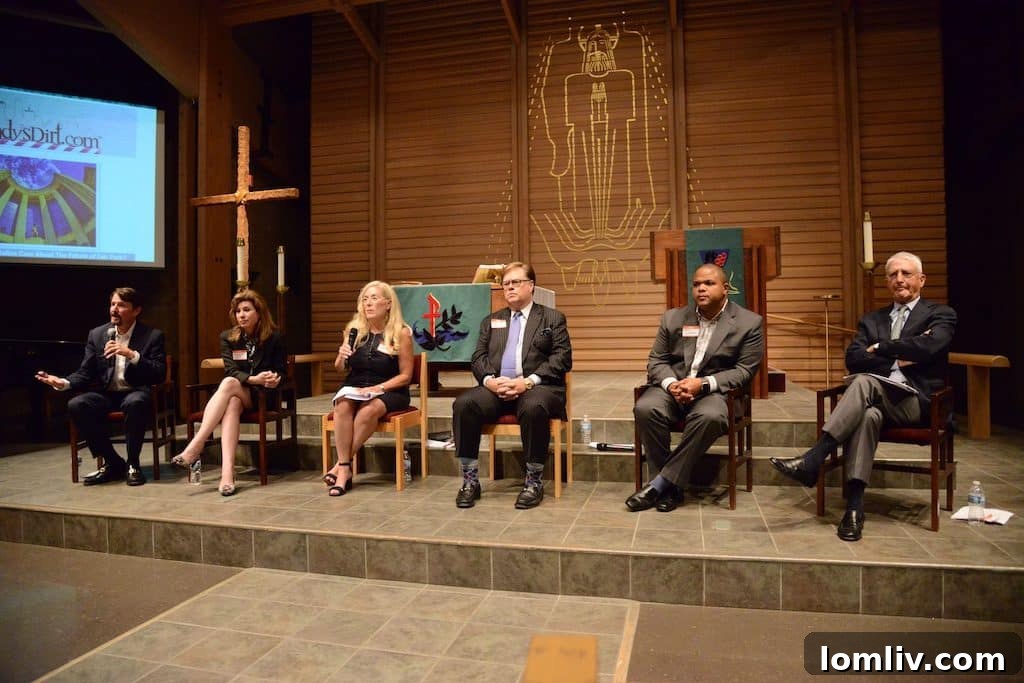
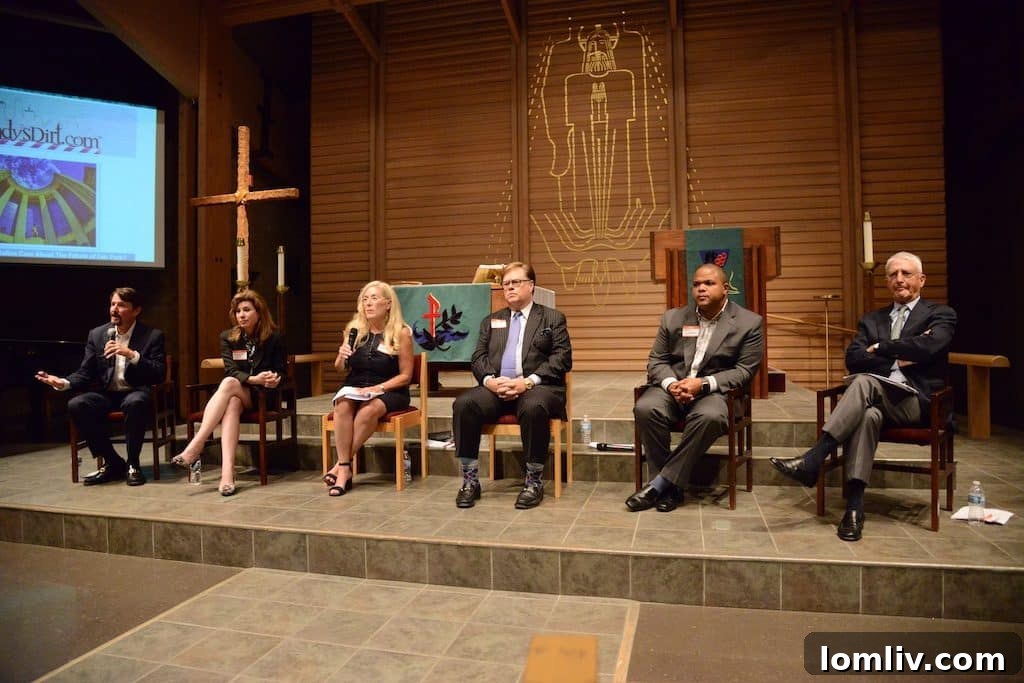
The echoes of Thursday night’s spirited panel discussion about the future of Fair Park lingered long past the scheduled closing time. The audience, still buzzing with questions and differing viewpoints, wished to continue the conversation beyond 9:15 PM. However, to respectfully conclude our gathering at King of Glory Lutheran Church, the discussion was brought to a close with a promise to carry it forward. As promised, CandysDirt.com is dedicated to keeping this vital dialogue alive. We’re pleased to present an OpEd offering a unique perspective from one of our dedicated editors, shedding new light on the complexities surrounding Fair Park’s potential privatization.
The Candy’sDirt.com team, against all odds, orchestrated an exceptional event on Thursday night. They adeptly navigated numerous obstacles, including a last-minute change of venue potentially driven by political motives, to successfully host Decision Fair Park. This crucial open discussion, held at the welcoming King of Glory Lutheran Church, focused on the proposed public/private partnership aimed at managing Fair Park. We extend our sincere gratitude to the resilient community at King of Glory, who stood firm against external pressures and declined requests to cancel the important panel.
As a Lifestylist® and the founder of American Housing Advocates, my professional and personal commitments deeply involve issues of affordable housing and homelessness. Equally important to me is the quality of life that a sprawling 277-acre park, situated so close to downtown Dallas, offers to all residents. The Fair Park Privatization Plan has emerged as a topic of intense debate for anyone who calls Dallas home or holds a vested interest in its future. Like many others, I approached the discussion with preconceived notions. Yet, the profound insights shared during last night’s event reshaped my perspective, intensifying my resolve to actively engage in the critical decisions being made. Allow me to share why you, too, should become involved in shaping Fair Park’s destiny.
The Enduring Legacy of Fair Park: A Dallas Treasure
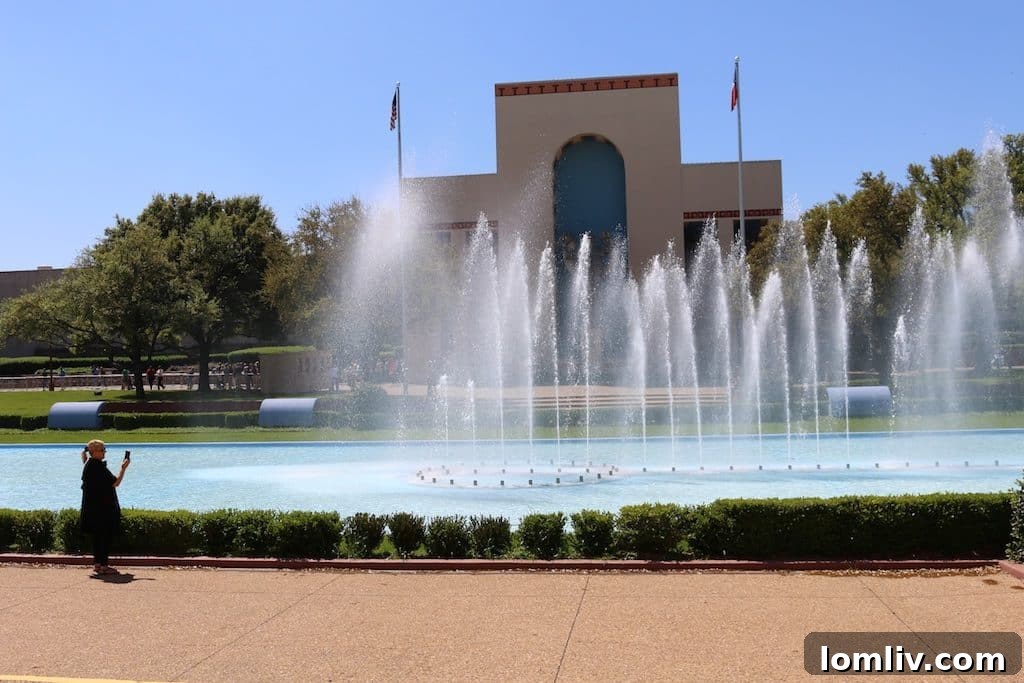
To truly grasp the profound importance of Fair Park to the Dallas community, it’s essential to understand a few key facts that often go overlooked. Fair Park is far more than just the site of the annual State Fair; it’s a dynamic, year-round destination cherished by millions.
Fair Park: A Vibrant Year-Round Community Hub
Contrary to common misconceptions, Fair Park welcomes visitors throughout the year. Last year alone, nearly 2 million people enjoyed its grounds and facilities outside of the State Fair period, underscoring its consistent appeal. The park hosts an impressive roster of over 1,000 events annually, with many of them offered free of charge to the community, fostering accessibility and inclusion. Moreover, the sprawling Fair Park grounds are open to the public every day, from 5 AM to 11 PM, except during the State Fair, and entrance is completely free. This invaluable access provides a cherished green space and recreational area for countless Dallas residents and visitors alike. These figures, directly sourced from the Fair Park website, paint a vivid picture of a bustling community asset, not a “ghost town” as some might suggest.
The State Fair of Texas: A Cornerstone of Community and Economy
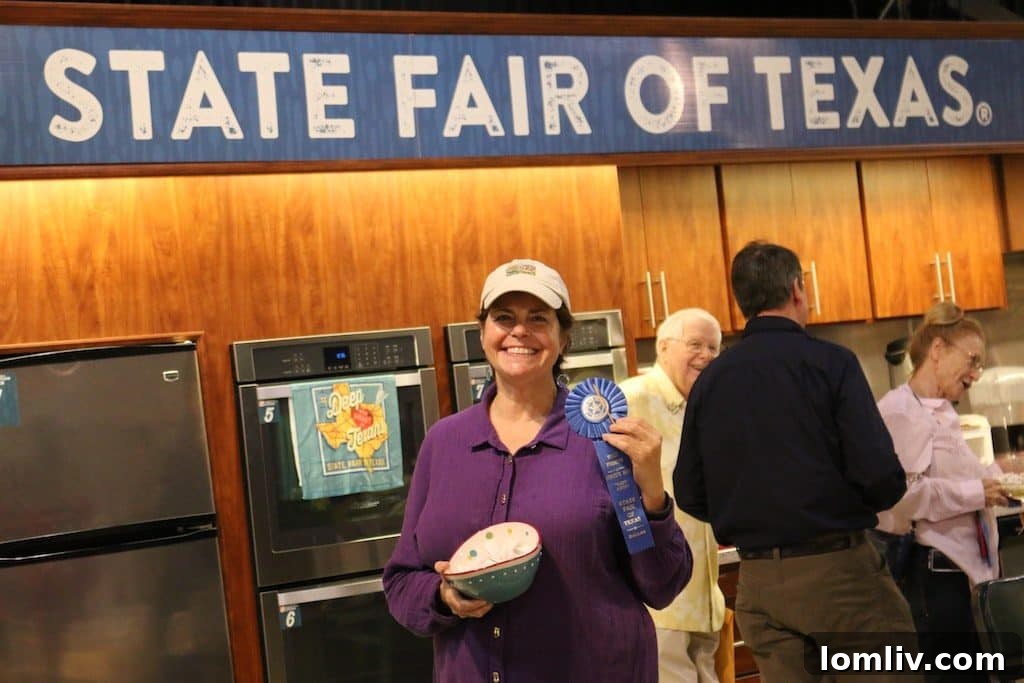
The State Fair of Texas, a behemoth of tradition and economic power, operates as a non-profit organization. Its mission is deeply rooted in benefiting the community, with all proceeds dedicated to the preservation and enhancement of Fair Park. These funds also underwrite crucial museum programs, community initiatives, and scholarship opportunities for inner-city youth and students pursuing careers in agriculture. The fair’s financial contributions have been instrumental in providing essential maintenance for Fair Park’s historic buildings, preventing further decay and ensuring their longevity. In a significant display of community commitment, the State Fair currently donates an astonishing 1.8 million free admission tickets annually to North Texas students and teachers, making the fair accessible to a broader demographic. Economically, the fair is a powerhouse, hiring over 6,000 seasonal employees and generating an economic impact exceeding $600 million for the North Texas region. In 2015 alone, consumers spent over $42 million on coupons, contributing to record attendance figures of more than 3 million visitors. Furthermore, the fair’s impressive social media footprint, with over 127 million impressions last year, highlights its significant role in sharing stories and information not just about the event itself, but also about the vibrant city of Dallas to a global audience.
Personal Connection and Architectural Grandeur

For many, including myself, Fair Park holds a deeply special place in our hearts. It’s where I’ve created countless memories, attending the State Fair with my own children, and now, sharing those cherished experiences with their children. Beyond the fair, it’s a versatile recreational space – perfect for trying out new rollerblades, enjoying a leisurely bike ride, finding a quiet spot to read a book, paddling on the scenic swan boats, or visiting the dedicated Dallas Police Mounted division and admiring their majestic horses. Moreover, Fair Park is a living museum, proudly showcasing the spectacular Art Deco buildings that were originally constructed for the iconic 1936 Texas Centennial Exposition, a true testament to historical grandeur.
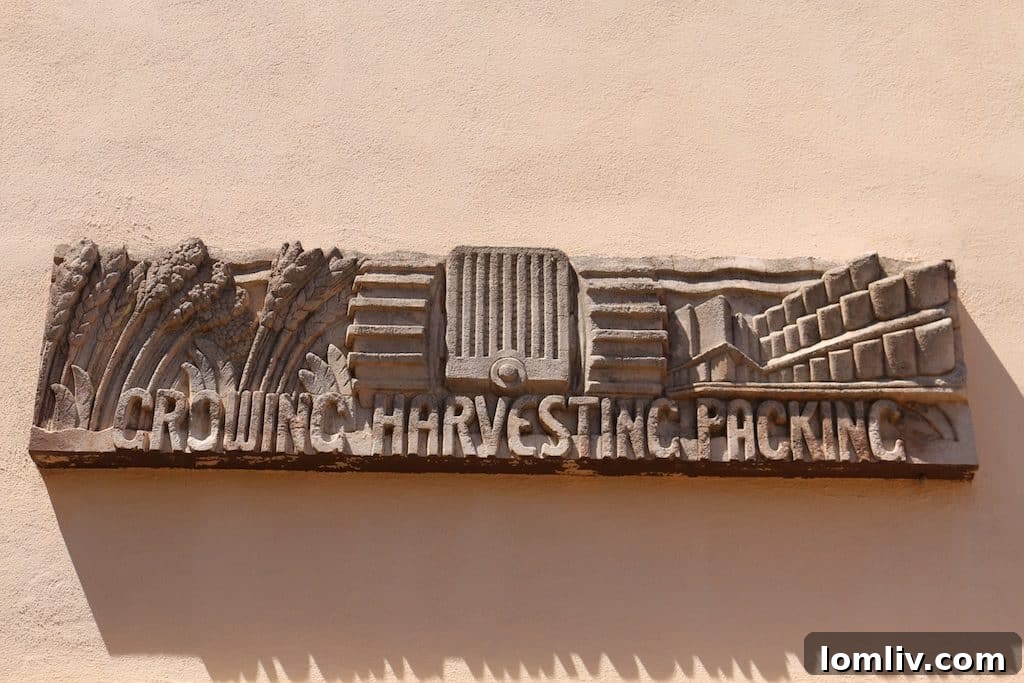
It is an incredible privilege for Dallas to boast the largest collection of Art Deco Buildings in the entire world – a fact that, surprisingly, I only recently discovered, yet it deepens my appreciation for this precious display of architectural heritage even further. These buildings are not merely structures; they are monuments of history and art, demanding careful preservation and thoughtful integration into any future plans for the park.
Navigating the Privatization Debate: Separating Fact from Fiction
Armed with this comprehensive understanding of Fair Park’s intrinsic value, I found myself bewildered by some of the assertions made during Thursday night’s panel discussion. Several panelists claimed that “Fair Park is a ghost town” and that “it’s only open to residents during the fair.” These statements directly contradict the verifiable facts about year-round access and the nearly 2 million annual visitors who enjoy the park outside of the State Fair. Furthermore, concerns were raised regarding a lack of assurance within the proposed Humann agreement that the State Fair would implement changes recommended in a recent City of Dallas audit, which are deemed essential to transform Fair Park into a “viable, year-round, full of life, full of people, full of activities community gathering place.” Another moment of particular concern arose when Mr. Williams was posed the question, “WWTCD” (What Would Trammell Crow Do). Mr. Williams’ response, suggesting Mr. Crow would not “fix an empty business structure,” raised alarm bells. Does this imply a willingness to allow the Fair Park buildings, many of which are proudly listed on the National Historic Landmark Registry, to simply decay and fall into ruin without proper repair and investment?
The Quest for a Concrete Plan: Humann vs. the Alternatives
However, the statement that resonated most profoundly with me occurred when our own Candy asked Don Williams about the alternative plan he had reportedly developed, and how it differed from Walt Humann’s proposal. His candid response was striking: “I don’t have a plan.” Instead, Mr. Williams stated he wished to begin with a conclusion – specifically, that with its two DART stations and expansive 277 acres, Fair Park represents the “single greatest potential economic generator for Southern Dallas for years to come.” This vision, he suggested, could unlock the potential for a staggering $3 billion dollars in real estate development. While all the panelists offered valuable opinions, observations, and insights, it became clear that, at this crucial juncture, only Walt Humann has presented a detailed, actionable “plan.”
In building classes I’ve been involved with, we often discuss the pitfalls of “Field of Dreams Marketing”: the idea that “If you build it, they will come.” The question then becomes, if we gentrify Fair Park, will millennial buyers and other key demographics truly embrace it? There has been immense focus on the imperative of making Fair Park a “public park,” yet the reality is that it already is! It has been demonstrably unrealistic to expect Fair Park to be adequately maintained on the city’s perpetually limited budget. The unfortunate consequence is that even more substantial investment will now be required, not just to bring it back to life, but to elevate it to a position where it can truly thrive as a world-class public asset.
Walt Humann: A Proven Visionary for Dallas’s Future
A Legacy of Progress and Problem-Solving
Prompted by the complexities of the discussion, I decided to delve deeper into the background of Walt Humann and understand his motivation for becoming so deeply involved in restoring Fair Park to a place that we can all not only be immensely proud of, but truly celebrate. A compelling December 1985 article inD Magazineby Ruth Fitzgibbons described him as “an establishment figure who got there the old-fashioned way: through integrity and hard work.” Southern Methodist University (SMU) further lauded his contributions, crediting him with “modernizing life in Dallas” and specifically noting, “Prominent businessman and public servant Walter J. Humann is chiefly recognized for creating the Dallas Area Rapid Transit (DART) system and helping desegregate Dallas schools with vision and skillful diplomacy.”
Walt Humann’s contributions to Dallas extend far beyond his impressive involvement as a business executive. He has consistently dedicated his efforts to resolving many crucial and intractable problems that have plagued our community, ranging from advocating for equality in education to promoting the hiring of the handicapped, and even tackling the daunting task of unclogging the city’s congested freeways. His more recent efforts to address the vexing issues of gridlock on the North Central Expressway earned him near-unanimous praise for an incredibly difficult job, executed with exceptional skill and foresight. It has been famously remarked of Walt Humann that if he were confronted with a scattered army of 50,000 Brazilian fire ants, he would, within a mere half-hour, have them purposefully marching in the same, unified direction.
This remarkable track record and reputation for decisive, effective leadership paints a clear picture of someone deserving of at least a chance to demonstrate what he can achieve with Fair Park. His history of tackling complex civic challenges with integrity and success suggests that his approach to Fair Park is grounded in a genuine desire for positive community impact.
The Path Forward: Trust, Decisions, and Results
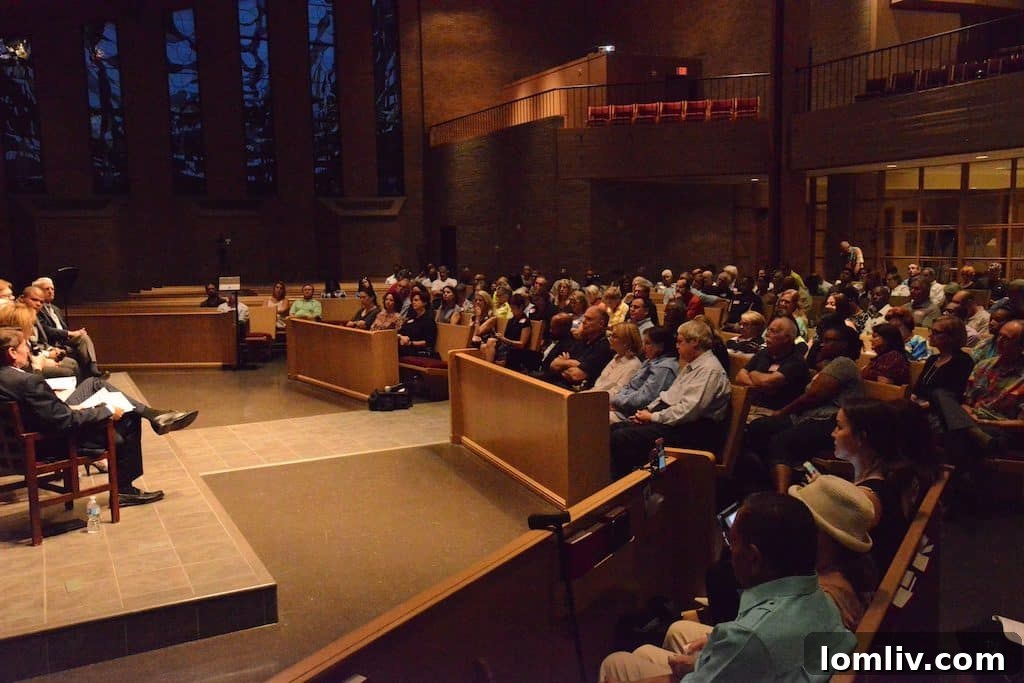
A broad consensus emerged among almost everyone present on Thursday night: the time has come to privatize Fair Park. While the City of Dallas excels at countless civic responsibilities, a governmental framework often presents inherent challenges in securing the necessary funding, attracting private sponsors, and cultivating the public awareness required to elevate Fair Park to a status even grander than its storied past. It’s time to entrust the stewardship of this precious asset to someone capable of making the tough decisions and driving meaningful progress. We elected our mayor, and it was he who specifically requested Mr. Humann to develop this comprehensive plan. I believe we should extend our trust to his judgment. The Park Board, recognizing the gravity of this decision, has already convened more than 46 meetings dedicated solely to discussing the Humann agreement. The community, myself included, is now eagerly anticipating not just further deliberations, but definitive decisions, and more importantly, tangible results that will rejuvenate Fair Park for generations to come.