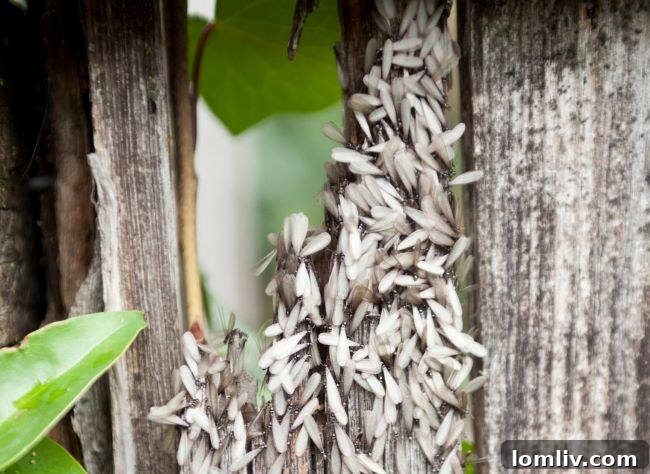
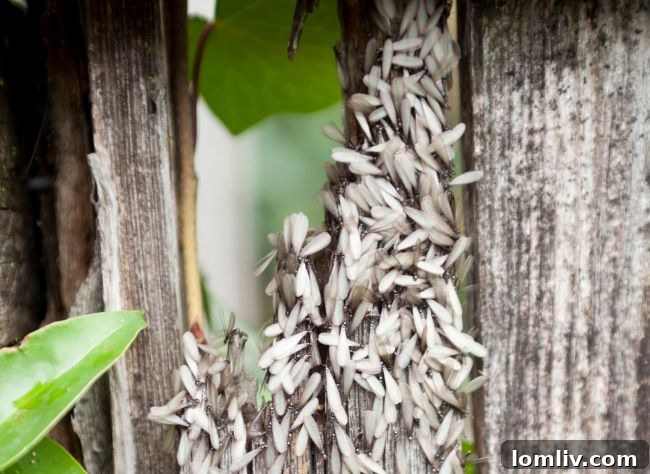
As the vibrant hues of spring paint the landscapes of North Texas, another, less welcome, seasonal phenomenon emerges: termite swarms. While subterranean termites, the most common and destructive species in our region, maintain their relentless activity year-round, spring marks their highly visible reproductive season. This makes it an opportune time for homeowners to confront a critical question: Do I need a termite inspection in North Texas? The unequivocal answer is a resounding yes, especially during this active period.
Termites are not merely a nuisance; they are silent destroyers, capable of inflicting severe and costly structural damage to homes before their presence is even suspected. Annually, these insidious pests cause billions of dollars in damage across the United States, often uninsured. In a region like North Texas, with its conducive climate and abundant wood structures, vigilance against these wood-destroying insects (WDIs) is not just recommended, it’s essential. Understanding the signs of an infestation, both subtle and obvious, and proactively addressing potential risks are crucial steps in safeguarding your most valuable asset—your home.
Why a WDI Inspection is Imperative in North Texas
When purchasing a home in North Texas, a comprehensive home inspection is standard practice. However, it’s equally, if not more, important to include a dedicated Wood-Destroying Insect (WDI) inspection. Often referred to simply as a termite inspection, this specialized assessment goes beyond general home defects to identify current or past infestations by termites, carpenter ants, powderpost beetles, and other wood-destroying organisms. The prevalence of these pests in our area, coupled with the significant financial threat they pose, makes this inspection a non-negotiable part of property due diligence.
The cost of a WDI inspection is remarkably low compared to the potential expenses of repairing termite damage. An inspector’s keen eye and specialized knowledge can uncover signs that a typical homeowner might miss, saving you from future headaches and substantial repair bills. This preventative measure is an investment in your home’s long-term structural integrity and your peace of mind.
Unmasking Termites Outdoors: Key Warning Signs
@greenscenehome Examples of #termitetubes and #termiteinfestation during #swarmingseason in #NorthTexas doing a termiteinspection. #dfwrealestate #homeinspectionfinds #askahomeinspector @christinewithgreenscene
♬ original sound – Green Scene Home Inspections – Green Scene Home Inspektions
Termites are masters of stealth, often operating hidden from plain sight. However, a diligent WDI inspector, and an observant homeowner, can detect crucial evidence of their presence around the exterior of a property. One of the most common and telltale signs, as showcased in the video, is the presence of termite mud tunnels, also known as shelter tubes.
These intricate tunnels are constructed by subterranean termites to protect them from predators and dry environments as they travel between their underground colonies and their food sources—the wood in your home. Composed of soil, wood particles, and termite saliva, these tubes are typically found on foundation walls, piers, plumbing pipes, or any structure connecting the ground to your house. Their presence is a strong indicator of active termite foraging. To test if a tube is active, you can carefully break a small section. If termites are present, they will quickly repair the breach, confirming an ongoing infestation.
Beyond mud tubes, other outdoor signs demand attention. Look for discarded wings, especially near windows, vents, or spiderwebs. These are often left behind by termite swarmers after they’ve found a mate and shed their wings to start a new colony. Small piles of what looks like sawdust or tiny pellets, known as frass (termite droppings), can also indicate the presence of drywood termites, although subterranean termites typically leave behind mud. Additionally, keep an eye out for any softened or damaged wood on decks, fences, or wood structures in contact with the ground, as this could be an early indicator of termite activity beneath the surface.
Recognizing Termite Invasions Indoors
While outdoor signs are often the first alert, termites can inflict significant damage internally before their presence becomes obvious. The video provides an excellent glimpse into some of these subtle indoor clues. One such sign involves tiny pinholes in drywall or wood surfaces. Termites create these minuscule openings as they tunnel through wood, sometimes accidentally breaching the surface. In an active infestation, these holes are often quickly sealed by the termites with a mixture of soil and chewed wood, making them difficult to spot without close inspection. An inspector might gently tap or probe these areas to see if they reveal hidden tunnels or if termites quickly attempt to seal a newly opened hole.
Bugs Bunny Albuquerque GIF
Another critical indoor indicator is the presence of frass. For subterranean termites, frass might be visible near mud tubes. For drywood termites, which tunnel directly into wood and do not require soil contact, frass often appears as small, gritty pellets resembling sawdust or coffee grounds, typically found near tiny kick-out holes they create to expel waste from their galleries. The color of frass can vary depending on the wood consumed. Identifying frass is a definitive sign of active infestation.
Beyond these visual cues, listen for hollow sounds when tapping on wooden surfaces, such as walls, door frames, or baseboards. As termites consume wood from the inside out, they create hollow galleries, weakening the structure. Blistered or peeling paint, especially on wooden surfaces, can also be a symptom of termites tunneling beneath the surface, causing moisture buildup or structural changes. In more advanced cases, homeowners might notice sagging floors, doors and windows that stick, or even visible damage to structural timbers in crawl spaces or attics. A musty odor, similar to mildew, can also be indicative of a large termite colony behind walls, as their tunneling activity and presence can increase moisture levels.
Eliminating Conducive Conditions: Your First Line of Defense
A significant component of any thorough WDI inspection involves identifying “conducive conditions” – environmental factors that attract termites and other wood-destroying insects to your home. As the inspector in the video aptly illustrates, even seemingly minor details like forgotten form boards from construction can become major attractions for termites as they degrade and provide an easy food source near the foundation.
Termites thrive in environments that offer both moisture and a readily available food source (wood). Therefore, eliminating or mitigating conducive conditions around your property is one of the most effective preventative measures you can take. Common conducive conditions include:
- Wood-to-Ground Contact: Any wooden component of your home, such as siding, deck posts, or door frames, that directly touches the soil provides an open invitation for termites to enter undetected. Maintain at least a 6-inch gap between soil and any wood structures.
- Firewood and Lumber Piles: Storing firewood, construction lumber, or other wood debris directly against or near your home’s foundation offers an ideal habitat and food source for termites. Keep these piles elevated and at a significant distance from your house.
- Excessive Moisture: Leaky plumbing, faulty gutters, improper drainage that allows water to pool near the foundation, and even excessive mulch or dense landscaping can create the damp conditions termites prefer. Ensure gutters are clear, downspouts direct water away from the foundation, and grading slopes away from your home. Repair any leaks promptly.
- Heavy Foliage and Overgrown Landscaping: Shrubs, vines, and trees growing directly against the house can conceal termite activity and trap moisture against the foundation. Trim back vegetation to allow for proper airflow and visibility of the foundation.
- Clogged Gutters: Overflowing gutters direct water down the side of your house, saturating the soil next to the foundation and creating ideal conditions for termites.
- Cracks in Foundation and Unsealed Entry Points: Gaps or cracks in the foundation, or unsealed points where utility pipes and wires enter the home, offer easy access points for termites to invade.
A comprehensive list of these conditions and preventative strategies can often be found through professional pest control services or during a WDI inspection. Addressing these issues not only deters termites but also contributes to the overall health and longevity of your home.
When Infestation Becomes Undeniable: The Urgency of Action
While we’ve discussed subtle clues and preventative measures, some situations demand immediate and undeniable action. Discovering active termite tubes or extensive damage within the living spaces of your home—such as on an interior wall in your living room—is a clear indication of a severe and deeply rooted infestation. This level of activity suggests that termites have been at work for an extended period, potentially causing significant structural compromise that may not be immediately apparent. Such a discovery transcends the realm of mere concern and enters the territory of critical emergency. It is a stark reminder of the destructive power of these pests and underscores the importance of prompt, professional intervention to assess the full extent of the damage and implement a comprehensive treatment plan.
Understanding Termite Swarming Season in North Texas
Swarming season is a crucial period in the termite life cycle and a key time for homeowners to be especially vigilant. In North Texas, the spring swarm can typically begin as early as February and extend through May, heavily influenced by weather patterns, particularly warm temperatures and high humidity following spring rains. This period is essentially the termites’ mating season, during which winged reproductive termites, known as “alates” or “swarmers,” emerge from mature colonies to establish new ones.
Here’s a breakdown of what happens during a swarm:
- Emergence: Driven by instinct and environmental triggers, thousands of winged termites exit their existing colony, often through small holes in wood or soil.
- Flight and Mating: Swarmers take to the air in search of mates. While their flight is often short-lived, they can travel considerable distances, sometimes aided by wind.
- Wing Shedding: Once a suitable mate and location are found, male and female swarmers shed their wings, signaling their transition from flyers to founders of a new colony. You often find these discarded wings clustered near windows, light fixtures, or in spiderwebs.
- Colony Establishment: The mated pair then seeks out a secluded, moist area in the soil or wood to begin excavating a new nest, where the female will become the queen, laying eggs and rapidly expanding the colony.
It’s important to distinguish between termite swarmers and flying ants, as they are often confused. While both have wings during their reproductive phase, there are distinct differences:
- Ants: Have a constricted waist, bent antennae, and two pairs of wings that are unequal in length.
- Termites: Have a broad waist (straight body from head to abdomen), straight antennae, and two pairs of wings that are equal in length and often break off easily.
If you encounter swarms, collecting a sample for professional identification is advisable. Misidentification can lead to incorrect treatment, allowing an active termite problem to worsen. Ultimately, regardless of whether you personally identify them as ants or termites, the presence of swarming insects indoors or large numbers outdoors always warrants immediate investigation by a qualified pest control professional or home inspector.
Proactive Protection: Beyond the Inspection
While a professional WDI inspection is a crucial step, particularly when buying or selling a home, proactive measures extend beyond a single assessment. Given the persistent activity of termites in North Texas, a comprehensive pest control strategy should include regular checks and ongoing maintenance. This might involve annual inspections, targeted treatments, and continuous monitoring systems to detect early signs of new activity. Homeowners should cultivate habits of routine exterior and interior checks, paying close attention to the foundation, crawl spaces, attics, and any areas prone to moisture or wood contact.
Termite protection is an ongoing commitment, not a one-time event. By combining professional expertise with diligent personal observation and maintenance, North Texas homeowners can significantly reduce their risk of devastating termite damage, ensuring their homes remain safe, sound, and free from these relentless invaders.