The Great Bathroom Carpet Debate: Uncovering Why This Flooring Fails the Flush Test
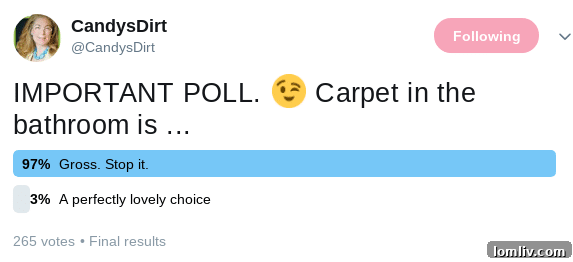
Few interior design choices ignite as much immediate and visceral debate as the presence of carpet in a bathroom. It’s a topic that consistently elicits strong reactions, often ranging from nostalgic bewilderment to outright disgust. At Daltxrealestate.com, we regularly engage with our audience on social media, posing “hot button” questions that tap into public opinion on various aspects of home design and real estate. Recently, one such query sparked an unprecedented wave of responses: “Carpet in the bathroom: a) Gross, stop it; or b) A perfectly lovely choice.” The overwhelming consensus, swiftly and emphatically delivered, leaned heavily towards option ‘a’, solidifying its status as a design faux pas.
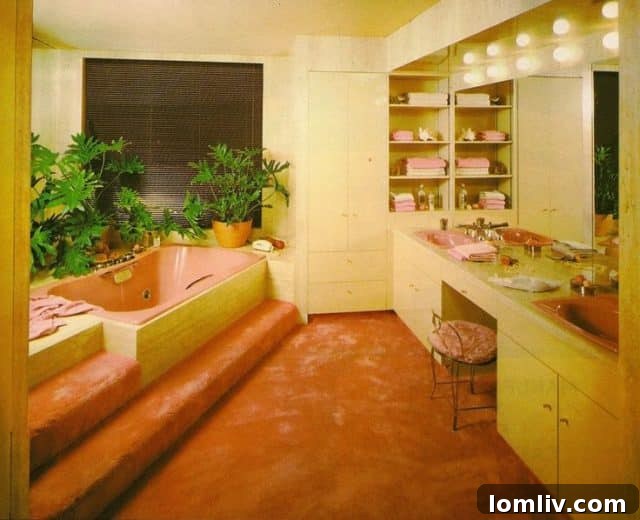
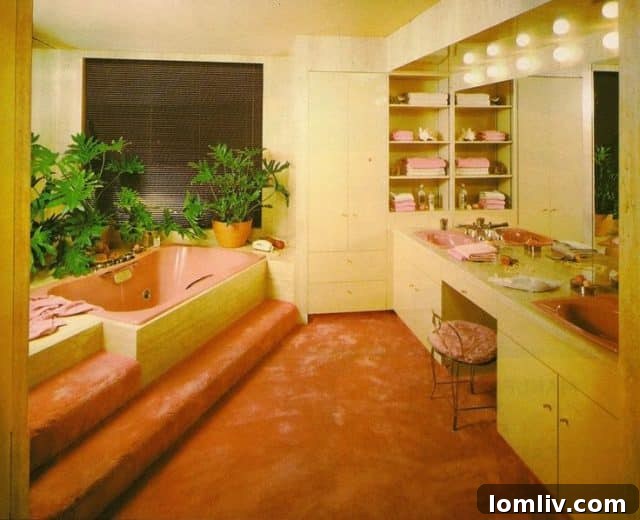
Our initial discussion was triggered by a rather unsettling image of a carpeted bathroom, a visual anomaly so jarring it earned a spot in our internal collection of “godawful” design examples. Sharing this peculiar sight with Executive Editor Joanna England quickly transformed a casual observation into a full-scale inquiry. One thought led to another, and soon, we had our next Friday Question. We launched a poll on our Facebook page, asking our followers to weigh in. The speed and intensity with which people responded were truly astonishing. People, it turns out, hold very firm opinions on carpet in the bathroom—strong, immediate, and predominantly negative.
My own reaction was just as potent. I can vividly recall the stomach-churning, nausea-inducing crunch underfoot in a childhood friend’s carpeted bathroom. The unsettling sensation of damp, matted fibers beneath my feet made a lasting impression: carpet simply should not crunch. To further gauge public sentiment, we mirrored the poll on our Twitter account. The results were consistent: with very few exceptions (and we genuinely worry about those who chose otherwise), the vast majority of respondents were vehemently against the concept of carpet in a bathroom. This overwhelming rejection prompted our next quest: to uncover who, in the annals of home design, ever thought this was a good idea to begin with.
The Unflattering Truth: Why Carpet and Bathrooms Are a Mismatch
The primary reason for the widespread condemnation of bathroom carpet lies in its fundamental incompatibility with moisture. Bathrooms are inherently humid environments, characterized by splashes, spills, steam, and condensation. Carpet, by its very design, is absorbent and fibrous. This combination creates a perfect storm, fostering a host of undesirable problems that extend far beyond mere aesthetic preferences.
A Breeding Ground for Health Hazards and Unpleasant Odors
Imagine stepping out of a hot shower onto a seemingly plush, absorbent surface. While the initial warmth might feel comforting, that absorbency quickly transforms into a significant liability. Carpet acts like a giant, indiscriminate sponge, eagerly soaking up every drop of water from shower splashes, sink overflow, and the inevitable drips from wet bodies. This trapped moisture, especially when combined with the warmth typical of a bathroom, creates an ideal breeding ground for harmful microorganisms.
- Mold and Mildew Proliferation: These pervasive fungi thrive in damp, dark, and warm conditions. Bathroom carpet provides the perfect habitat, often allowing mold and mildew to grow unseen beneath the surface, within the padding, or deep within the fibers. As they flourish, they release spores into the air, which can trigger allergies, exacerbate asthma, and lead to other respiratory issues for occupants.
- Persistent, Foul Odors: Trapped moisture, coupled with human skin cells, hair, and the general detritus of a bathroom environment, creates an ideal ecosystem for bacteria and mildew to produce persistent, stale, and often foul odors. No amount of air freshener or ventilation can truly eliminate the pervasive smell of damp, mildewed carpet. The very fabric of the room begins to smell unclean, undermining the purpose of a space dedicated to hygiene.
- Challenges in Sanitation: Bathrooms are high-traffic areas where germs and bacteria are easily introduced and spread. Unlike hard, non-porous surfaces such as tile or vinyl, which can be easily wiped clean and disinfected, carpet fibers act as a trap for these contaminants. Thorough sanitation becomes nearly impossible. While vacuuming removes superficial dirt, it cannot address the microscopic life thriving within the damp fibers, making carpet a less hygienic choice for a room where cleanliness is paramount.
The Sensory Nightmare: More Than Just an Eyesore
Beyond the unseen dangers, the sensory experience of a carpeted bathroom can be truly dreadful. Many people recount the unsettling sensation of squishy, damp carpet underfoot, or, as our team member Bethany vividly described, the “stomach-churning, nausea-inducing crunch” from a childhood memory. The tactile experience of stepping onto saturated, matted carpet speaks volumes about the level of moisture saturation and potential degradation of the carpet fibers and padding beneath. Carpet, under no circumstances, should ever crunch.
Furthermore, maintaining cleanliness in a carpeted bathroom is an exercise in futility. Spills, stains, stray hairs, and dust become inextricably woven into the fibers, resisting superficial cleaning efforts. Regular vacuuming is simply insufficient for the unique challenges presented by a bathroom environment. Deep cleaning is a laborious, often ineffective process that can even exacerbate moisture problems if the carpet is not dried thoroughly and quickly, creating a vicious cycle of dampness and odors.
A Journey Back in Time: The Peculiar Rise of Bathroom Carpet
Given the almost universally negative modern perception, it’s natural to wonder: who, if anyone, believed carpet in the bathroom was a good idea? It seems no one in contemporary design or real estate is eager to claim responsibility for this trend, and for very good reason. The practice largely gained traction during the 1960s and 1970s, a distinctive era when wall-to-wall carpeting experienced an unprecedented boom in popularity across American households.
The post-World War II period marked a significant shift in home decor and construction. As Emily Morrow of Shaw Floors eloquently explained in an insightful interview with Pam Kueber of Retro Renovation, carpet transitioned from a wartime luxury item to an affordable, accessible commodity for the burgeoning middle class. Technological advancements, particularly the advent of tufted nylon, offered a durable and cost-effective alternative to more expensive woven wool. This confluence of increased affordability, shifting economic landscapes, and a desire for comfort led to a widespread trend of installing carpet in virtually every room of the house, extending the perceived warmth and softness of flooring into fundamentally unsuitable spaces, including kitchens and bathrooms.
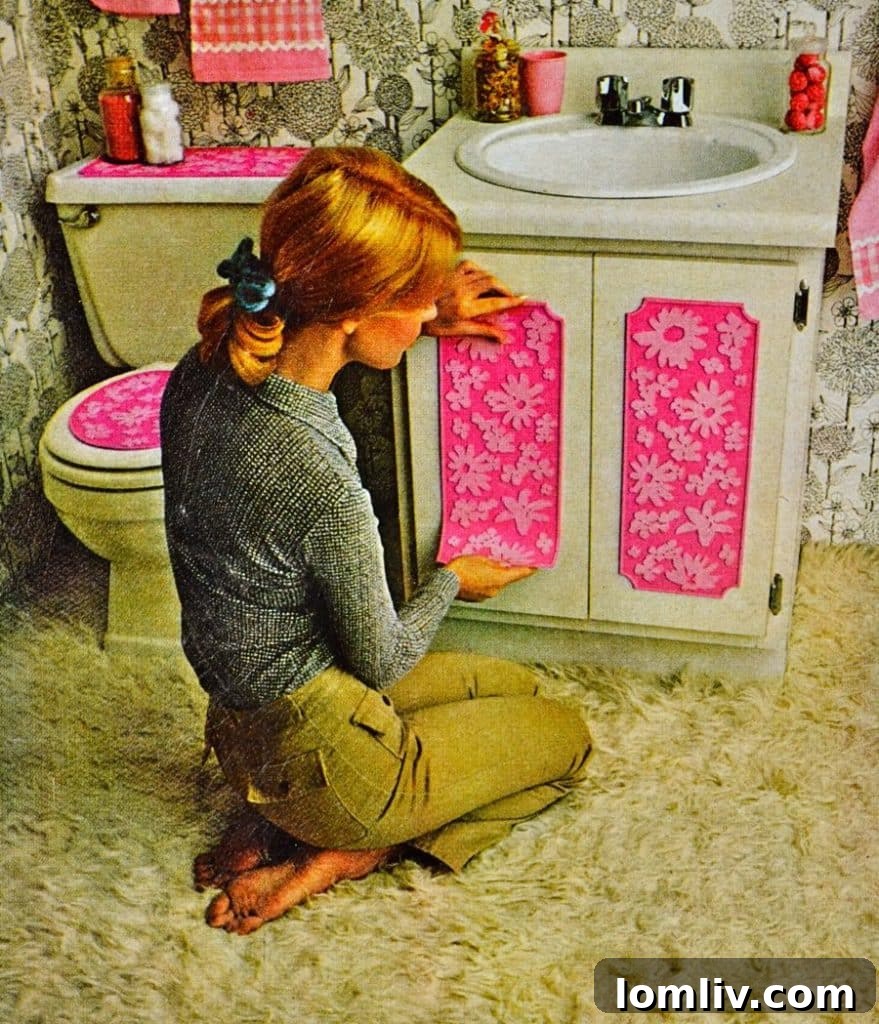
The perceived benefits at the time were simple: warmth underfoot, sound dampening, and a softer, more luxurious aesthetic. Homeowners likely sought to replicate the cozy feeling of a carpeted bedroom or living room in their bathrooms, often overlooking the critical practical implications related to hygiene and moisture management. Fashion trends of the 60s and 70s frequently prioritized visual appeal and a specific sense of comfort over strict functionality, leading to the unfortunate appearance of styles like shag carpet even in high-moisture environments. A quick browse through Pinterest pages dedicated to 1970s bathrooms offers ample visual evidence of this misguided trend, showcasing everything from pastel-colored shags to patterned broadloom extending right up to the toilet base.
Public Outcry and Expert Consensus: A Unified Voice
The anecdotal evidence gathered from our social media polls and broader online discussions vividly illustrates the public’s strong and enduring aversion to bathroom carpet. A hilarious thread on Reddit regarding carpet in bathrooms, for instance, provides a treasure trove of comedic and cringe-worthy stories. One Reddit user humorously recounted their parents’ house, which featured “outdoor” carpet glued down not only in the half-bath but also in the laundry room, kitchen, and dining room—a testament to what they described as the “dark time” of the 1970s, playfully suggesting “drugs were involved.” Another shared a particularly memorable and unsettling story of an ex’s mother who, in addition to wall-to-wall bathroom carpet, also had shag covers for her toilet seat, tank, and lid, famously advising male guests to “Sit or have good aim” to protect her “expensive carpeting.” These stories, while often amusing, underscore the deeply problematic and unhygienic nature of this outdated trend.
Beyond personal opinions and shared horror stories, expert advice consistently and unequivocally condemns the use of carpet in bathrooms. Even the venerable Bob Vila, a household name synonymous with home improvement and practical advice, issues a stern warning. On his influential website, his writers succinctly articulate the core issue: “Carpet is a magnet for moisture and its by-products. Between steamy vapor from the shower and water dripping off your body, bathroom carpet is bound to get wet—and soak up the moisture like a sponge.” The very phrase “moisture and its by-products” is potent enough to send shivers down any homeowner’s spine, perfectly encapsulating the unhygienic and unsettling reality of carpet in such an environment. This vivid description highlights the inevitable cycle of dampness, microbial growth, and general degradation that characterizes carpeted bathrooms.
Furthermore, the Centers for Disease Control (CDC), a leading authority on public health and safety, explicitly advises against the installation of carpet in bathrooms as a crucial component of their recommendations for mold control and prevention. This isn’t merely a matter of interior design preference; it’s a public health recommendation based on scientific understanding of microbial growth and indoor air quality. The choice of flooring in a bathroom has direct implications for the health and well-being of a home’s occupants, making hard, non-porous surfaces the unequivocally superior option for damp and high-traffic environments.
Modern Alternatives: Achieving Comfort Without Compromise
For those who historically cited the desire for warmth or softness as a reason for considering carpet in the bathroom, modern flooring solutions now offer vastly superior alternatives that provide comfort without any of the significant drawbacks. Radiant heat flooring, for instance, has revolutionized underfoot warmth, providing luxurious warmth and comfort, thus eliminating any perceived need for absorbent, problematic materials. As one of our team members humorously countered the argument that carpet was necessary for cold weather, “That’s why Jesus invented radiant heat flooring.”
Today, homeowners have an extensive array of beautiful, durable, and hygienic options that excel in bathroom environments:
- Ceramic and Porcelain Tile: These are classic choices for a reason. They are inherently waterproof, incredibly durable, exceptionally easy to clean, and available in an almost limitless variety of styles, colors, patterns, and textures to suit any aesthetic.
- Luxury Vinyl Tile (LVT) and Plank (LVP): Offering remarkable versatility, LVT and LVP are highly water-resistant, incredibly durable, and can convincingly mimic the sophisticated look of natural wood or stone without any of the maintenance hassles or moisture concerns.
- Engineered Wood (Water-Resistant Varieties): While traditional hardwood is ill-suited for bathrooms, certain specially engineered wood products are designed with enhanced moisture resistance, offering a warmer aesthetic for specific design schemes.
- Natural Stone: Materials like marble, granite, or slate offer a luxurious, timeless look that elevates any bathroom. While they require proper sealing to maintain their integrity and resist moisture, their beauty and durability are unparalleled.
- Concrete: For a modern, industrial, or minimalist aesthetic, sealed concrete floors are an excellent choice. They are extremely durable, waterproof when properly sealed, and offer a unique design statement.
For immediate, temporary comfort after a shower or bath, washable bath mats offer the perfect practical solution. They can be easily picked up, laundered, and thoroughly dried, preventing any long-term moisture retention, bacterial growth, or unsanitary conditions that permanent carpet invariably creates. These modern alternatives allow homeowners to create bathrooms that are not only aesthetically pleasing but also hygienic, durable, and contribute positively to overall home value.
The Undeniable Verdict: A Design Faux Pas Best Left in the Past
The verdict is clear, affirmed by both overwhelming public opinion and expert consensus: carpet in the bathroom is unequivocally a design choice best relegated to the past. While it may have offered a fleeting sense of comfort or warmth in a bygone era, the practical realities of hygiene, moisture control, maintenance, and potential health hazards make it an unsustainable and problematic option for contemporary homes. From harboring mold, mildew, and unpleasant odors to significantly diminishing a property’s appeal and resale value, the substantial drawbacks far outweigh any minimal, perceived benefits of coziness.
Modern homeowners prioritize health, cleanliness, and functionality alongside aesthetic appeal. Opting for hard, non-porous, water-resistant surfaces ensures a clean, sanitary, and durable bathroom that not only looks good but also contributes positively to the overall well-being and market value of a home. Let’s embrace intelligent, practical, and beautiful flooring solutions that truly complement a space dedicated to personal cleanliness and relaxation, leaving the absorbent, problematic materials firmly out of the bathroom once and for all.