Uniting for a Stronger Future: The Westhollow Society and Northwest Dallas Revitalization
Imagine your neighborhood, not as an isolated cluster of homes, but as a powerful, unified voice capable of commanding the city’s attention. In the bustling urban landscape of Dallas, where individual communities often struggle to be heard, the concept of collective action is not just an ideal—it’s a necessity for progress and revitalization. This understanding lies at the heart of the Westhollow Society, a pioneering organization dedicated to amplifying the needs and aspirations of Northwest Dallas neighborhoods.
A few months ago, this very idea was championed by Councilman Philip Kingston during a Dallas Homeowners League boot camp session. His core message was clear: to truly influence city policy and secure essential resources for local needs, individual neighborhoods must consolidate their efforts. By joining forces with surrounding communities, they can transform into a larger, more influential entity, equipped with the collective clout to drive meaningful change. This strategic insight resonated deeply with Donovan Lord and a group of like-minded residents, inspiring them to establish the Westhollow Society several years ago.
The Genesis of Westhollow: A Cohesive Force for Northwest Dallas
“I started Westhollow Society out of a need for a cohesive force to better the Northwest Dallas area,” explained Donovan Lord, the visionary behind the initiative. His motivation stemmed from a recognition that while many individual neighborhood associations existed, their impact was often fragmented. Lord envisioned a singular, overarching organization that could harness the collective strength and diverse perspectives of all existing neighborhoods within a clearly defined geographical boundary. This collaborative approach, he believed, was essential to work together towards common goals and achieve significant improvements across the entire region.
The Westhollow Society meticulously defined its operational boundaries to encompass a significant portion of Northwest Dallas, roughly situated South of LBJ, North of Walnut Hill, West of Midway, and East of Dennis Road. Within these parameters lies a vibrant tapestry of communities, each contributing to the unique character of the area. These include:
- Park Forest
- Royal Hills
- Sparkman Club
- Timberbrook
- Royal Oaks
- Royal North
- Underwood
- Northaven Park
- Glen Cove
- Highland Meadows
- Coral Hills
- Webster Grove
- Walnut Hills
- Royal Haven
- Chapel Forest
- Chapel Downs
- Walnut Meadows
- Northway Hills
- Midway Hills
- Meadow Park
This comprehensive list underscores the breadth of the Westhollow Society’s reach and its commitment to fostering unity among these distinct but interconnected Dallas neighborhoods. The Society acts as a central hub, facilitating communication, collaboration, and concerted action on issues that affect all residents within its designated sphere.
Establishing Identity: The Power of Branding for Northwest Dallas
Founded in 2012, the Westhollow Society was formally established as a nonprofit organization, a crucial step enabling it to raise funds and effectively manage various community projects. Their inaugural endeavor was both practical and symbolic: designing, funding, and successfully campaigning for the installation of distinctive sign toppers in the Park Forest development, an integral part of the broader Westhollow area. “We did that successfully, and began working on other projects for the future,” Lord proudly stated, marking this achievement as a foundational moment for the organization.
This initial focus on signage might seem minor at first glance, but it addressed a critical issue: the lack of a clear, shared identity for these Northwest Dallas communities. Many residents faced a common dilemma when trying to explain their geographical location. Mentioning proximity to “Preston Hollow,” a well-known affluent area, often led to misunderstandings. “If I said I lived in Preston Hollow, as many would and still do, they would be imagining huge Strait Lane mansions, not the mid-century ranches that our area is so popular for,” Lord elaborated. The reality for Westhollow residents was a community rich in character, known for its charming mid-century architecture and a more accessible lifestyle. Without a distinct name, residents often defaulted to less descriptive markers like “over by Royal and Marsh,” which did little to convey the area’s unique appeal or collective identity.
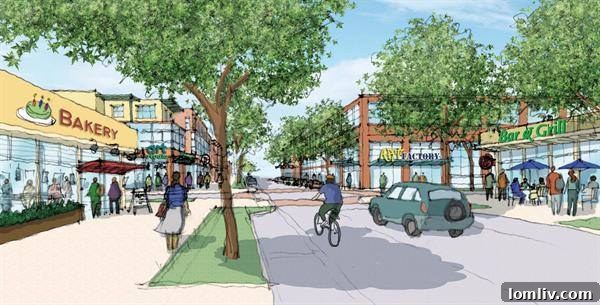
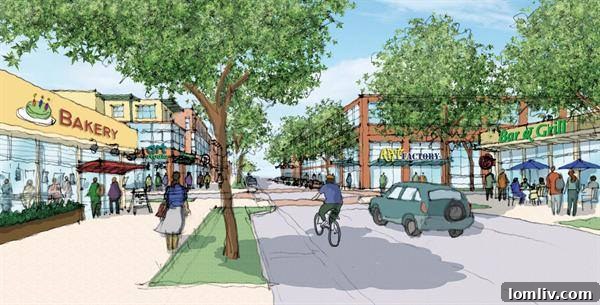
The strategic move to “brand” the Westhollow area was not merely about aesthetics; it was a powerful tool for self-determination. “Our area needed an identity and that is one of the main goals of our organization, to ‘brand’ our area so that we can better control our future with more clout and better marketing,” Lord emphasized. This strategic branding is particularly vital given the evolving demographics and changing resident expectations. The Society recognized that the proliferation of discount stores and outdated strip malls no longer aligned with the desires of a modern, growing community. A unified identity empowers residents to collectively advocate for the types of businesses, infrastructure, and amenities that truly enhance their quality of life and reflect the evolving character of Northwest Dallas. It’s a way to demonstrate collective bargaining power, influence development, and steer the area’s trajectory positively.
Addressing Community Challenges with a Public Improvement District (PID)
With the foundation of identity and collective action firmly established, the Westhollow Society is now exploring its next major step: the formation of a Public Improvement District (PID). This ambitious undertaking represents a significant leap towards addressing some of the most pressing challenges faced by the Westhollow area. The Society is currently in the exploration phase, meticulously evaluating how a PID could provide comprehensive solutions to issues such as a noticeable uptick in crime rates, deteriorating street conditions, and a general decline in aesthetic appeal. “These problems,” Lord asserts, “can all be solved in one fell swoop with a Public Improvement District.”
So, what exactly is a PID, and how does it work? A Public Improvement District is a defined geographical area within a city where property owners agree to pay an additional assessment on their property taxes. The funds generated from this assessment are then dedicated exclusively to specific improvements and services within that district, often going beyond what the city’s general services typically provide. In essence, a PID functions much like a homeowners’ association (HOA) for an entire district, but with the backing and oversight of the city. These funds are typically managed by a separate non-profit entity established by the community and supervised by the city, ensuring transparency and accountability. Existing successful PIDs in Dallas, such as Vickery Meadow, Deep Ellum, Lake Highlands, Uptown, and Knox-Henderson, serve as compelling models for what Westhollow aims to achieve.
For Westhollow, the proposed PID would involve an assessment on commercial, condominium, and single-family properties within its boundaries. The generated funds would be strategically allocated to enhance key aspects of community life: beautification projects (landscaping, public art, gateway enhancements), improved safety measures (supplemental security patrols, lighting upgrades), and other essential needs within the common areas of the district (sidewalk repairs, park maintenance). The preliminary proposal suggests an assessment of approximately 13 cents per $100 of appraised value, as determined by the Dallas County Appraisal District (DCAD). To put this into perspective, a property appraised at $300,000 would see an annual increase of around $390 on its tax bill – an investment in the immediate and long-term vitality of the community.
Navigating Resistance and Building Consensus for the PID
The concept of additional taxes naturally raises questions and, in some cases, resistance. For residents living within the proposed Westhollow PID, the idea of paying extra may prompt a moment of reflection. Donovan Lord candidly acknowledges these concerns: “Yes, we are meeting resistance about the idea of a PID, primarily by a select few from the Park Forest Neighborhood that have made every effort to ensure its failure as well as all efforts of the Westhollow Society.” It’s a common challenge with any initiative requiring community buy-in, especially when financial commitments are involved.
However, Lord is quick to emphasize the strong wave of support that also exists: “We also have a great number of supporters who want the PID and feel it will revitalize and beautify our area.” The primary hurdle, he explains, has been effectively communicating the precise scope, benefits, and operational structure of the proposed PID. Misinformation and misconceptions can quickly derail even the most well-intentioned initiatives. Addressing these, Lord outlined crucial clarifications:
- The PID’s specific objectives and projects, which are designed to address tangible community needs.
- The distinct nature of a PID as a community-driven and city-sanctioned mechanism, separate from Westhollow Society’s ongoing operations.
- Crucially, the PID would NOT assess senior citizens or individuals with disabilities, ensuring that the most vulnerable members of the community are not unduly burdened.
- The Westhollow Society itself would NOT be running the PID. Instead, a newly created, independent non-profit organization, headed primarily by dedicated volunteers from the Westhollow area, would oversee its operations and fund allocation.
“I personally would not have the time to nor would I be running the PID as I would continue to run the Westhollow Society as well as my Interior Design and Home Design businesses that I’ve had for over 12 years,” Lord clarified, reassuring residents about the dedicated leadership and operational separation. These transparent explanations are vital for building trust and ensuring that residents understand the positive impact a well-managed PID can have on their property values, safety, and overall quality of life.
Beyond the PID: A Vision of Unified Community Power
While the Public Improvement District is a significant focus, it represents just one facet of the Westhollow Society’s broader vision. Donovan Lord earnestly hopes that his neighbors, across the many communities within Westhollow, will give the Society a fair chance to present its comprehensive goals for the area. He firmly believes that these objectives align closely with the aspirations of many residents who seek a more vibrant, secure, and aesthetically pleasing place to call home. The fundamental philosophy driving the Westhollow Society has always been clear: “we together have far more clout and strength than as individual organizations.”
This philosophy extends to fostering greater collaboration among all existing community groups. “Westhollow Society hopes to bring together all of the HOAs and neighborhood associations on board to fulfill our mission – which includes far more than the exploration of a PID,” Lord added. This overarching mission envisions a future where every neighborhood association, large or small, contributes to a larger, more impactful voice. By unifying their efforts, these groups can collectively tackle issues ranging from zoning and development proposals to public safety initiatives and local beautification projects. This collaborative spirit not only strengthens the community’s hand in negotiations with the city but also cultivates a deeper sense of pride, belonging, and shared responsibility among residents. The Westhollow Society is a testament to the power of unity, demonstrating how a collective approach can truly transform Northwest Dallas into a model of community-driven progress.
Engage and Learn: Westhollow Society PID Workshop
To provide residents with an in-depth understanding of the proposed Public Improvement District, the Westhollow Society hosted a dedicated PID workshop. This vital informational session took place on January 23, 2016, from 3 p.m. to 5 p.m. at the Holy Cross Lutheran Church, located at 11425 Marsh Lane, Dallas. The workshop offered an invaluable opportunity for residents to ask questions, voice concerns, and gain clarity directly from the Westhollow Society leadership and experts. Tickets were free for Westhollow Society members, reflecting the organization’s commitment to its members, and a nominal fee of $5 for non-members, encouraging broader community participation and engagement in shaping the future of Northwest Dallas.