Welcome to “Upon Closer Inspection,” a series brought to you by the meticulous experts at Green Scene Home Inspections. Each week, we equip Daltxrealestate.com readers with essential knowledge on home inspection, helping you understand what professionals look for and how to protect your most valuable asset.
The Silent Threat: Understanding Water and Moisture Damage in Your Home
Water and moisture are undeniably among the most destructive forces a home can face, leading to catastrophic and often incredibly expensive damage. The insidious nature of water damage is that it can manifest in two distinct, yet equally problematic, ways. It can be a slow, persistent intruder, like a minuscule leak behind a wall that goes unnoticed for months, gradually causing wood floors to buckle, drywall to soften, and mold to proliferate. Or, it can strike with sudden, overwhelming force, such as a burst water heater flooding a basement in minutes, or a pipe rupturing during a severe freeze. Regardless of its speed, the consequences are always severe, compromising structural integrity, fostering unhealthy living environments, and significantly depreciating property value.
True home care demands a holistic understanding of water management. Homeowners must constantly consider the journey of water: Where does rainwater go once it hits the roof? How does it behave at the foundation? What about the condensation produced by your HVAC system? Ideally, every house is equipped with sophisticated systems designed to channel water safely away from vulnerable areas. However, these systems are not infallible. They can fail due to age, poor installation, or lack of maintenance, making it paramount for homeowners to comprehend the path water takes and identify potential failure points before they escalate into major crises. Early detection and proactive intervention are key to safeguarding your home from the pervasive and costly effects of water damage.
External Vulnerabilities: Foundation and Landscaping Risks
Improper Grading: An Open Invitation for Disaster
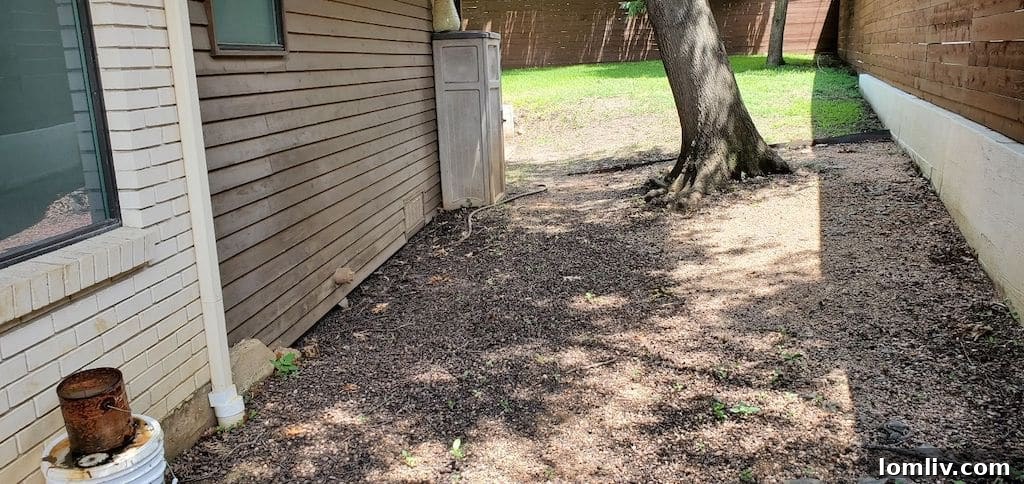
Observing a home on a dry, sunny day can be deceptively reassuring. Everything might appear to be in perfect order, with no immediate signs of distress. However, a closer look at the landscaping around the foundation can reveal hidden dangers. As illustrated in the accompanying image, even on a clear day, the subtle angle of the ground can be a ticking time bomb. When the land slopes towards the foundation, rainwater and snowmelt are inevitably directed right where you least want them – against the base of your home. This seemingly minor issue is a critical oversight in property maintenance and a common culprit behind extensive water damage.
The consequences of improper grading are multifaceted and severe. Over time, this constant flow of water against the foundation wall can lead to soil erosion, compromising the stability of the foundation itself. More critically, it allows water to penetrate cracks in the foundation, leading to a host of problems. In this specific scenario, the issue was so pronounced that it resulted in the repeated flooding of the crawlspace, a dark and damp environment already prone to moisture issues. Persistent moisture in a crawlspace creates an ideal breeding ground for mold and mildew, which can spread throughout the home via air ducts, posing significant health risks to occupants. Furthermore, it causes the structural wood components, such as floor joists and subflooring, to rot, weaken, and attract pests like termites and carpenter ants. The external wood veneer of the house also suffered visible discoloration and deterioration, a clear indicator of sustained moisture exposure. Addressing grading issues promptly, through methods like regrading, installing French drains, or extending downspouts, is a fundamental step in comprehensive home protection, preventing thousands of dollars in future repairs and preserving the structural integrity of your property.
Roofline Integrity: The Critical Role of Kickout Flashing
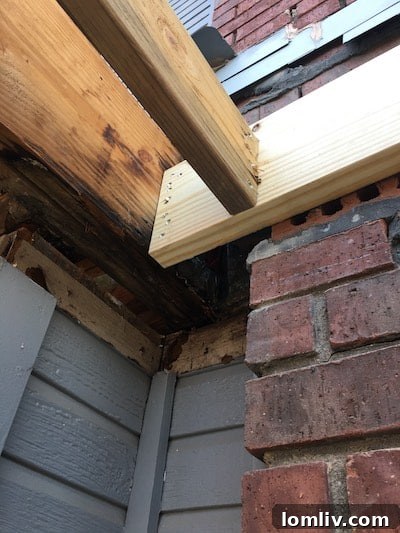
The intersection where a roofline meets an exterior wall is a particularly vulnerable point on any home, often overlooked but crucial for effective water management. This is precisely why proper kickout flashing, also known as diverter flashing, is indispensable. Kickout flashing is a specialized piece of metal or plastic installed at the bottom edge of a roof-to-wall intersection, specifically designed to divert rainwater effectively. Its primary function is to direct water away from the wall cladding and into the gutter system, rather than allowing it to run down the side of the house. Without it, water has a direct path to seep behind the siding, infiltrate the wall cavity, and cause significant damage that often goes unnoticed until it’s too late.
The image provided serves as a stark illustration of the consequences when kickout flashing is absent or improperly installed. You can clearly observe extensive water damage to the original wood siding, manifested as decay, rot, and discoloration. This damage isn’t merely cosmetic; it indicates a deeper problem within the wall structure. The presence of temporary supports, propping up the compromised section until it can be replaced, underscores the severity of the issue. Without this crucial flashing, water persistently saturates the exterior wall, leading to wood rot, delamination of siding, and eventually, the compromise of the structural sheathing and framing underneath. This can create pathways for mold growth, attract pests, and lead to costly repairs involving the removal and replacement of large sections of the wall. Proper installation of kickout flashing is a relatively inexpensive preventive measure that protects the integrity of your roof components and prevents potential leaks to the interior, saving homeowners from significant structural and financial headaches down the line.
Internal Systems and Hidden Dangers
HVAC Systems: A Hidden Source of Leaks
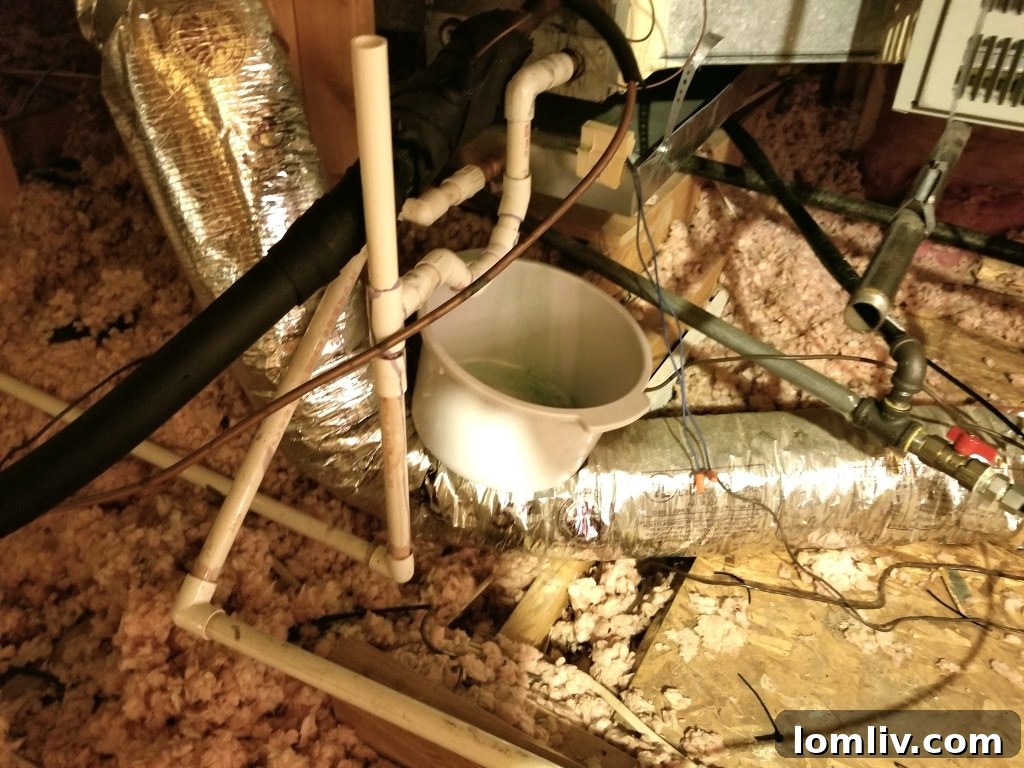
While often associated with comfort, your home’s HVAC (Heating, Ventilation, and Air Conditioning) system can also be a surprising source of major water damage if not properly maintained. The process of cooling air naturally extracts moisture, which then condenses into water. This condensate is designed to be safely drained away, typically through a condensate line connected to a drain or a condensate pump. However, as the accompanying image reveals, these systems are not immune to failure. Here, a leaking condensate line has necessitated a makeshift solution: a bucket placed precariously beneath to catch the drips.
This “solution” is not just temporary; it’s incredibly dangerous and indicative of a severe underlying problem. Relying on a bucket in an attic or crawlspace is a recipe for disaster. Homeowners, often out of sight, might forget to empty it, allowing it to fill to capacity. Once full, the weight of gallons of water can easily crush whatever it’s sitting on—in this case, likely a duct system, causing additional damage. Worse still, if the bucket overflows, it can unleash gallons of water into the attic space. This can saturate insulation, leading to decreased energy efficiency and promoting rapid mold growth. The water can then seep through ceilings, causing unsightly water stains, structural damage to drywall and plaster, and potentially electrical hazards if it comes into contact with wiring. The presence of a bucket clearly signals a failure in the condensate drainage system, which could be due to a clog, a detached line, or a faulty pump. Addressing such issues promptly with professional plumbing or HVAC expertise is critical to prevent extensive and costly water damage throughout the upper levels of your home.
Plumbing Pitfalls: The Dangers of DIY and Neglect
Plumbing systems are intricate networks vital to every modern home, but they are absolutely not for amateurs. The complexities of water pressure, pipe materials, fittings, and drainage require specialized knowledge and precision. The visual evidence in the original article, hinting at a “DIY Plumbing Fail,” powerfully illustrates why attempting complex plumbing repairs without proper training and tools is a hazardous gamble. While a simple faucet replacement might be within the scope of a handy homeowner, anything beyond that risks creating a situation far worse than the original problem.
Consider the scenario in the image of the leaking condensate line—the makeshift bucket solution. Doesn’t that temporary, high-risk setup seem like far more effort, not to mention a greater long-term headache, than simply fixing the pipe correctly in the first place? Imagine trying to sell a home with such glaring, amateurish repairs. Not only would it be a significant red flag for any potential buyer and a guaranteed issue during a home inspection, but it also reflects a lack of professional care that often masks deeper, more serious problems. Improperly sealed connections can lead to slow, hidden leaks that rot away cabinets and subflooring. Incorrect pipe sizing or routing can cause pressure issues or inadequate drainage. A poorly installed water heater relief valve, or a DIY repair on a supply line, can result in catastrophic bursts, releasing hundreds of gallons of water in minutes. These are not minor inconveniences; they are threats to the structural integrity of your home, capable of causing extensive damage to walls, floors, ceilings, and even electrical systems. The cost of rectifying a botched DIY plumbing job, plus the resulting water damage, almost always far exceeds the initial expense of hiring a qualified, licensed plumber. Investing in professional plumbing ensures safety, compliance with building codes, and peace of mind, protecting your home from preventable and devastating water-related disasters.
The Cost of Neglect: Why Prevention is Paramount
Ignoring even minor signs of water or moisture can lead to monumental costs, both financial and personal. Beyond the immediate repair expenses for damaged floors, walls, and structural components, chronic moisture can lead to pervasive mold growth. Mold not only degrades building materials but also poses serious health risks, triggering allergies, asthma, and other respiratory issues for occupants. The remediation process for extensive mold can be complex, invasive, and incredibly expensive. Furthermore, persistent dampness creates an inviting environment for pests like termites, carpenter ants, and rodents, adding another layer of damage and expense. The structural integrity of a home can be severely compromised over time, leading to sagging floors, cracked foundations, and even partial collapse if left unaddressed. Electrically, water infiltration can short-circuit wiring, creating fire hazards or making electrical systems unsafe. Ultimately, a home with a history of unaddressed water damage will see a significant decrease in market value, making it harder to sell and diminishing your return on investment.
Proactive Measures for Homeowners: Safeguarding Your Investment
Protecting your home from water damage requires vigilance and a proactive approach. Here are key steps homeowners can take:
- Regular Exterior Inspections: Periodically walk around your home, paying close attention to the roof, gutters, downspouts, and foundation. Look for missing shingles, overflowing gutters, or any signs of water pooling near the foundation.
- Maintain Gutters and Downspouts: Ensure they are clear of debris, properly sloped, and extend at least 5-10 feet away from the foundation to divert rainwater effectively.
- Check Grading Around Foundation: Confirm that the soil around your home slopes away from the foundation at least 6 inches over the first 10 feet. Regrade if necessary.
- Inspect Plumbing and Fixtures: Regularly check under sinks, behind toilets, and around water heaters for any signs of leaks, drips, or rust. Replace old, brittle supply lines.
- HVAC System Maintenance: Have your HVAC system professionally serviced annually. Ensure the condensate line is clear and free of blockages. Consider installing a float switch that shuts off the unit if the drain pan fills.
- Look for Interior Warning Signs: Be attentive to water stains on ceilings or walls, peeling paint, bubbling wallpaper, musty odors, or soft spots in flooring, which are all indicators of hidden moisture.
- Seal Cracks: Seal any cracks in your foundation or exterior walls to prevent water intrusion.
- Address Leaks Promptly: Never underestimate a small leak. Even minor drips can cause significant damage over time. Fix them immediately.
The Value of Professional Home Inspections
While DIY vigilance is essential, there’s no substitute for the trained eye of a professional home inspector. Experts like those at Green Scene Home Inspections possess the knowledge, experience, and specialized tools to identify hidden water intrusion points, assess the extent of damage, and recommend appropriate solutions. They can spot subtle issues that an untrained homeowner might miss, from deteriorating flashing to nuanced grading problems, or even potential hazards within inaccessible areas like attics and crawlspaces. A comprehensive inspection provides a detailed roadmap of your home’s condition, empowering you to make informed decisions about maintenance and repairs, and ultimately, protecting your home’s long-term health and value.
Conclusion: Protecting Your Home, Securing Your Future
Water and moisture damage represent a formidable threat to any home, capable of inflicting both immediate and long-term consequences that are costly, unhealthy, and diminish your property’s appeal. From the subtle hazards of improper exterior grading and neglected roof flashing to the insidious dangers of faulty HVAC condensate lines and amateur plumbing fixes, every aspect of your home’s water management system demands careful attention. Proactive maintenance, regular inspections, and a commitment to addressing even the smallest signs of moisture are not merely chores; they are essential investments in the longevity and value of your home.
By understanding where water comes from, how it moves, and its potential for harm, homeowners can transform from passive observers into active protectors. Partnering with seasoned professionals, such as the dedicated team at Green Scene Home Inspections, ensures that no hidden leak goes undetected and no potential vulnerability is left unaddressed. Safeguard your property, preserve its structural integrity, and protect the well-being of your family. Stay informed, stay vigilant, and secure your home against the pervasive threat of water damage.