Dallas’s Affordable Housing Dilemma: A Beacon of Hope from Waco
In the vibrant metropolis of Dallas, the conversation around affordable housing often feels like a disheartening echo chamber of challenges. The city faces an ever-growing demand that far outstrips the available supply, leaving countless residents struggling to find stable, budget-friendly homes. Solutions seem elusive, and the prospect of a comfortable, secure living situation remains a distant dream for a significant portion of the population.
Yet, just a short drive south, a remarkably different narrative is unfolding in Waco, Texas. Here, pioneering organizations like the Next Step Network and NeighborWorks Waco are not just discussing affordable housing; they are actively building it. Through innovative approaches and strategic partnerships, these groups are transforming vacant lots into thriving communities, providing hope and sustainable housing solutions for hard-working families at a cost they can genuinely afford. Their success offers a compelling blueprint that Dallas would be wise to consider.
The Deepening Housing Crisis in Dallas
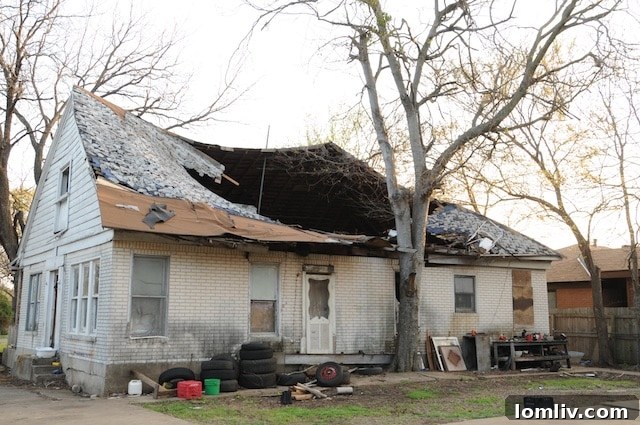
Dallas is frequently lauded for its economic growth and relative affordability compared to coastal giants. However, this general perception often overlooks a deepening crisis within its own borders. While the skyrocketing property values are a boon for existing homeowners, they simultaneously push homeownership further out of reach for many. The city’s workforce – teachers, firefighters, nurses, retail workers, and service industry professionals – finds itself increasingly priced out of the very communities they serve. Even dual-income families are feeling the squeeze, struggling to cover rising rents and mortgage payments while maintaining a reasonable quality of life.
The issue isn’t limited to homeownership; the scarcity of quality, affordable rental units also creates immense pressure. This housing gap disproportionately impacts lower-income residents and contributes significantly to the city’s growing homeless population. What’s being built today – predominantly luxury apartments and high-end single-family homes – caters to a demographic that isn’t experiencing the acute need. The fundamental mismatch between what’s available and what’s desperately needed highlights a critical flaw in Dallas’s current housing development strategy.
Challenging Perceptions: The Untapped Potential of Modern Factory-Built Homes
For too long, Dallas has held a cautious stance, even outright resistance, towards factory-built housing. Outdated perceptions often conjure images of flimsy “trailers” rather than the sophisticated, high-quality homes produced in controlled factory environments today. However, it’s time for Dallas to re-evaluate these preconceptions and embrace the innovative solutions that have transformed the industry.
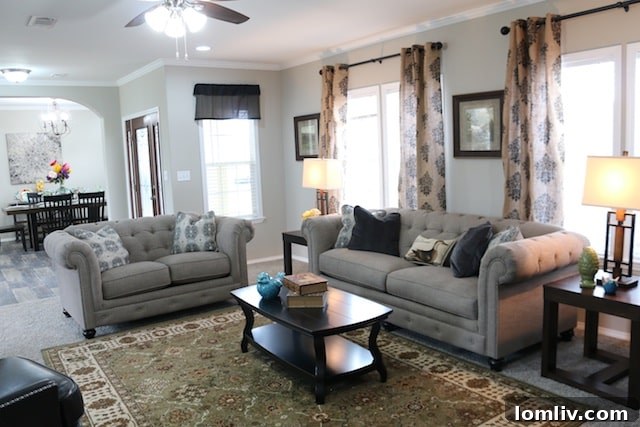
The reality of today’s manufactured and modular homes is a stark contrast to historical stereotypes. These aren’t just efficient alternatives; they represent a leap forward in construction quality, design flexibility, and affordability. Many of these homes are built within a 50-mile radius of Dallas, often by industry leaders like SE Homes of Texas, a division of Clayton Homes. The key advantages are numerous and compelling:
- Speed of Construction: Homes can be manufactured in days or weeks, not months, significantly reducing project timelines.
- Enhanced Quality Control: Building in a climate-controlled factory environment minimizes delays and defects caused by weather, theft, or site disruptions. Every step of the construction process is meticulously managed.
- Reduced Waste: Optimized material usage in a factory setting leads to less waste, making it a more environmentally friendly building method.
- Affordability: Efficiencies in labor, materials, and time translate directly into lower costs for the homeowner.
- Design Versatility: Modern factory-built homes offer diverse architectural styles, can be constructed on traditional foundations (slabs), and can incorporate features like porches, garages, and high-end finishes, seamlessly blending into existing neighborhoods.
The Next Step Network’s mission perfectly encapsulates this transformative potential: “Putting sustainable homeownership within reach of everyone, while transforming the manufactured housing industry one home at a time.” This vision is not just aspirational; it’s being realized in places like Waco.
The Waco Blueprint: A Collaborative Success Story
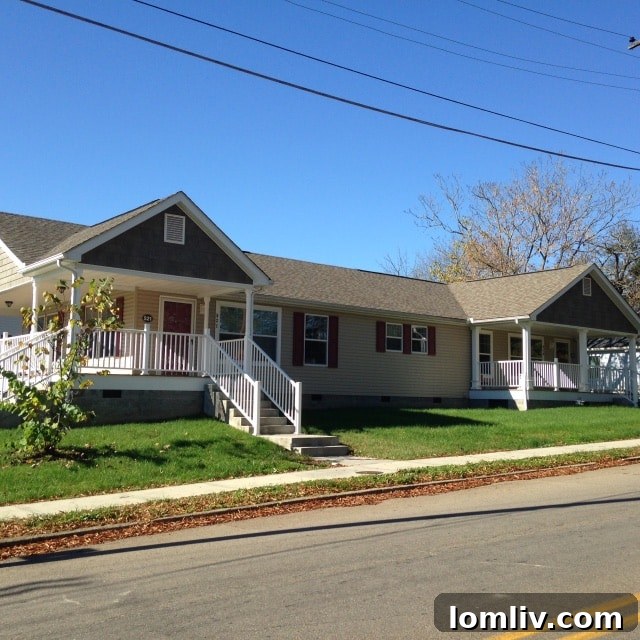
When NeighborWorks Waco sought innovative solutions for their community’s housing needs, they partnered with Next Step Network to design a duplex that addressed specific local requirements. The goal was to create a home that was energy-efficient, architecturally compatible with existing neighborhoods, and could be built quickly and affordably. This collaboration led them to the Clayton Homes Waco facility, a local manufacturing plant ready to bring their vision to life.
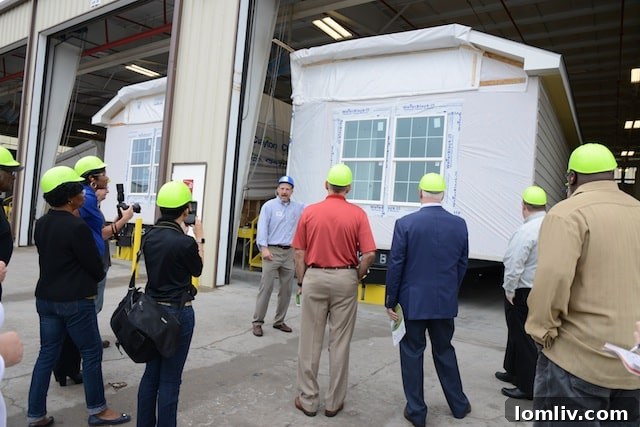
The resulting duplex is a testament to the capabilities of modern modular construction. Importantly, it is built to city building codes, rather than the national HUD code typically associated with manufactured homes, granting it greater flexibility in placement and integration. We recently had the opportunity to witness the completion of the first of these homes, and the quality was genuinely impressive. Features include:
- A higher 5/12 roof pitch, contributing to a more traditional, residential appearance.
- Durable Hardie Panel lap siding, known for its longevity and aesthetic appeal.
- Each side of the duplex offers three bedrooms and two full baths, providing ample space for families.
- Interior finishes that defy expectations for affordable housing, such as tumbled stone backsplashes, abundant kitchen cabinets, and high-quality countertops.
- Exceptional energy efficiency, designed to reduce long-term utility costs for residents.
This project showcases how factory-built housing can meet stringent architectural and quality standards while remaining affordable. With over 2,000 empty lots in Waco that could benefit from such housing, the potential impact is immense. One can only imagine the transformative effect a similar initiative could have on Dallas, a city undoubtedly possessing a far greater number of underutilized parcels.
Unlocking Dallas’s Infill Potential with Efficient Construction
As an Oak Cliff resident, I’ve observed firsthand the inefficiencies of traditional construction on infill lots within Dallas. Managing multiple subcontractors traveling between scattered sites for projects that aren’t multi-million dollar custom homes is inherently costly and time-consuming. This decentralized approach drives up labor and material costs, making it nearly impossible to deliver truly affordable housing through conventional methods on these smaller, often challenging urban plots.
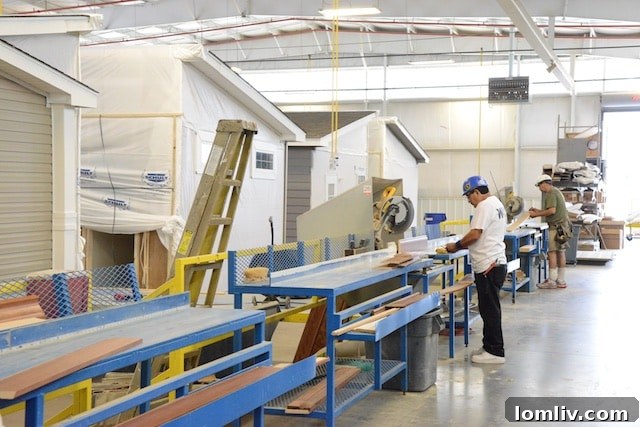
Factory-built housing directly addresses these challenges. By consolidating almost all construction within a controlled plant environment, it centralizes the labor force, optimizes material flow, and drastically reduces logistical complexities. This “lean manufacturing” approach not only lowers costs and accelerates delivery but also makes it an inherently greener form of building. Less driving around town for each task means reduced fuel consumption and a smaller carbon footprint. This presents a golden opportunity for Dallas to strategically utilize its numerous empty lots, bringing locally built, energy-efficient, and genuinely affordable homes to neighborhoods much faster and more economically.
Industry Leadership and a Vision for the Future
The Clayton Homes Waco plant serves as a shining example of what is currently achievable. Witnessing the construction process, from the installation of drywall and flat ceilings to gourmet kitchens featuring hardwood cabinets and even granite countertops, is truly eye-opening. Homes are completed in days, not months, all while maintaining an impeccable standard of cleanliness and meticulous management throughout every stage of construction.
Clayton Homes isn’t just a regional player; it is, in fact, the largest home builder in the United States. In 2015 alone, they constructed over 34,000 homes, surpassing even the largest site builder, DR Horton, which built just over 30,000. As a Berkshire Hathaway company, Clayton Homes benefits from the discerning eye of Warren Buffett, who clearly recognizes the immense value and potential of this modern form of construction. Their scale, expertise, and commitment to quality make them an invaluable partner in addressing housing shortages.
A Clear Path Forward: What is Dallas Waiting For?
The solutions to Dallas’s affordable housing crisis are not some distant, theoretical concepts. They are tangible, proven, and operating right in our own backyard. We have established partners like Next Step Network, NeighborWorks, and industry giants like Clayton Homes, all poised and ready to collaborate. The knowledge, technology, and infrastructure are readily available to implement effective, sustainable, and affordable housing initiatives today.
The time for hesitation and outdated resistance is over. Dallas has a unique opportunity to learn from Waco’s success, leverage modern construction techniques, and embrace innovative partnerships. Imagine a Dallas where every hard-working family can find a decent, affordable place to call home; where vacant lots are revitalized with beautiful, energy-efficient housing; and where the city’s commitment to its residents extends to ensuring fundamental housing security. As a Lifestylist, I believe passionately in this vision and the immediate potential for positive change. The blueprint is clear, the partners are willing, and the need is urgent. Who is ready to join me in making this happen for Dallas?