Tomorrow marks a pivotal moment for Dallas, as citizens head to the polls to make critical choices that will undoubtedly shape the city’s trajectory. This election is not just about one position; it’s about electing a new Mayor, filling 14 City Council seats, and selecting members for the DISD school board. The significance of these local elections cannot be overstated, as they directly influence everything from public services and urban development to property values and educational quality across Dallas neighborhoods. Polls are conveniently open from 7 am to 7 pm, providing ample opportunity for every eligible voter to cast their ballot and ensure their voice is heard in this crucial democratic process.
Despite the profound impact these decisions have on daily life, voter turnout in local Dallas elections has historically been a significant concern. Projections for this election indicate a paltry 7% participation rate, a figure that starkly contrasts with the 13% seen in the two preceding election cycles. Such low engagement raises critical questions about civic participation and the future of representative governance in a major metropolitan area. When only a small fraction of the electorate participates, the risk of having policies and leadership that do not truly reflect the broader community’s interests increases. It compels us to ponder: are citizens inadvertently opting for decisions made by a select few rather than actively shaping their leadership through the ballot box?
Based on early-voting patterns, election officials expect a paltry turnout. And because most contested council races feature crowded fields — there are nine candidates in one southern Dallas district — those races will almost surely go to June runoffs, where turnout is often even worse. “I don’t see us hitting the numbers we had in the last mayor’s race — not that those numbers were good,” said Dallas County Elections Administrator Toni Pippins-Poole. Four years ago, when Mike Rawlings was elected mayor, 13 percent of the city’s registered voters turned out for the general election. Two years later, with no mayoral race on the ballot, the council elections attracted only 6.9 percent. “These low turnouts are now normal for local elections,” Pippins-Poole said.
The observations from Dallas County Elections Administrator Toni Pippins-Poole paint a concerning picture of voter apathy. Her remarks highlight that low turnout has become an unfortunate norm for local elections, even when the mayor’s office is contested. This trend is particularly problematic given that many City Council races involve numerous candidates, often leading to runoffs where voter engagement typically drops even further. Such persistent disengagement can create a significant disconnect between the electorate and its elected officials, potentially resulting in governance that lacks broad popular mandate and fails to address the city’s evolving challenges effectively. Active participation is essential to ensure that the diverse perspectives and urgent needs of Dallas residents are adequately represented at City Hall.
Understanding the Stakes: Critical Issues Facing Dallas
The implications of this low civic engagement are vast, affecting the very fabric of Dallas’s future. By last Wednesday, only about 20,000 early votes had been cast, underscoring a widespread detachment from municipal affairs. Many residents admit to being unaware of the critical discussions and proposed plans at City Hall. Major initiatives such as the controversial Trinity Tollroad project, the comprehensive Beasley Plan for urban development, and various political dramas, including the widely discussed potential felony charge against City Councilman Scott Griggs—which many viewed as highly questionable—often fail to capture public attention. While the demands of modern life undoubtedly consume much of our time and energy, the collective impact of this disengagement can significantly steer the city’s direction away from the populace’s best interests.
These local issues, though seemingly distant from daily routines, have a profound and direct impact on the lives of Dallas residents, particularly concerning Dallas real estate and economic stability. Decisions made by the Mayor and City Council affect property taxes, zoning regulations, infrastructure investments, and the quality of public services, all of which are crucial factors for homeowners, businesses, and potential new residents. For example, a well-managed city with robust infrastructure and effective leadership tends to see more stable and appreciating property values, making it an attractive place for long-term investment. Conversely, inaction or poor decision-making can lead to stagnation, decreased quality of life, and a potential exodus of residents and capital. Therefore, understanding these issues and actively participating in the electoral process is not just a civic duty, but a strategic investment in the collective prosperity and livability of Dallas.
The Mayoral Race: Incumbency vs. Challenge
The Dallas mayoral race presents a compelling dynamic between the incumbent, Mayor Mike Rawlings, and challenger Marcos Ronquillo. Mayor Rawlings, a seasoned political figure, has presided over Dallas during a period of significant economic growth and has championed various initiatives aimed at enhancing the city’s profile and tackling key urban challenges. His established track record offers a clear vision of continuity and experience. On the other hand, Marcos Ronquillo emerges as an underdog, presenting an alternative vision for Dallas that often critiques the current administration’s priorities and proposes a more fundamental shift in governance.
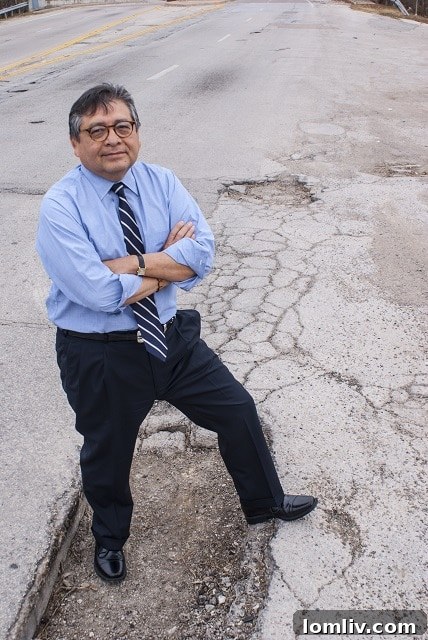
Ronquillo’s campaign has resonated with many by shining a spotlight on what he perceives as a neglect of basic city services and infrastructure. He frequently cites instances such as the reported lack of adequate fire and ambulance services in areas like Mountain View, highlighting a broader issue of unequal resource distribution across Dallas’s diverse communities. A cornerstone of his platform, which has gained considerable traction, is the urgent need to address Dallas’s deteriorating road infrastructure. The ubiquitous problem of “potholes,” as Ronquillo has often emphasized, is not merely an inconvenience but a symptom of the estimated $9 billion in infrastructure needs plaguing the city. These neglected areas directly impact residents’ quality of life, local commerce, and the overall appeal of Dallas as a place to live and work. A robust infrastructure, after all, is a foundational element for a thriving Dallas real estate market and sustained economic development.
Challenging the Status Quo: A Call for Authentic Leadership
A core tenet of Marcos Ronquillo’s campaign is encapsulated in his powerful statement: “We really need to get away from a system where our mayors are picked for us.” This sentiment speaks to a desire for more transparent, community-driven leadership and a departure from what some perceive as an entrenched political establishment. The implication is that when leadership is not genuinely representative or is seen as pre-selected, Dallas risks losing its appeal to those looking to move or live in a city where their voices truly matter. This can have significant consequences, potentially driving families and businesses to seek more responsive and community-oriented environments in the surrounding suburbs, thereby hindering Dallas’s ability to retain talent and foster diverse growth.
This concern is further amplified by resident feedback regarding property taxation, a critical issue for Dallas real estate. A frustrated local resident shared an account of their properties in “better parts of Dallas” being hit with “over $300,000 increases in value,” while other areas were seemingly left untouched. This points to a perceived disparity in how the appraisal district assesses residential versus commercial property values, often placing a disproportionate burden on homeowners. The resident’s poignant observation—”If the people of Dallas had some gumption this would not be allowed, these tax increases should provide a great quality of life and resources for the citizens of Dallas, but sadly that is not the case, it provides a great quality of life for the higher ups and their salaries and waste”—highlights a deep-seated demand for greater accountability in tax revenue utilization and equitable distribution of financial responsibilities across all property types in Dallas.
The Disappearing Middle Class: A Socio-Economic Challenge
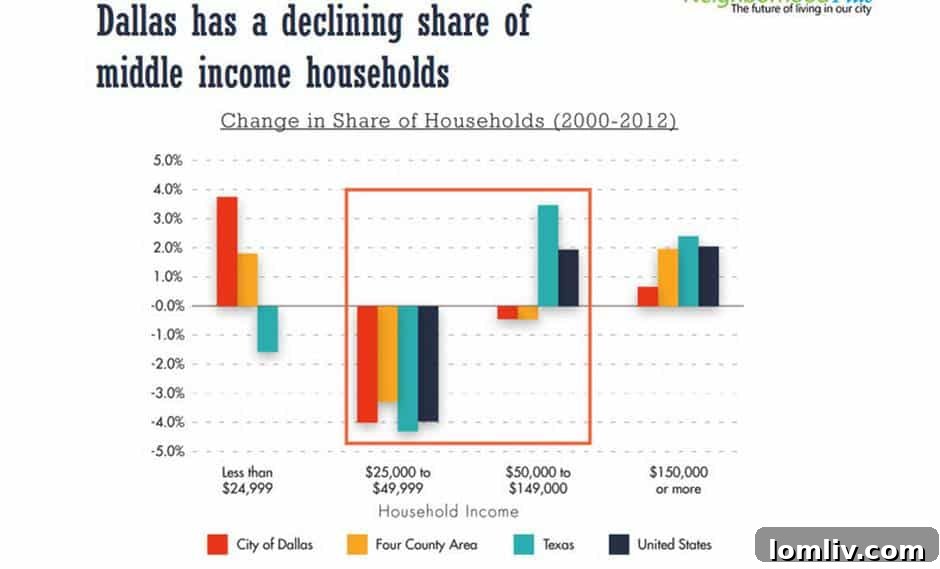
Marcos Ronquillo has repeatedly voiced alarm over Dallas’s rapidly polarizing socio-economic landscape, which he believes is increasingly becoming a city for only the very rich and the very poor. This concerning trend is underpinned by striking statistics: the average income around the city’s opulent $12 million Horsepark, for instance, is a mere $20,000 annually. More profoundly, a staggering 38% of Dallas children live in poverty, positioning Dallas with the highest percentage of children in poverty among the top nine U.S. cities with populations of 7 million or more. Such disparities pose immense challenges for social mobility, future homeownership prospects, and the overall economic health of the city.
The contemporary Dallas housing market only compounds this issue. The proliferation of new, high-end apartment complexes frequently demands rent upwards of $2,000 for a one-bedroom unit, rendering affordable housing an increasingly elusive dream for middle-income families. This escalating cost of living, coupled with other factors, is actively pushing the middle class out of Dallas proper and into surrounding suburban communities such as Frisco, Allen, Celina, and Lucas. This exodus not only depletes the city’s economic diversity and human capital but also impacts the long-term sustainability of its tax base. Ronquillo emphasizes that without a robust middle class, Dallas risks losing its vibrant community fabric and its potential for inclusive growth.
Compounding these economic pressures, Ronquillo has also pointed to the rising crime rates in Dallas as another significant factor contributing to the middle-class flight. The confluence of housing unaffordability, public safety concerns, and the perceived decline in public services creates an untenable situation for many residents. As detailed in various reports, these challenges often force Dallas inhabitants into a difficult predicament:
The housing situation, the report found, forces Dallas residents to choose: Buy less-than-desirable places to live, stretch budgets for something nicer, or flee to the suburbs for a better fit.
This stark choice underscores the urgent need for comprehensive urban strategies that can cultivate an environment where a diverse range of incomes can thrive within the city. The implications for Dallas real estate are profound; a city that fails to retain its middle class risks becoming less economically stable, less socially cohesive, and ultimately, less appealing for sustained investment and family life. Addressing these issues is paramount for ensuring Dallas’s long-term prosperity and desirability.
Marcos Ronquillo’s Five-Point Plan for Dallas Real Estate and Urban Renewal
Marcos Ronquillo’s campaign platform is anchored by five strategic priorities aimed at revitalizing Dallas and specifically fortifying its real estate market, making it more equitable and attractive for all residents. These points represent a comprehensive vision for addressing current challenges and fostering sustainable, long-term prosperity:
- Enhance Connectivity Between Neighborhoods: Ronquillo advocates for improving both physical and social linkages across Dallas’s diverse neighborhoods. This strategy extends beyond merely building new roads; it encompasses initiatives that foster community interaction, facilitate access to shared resources, and integrate previously disconnected areas. Greater connectivity can significantly boost property values city-wide by making all districts more accessible, vibrant, and integral to the broader urban experience.
- Revise Transportation Policy Towards Public Transportation: A fundamental shift is proposed in Dallas’s transportation paradigm, moving away from a car-centric model to one that prioritizes robust public transportation. Ronquillo champions infrastructure development that expands light rail and other public transit options directly into residential neighborhoods. This approach is designed to “move people, not cars,” aiming to alleviate traffic congestion, promote environmental sustainability, and enhance accessibility for all residents, which, in turn, can profoundly increase the appeal and value of properties located near efficient transit hubs.
- Bring the Middle Class Back to Dallas: A central pillar of Ronquillo’s vision is to reverse the accelerating exodus of the middle class from Dallas. This requires implementing comprehensive policies that address housing affordability, stimulate job creation, and enhance overall quality of life factors. By cultivating an urban environment where middle-income families can genuinely afford to live, work, and thrive, Dallas can restore its economic diversity and strengthen its foundational community structures. The resurgence of a strong middle class is indispensable for a stable and vibrant Dallas real estate market.
- Strengthen Our Public Schools: Recognizing that the quality of public education is a primary determinant for families deciding where to live, Ronquillo stresses the paramount importance of investing in and substantially improving the Dallas Independent School District (DISD). Strong, high-performing schools are crucial for attracting and retaining families within the city limits. Enhanced educational institutions not only elevate neighborhood appeal but also contribute significantly to community development and the long-term appreciation of residential real estate values.
- Create More Variety in Single-Family Housing Options: To diversify and strengthen Dallas’s property tax base and cater to the varied housing needs of its population, Ronquillo emphasizes the critical need for expanding the array of single-family housing options. This strategy aims to provide a more accessible and diverse range of choices for different income brackets and family sizes, moving beyond the current dominance of luxury developments. By offering a broader spectrum of housing solutions, Dallas can better retain its existing residents, attract new families, and ensure a stable, diversified property tax base that effectively supports city services and infrastructure improvements for years to come.
The Imperative of Civic Engagement for Dallas’s Enduring Future
The intricate web of issues discussed—ranging from alarmingly low voter turnout and the distinct mayoral visions to pressing infrastructure needs and the ongoing challenge of retaining the middle class—are inextricably linked threads in the rich tapestry of Dallas’s future. The city undeniably stands at a critical juncture, with decisions made by its leadership today poised to dictate its trajectory for decades to come. Whether these choices involve the strategic development of new transportation networks, ensuring the equitable distribution of essential city services, or implementing effective strategies to foster a diverse and thriving population, every facet of urban life is fundamentally shaped and influenced by the electoral process. Therefore, robust civic engagement transcends mere formality; it is an active, indispensable contribution to the collective well-being, economic vitality, and sustained prosperity of Dallas.
Ultimately, the immense power to shape Dallas’s destiny rests firmly in the hands of its citizens. By actively participating in local elections, voters not only reaffirm their unwavering commitment to democratic principles but also dynamically contribute to the ongoing dialogue about the city’s most pressing priorities. It represents an invaluable opportunity to ensure that leaders are chosen based on their compelling vision for an inclusive, meticulously well-maintained, and economically vibrant Dallas for all. The conscious choice to vote is, in essence, a profound investment in the city’s future—a steadfast commitment to ensuring that the critical issues directly impacting Dallas real estate, the efficacy of public services, and the crucial fabric of community development are addressed with the utmost diligence, foresight, and comprehensive representation. Your vote is far more than a preference; it is your powerful voice, and it is imperative to utilize it to help construct the Dallas you truly envision.