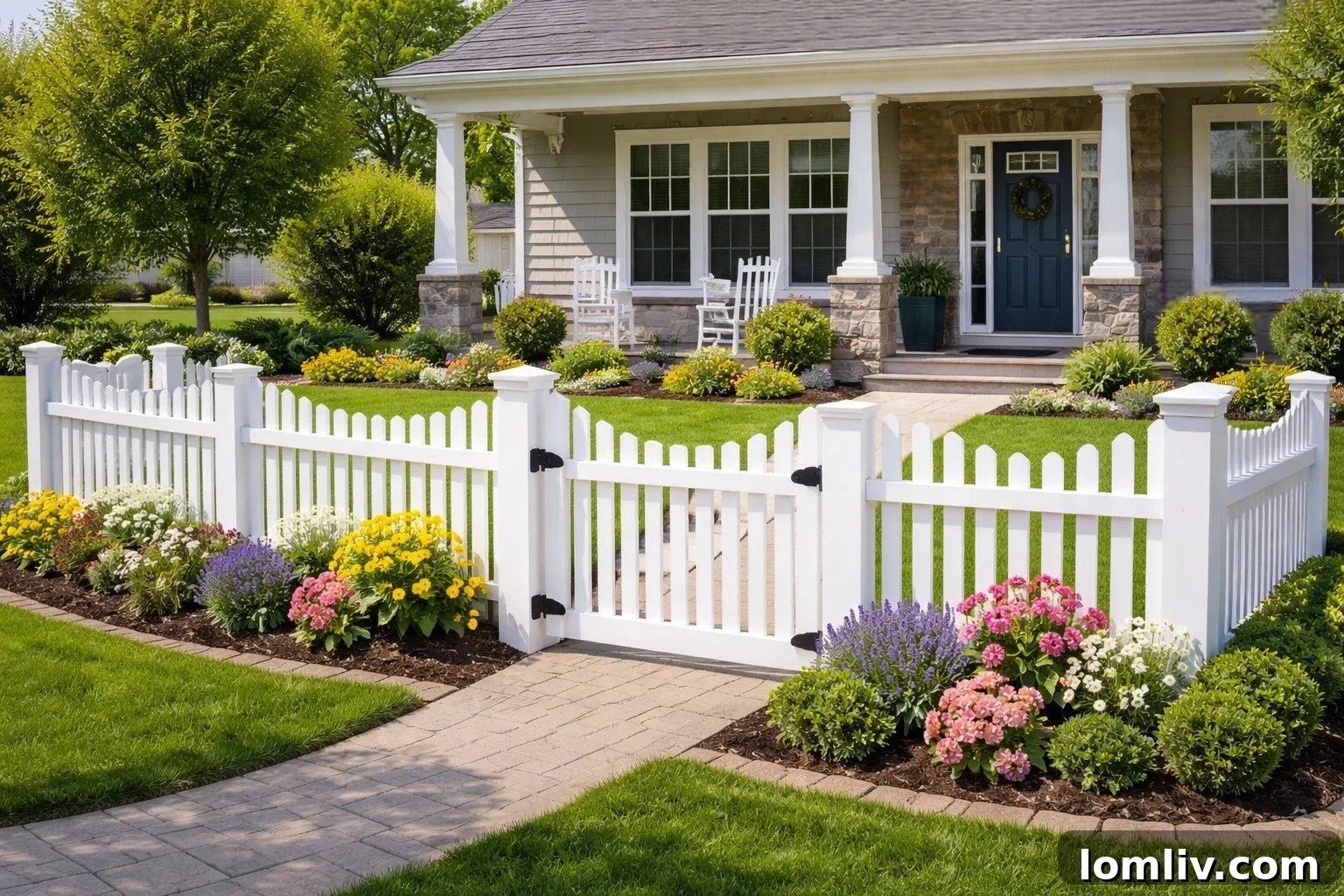
Navigating the best fencing options for your home in the Pacific Northwest can be challenging, especially when weighing the merits of vinyl versus wood. The definitive answer for Washington State homeowners often boils down to this: vinyl fencing offers superior longevity and significantly lower maintenance costs, particularly when exposed to the region’s relentless wet climate. Conversely, wood fencing provides a more budget-friendly initial investment and a classic, natural aesthetic that many homeowners find irresistible. The ultimate choice hinges on your financial priorities, your long-term plans for the property, and your willingness to commit to ongoing upkeep.
What sets the Pacific Northwest apart from other regions, and why is its climate such a critical factor? Unlike drier states, Washington State experiences unique weather patterns, from the constant rainfall in Seattle and the coastal areas to the extreme freeze-thaw cycles of Spokane, and the persistently damp winters of Tacoma. These conditions are exceptionally harsh on fencing materials, dramatically accelerating issues like wood rot, fungal growth, mildew, and structural degradation. An informed decision, tailored to the specific challenges of the PNW, is paramount to ensure your fence not only looks good but genuinely stands the test of time.
This comprehensive guide delves deep into the performance of both vinyl and wood fencing materials, examining them through the lenses of upfront costs, long-term expenses, durability, maintenance requirements, aesthetic appeal, and local code considerations. By dissecting each aspect with a focus on Washington State’s environment, we aim to equip you with the knowledge to make a fencing choice that offers lasting value and peace of mind for your Pacific Northwest property.
Decoding Fence Material Performance in the Pacific Northwest Climate
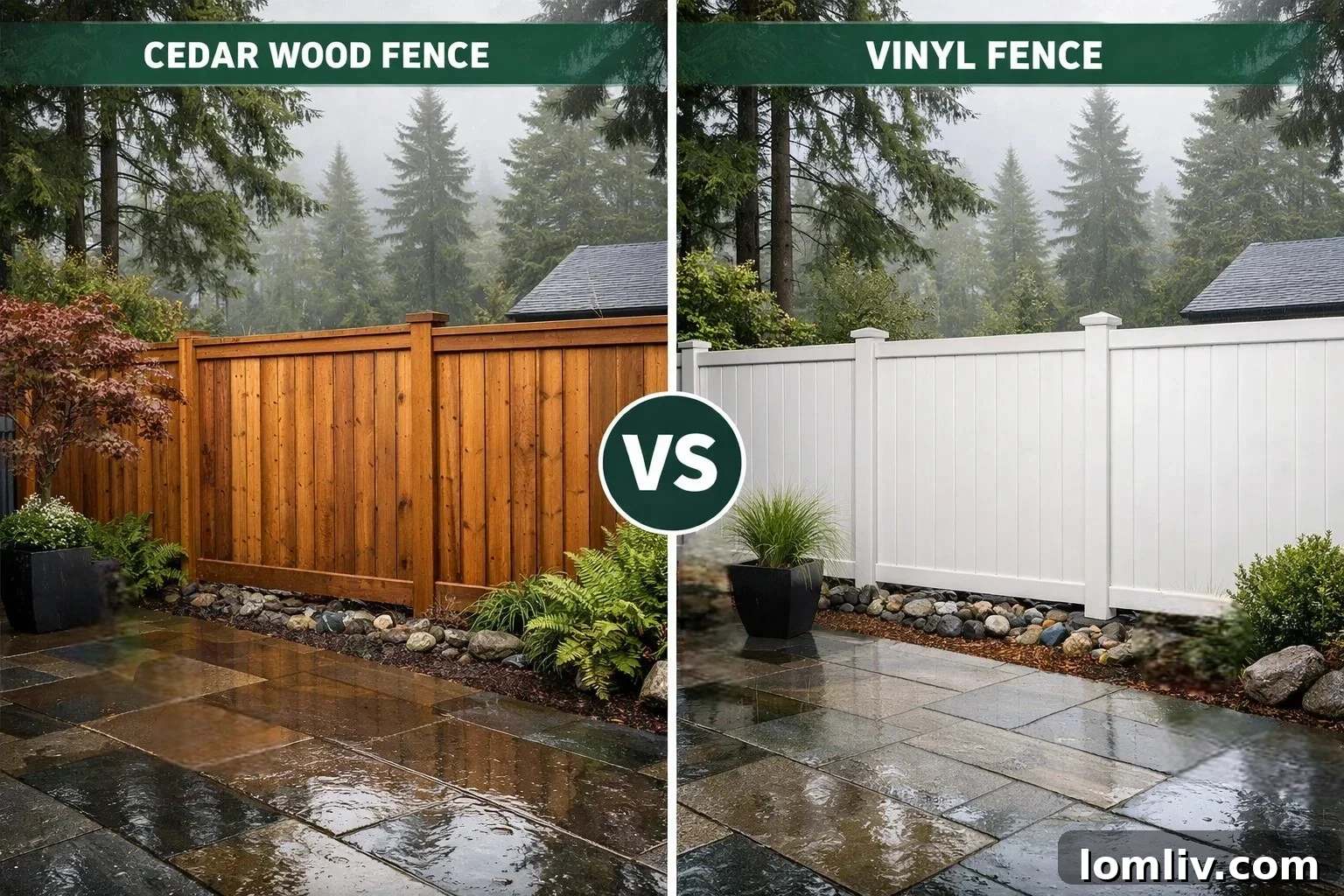
The Pacific Northwest is renowned for its lush landscapes, a direct result of its abundant rainfall. Seattle alone averages between 37 and 38 inches of rain annually, with many western Washington communities experiencing even higher totals. This consistent moisture is the primary antagonist for most outdoor structures, especially fences.
Wood fencing, even when made from naturally resistant species like cedar or pressure-treated Douglas fir, is inherently porous. It absorbs moisture from rain, fog, and even damp air. This absorption leads to a continuous cycle of expansion and contraction with seasonal temperature fluctuations, weakening the wood fibers over time. Without diligent and consistent maintenance, wood becomes highly vulnerable to fungal decay, moss and algae growth, and insect infestation within a mere 5 to 10 years, drastically shortening its lifespan in the PNW climate.
Vinyl fencing, in stark contrast, is crafted from polyvinyl chloride (PVC), a non-porous material. This means it simply does not absorb rainwater or humidity, effectively eliminating the risk of rot, swelling, or warping. Its smooth surface and chemical composition also make it exceptionally resistant to mold and mildew, which are pervasive problems in the region’s humid environments. Furthermore, modern vinyl fences are engineered with UV inhibitors to prevent sun damage and fading, ensuring their color integrity over decades.
In areas like Spokane, where winters bring hard freezes and dramatic temperature drops, vinyl’s inherent flexibility is a significant advantage. Unlike some rigid wood species that can become brittle and prone to cracking or splitting under sharp temperature declines, vinyl retains its structural integrity, making it a more reliable choice for regions with severe winter weather.
Key Climate Performance Factors Explained
- Moisture Resistance: Vinyl excels due to its non-porous nature, offering complete immunity to water absorption. Wood performs poorly without rigorous annual sealing and treatment, which forms a temporary barrier.
- Mold and Mildew Resistance: Vinyl is superior, its smooth, non-absorbent surface actively repelling fungal growth. Wood is fair to poor, requiring regular cleaning and preventative treatments to combat persistent mold and mildew in humid PNW conditions.
- Freeze-Thaw Stability: Vinyl demonstrates good performance, its flexibility allowing it to withstand extreme temperature shifts without cracking. Wood’s performance is fair and highly dependent on the specific species and its treatment, with some woods being more prone to splitting.
- UV Fading: Vinyl exhibits moderate resistance, with high-quality products incorporating UV inhibitors to prevent significant color degradation over many years. Wood faces significant challenges, naturally graying and weathering without consistent staining or painting to protect against sun exposure.
- Wind Load: Both materials perform comparably when properly installed. The strength of the fence against PNW winds largely depends on the foundation – specifically, the depth and stability of the posts, which are ideally pressure-treated and securely set in concrete, regardless of the fence panel material.
- Pest Resistance: Vinyl is completely impervious to termites, carpenter ants, and other wood-boring insects. Wood, even treated, can be susceptible to these pests over time, particularly as treatments wear off.
- Algae and Moss Growth: Vinyl is much less prone to algae and moss, which tend to cling to porous, damp surfaces. Wood in the PNW is a prime candidate for these growths, requiring frequent cleaning to maintain appearance and prevent decay.
Upfront Costs: Vinyl vs. Wood Fencing in Washington State
When planning a new fence installation in Washington State, the initial investment is often a primary concern for homeowners. Material costs are dynamic and can fluctuate based on supply chain issues, lumber prices, and PVC resin costs. However, current market conditions in Washington State generally present a clear distinction between vinyl and wood. It is always advisable to obtain multiple, itemized quotes from reputable local suppliers and licensed contractors for the most current and accurate pricing tailored to your specific project.
| Fence Type | Material Cost (per linear foot) | Installation Cost (per linear foot) | Total Installed Estimate |
|---|---|---|---|
| Pressure-Treated Wood | $8–$15 | $10–$20 | $18–$35/LF |
| Cedar Wood | $12–$20 | $10–$20 | $22–$40/LF |
| Vinyl (standard) | $15–$25 | $12–$22 | $27–$47/LF |
| Vinyl (premium) | $22–$35 | $12–$22 | $34–$57/LF |
These figures represent typical installed costs in the highly competitive Seattle-Tacoma metropolitan area, encompassing labor, materials, and disposal. Pricing in more rural areas of Washington or in cities like Spokane may differ, often by 10 to 20 percent, potentially due to variations in local labor rates and material transportation costs. Factors influencing these estimates include the fence height, style (e.g., picket, privacy, semi-privacy), the terrain of your property, ease of access for installers, and specific material grades (e.g., clear cedar vs. knotty cedar, standard vinyl vs. heavy-duty vinyl). Always ensure your contractor provides a detailed, itemized quote to avoid hidden fees.
To put these figures into perspective, consider a common scenario: a standard 150-linear-foot backyard fence, typical for suburban lots in King County or Pierce County. Based on the estimates:
- Cedar wood fence: Expect to pay approximately $3,300 to $6,000 for professional installation.
- Standard vinyl fence: Expect to pay approximately $4,050 to $7,050 for professional installation.
Clearly, wood fencing holds the advantage regarding upfront costs. However, this initial saving represents only a fraction of the total investment over the fence’s lifespan. The true cost calculation extends far beyond the day of installation, bringing into focus the significant long-term expenses that homeowners often overlook.
Long-Term Costs: Where the Real Differences Emerge in the PNW
This is where the financial comparison between vinyl and wood fencing truly diverges, particularly for homeowners in the Pacific Northwest. While wood may be cheaper initially, its susceptibility to the region’s wet climate necessitates a substantial ongoing investment to preserve its structural integrity and aesthetic appeal. Neglecting this maintenance in Washington State almost guarantees premature deterioration and expensive repairs or even early replacement.
Typical Wood Fence Maintenance Costs in Washington State:
- Annual Cleaning and Inspection: This essential step, which you might do yourself ($0) or hire a professional for ($100-$200), involves power washing to remove moss, algae, and dirt, followed by a thorough inspection for signs of rot, loose boards, or pest damage. This preventive measure helps extend the life of the fence by addressing issues early.
- Staining or Sealing Every Two to Three Years: To protect wood from moisture and UV damage, a high-quality stain or sealant must be applied regularly. For a 150-linear-foot fence, this can cost anywhere from $300 to $800, depending on the product, whether you do it yourself or hire a painter, and the labor involved. This expense is recurring and crucial for longevity in the PNW.
- Board Replacement Due to Rot or Warping: Even with diligent maintenance, individual boards or sections of a wood fence in the PNW are likely to succumb to rot or warping, typically within 8 to 12 years. Replacing a single section can cost $50 to $150, including materials and labor. These repairs can add up significantly over time.
- Full Fence Replacement: Given the challenging PNW conditions, a wood fence generally requires complete replacement every 15 to 20 years, even with good maintenance. This represents a substantial future expense, often comparable to the original installation cost.
- Pest Treatment: In some cases, localized pest infestations (e.g., carpenter ants) may require professional treatment, adding an unforeseen cost.
Vinyl Fence Maintenance Costs:
- Annual Rinse-Down: The primary maintenance for a vinyl fence is a simple wash with a hose and mild soap to remove dirt or surface grime. This can be a DIY task costing virtually $0, or a professional cleaning for $50 to $100. This is significantly less intensive than wood fence cleaning.
- Panel or Post Replacement: Vinyl fences are remarkably durable. Replacement of panels or posts due to manufacturing defects or normal wear is rarely needed within 25 to 30 years. Any damage usually results from severe impact, like a vehicle collision, rather than environmental factors.
- Typical Manufacturer Warranty: Most high-quality vinyl fences come with extensive warranties, ranging from 20 years to a lifetime, depending on the brand. This provides significant peace of mind and protection against material defects.
When calculating the total cost of ownership over a 20-year period, the financial disparity becomes stark. A cedar wood fence in western Washington can accrue an additional $2,000 to $5,000 in cumulative maintenance costs on top of its initial installation. This doesn’t even account for the value of your time spent on maintenance activities.
In contrast, a vinyl fence over the same two decades may incur minimal additional spending beyond occasional cleaning. If you consult with a contractor experienced in vinyl and wood fence installation Washington State, they can provide a detailed, side-by-side cost projection that accounts for your specific property size, local labor rates, and current material pricing, giving you a clear financial picture for the long term.
Aesthetic Considerations: What Local Homeowners Actually Prefer
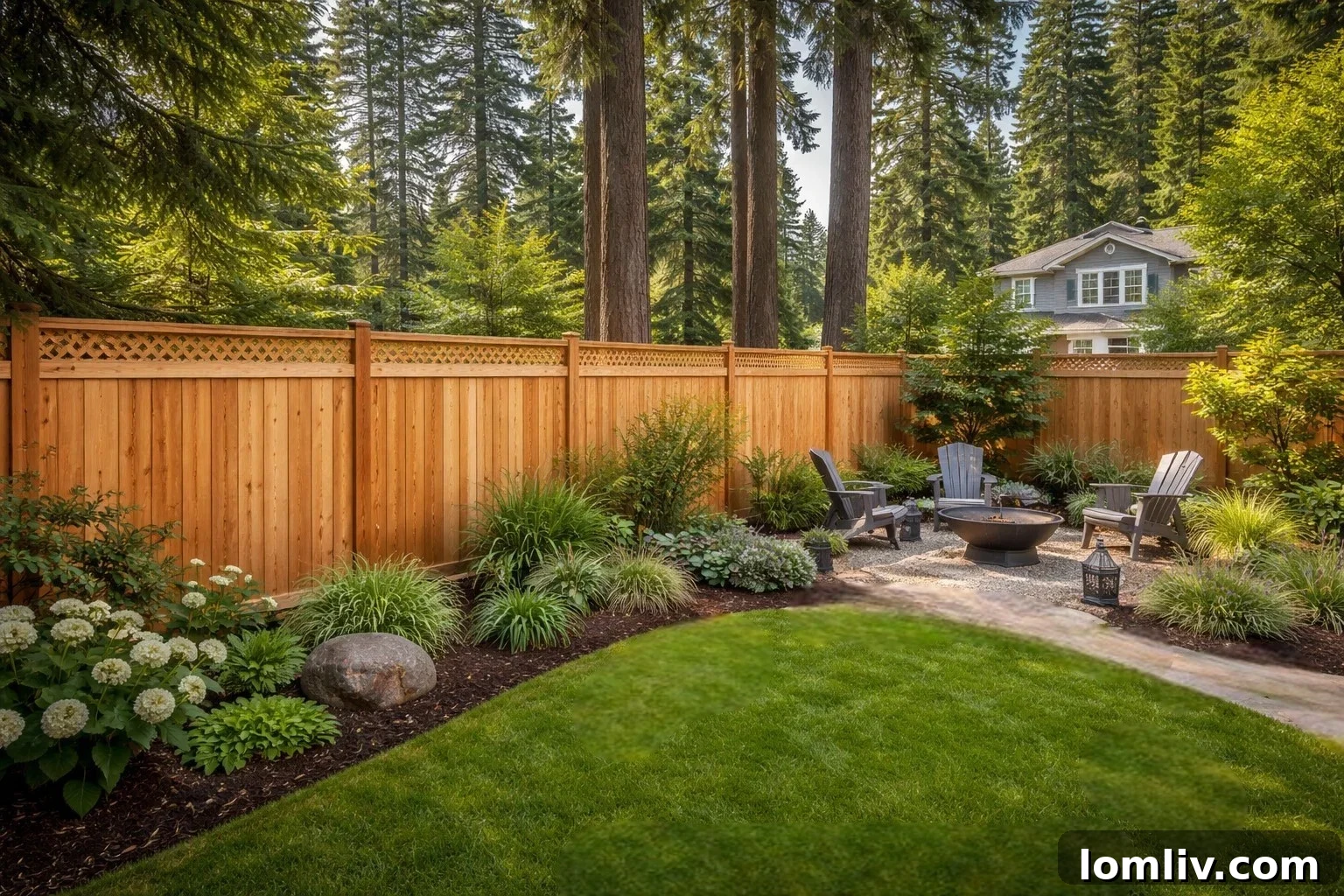
Beyond cost and durability, the aesthetic appeal of a fence plays a pivotal role in a homeowner’s decision, often influencing curb appeal and property value. Despite the practical advantages of vinyl, a stroll through established neighborhoods in Bellevue, Olympia, or Spokane Valley quickly reveals that cedar fencing continues to dominate residential streets. There’s a compelling reason for this enduring popularity: wood fencing possesses an inherent warmth, organic texture, and natural variation that vinyl, despite technological advancements, has yet to perfectly replicate.
Pacific Northwest homeowners, in particular, often appreciate the way cedar weathers gracefully to a soft, silvery-gray patina over time. This natural aging process allows the fence to blend seamlessly with the region’s lush, often muted natural surroundings, creating a harmonious landscape that a stark white vinyl picket fence might struggle to achieve. Wood’s natural grain and imperfections add character, creating a sense of history and integration with the environment that synthetic materials often lack.
Furthermore, in communities with a strong architectural aesthetic or active Homeowners Association (HOA) design guidelines, wood fencing may not just be a preference but a mandatory requirement. HOAs often stipulate approved materials, colors, and styles to maintain neighborhood uniformity and property values, with natural wood frequently being the default or preferred option.
Where Vinyl Wins on Aesthetics:
- Modern and Uniform Look: Vinyl is ideal for achieving tall, uniform, and completely gap-free privacy panels, offering a sleek, contemporary appearance.
- Color Consistency: It provides consistent color over decades, without the fading, graying, or algae stains common to wood, maintaining a pristine look with minimal effort.
- Contemporary Home Styles: Perfectly complements modern or minimalist home exteriors, enhancing their clean lines and understated elegance.
- Low-Maintenance Situations: An excellent choice for rental properties, side yards, or busy homeowners who prioritize aesthetics without the burden of upkeep.
- Variety of Styles and Colors: While traditionally known for white, modern vinyl comes in a wide array of colors, including popular tan, gray, and even realistic wood-grain textures, offering more design flexibility than ever before.
Where Wood Wins on Aesthetics:
- Traditional Architectural Harmony: The quintessential choice for traditional Craftsman, farmhouse, or cottage-style homes, where its natural charm enhances the architectural integrity.
- Natural Neighborhood Integration: Blends effortlessly into neighborhoods where natural materials and organic landscapes are the norm, promoting a cohesive community feel.
- Customization Potential: Offers unparalleled flexibility for custom heights, angles, decorative cuts, lattice tops, or unique post caps, allowing for bespoke design elements.
- Personalized Color Palette: Homeowners have the freedom to stain or paint their fence any color, enabling them to change its appearance to match evolving tastes or exterior renovations over time.
- Warmth and Authenticity: Provides an authentic, warm, and inviting ambiance that synthetic materials struggle to emulate, enhancing the natural beauty of the garden and outdoor living spaces.
Local Permitting and Code Requirements in Washington State
Before any fence installation, whether wood or vinyl, homeowners in Washington State must navigate local building codes and municipal permit requirements. Ignoring these regulations can lead to costly fines, mandatory corrections, or even the removal of the fence. While specific rules vary significantly by city and county, most jurisdictions in WA mandate a fence permit for structures exceeding six feet in height.
For instance, in a dense urban environment like Seattle, fences taller than six feet in front yards typically necessitate a land use permit in addition to a standard building permit. This extra step is often related to maintaining neighborhood character, ensuring adequate light and air, and preventing visual obstructions. Always verify the specific requirements with your local planning or building department before commencing any work.
General Fence Permitting Guidelines for PNW Homeowners:
- Fences Under Six Feet: In most local jurisdictions across Washington State, fences that are under six feet in height generally do not require a permit. However, this is a general guideline, and specific city ordinances may differ, especially for front yard fences.
- Fences Six Feet or Taller: A permit is almost always required for fences measuring six feet or taller. Crucially, setback rules will apply, dictating how far the fence must be from property lines, sidewalks, and streets. These rules are in place to ensure public safety, access, and neighborhood aesthetics.
- Corner Lots: Properties located on corner lots are subject to special visibility triangle restrictions. These regulations aim to prevent fences from obstructing the line of sight for drivers at intersections, ensuring safety. This often means fences in these areas must be significantly shorter.
- Homeowners Association (HOA) Approval: If your property is within a planned community or suburban development governed by an HOA, obtaining their approval is a prerequisite before you can even apply for a municipal permit. HOAs typically have strict guidelines regarding fence materials, styles, colors, and heights to maintain community aesthetic standards.
- Property Surveys: It is highly recommended, and sometimes required, to have a recent property survey to accurately identify property lines before installing a fence. This prevents costly disputes with neighbors and ensures compliance with setback regulations.
Critically, the material choice itself – whether vinyl or wood – rarely impacts permit eligibility. Both vinyl and wood fences meet structural requirements when properly installed with posts set to the correct depth, which is typically one-third of the post height plus an additional six inches for stability (e.g., a 9-foot post requires a 3.5-foot deep hole). Instead, local authorities focus on the fence’s height, its exact placement on the property, and the structural integrity of the post installation method, regardless of the aesthetic material.
For homeowners in Seattle, Tacoma, or Spokane navigating these complex local permit requirements, engaging a licensed fencing contractor Seattle offers significant advantages. An experienced professional can manage the permit application process, ensure compliance with all current local codes, and ultimately save you time, stress, and the potential for costly corrections down the line.
Resale Value: Does Material Affect Your Home’s Sale Price in the PNW?
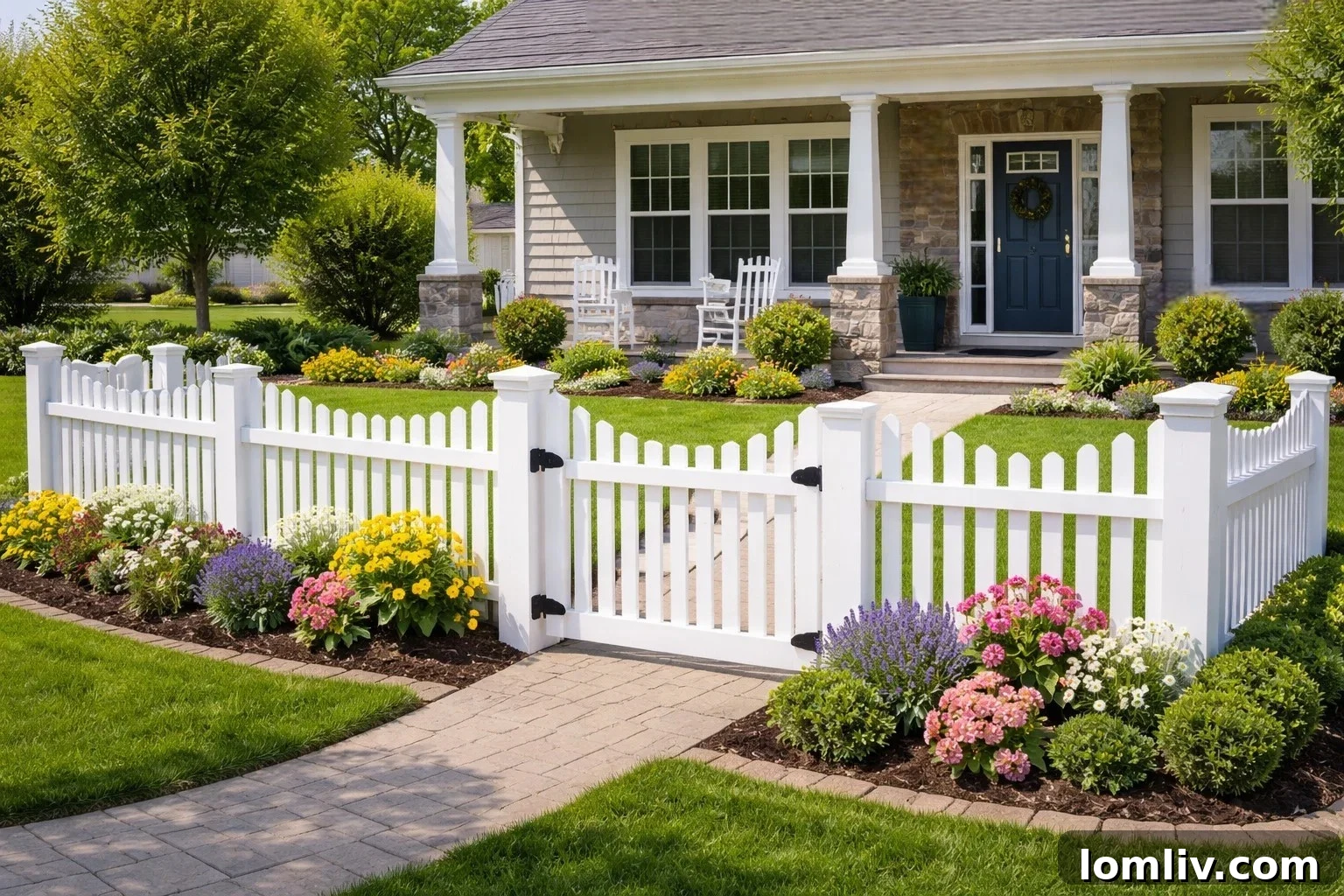
When it comes to selling your home in Washington State, especially in competitive markets like King County, Snohomish County, and Pierce County, a functional and aesthetically pleasing fence is often viewed as a baseline expectation rather than a luxury. Both vinyl and wood fences contribute to property value, but they do so in distinct ways, appealing to different segments of buyers. The key differentiator is not just the material, but its condition and how well it aligns with the overall property and neighborhood.
- Wood Fencing in Good Condition: A well-maintained wood fence, particularly one made of cedar, often evokes a sense of natural beauty, establishment, and a cared-for property. It blends seamlessly with the PNW’s natural surroundings and can appeal broadly to buyers across various price points who appreciate traditional aesthetics and organic materials. Buyers may perceive it as adding character and warmth to the outdoor space, contributing to a welcoming curb appeal.
- Vinyl Fencing in Good Condition: A well-maintained vinyl fence signals low-maintenance living and modernity. It strongly appeals to buyers who prioritize convenience, durability, and a clean, contemporary look. This includes busy professionals, families, or older individuals who prefer not to deal with the ongoing upkeep associated with wood. For these buyers, a vinyl fence represents a significant long-term saving in time and money, adding tangible value to the home.
- Deteriorating Wood Fencing: This is a major liability. A rotting, warped, or falling-apart wood fence actively detracts from a home’s sale price. It sends a strong signal of neglect, can raise concerns about other deferred maintenance, and will almost certainly be flagged in a home inspection, potentially leading to demands for repair or replacement before closing, or a reduction in the offer price.
- Damaged Vinyl Fencing: While far less common than deteriorating wood, severely damaged vinyl (e.g., extensive cracking, significant sun-yellowing in older, lower-quality products, or missing sections) also signals neglect. Although vinyl is robust, impact damage or prolonged exposure to extreme weather without proper cleaning can diminish its appeal and signal a need for repair, which could negatively influence buyer perception.
For the majority of Pacific Northwest sellers, a meticulously maintained cedar fence is generally perceived as a slight positive, enhancing the home’s charm. A well-kept vinyl fence, emphasizing its durability and minimal upkeep, is typically viewed as neutral to positive, attracting a specific segment of buyers. The unequivocal conclusion, however, is that any neglected fence, regardless of material, becomes a significant liability, reducing perceived value and potentially deterring prospective buyers. Investing in the maintenance or replacement of a dilapidated fence is one of the most cost-effective exterior upgrades homeowners can make before selling.
Side-by-Side Summary: Vinyl vs. Wood for PNW Homeowners
| Factor | Vinyl Fencing | Wood Fencing (Cedar) |
|---|---|---|
| Upfront Cost | Higher initial investment | Lower initial investment |
| 20-Year Total Cost | Significantly lower (due to minimal maintenance) | Significantly higher (due to recurring maintenance) |
| Maintenance Required | Minimal (annual rinse, rare repairs) | Significant (annual cleaning, biennial sealing/staining, periodic repairs) |
| Lifespan in PNW Climate | 25–30+ years, often with lifetime warranty | 15–20 years with consistent maintenance; less if neglected |
| Moisture Resistance | Excellent (non-porous, no rot, mildew resistant) | Poor without regular sealing; susceptible to rot, moss, and mildew |
| Aesthetic Flexibility | Moderate (clean lines, various colors, some wood-grain options) | High (natural beauty, custom designs, stain/paintable) |
| Environmental Impact | Lower (recyclable PVC, long lifespan reduces waste) | Moderate (renewable resource, but often requires chemical treatments) |
| HOA Compatibility | Varies; increasingly accepted but may require specific colors/styles | Generally accepted, often preferred for traditional aesthetics |
| Permit Requirements | Same as wood (based on height, placement, and structure) | Same as vinyl (based on height, placement, and structure) |
| Pest Resistance | Excellent (impervious to insects) | Fair (can be susceptible to wood-boring insects over time) |
| UV Stability | Good (UV inhibitors prevent fading) | Moderate (weathers to gray, requires staining for color retention) |
Which Fence Is Right for Your Property in the Pacific Northwest?
Making the right fencing decision for your Pacific Northwest property requires a thoughtful evaluation of your immediate needs, long-term goals, and personal preferences, all within the context of the region’s unique climate. Both vinyl and wood offer compelling benefits, but their suitability varies significantly depending on your specific circumstances.
Choose vinyl fencing if:
- Long-Term Residency: You plan to reside in your home for more than ten years and desire to significantly minimize ongoing maintenance efforts and costs. The initial higher investment will pay off substantially over time.
- Western WA Residence: Your property is located in Western Washington or coastal areas where rainfall is heaviest and humidity is consistently high, making material resilience to moisture a top priority.
- Hands-Off Solution: You own a rental property, a secondary residence, or simply desire a fence solution that requires minimal intervention and upkeep, freeing up your time and resources.
- Large Perimeter: You are fencing a substantial perimeter, where the long-term savings on maintenance for vinyl will translate into significant financial benefits compared to the recurring costs of wood.
- Modern Aesthetic: You prefer a clean, uniform, and modern aesthetic that remains consistent in color and appearance for decades without fading or graying.
Choose wood fencing (especially cedar) if:
- Budget Constraints: Your current budget is tight, and you require a lower upfront cost, provided you are fully committed to the rigorous, ongoing maintenance schedule necessary in the PNW.
- Neighborhood Harmony: Your neighborhood’s aesthetic, HOA guidelines, or your home’s architectural style (e.g., Craftsman, farmhouse) strongly calls for the natural look and feel of wood.
- Customization Desired: You desire the flexibility to customize your fence’s color, height, specific detailing, or add unique decorative elements over time through staining or painting.
- Natural Preference: You have a strong preference for natural materials and appreciate the organic beauty, unique grain, and the way wood naturally weathers and blends into the landscape.
- Initial Environmental Footprint: You prioritize a lower initial environmental footprint from a renewable resource, acknowledging the need for treatments and the eventual replacement cycle.
Ultimately, either choice, when made with full awareness of your local climate, financial budget, and personal timeline, represents a valid and valuable investment in your property. However, the most detrimental outcome in the Pacific Northwest is selecting wood solely for its lower upfront cost without a genuine commitment to its rigorous maintenance requirements. In Washington State’s relentless damp environment, this path inevitably leads to accelerated rot, premature structural failure, and the costly necessity of a complete fence replacement often within ten years – effectively negating any initial savings. An informed decision now will save you considerable time, money, and frustration in the years to come.