Little Rock’s Iconic Villa Marre: The Real-Life Mansion Behind “Designing Women”
For fans of classic American sitcoms, the mere mention of “Designing Women” evokes a wave of nostalgia, sharp wit, and indelible characters. Among the show’s many charms, the stately Victorian mansion that served as the exterior for Sugarbaker & Associates holds a special place in television history. This isn’t just a set piece; it’s the magnificent Villa Marre, a historic gem nestled in Little Rock, Arkansas, that recently captured national attention by gracing the real estate market. Its appearance for sale sent ripples of excitement through those who admire its architectural grandeur and, of course, its unforgettable cameo as the backdrop for Julia Sugarbaker’s legendary monologues.
The Villa Marre isn’t merely a picturesque façade; it’s a testament to 19th-century elegance and a significant piece of Little Rock’s rich heritage. Before it became a beloved visual icon for millions of television viewers, this grand edifice was a dream brought to life by Angelo and Jennie Marre in 1881. They envisioned a home that would not only embody the height of contemporary style but also serve as a cherished reminder of their Italian roots. Constructed with remarkable speed, taking approximately just one year to complete, the mansion was valued at a substantial $5,000 at the time – a truly impressive sum for the era.
Its recent presence on the market offers a unique opportunity for a new steward to embrace a property that seamlessly blends historical importance with a vibrant pop culture legacy. The Villa Marre stands as a bridge between the past and the present, inviting us to delve deeper into its story, from its initial construction to its unexpected rise to television fame.
The Enduring Charm of “Designing Women” and Villa Marre’s Starring Role
“Designing Women,” which aired from 1986 to 1993, became a cultural touchstone, celebrated for its sharp writing, strong female characters, and courageous tackling of social issues. The show revolved around the four strong-willed women of Sugarbaker & Associates, an interior design firm based in Atlanta, Georgia. While the interior sets were filmed on a soundstage, the exterior shots, providing a crucial sense of place and elegance, were undeniably the Villa Marre. This iconic visual anchor instantly communicated the firm’s sophisticated aesthetic and the ambitious spirit of its owners. For a generation of viewers, this Little Rock mansion became synonymous with Southern charm, wit, and empowerment.
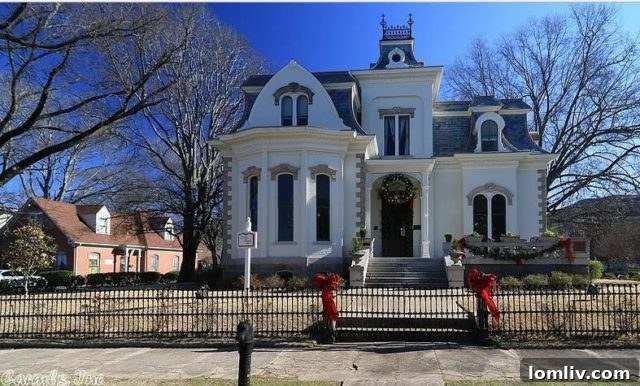
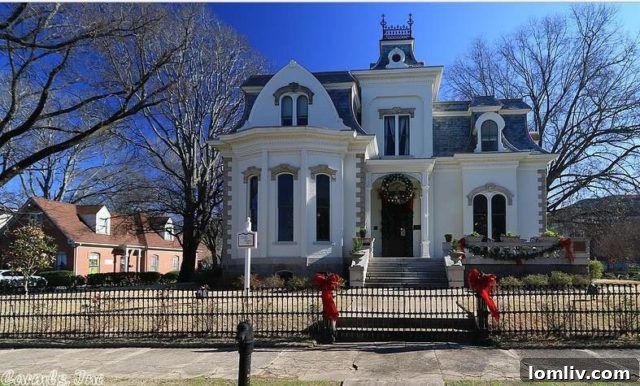
The choice of Villa Marre for the show’s opening credits was no accident. Its stately presence, intricate details, and imposing facade perfectly captured the essence of the fictional Sugarbaker & Associates. The house became more than just a building; it was an unspoken character, setting the tone for the sassy, smart, and often scandalous stories that unfolded within its imaginary walls. Fans would instantly recognize the grand porch, the distinctive tower, and the lush surroundings, creating an emotional connection to the real-life structure. This cinematic association has significantly enhanced the Villa Marre’s appeal, cementing its place not just in architectural history, but in the annals of television lore.
A Glimpse into Villa Marre’s Grand Past: The Marre Family Legacy
Long before it graced television screens, the Villa Marre was the cherished home of Angelo and Jennie Marre, an ambitious Italian immigrant couple who arrived in Little Rock with a vision. Angelo Marre, a shrewd businessman, built his fortune through liquor imports and saloons during a period of significant growth and change in Little Rock. As his success grew, so did his desire to build a lasting monument to his achievements and heritage. The construction of the Villa Marre in 1881 was a bold statement, reflecting both his prosperity and a deep yearning to connect with his Italian roots in his new American home.
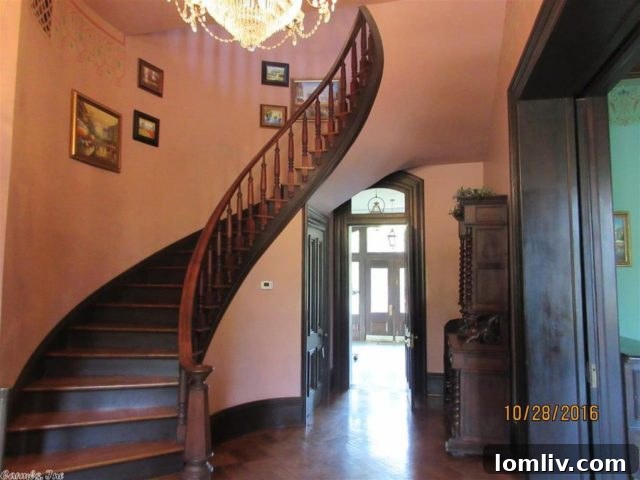
The meticulous design and opulent scale of the Villa Marre were a testament to the Marre family’s standing in the community. It wasn’t just a house; it was a symbol of their hard work, cultural pride, and sophisticated tastes. Sadly, their time to enjoy this magnificent abode was tragically short-lived. Angelo Marre passed away in 1889, just eight years after the home’s completion. His wife, Jennie, followed him in 1904. Though their tenure in the house was brief, the legacy they left behind through the Villa Marre has endured for over a century, continuing to captivate and inspire. The stories embedded within its walls speak of ambition, love, and the transient nature of life, making it a truly poignant piece of living history.
Architectural Splendor: Second Empire and Italianate Influences
The Villa Marre is a spectacular example of late 19th-century American architecture, primarily built in the Second Empire style with distinct Italianate influences. The Second Empire style, popular in the United States between 1860 and 1880, originated in France during the reign of Napoleon III. It is characterized by its grandeur, mansard roofs, decorative dormer windows, and often a central tower or pavilion, all of which are prominent features of the Villa Marre. This style conveyed a sense of luxury, prestige, and formality, perfectly suited for the affluent families of the era.
Adding to its unique charm, the Villa Marre also incorporates elements of the Italianate style, which was highly fashionable from the 1840s through the 1880s. Italianate architecture draws inspiration from 16th-century Italian Renaissance villas, featuring low-pitched roofs, wide overhanging eaves supported by decorative brackets, tall narrow windows, and often a prominent square cupola or tower. The Villa Marre’s elegant windows, detailed cornices, and overall stately yet welcoming appearance clearly showcase these Italianate characteristics, blending seamlessly with the Second Empire’s more robust grandeur. This fusion of styles results in a visually rich and distinctive facade, making the Villa Marre a significant architectural landmark in Little Rock and a fascinating study for enthusiasts of Victorian design.
Little Rock’s Quapaw Quarter: A Historic Jewel
The strategic placement of the Villa Marre on Scott Street was no accident; it situated the mansion in what was considered the most fashionable and desirable neighborhood in Little Rock during the late 19th century. Today, this historic district is known as the Quapaw Quarter, a vibrant area celebrated for its impeccably preserved Victorian homes and tree-lined streets. In the 1880s, Little Rock was experiencing a significant economic and population boom, driven by its role as a state capital and a growing transportation hub. This period of prosperity fueled the construction of grand residences like the Villa Marre, as wealthy citizens sought to display their success and social standing through elaborate architecture.
The Quapaw Quarter today remains a testament to this opulent past. It encompasses a vast collection of historic homes and buildings, representing a variety of architectural styles from the 19th and early 20th centuries, including Second Empire, Italianate, Queen Anne, and Colonial Revival. The district is not just a residential area; it’s a living museum, continually undergoing preservation efforts to maintain its historical integrity and charm. Owning a property within the Quapaw Quarter means becoming part of a community dedicated to safeguarding the architectural legacy of Little Rock, making the Villa Marre’s presence on the market an exciting prospect for those who appreciate both history and an unparalleled sense of place.
Beyond the Screen: The Enduring Allure of Historic Homes
The allure of properties like the Villa Marre extends far beyond their architectural beauty or their unexpected connection to pop culture. Historic homes offer a tangible link to the past, allowing inhabitants and admirers alike to step into a story that has unfolded over generations. They possess a unique character, craftsmanship, and soul that modern constructions often lack. For many, owning a historic home is not just about acquiring property; it’s about becoming a custodian of history, a caretaker of a legacy that predates them and will hopefully outlast them. This sense of stewardship comes with its own rewards and responsibilities, including the dedication required for ongoing preservation and maintenance, ensuring these architectural treasures can be appreciated for centuries to come.
The Villa Marre, with its dual identity as a historical landmark and a television icon, holds a particularly magnetic appeal. It offers the rare opportunity to own a piece of both Little Rock’s foundational history and America’s entertainment heritage. As it embarked on a new chapter by entering the real estate market, it invited speculation and dreams: Would it become a private residence once more? A charming boutique hotel? A unique event venue? Whatever its future holds, the Villa Marre will undoubtedly continue to captivate, drawing those who are enchanted by its storied past and its unforgettable role in popular culture.
Awaiting its Next Chapter: The Future of Villa Marre
The story of the Villa Marre is a compelling narrative woven from ambition, architectural splendor, and a surprising turn in television history. From its grand beginnings as the dream home of Angelo and Jennie Marre, a symbol of their Italian heritage and success in 19th-century Little Rock, to its transformation into the recognizable exterior of Sugarbaker & Associates on “Designing Women,” this mansion has lived many lives within its sturdy walls. Its distinctive Second Empire and Italianate design remains a proud testament to the craftsmanship of its era, anchoring it firmly within the historic Quapaw Quarter.
As the Villa Marre recently stood on the precipice of a new era, finding itself on the market, it presented an extraordinary opportunity. It was more than just a house for sale; it was a chance to acquire a piece of living history, a direct connection to a beloved sitcom, and a masterpiece of Victorian architecture. The property beckoned to those who not only appreciate grandeur but also possess a deep respect for heritage and the preservation of irreplaceable landmarks. The journey of the Villa Marre is far from over; it simply awaits its next discerning owner to write the next chapter in its remarkable saga, ensuring its beauty and legacy continue to inspire for generations to come.
To discover even more details about the Villa Marre’s storied past and its recent journey on the real estate market, you can explore the full narrative on SecondShelters.com.