By Brenda Masse
Special Contributor
While that headline might sound like pure clickbait, the unsettling truth is that your home could indeed be a silent feast for an army of tiny invaders. Wood-destroying insects (WDIs) are a pervasive threat, capable of causing extensive and costly damage to a property long before their presence is even suspected. From the structural integrity of your home to its aesthetic value, these pests can wreak havoc, making awareness and early detection crucial for any homeowner.
We are currently in the midst of swarming season for many wood-destroying insects. While the thought of swarms might sound horrifying, it’s often one of the first visible indicators that a long-standing, hidden colony has grown large enough to send out colonizers. For many homeowners, witnessing a swarm can be a pivotal, albeit alarming, moment that finally reveals a previously unnoticed infestation.
You might be thinking, “That doesn’t sound good at all!” And you’d be right – discovering an infestation is never ideal. However, at Lomliv, we believe in silver linings. A swarm acts as a critical alarm, prompting you to take immediate action and protect your most valuable asset. Without this visible cue, these insidious pests could continue their destructive work undetected for years, leading to far more significant structural damage and repair costs.
In recognition of swarming season, and to empower homeowners with essential knowledge, let’s delve into some fascinating, and sometimes disturbing, facts about wood-destroying insects and how to safeguard your home against them.
The Hidden Dangers: Why Your Home is an Attractive Target
Wood-destroying insects, particularly subterranean termites, thrive in environments that offer a combination of moisture, darkness, and an abundant food source. For this reason, the crawl space or basement area beneath your house often becomes an ideal, undetected sanctuary for these pests.
Moisture: The Lifeblood of Termite Colonies
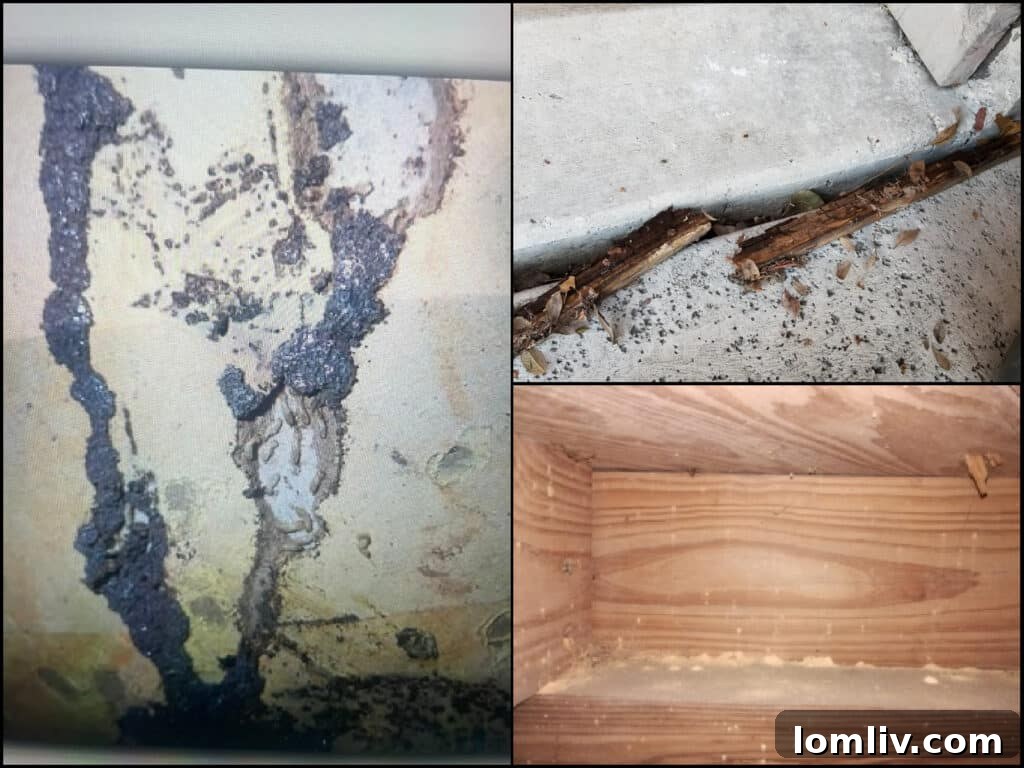
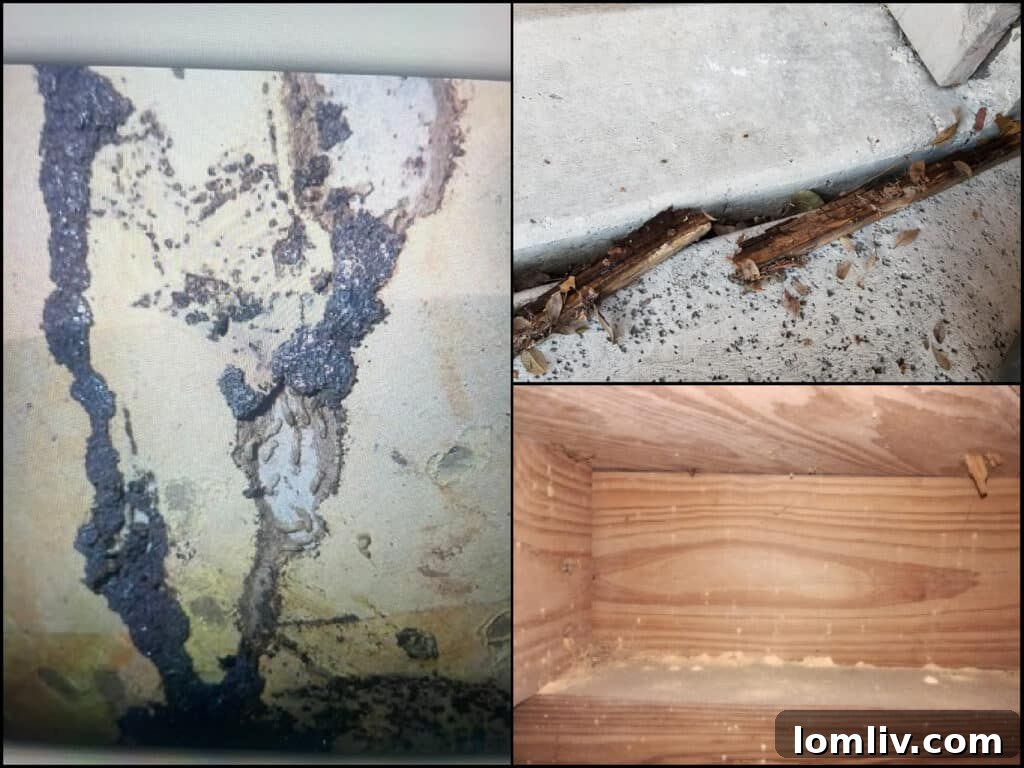
It’s moist and cool under your house, making it the perfect breeding ground. Termites require consistent moisture to survive and construct their elaborate mud tubes. Leaky pipes, poor drainage, excessive humidity, and inadequate ventilation in crawl spaces all contribute to creating a welcoming habitat. This damp environment not only attracts termites but can also lead to wood rot, further weakening structural components and making them even more susceptible to insect damage. As you can see in some unfortunate cases, termites can feast on the beams under a house for an extended period, necessitating not only the services of a skilled exterminator but often significant foundation repair to rectify the damage.
@greenscenehome Bugs are eating your house. #askahomeinspector #swarmingseason #termitesgonetearyocribup #termites
♬ original sound – Green Scene Home Inspections
(Video from Green Scene Home Inspections discussing how bugs can eat your house during swarming season)
Unintentional Treats: How Construction Practices Attract Pests
Homeowners often unknowingly provide termites with readily accessible “snacks” and direct pathways into their homes. This often stems from oversight during the construction process or improper maintenance practices.
Cardboard Concrete Forms: A Sweet Deal for Termites
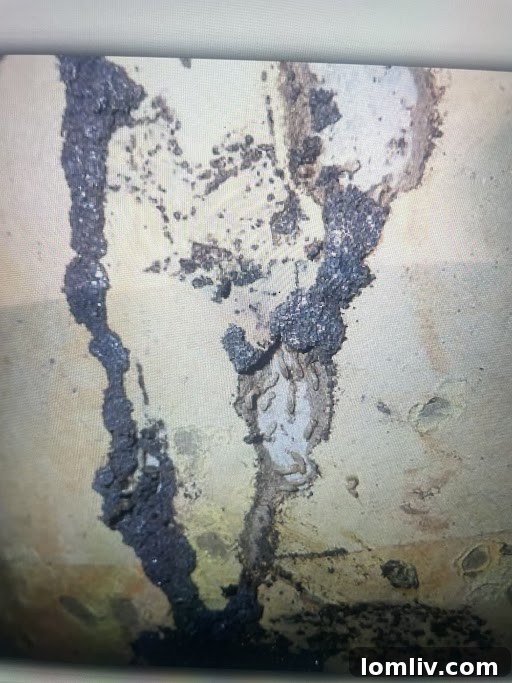
When concrete piers are poured, cardboard molds are commonly used to hold the desired shape. While these forms are designed to be removed after the concrete dries and sets, this crucial step is unfortunately skipped more often than one might expect. Leaving these cardboard forms in place is akin to offering termites a convenient snack combined with a direct, sheltered path to the main feast – your house’s wooden structure. The cellulose in the cardboard is a primary food source for termites, and its presence against a concrete foundation provides a hidden highway for them to bypass typical pest barriers.
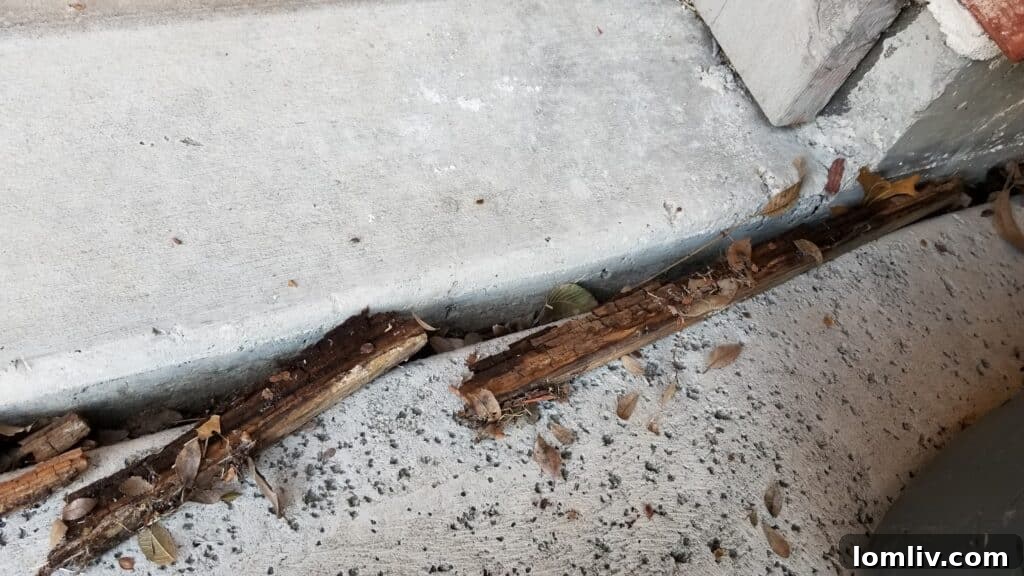
The same principle applies to wooden form boards used during the pouring of sidewalks and driveways. These boards are meant to define the edges and should be removed once the concrete has cured. When left behind, they become another tempting cellulose-rich snack and a hidden bridge for termites, allowing them easy access to your home’s foundation and beyond. Regular inspection of your home’s perimeter for such leftover materials is a simple yet effective preventative measure.
The Inside Job: When Pests Arrive with the Wood Itself
While many wood-destroying insects invade from the exterior, some pests, like powderpost beetles, can make their way into your home through an “inside job” – embedded within the very wood used for construction or furnishing.
Powderpost Beetles: The Silent Wood Borers
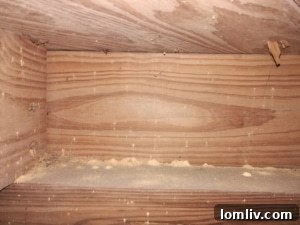
Powderpost beetles are fascinating and frustrating creatures. Unlike termites, which primarily attack from the ground up, powderpost beetles are often introduced into a home via infested wood products. They may have been peacefully living as larvae within a tree that was subsequently milled and crafted into your beautiful cabinets, flooring, or furniture. Once they mature, these tiny buggers emerge, leaving behind tell-tale signs: small, round “shot holes” on the wood surface and fine, powdery dust (known as frass) that resembles sawdust. This frass is a clear indicator of active infestation and should prompt immediate investigation. While their damage might not be as rapid or structurally catastrophic as termites, a sustained powderpost beetle infestation can significantly compromise the integrity and appearance of wooden elements over time.
Swarming Season Explained: Understanding the Warning Signs
Understanding what swarming season is and what it signifies is paramount for early detection and prevention of widespread WDI damage. Swarming is a natural part of the life cycle for many social insects, including termites and carpenter ants.
What Does a Swarm Mean?
A swarm occurs when a mature colony, which has grown to a significant size, produces winged reproductive individuals called “alates” or “swarmers.” These swarmers leave the original colony in search of a mate and a new location to establish a new colony. While seeing a swarm inside your home is distressing, it’s a clear signal that a well-established colony is already present within or very close to your structure. Without the appearance of these swarmers, an infestation could remain undetected for years, silently consuming your home from the inside out.
Swarming termites are often mistaken for flying ants. However, there are distinct differences: termites have straight antennae, a uniform waist, and wings of equal length, while flying ants have bent antennae, constricted waists, and forewings that are longer than their hindwings. Recognizing these distinctions can help you quickly identify the type of pest you’re dealing with.
In this informative video, Michael Bosco of Safehaven Pest Control and Clayton Bailey of Green Scene Home Inspections discuss critical ways to make your home less attractive to wood-destroying insects. They also cover the different types of WDIs prevalent in regions like North Texas and provide essential tips on how to recognize the distinct signs of their presence.
Beyond Termites: Other Destructive Wood Pests
While termites often take center stage in discussions about wood-destroying insects, other pests also pose significant threats to your home’s wooden components.
Carpenter Ants: The Tunneling Menace
Carpenter ants, unlike termites, do not actually eat wood. Instead, they excavate and tunnel through wood to create nests for their colonies. They prefer wood that is already soft or damaged by moisture, making areas around leaky windows, doors, roofs, or plumbing particularly vulnerable. Signs of carpenter ant activity include finding large ants (often black or reddish-black) in your home, especially during spring and summer. You might also notice small piles of wood shavings, resembling sawdust, often mixed with insulation fragments or insect body parts, which they discard from their tunnels. Unlike the fine, powdery frass of powderpost beetles or the mud tubes of termites, carpenter ant damage typically involves smooth, clean tunnels within the wood.
Other Wood Borers: Varied Threats
Beyond the common culprits, other wood-boring beetles and even certain types of wasps (such as horntails) can inflict damage. Each has its preferred wood type, moisture conditions, and tell-tale signs, underscoring the complexity of WDI identification and control.
Proactive Measures: Safeguarding Your Home from WDIs
Preventing a WDI infestation is always less costly and less stressful than dealing with an active one. Implementing a few proactive measures can significantly reduce your home’s vulnerability:
- Eliminate Moisture: Repair leaky pipes, ensure proper drainage around your foundation, clean gutters regularly, and address any areas of excessive humidity in crawl spaces or basements.
- Remove Wood-to-Soil Contact: Keep all wood components of your home, including siding, decks, and structural supports, from directly touching the soil. Maintain a clear gap.
- Clear Wood Debris: Remove any leftover wood scraps, construction materials (like those cardboard forms or wooden boards), old stumps, or firewood piles from around your foundation. Store firewood at least 20 feet away from the house and elevated off the ground.
- Maintain Landscaping: Trim shrubs, bushes, and trees so they don’t touch your house, as these can provide hidden entry points and retain moisture. Avoid excessive mulch directly against the foundation.
- Seal Entry Points: Seal cracks in your foundation, caulk around windows and doors, and ensure all vents are properly screened to prevent easy access for pests.
- Regular Inspections: Perform routine visual inspections of your home’s interior and exterior, paying close attention to crawl spaces, basements, and any areas with signs of moisture.
Professional Assistance: The Importance of a WDI Inspection
Despite your best efforts, identifying and effectively treating a WDI infestation often requires professional expertise. Many signs are subtle, hidden, or easily mistaken for other issues. An experienced pest control specialist or home inspector knows exactly where to look and what to look for, even in the most obscure corners of your home.
Unsure if you have wood-destroying insects feasting on your property? The most definitive step you can take is to opt for a WDI inspection. These specialized inspections are crucial, especially when buying or selling a home, but are also highly recommended for homeowners as part of routine maintenance. A professional WDI inspection will meticulously check for all types of wood-destroying organisms, assess any damage, and provide recommendations for effective treatment and preventative strategies, ensuring your home isn’t becoming a costly meal for these pervasive pests.
Don’t wait for a swarm to appear or for structural damage to become evident. Be proactive, stay vigilant, and invest in professional inspections to protect your home’s integrity and your peace of mind.