The Transformative Power of Art in Home Staging: Elevating Real Estate Value
In the competitive world of real estate, every detail counts when it comes to capturing a buyer’s imagination and securing a swift, lucrative sale. Among the myriad elements that contribute to a home’s appeal, the strategic use of artwork often goes underestimated. Yet, as leading real estate professionals are discovering, carefully selected art can be a game-changer, transforming a mere house into an aspirational home.
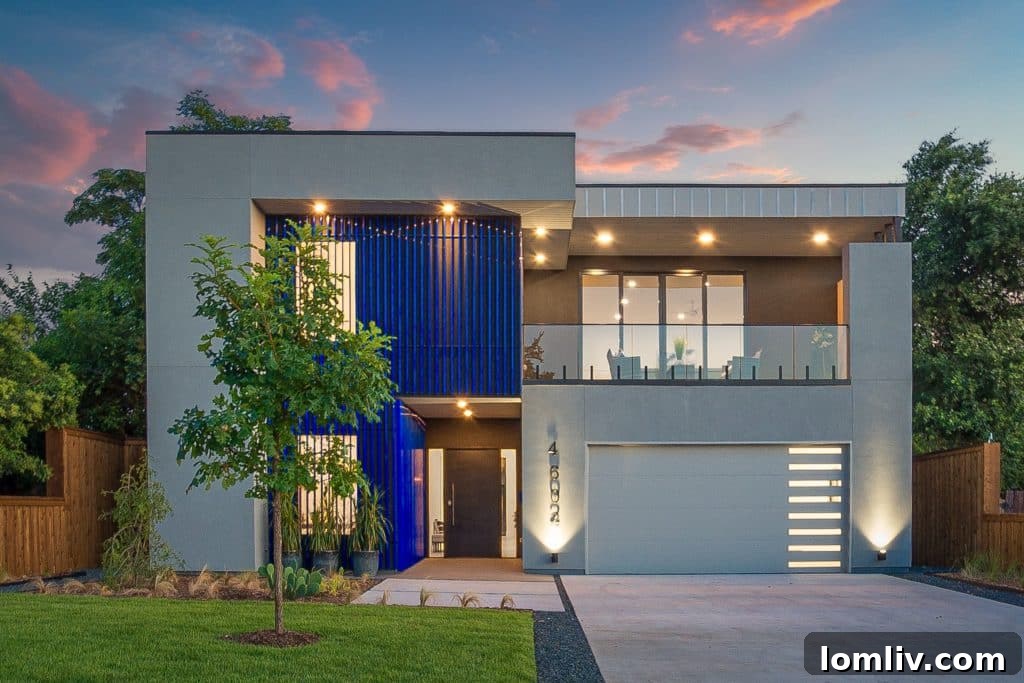
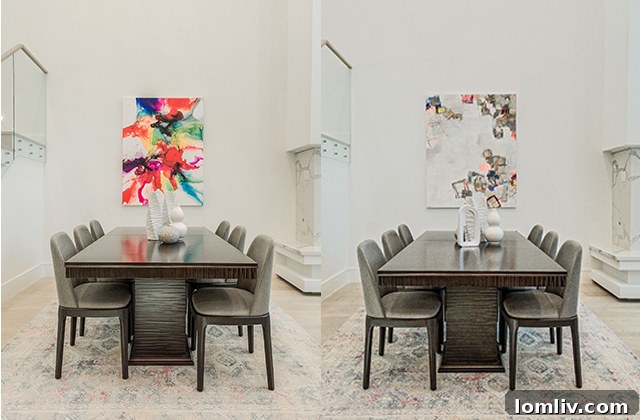
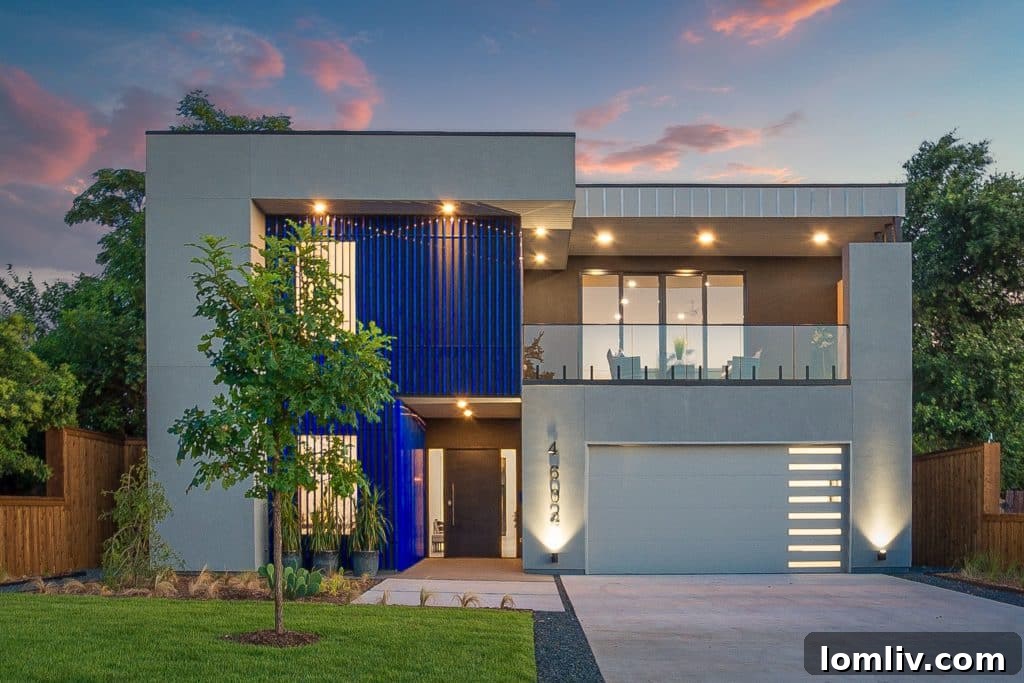
How crucial is the artwork when preparing a property for the market? Just ask Briggs Freeman Realtor Janelle Alcantera, a specialist in contemporary design. Her experience with an ultra-modern listing, expertly designed by renowned architect Paul Merrill, offers a compelling testament. The property, initially struggling to attract the right attention, sold almost immediately after she replaced generic, staged prints with vibrant, original abstract pieces by celebrated local artist Julie Shunick Brown.
“I had this phenomenal listing to put on the market, a true architectural masterpiece,” Janelle recounts. “But the art that was initially in place made it impossible to truly appreciate the sophistication and unique vision of the architecture. It was distracting, rather than enhancing.” This realization sparked a pivotal decision that would ultimately redefine the home’s market presence and appeal.
The Strategic Collaboration: Original Art Meets Modern Architecture
Recognizing the profound disconnect between the home’s exceptional design and its uninspiring decor, Janelle reached out to Julie Shunick Brown. She inquired if the artist would be willing to lend her timeless contemporary paintings to replace the home’s rather generic, mass-produced prints. For Julie, like many artists during a period when gallery openings and showings faced pandemic-induced standstills, this unique collaboration offered a valuable opportunity to showcase her work, and she quickly agreed.
Janelle didn’t just swap out pieces randomly; her approach was meticulous and strategic. She personally hand-picked each artwork, ensuring that every selection would precisely complement and elevate Merrill’s architectural handiwork. Beyond just choosing the art, she also took charge of the logistics, directing and funding the professional hanging of the new artwork and ensuring the house was re-photographed. This commitment underscored her belief in the power of professional staging and the undeniable impact of original art.
“It was absolutely critical that the art complement the architect’s design rather than divert attention away from it. The goal was synergy.”
Art as an Extension of Architecture: Room-by-Room Transformation
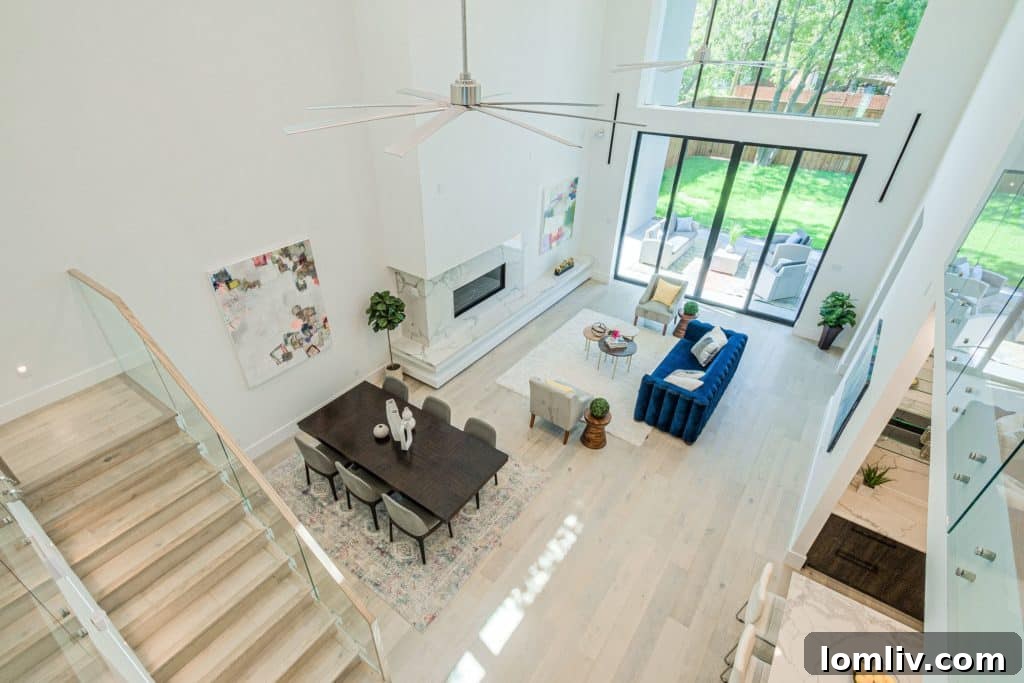
The transformation was evident in every space. In the dining room, for instance, Janelle opted for canvases with subtle tones. These pieces created an ideal visual balance with the beautifully designed, understated wooden staircase, which itself stood as a remarkable work of art. The gentle hues of the paintings allowed the architectural lines and natural materials of the staircase to truly shine, fostering a cohesive and sophisticated aesthetic.
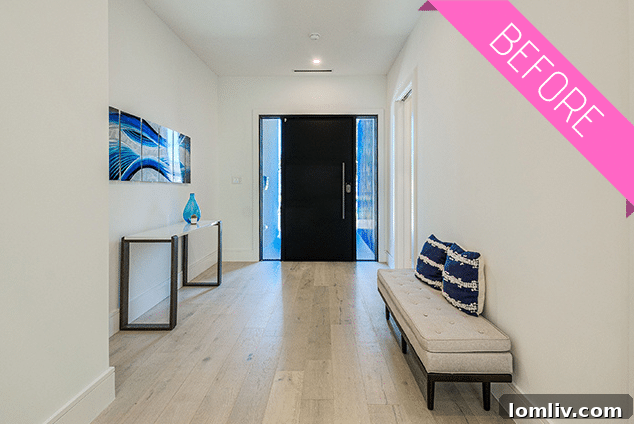
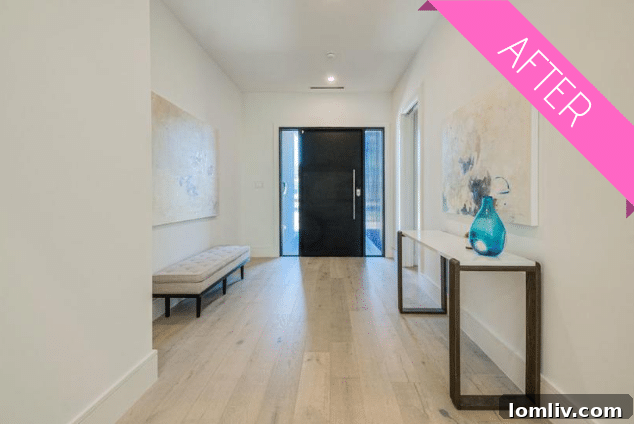
Similarly, the expansive foyer, the first impression for any visitor, was graced with a pair of neutral paintings. These artworks subtly accented the grandeur of the space without overwhelming it, guiding the eye and creating a sense of calm elegance. The goal was never to make the art the sole focal point, but rather to integrate it seamlessly into the existing design, allowing it to enhance the overall architectural narrative.
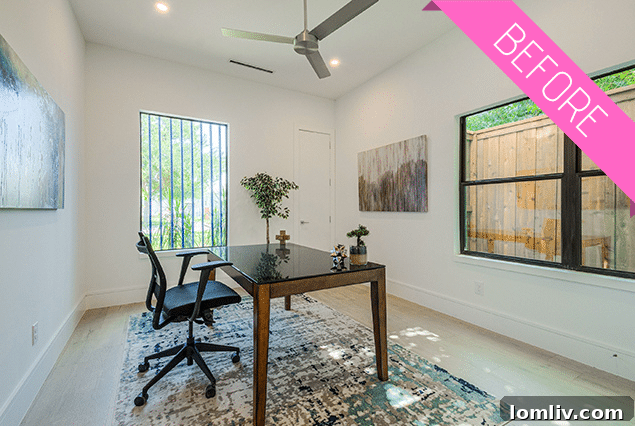
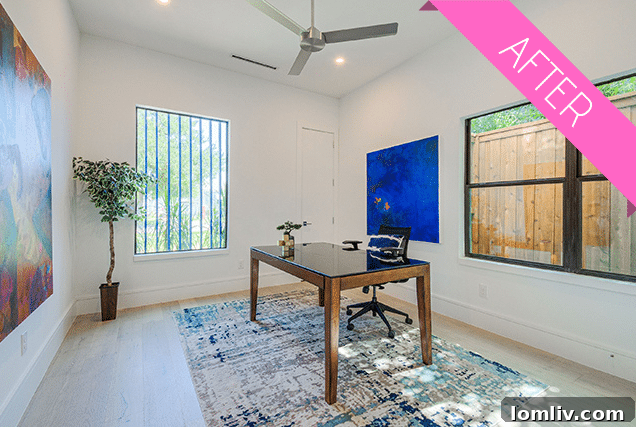
For the home office, however, Janelle consciously introduced a different strategy: a deliberate splash of color. Bright, engaging hues instantly enlivened the workspace, injecting energy and personality into a room that often benefits from a stimulating environment. This thoughtful variation in art selection demonstrated Janelle’s nuanced understanding of how different spaces within a home can be enhanced by specific artistic choices.
The Art of Selling: Creating an Intriguing Atmosphere
This consultative and discerning approach comes naturally to the Briggs Freeman pro, Janelle Alcantera, whose company, Galaxy Modern, specializes in contemporary design and staging. Her deep understanding of modern aesthetics and buyer psychology is invaluable.
“My primary job is to craft an atmosphere that is intriguing enough to captivate potential buyers, yet simultaneously allows them the freedom and space to envision their own cherished belongings and unique lifestyle fitting perfectly into that space,” explains Janelle. “It’s a delicate and often challenging balance to strike – creating an aspirational environment without making it feel overly personalized or inaccessible. Art plays a monumental role in achieving this precise equilibrium.”
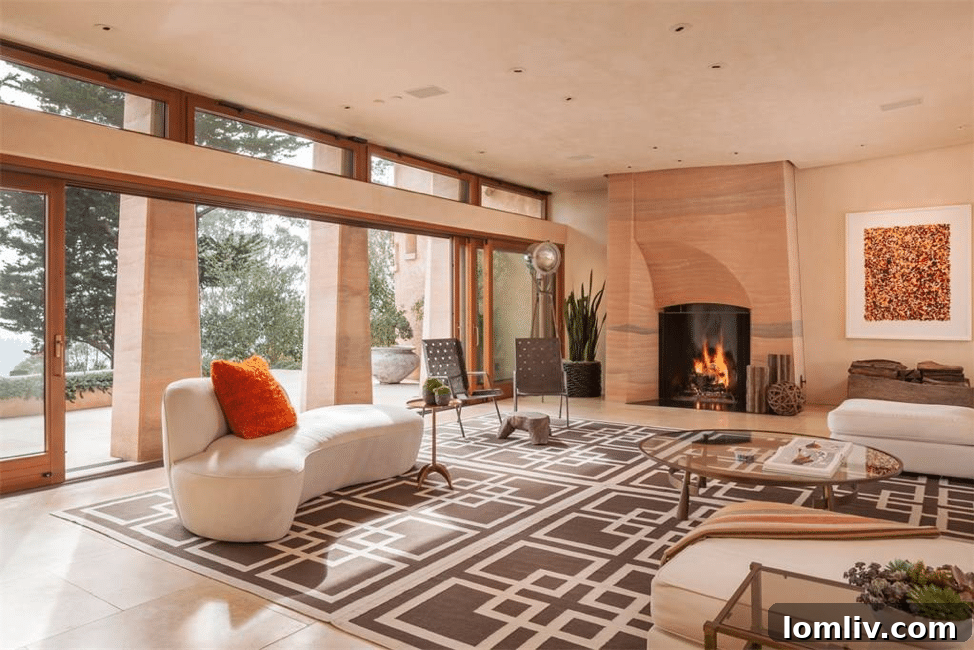
(Sotheby’s International Realty, San Francisco Brokerage)
This sentiment is widely echoed across the luxury real estate market. Theo Adamstein, a distinguished sales associate with Sotheby’s International Realty, an authority in high-end property transactions, wholeheartedly agrees with Janelle’s philosophy on the power of art in home staging.
“Art creates the distinct impression of a more valuable, more refined home,” Theo told the Washington Post. “If you consider a beautifully designed home boasting strong, distinctive architecture, you can certainly appreciate it for its inherent structural beauty. But, fundamentally, without the presence of art, it truly feels unfinished. Art completes the narrative; it adds soul and character that cold walls alone cannot convey.”
It’s often hard to precisely quantify how much art increases a house’s value, yet its impact is undeniable.
“It doesn’t work like that; there isn’t a simple, measurable formula you can apply to calculate the exact percentage increase due to art,” says Theo, emphasizing that the value is often more nuanced and psychological. “However, art undeniably embellishes a home; it infuses character, introduces intriguing focal points, and makes the property far more memorable and engaging than it might otherwise be. And that, unequivocally, adds significant value – both perceived and actual – in the eyes of a discerning buyer.”
Expert Tips for Integrating Art into Home Staging
Beyond the selection of suitable pieces, proper art placement is equally critical. According to insights shared on the Sotheby’s Realty website, it is paramount not to hang art too high. The optimal height is to have the center of the artwork at eye level for an average person, typically around 57-60 inches from the floor. The primary goal is to encourage buyers to pause, engage with the piece, and truly experience the space. To achieve this, their eye line needs to be naturally drawn to the art, inviting contemplation rather than an awkward upward glance.
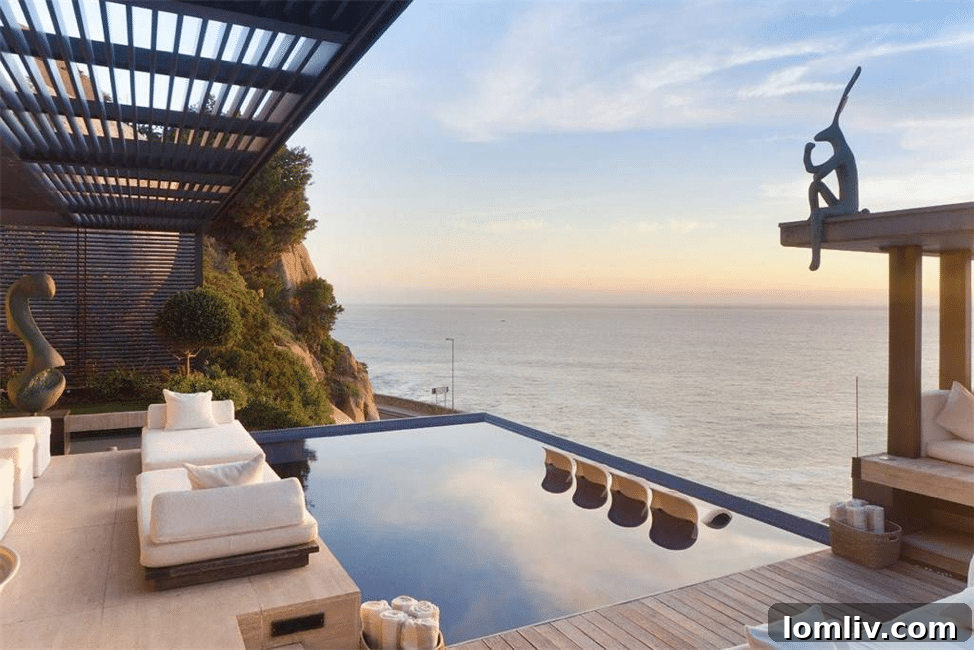
(Cape Town, South Africa, Sotheby’s International Realty)
While homebuyers may not consciously factor the artwork into their purchasing decision—after all, it typically doesn’t come as part of the sale—the powerful impression it creates is profound and lasting. Art has the unique ability to create a specific mood, evoke a feeling of positivity, sophistication, and a sense of aspirational living that resonates with prospective buyers far longer than they consciously realize. This emotional connection can be the subtle differentiator that moves a property from “interesting” to “must-have.”
Janelle Alcantera’s experience stands as compelling proof of this point. The very first prospects who viewed her Paul Merrill-designed listing after the artwork was strategically updated didn’t just express interest; they submitted an offer almost immediately. Their offer was accompanied by a heartfelt letter specifically commending the exceptional taste evident in the home’s architecture, interior design, and overall presentation. This feedback directly affirmed that the integrated art contributed significantly to their perception of the home’s value and desirability.
“When it’s executed correctly, the home doesn’t just look better; it appears significantly more expensive, more polished, and truly move-in ready,” Janelle concludes, underscoring the art’s pivotal role. “Ultimately, carefully chosen art has the power to either make or irrevocably break a house’s appeal on the market. It’s an investment in the sale process that consistently yields remarkable returns, resulting not only in competitive offers but also often significantly less time on the market.”