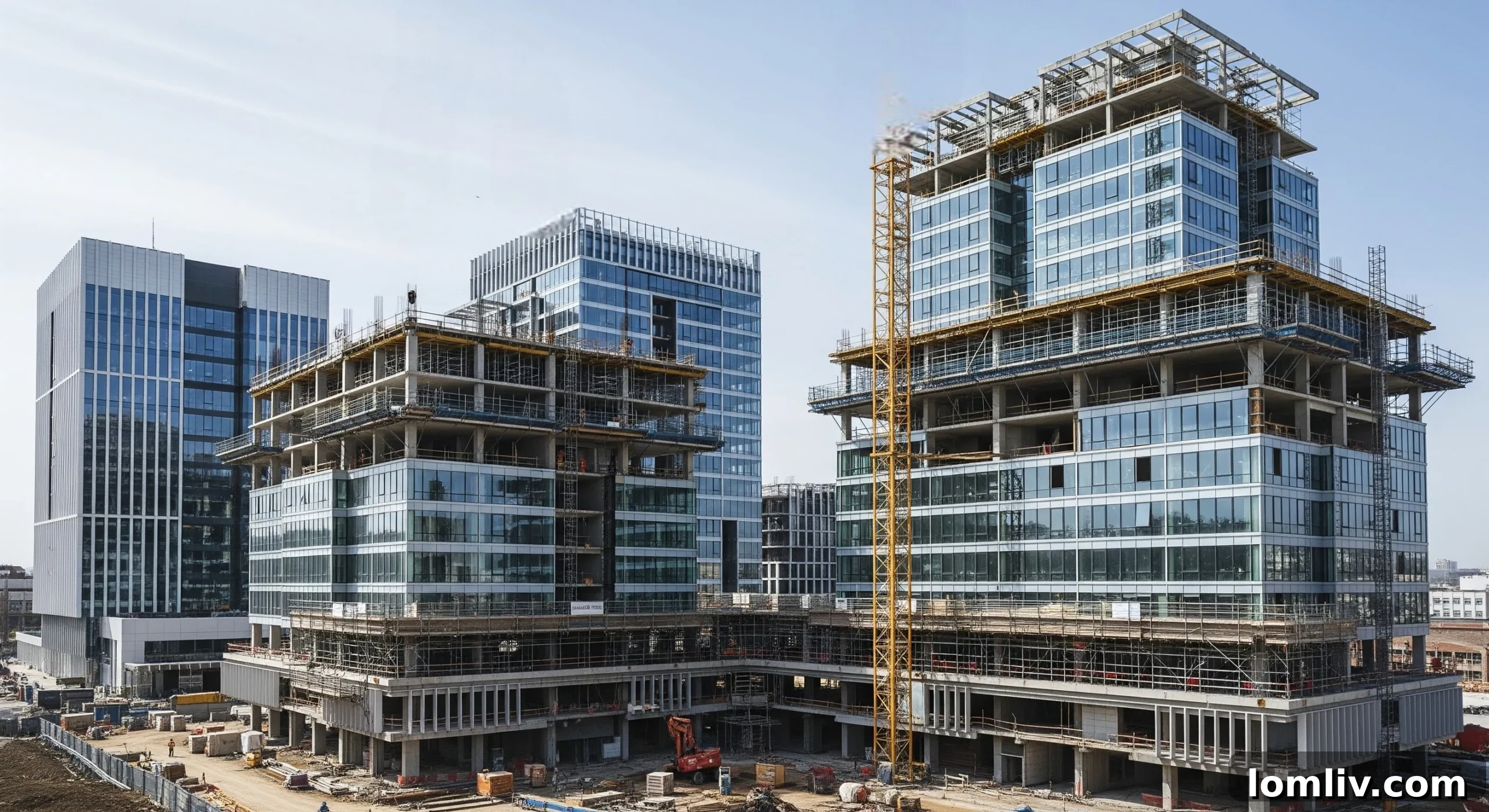
Houston, often dubbed “Space City,” stands as a dynamic economic powerhouse and the fourth-largest city in the United States by population, home to over 2.3 million residents. This substantial population base, coupled with its strategic geographic location and a robust, diversified economy, cultivates an environment ripe with immense business opportunities. Consequently, the city’s commercial real estate market is not just thriving; it’s experiencing a period of significant growth and innovation, attracting investors and entrepreneurs from across the globe.
For anyone considering a venture into Houston’s bustling commercial landscape, merely acknowledging the abundance of opportunities isn’t enough. True success hinges on a profound understanding of the intricate market drivers, the nuances of its competitive environment, and the evolving legal framework. Furthermore, savvy investors and business owners must be adept at recognizing how shifting economic conditions, technological advancements, and demographic trends can impact their operations and long-term viability.
Are you contemplating starting a business, expanding an existing one, or investing in commercial property within Houston? Arming yourself with comprehensive knowledge about its key industries, legal considerations, and emerging growth areas is paramount. This guide aims to provide essential insights, setting you up for sustained success in one of America’s most vibrant metropolitan markets.
Key Industries Fueling Houston’s Commercial Demand

The resilience and strength of Houston’s economy are largely attributed to its remarkable diversity. Unlike many major cities tied to a single dominant sector, Houston boasts a rich tapestry of established industries alongside burgeoning new markets. This economic diversification not only provides a strong buffer against national or global economic downturns but also significantly enhances its appeal to a broad spectrum of investors keen on participating in the robust Texas economy.
Energy: The Global Capital’s Evolving Landscape
Houston proudly holds the title of the energy capital of the world, a designation earned through its unparalleled concentration of oil and gas companies, research institutions, and a highly skilled workforce. Giants like Chevron and ExxonMobil anchor this sector, but they represent just a fraction of the over 4,700 energy firms operating in the metro area. This vast ecosystem encompasses exploration, production, refining, distribution, and energy services, driving consistent demand for office, industrial, and specialized commercial spaces.
However, Houston’s energy identity is dynamically evolving. The city is rapidly emerging as a hub for green energy and sustainable technologies, hosting more than 270 clean-tech and climate-tech startups. This transition involves significant investment in renewable energy projects, carbon capture technologies, and energy efficiency solutions, which in turn fuels new demands for research facilities, manufacturing plants, and innovation centers in the commercial real estate sector.
Healthcare and Life Sciences: A Global Medical Mecca
Home to the world-renowned Texas Medical Center (TMC), Houston is a global leader in healthcare and life sciences. The TMC is the largest medical complex globally, comprising dozens of hospitals, research institutions, medical schools, and specialized centers, including the largest children’s hospital and cancer hospital. Annually, it records over 10 million patient encounters and drives profound medical advancements.
The sheer scale of the TMC’s operations generates immense demand for specialized commercial real estate, including medical office buildings, research labs, pharmaceutical facilities, and biotech incubators. With an average of over $1.9 billion in research investment in health and life sciences each year, the sector continuously pushes boundaries, creating a fertile ground for innovation and attracting top talent, further bolstering commercial property values and development.
Logistics and Distribution: A Gateway to Global Trade
Houston’s central geographic location within the United States, combined with its highly efficient transportation infrastructure, positions it as a critical hub for global logistics and distribution. The Port of Houston is one of the country’s largest multi-port systems and consistently ranks among the world’s busiest ports, handling millions of tons of cargo annually, from containers to petroleum products and chemicals. This robust port activity necessitates vast warehouse spaces, distribution centers, and related industrial properties.
Beyond its maritime prowess, Houston benefits from an extensive network of highways, including major interstates (I-10, I-45, I-69), facilitating seamless connectivity to nearby cities, states, and the broader North American market. Additionally, George Bush Intercontinental Airport (IAH) serves as a major air cargo hub, further diversifying the city’s logistical capabilities. This comprehensive transportation network makes Houston an indispensable link in national and international supply chains, driving sustained demand for industrial and flex-space commercial properties.
Technology and Innovation: The Next Frontier
While often associated with energy and healthcare, Houston is rapidly gaining recognition as an emerging technology hub. The city’s thriving startup ecosystem, coupled with corporate innovation initiatives, is attracting talent and investment in areas such as artificial intelligence, software development, data analytics, and aerospace technology. This growth is fueled by collaborative efforts between universities, incubators, and established corporations, leading to increased demand for modern office spaces, co-working facilities, and specialized tech parks.
Navigating Legal Considerations in Houston’s Commercial Market

Engaging in commercial real estate transactions or business operations in Houston requires a keen understanding of the local legal landscape. The complexity of commercial contracts, the breadth of environmental regulations, and the specificity of local ordinances demand careful attention. A failure to navigate these legal intricacies can expose property owners, tenants, and businesses to significant financial penalties, legal liabilities, and operational disruptions. For instance, premises liability claims, arising from injuries on commercial premises, can result in costly litigation if proper legal counsel isn’t sought.
Consulting with experienced Houston legal experts, or even specialized firms such as Dallas, Texas personal injury attorneys for related matters, is crucial. Such professionals can help build a strong legal framework, navigate complex situations, and ensure compliance. Proactive legal due diligence is vital not only to prevent potential business disruptions but also to cultivate and maintain a solid reputation within the community and the market.
Zoning Laws and Deed Restrictions: A Unique Approach
A distinctive feature of Houston’s urban planning is its lack of formal zoning ordinances, a characteristic that often surprises outsiders. However, this does not imply a free-for-all development environment. Instead, commercial property developments in Houston are largely guided by a system of private deed restrictions and specific city ordinances. Deed restrictions are covenants typically established by property developers that dictate how a commercial property can be used, the types of businesses allowed, and even structural limitations such as building height, architectural styles, and setback requirements. These restrictions are legally binding and often enforced by property owners’ associations or through civil lawsuits.
Prospective buyers or tenants must meticulously review these deed restrictions before committing to a commercial property. Additionally, understanding broader city ordinances, covering aspects like parking requirements, signage, and building codes, is critical for ensuring compliance and avoiding future legal complications.
Environmental Compliance: Protecting Investments and the Planet
Environmental due diligence is an indispensable part of any commercial real estate transaction in Houston, especially given its industrial heritage and coastal proximity. Phase I and Phase II Environmental Site Assessments (ESAs) are crucial tools for evaluating a property’s potential environmental liabilities. A Phase I ESA involves a thorough review of historical records, property use, and a site inspection to identify recognized environmental conditions (RECs). If RECs are identified, a Phase II ESA may be necessary, involving soil, groundwater, or building material sampling to quantify any contamination.
Without these comprehensive reports, buyers risk inheriting expensive liabilities associated with hazardous materials, contaminated soil, or groundwater, which can have long-term financial and operational consequences. Furthermore, coastal construction or developments within floodplains require strict adherence to specific floodplain standards and other environmental regulations, including permits for stormwater discharge and waste management. Ensuring environmental compliance is paramount for protecting an investment and contributing to sustainable development.
Commercial Lease Agreements and Property Taxes
Beyond zoning and environmental regulations, businesses in Houston must carefully navigate commercial lease agreements. These complex contracts dictate terms such as rent escalations, maintenance responsibilities, renewal options, and tenant improvements. Expert legal counsel is advisable to negotiate favorable terms and avoid pitfalls. Additionally, understanding Texas property tax laws is crucial. Property taxes are assessed locally, and commercial properties are subject to annual appraisals that can significantly impact operational costs. Awareness of appraisal district processes and the potential for protest is essential for effective financial planning.
Emerging Growth Areas: Where to Scout for Future Investments
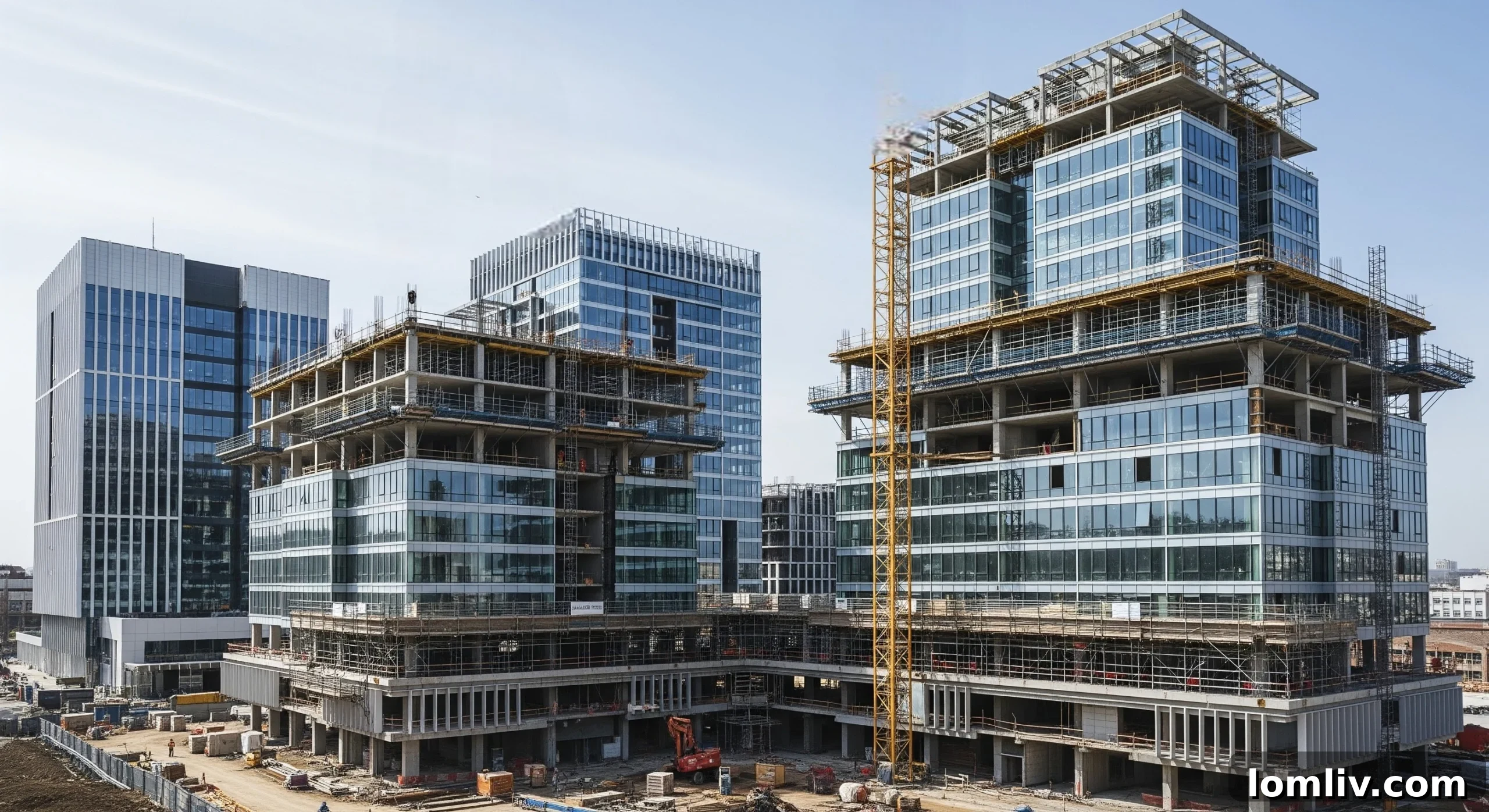
While Houston’s traditional business hubs like Downtown, Galleria, and Greenway Plaza continue to exhibit robust demand, several under-the-radar zones and suburban areas are rapidly gaining prominence for their immense commercial potential. These emerging growth areas, often located just a short drive from the city center, present vast opportunities for investors and businesses seeking more affordable costs, particularly concerning rent or lease rates, without sacrificing connectivity or access to a skilled workforce. These areas often boast master-planned communities, new infrastructure, and an attractive quality of life, drawing both residents and businesses.
The Woodlands: A Premier Master-Planned Community
Situated north of Houston, The Woodlands is renowned as a meticulously master-planned community that offers an exceptional quality of life. While often highlighted as an excellent community for retirement, it also attracts a diverse demographic, including young professionals and families. This vibrant suburb is a hotspot for office leasing, consistently recording high occupancy rates, often exceeding 90%—significantly higher than Houston’s metropolitan average of around 75%. The Woodlands features a thriving corporate campus environment, premium retail centers, upscale dining, and abundant green spaces, making it highly attractive for companies seeking a prestigious address with a strong talent pool and amenities.
Valley Ranch: Northeastern Expansion Corridor
Located approximately 30 miles northeast of downtown Houston, Valley Ranch spans over 1,400 acres and benefits from exceptional accessibility due to its proximity to two major highways. This strategic location, combined with ongoing master-planned development, positions Valley Ranch as a prime area for diverse commercial investments. It’s attracting a range of businesses, from medical facilities and retail establishments to entertainment venues and light industrial operations. The continuous development of residential communities in the area ensures a growing customer base and workforce, making it an appealing prospect for long-term growth.
Sugar Land: Fort Bend’s Commercial and Cultural Core
As a vital component of the Greater Houston Metropolitan Area, Sugar Land serves as a significant cultural and commercial nucleus within Fort Bend County. It offers a slightly lower cost of commercial real estate compared to Houston’s core averages, presenting an attractive alternative for businesses and investors operating on a more constrained budget. Sugar Land boasts a highly educated populace, strong school districts, and a family-friendly environment, which underpins its robust retail and services sectors. A significant growth driver for Sugar Land is the expansion of the Texas Medical Center into the area, spurring demand for medical offices and related commercial services, further solidifying its economic future.
Katy and Pearland: Dynamic Suburban Powerhouses
Beyond these, other areas like Katy (west of Houston) and Pearland (south of Houston) are also experiencing substantial commercial growth. Katy is known for its rapidly expanding residential base, highly-rated schools, and major retail developments, attracting businesses that cater to families. Pearland, similarly, offers a blend of residential charm and commercial vitality, with ongoing developments in retail, healthcare, and professional services, benefiting from its proximity to both downtown Houston and the Texas Medical Center. These areas represent diversified opportunities for commercial real estate investment.
Wrapping Up: Seizing Opportunities in Houston’s Commercial Market
Houston stands as a remarkably vibrant and economically diverse city, offering a rich tapestry of business and investment opportunities across various sectors. For those looking to enter or expand within commercial real estate, the city presents a wealth of possibilities, fueled by a growing population, a resilient economy, and strategic infrastructure.
Success in this competitive environment hinges on a clear understanding of Houston’s key industrial drivers—from its world-leading energy and healthcare sectors to its robust logistics network and burgeoning tech scene. Equally critical is a thorough familiarity with the unique legal framework, including deed restrictions, environmental compliance, and essential commercial agreements, to ensure your business operations are compliant and your investments are protected. Moreover, for those seeking opportunities beyond the established central business districts, the dynamic growth areas surrounding Houston, such as The Woodlands, Valley Ranch, Sugar Land, Katy, and Pearland, offer compelling prospects, often with more accessible entry points and significant potential for appreciation. By approaching Houston’s commercial market with diligence and informed strategy, investors and entrepreneurs can truly tap into its enduring prosperity.