Unveiling the “Park Plaza” Development: Deciphering University Park’s Cryptic Protest Signs
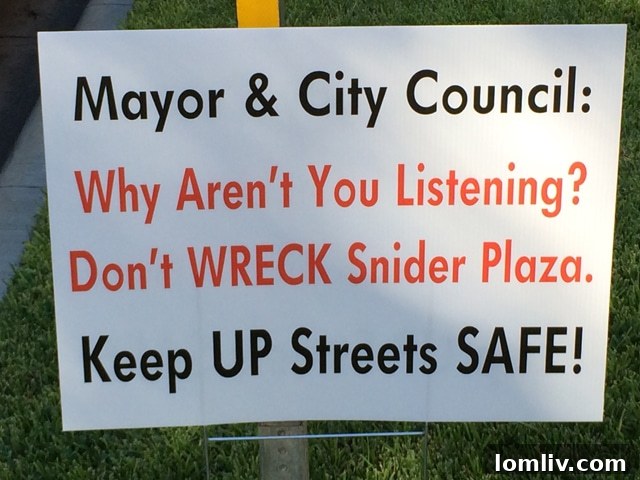
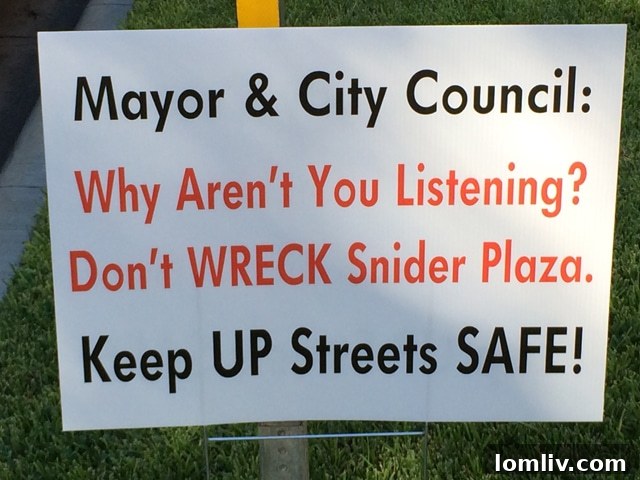
In recent weeks, an increasing number of cryptic protest signs have emerged across University Park, prompting questions and confusion among residents. These amateur yet highly visible signs, like the one pictured above, aim to rally community support but often fail to provide crucial context, leaving many to wonder about the underlying issues. Without clear information, understanding the nature of the protest – let alone forming an informed opinion – becomes an impossible task. This phenomenon is a fundamental misstep in community engagement, akin to a marketing campaign without a product or a clear message.
The inherent ambiguity of these signs sparks more questions than answers: Are they protesting the demolition of Snider Plaza? Is it related to escalating gang activity, or perhaps a call for new hearing aids for the UP City Council? The deliberate vagueness mirrors the frustrating relationship dynamic of “What’s wrong?” “If you don’t know, I’m not going to tell you.” University Park is certainly not unique in this regard; such echo-chamber signage is prevalent in many neighborhoods, particularly where new urban development proposals stir community debate.
Beyond the Slogan: Identifying the Park Plaza Project
Our team at daltxrealestate.com recently received inquiries urging us to investigate the subject of these mysterious signs. A thorough look revealed a significant redevelopment proposal, tentatively named “Park Plaza.” This project represents a pivotal moment for a key area within University Park, aiming to revitalize a currently underutilized space.
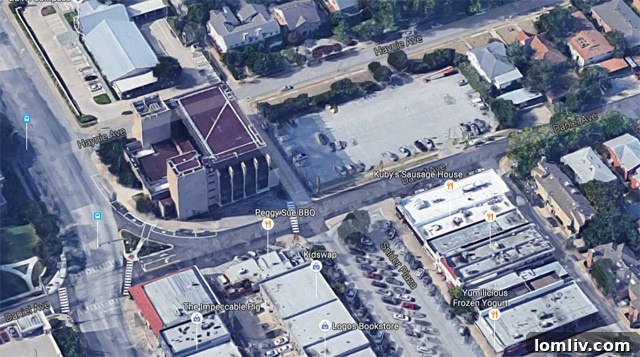
The aforementioned signs target a specific site: the shuttered Chase bank branch on Hillcrest, located just south of the vibrant Snider Plaza, along with its adjacent parking lot. A formal proposal has been submitted to the University Park City Council, seeking the creation of a Planned Development District (PD-26) for these parcels. The primary objective behind this zoning change is to significantly increase the density and utility of the land, transforming it into a dynamic mixed-use destination.
From Eyesore to Opportunity: The Transformation of a Key Site
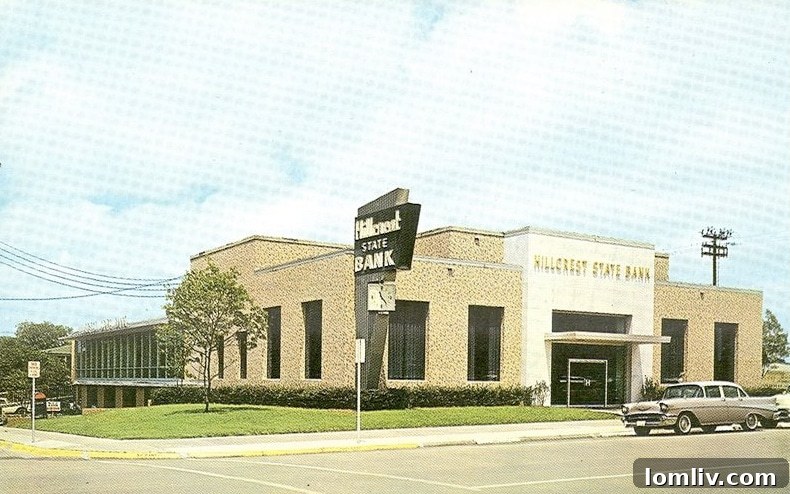
Let’s be frank: few will mourn the demolition of the existing Chase building. Its current state is widely considered an architectural eyesore that detracts from the surrounding area. Replacing it is hardly an act of “wrecking Snider Plaza”; rather, it’s an opportunity for enhancement. The building’s original charm, as the single-story Hillcrest State Bank designed by the renowned George Dahl, is a distant memory, having been significantly altered over the years. The proposed redevelopment offers a chance to restore architectural significance and vibrancy to this prominent corner.
According to the Dallas Central Appraisal District (DCAD), the existing structure encompasses 52,344 square feet of leasable space, though the developer’s figures suggest a more modest 27,000 square feet. The “Park Plaza” proposal envisions a substantial expansion, adding two stories and extending the building footprint across the back alley and slightly into the parking lot area. This strategic expansion is designed to maximize the site’s potential while thoughtfully integrating with the existing urban fabric. Upon completion, the project is slated to feature an impressive 127,880 square feet dedicated to office, retail, and restaurant spaces. This represents a 2.4-fold increase in floor space compared to the DCAD’s estimate for the current building. Importantly, the added mass is not confined to a single monolithic structure; instead, the design incorporates thoughtful step-downs and varied heights, ensuring the seven-story development enhances rather than overwhelms its surroundings.
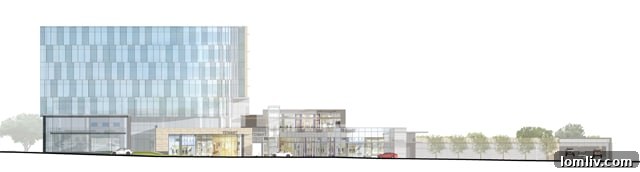
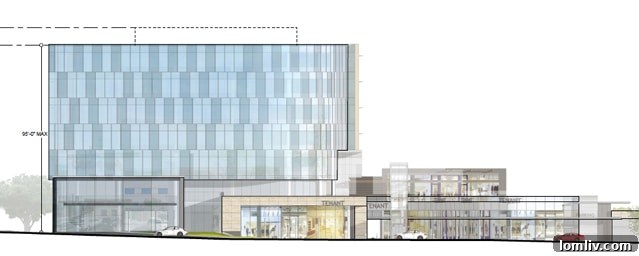
As illustrated in the rendering above, the “Park Plaza” development incorporates a sophisticated design featuring strategic step-downs. While the primary office block will reach a height of 95 feet (including elevator housing), a significant portion of the project maintains a more modest, essentially treetop height. This architectural approach ensures that the new structure will not create an imposing presence, mitigating concerns about it “looming over” the neighborhood. It represents a subtle increase in height and a mild extension closer to Snider Plaza, a significant departure from the harsh, zero-lot line developments that often spark intense community opposition. This nuanced design addresses aesthetic concerns and promotes a harmonious integration with the beloved character of University Park.
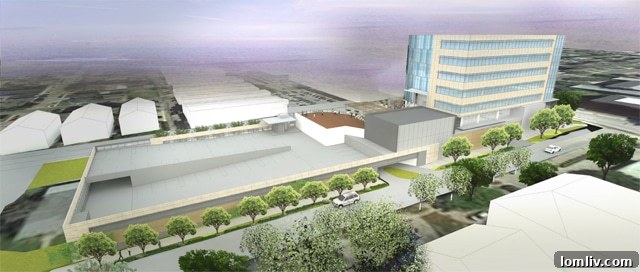
A common query posed to the UP mayor and city council questions why this seven-story proposal receives consideration when a prior five-story, 135,000 square-foot project was rejected. The key lies in the footprint: the previous five-story proposal, despite being shorter, occupied a larger portion of the lot, resulting in a more expansive, bulkier mass. The “Park Plaza” design, conversely, prioritizes height over breadth, offering a more slender vertical profile that minimizes its ground-level impact. This effectively “trades fat for tall,” allowing for increased density with a more considerate footprint.
Addressing Core Community Concerns: Parking and Traffic Dynamics
As with virtually any significant urban development, the rallying cries of “traffic and parking” invariably emerge. Let’s delve into how the “Park Plaza” proposal addresses these critical community concerns for University Park.
Ample Parking Solutions
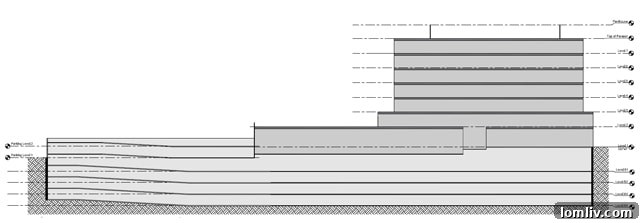
According to the October 18th agenda, the new University Park development is designed to include an impressive 644 parking spaces, with the vast majority being conveniently located underground. This substantial provision significantly exceeds the city’s minimum requirements, a proactive measure to alleviate potential parking congestion. The developer projects that this ample parking capacity will comfortably satisfy 100 percent of the needs for all future tenants and visitors to the development. This strategic approach effectively blunts the criticism that Snider Plaza would be overrun with spillover parking problems, ensuring that the new development contributes positively to the area’s parking infrastructure rather than exacerbating existing challenges.
Navigating Traffic Impacts
Ah, traffic – the perennial concern in bustling urban areas. In compliance with University Park’s regulations, the developer commissioned an extensive traffic study. This comprehensive analysis compared current traffic volumes, routing patterns, congestion levels, and existing infrastructure burdens against the same criteria projected post-development. The study, conducted by experts at Kimley-Horn, concluded that the “Park Plaza” development would generate an additional 4,757 daily weekday trips. While this figure might sound substantial at first glance, its actual impact requires further context.
Kimley-Horn did provide clear projected increases, but a critical omission was a direct, side-by-side comparison to current traffic volumes. Instead, a large data dump was appended, making it difficult for the average reader to immediately grasp the true proportionality of the increase. Do these 4,757 additional trips equate to a 50 percent surge, a mere 5 percent, or an overwhelming 500 percent? In my experience, when obvious comparative data is obscured, it’s rarely for a good reason, suggesting the full picture might not be as favorable as presented.
The study did, however, offer detailed data on turning patterns into and out of the area. A significant concern in University Park, like many residential communities, is the potential for increased cut-through traffic through quiet neighborhoods. The Kimley-Horn study confidently concluded that any added cut-throughs would be negligible, primarily attributed to local residents visiting the new development’s restaurants. This conclusion holds credence. Office workers accessing the new building are likely to be local residents, or commuters utilizing the Dallas North Tollway or Central Expressway. Such individuals would typically head a half-block west to Dickens, then north to westbound Lovers Lane to access the Tollway or Preston Road. Those using Central Expressway would turn north on Hillcrest to reach Lovers Lane eastbound. While a few drivers might attempt to cut through smaller streets, the west side is characterized by numerous dead ends, and east of Hillcrest, drivers would contend with SMU-related traffic, offering little to no time savings.
Finally, regarding traffic, the study accurately noted that the existing building is currently vacant and thus generates zero traffic. However, once again, the study failed to provide a crucial comparison: today’s traffic, today’s traffic assuming the Chase bank was fully occupied, and then the increases based on the new development’s full impact. For instance, if today’s area traffic was 10,000 trips, rising to 13,000 with a fully occupied Chase, and then 14,757 with the new development, the actual difference between an occupied Chase building and the new project would be 1,757 trips – a number far less “demonized” than the raw 4,757. The absence of this direct comparison suggests that even this more nuanced view might not present an overwhelmingly positive picture, highlighting a gap in transparent data presentation.
Ensuring Transparency: Bridging the Information Gap in University Park
One recurring criticism leveled against the University Park City Council concerns a perceived lack of transparency in keeping residents informed about significant developments. However, a closer examination reveals little evidence to support this claim. The council has made documented efforts to disseminate information, even if traditional methods may no longer reach every household in today’s digital age.
For example, included as part of the UP City Council meeting notice for their October 18, 2016, meeting, were the following details:
“A public notice of the Planning and Zoning public hearing was published in the Park Cities News on June 2, 2016, and notices were mailed to owners of real property within 200 feet of the subject tract. Those Public Notices, totaling 45, were issued by mail to all property owners within 200 feet of the subject property. Fifteen of those notices were returned with a response in protest of the zoning change. The property associated with those protesting responses represent 19.05% of the area adjacent to and within 200 feet of the subject property, just below the 20% threshold requirement for a three-fourths (3/4) vote of the City Council to change the zoning. A public notice of the City Council public hearing was published in the Park Cities News on July 28, 2016. The Public Hearing was held open for three consecutive City Council meetings.
The Planning and Zoning Commission conducted a Public Hearing to receive comments about this project on June 14, 2016. Upon conclusion of that hearing and deliberations, the Commission recommended approval of the Planned Development District with some modifications. Those modifications were incorporated into the revised submittal documents attached in this agenda as EXHIBIT A of the proposed adopting Ordinance.
The Zoning Ordinance, Section 17 lists the typical submittals required for review in the process for approval of a Planned Development District. The submittals to date have been in general”
While relying on the somewhat antiquated method of newspaper publication – a practice that certainly feels anachronistic in 2016, let alone today – it appears the University Park City Council genuinely attempted to inform its constituents. If an individual homeowner remains unaware, that outcome doesn’t automatically signify a lack of transparency on the city’s part. This scenario is remarkably similar to what transpired during the highly contested (Transwestern) Laurel apartments project. In that instance, residents who became aware of the plans late in the process expressed significant frustration, feeling that news hadn’t been spoon-fed to them. Yet, outlets like daltxrealestate.com, among others, extensively covered the Laurel development, demonstrating that information was indeed accessible to those who sought it.
For protesters genuinely seeking to effect change, the most constructive approach would be to focus on modernizing the rules governing how and which neighbors are alerted to development proposals. If the current 200-foot notification radius is deemed insufficient, the effort should be directed toward advocating for its expansion – acknowledging that not every procedural change warrants a citywide referendum. Furthermore, with dwindling newspaper readership, exploring more effective, mass notification methods in the digital age is paramount. These are the pertinent questions to ask and the systemic rules to challenge, rather than merely blaming a perceived lack of transparency.
A Balanced Perspective: Revitalization and Community Integration
As a regular pedestrian in this area, my personal observation is that the “Park Plaza” proposal represents a reasonably attractive and highly beneficial replacement for what is currently an unsightly building and a barren surface parking lot. The revitalization promises to bring a renewed sense of purpose and activity. Office workers, whose presence was diminished by Chase’s departure, are poised to return, naturally gravitating towards Snider Plaza’s charming shops and diverse eateries. Furthermore, it’s highly probable that local residents, including those currently protesting, will ultimately frequent the new shops and restaurants, integrating the development into their daily lives.
Do I consider this the ultimate, most perfect utilization of this particular lot? Probably not. There’s almost always a “better” or more idealistic alternative. Personally, a completely underground parking structure topped with expansive green space would be an even more aesthetically pleasing outcome. However, one must consider the practicalities and economic realities. The proposed development is hardly an anomaly; a three-story above-ground garage already stands kitty-corner on the northeast corner of Hillcrest and Daniel, illustrating existing urban adaptations in the area.
That said, my primary area of lingering concern remains a desire for a clearer and more comprehensive understanding of the traffic implications. The projected increases should be explicitly compared to both current traffic volumes and the area’s potential traffic capacity if the original Chase building were fully occupied. If such comparative data was presented in a council meeting, it absolutely warrants inclusion and clear presentation within the published traffic study for public scrutiny.
Finally, I would strongly urge protestors to temper their rhetoric, moving beyond the “think of the children” appeals and “impeach the mayor” histrionics. Such sensationalism tends to obscure substantive discussion and detracts from productive civic engagement. Save such impassioned pleas for presidential elections, where they might be more appropriately directed. Constructive dialogue, supported by clear data and rational arguments, is the path forward for University Park.
Remember: High-rises, HOAs, and renovation are my primary focus. But I also deeply appreciate modern and historical architecture, always striving for a balance against the dynamic YIMBY (Yes In My Backyard) movement. If you’re interested in hosting a Candysdirt.com Staff Meeting event, please reach out. In 2016, my writing was recognized with Bronze and Silver awards from the National Association of Real Estate Editors. Do you have a compelling story to tell, or perhaps even a marriage proposal to make? Feel free to shoot me an email at [email protected]. I look forward to hearing from you.