Safeguarding Your Home: The Indispensable Role of Home Insurance in a Changing Climate
The profound and accelerating impact of climate change has become an undeniable force reshaping our world, influencing everything from global ecosystems to the very fabric of our daily lives. Its tentacles extend into the natural, economic, and social systems we depend on, creating a ripple effect that touches food security, water supply, public health, critical infrastructure, and national economies. We are witnessing an alarming increase in the frequency and intensity of extreme weather events, relentless rises in sea levels, and even the unsettling spread of diseases into new regions. These environmental shifts collectively diminish the quality of life for communities worldwide, rendering our once predictable environment increasingly volatile.
In the United States, the statistics paint a stark picture. A recent NOAA report highlights a critical trend: the number of costly natural disasters across the nation has doubled over the past two decades. This isn’t just a statistical anomaly; it signifies a new reality where catastrophic events are becoming more common and destructive. In this rapidly evolving landscape, where unpredictability is the new normal, having comprehensive home insurance transcends mere financial planning; it has transformed from a sensible precaution into an absolute necessity for every homeowner seeking to protect their most valuable asset.
Understanding the critical importance of robust homeowners insurance in an era defined by climate change is paramount. This article delves into the escalating risks homeowners face, the financial repercussions of being uninsured, and the vital steps you can take to secure your property and peace of mind against an increasingly unpredictable future.
The Grave Risks of Being Uninsured When Disaster Strikes
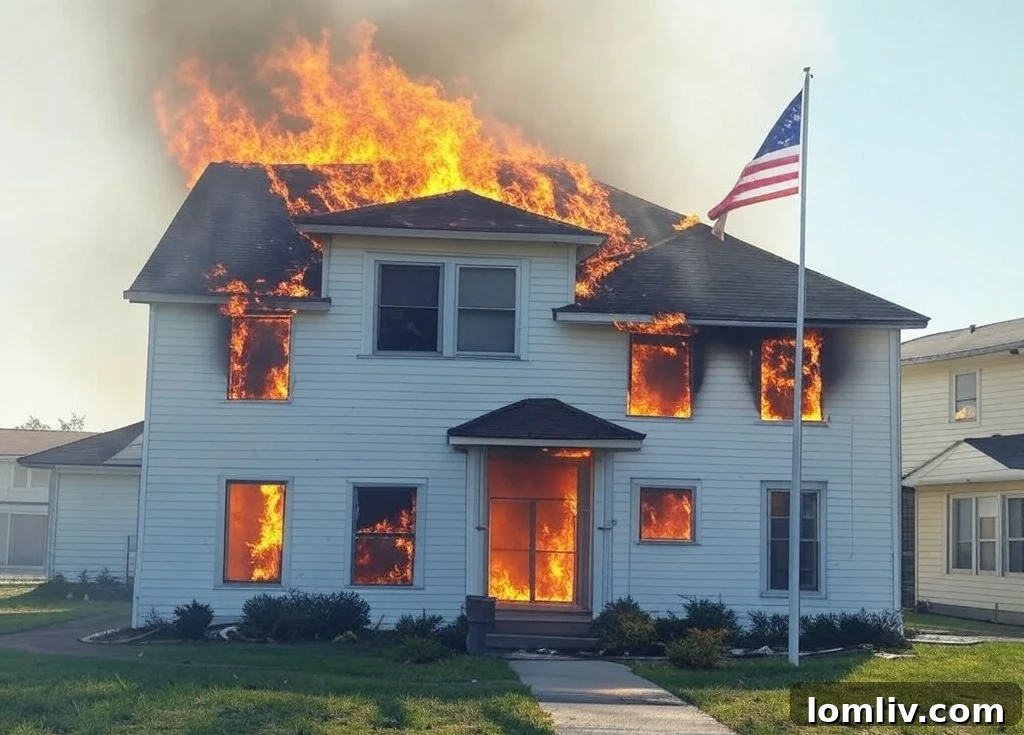
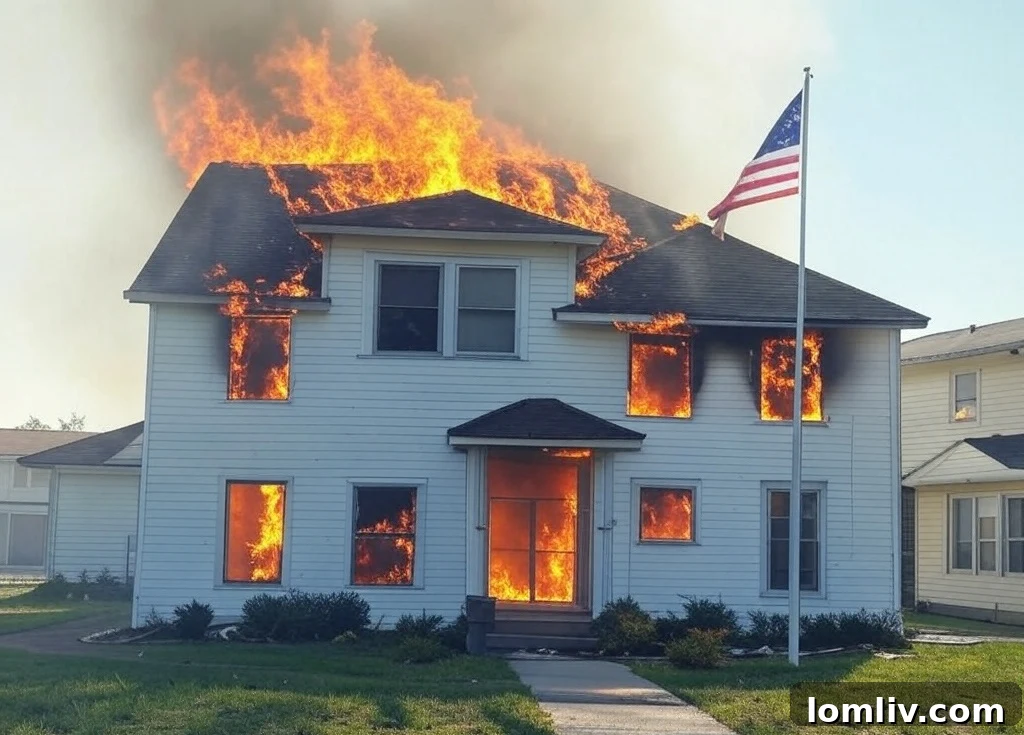
Imagine waking up one day to find your home—your sanctuary, your biggest investment—devastated by an unforeseen natural disaster. This isn’t a hypothetical scenario for millions; it’s a harsh reality that unfolds for families every year. Events like powerful hurricanes, torrential floods, and devastating wildfires possess the power to obliterate a home in mere moments, leaving behind a trail of destruction and despair. In California, for instance, wildfires have become an annual menace, inflicting billions of dollars in property damage and displacing countless residents. Simultaneously, coastal regions, particularly states like Florida, are routinely battered by major tropical storms and hurricanes, each capable of unleashing unprecedented damage.
Without the protective shield of adequate home insurance, homeowners are left entirely exposed to the full financial brunt of these catastrophes. Every single repair cost, every reconstruction expense, and every dime needed to replace lost possessions falls squarely on their shoulders. This isn’t just about covering the immediate damages; it extends to temporary housing, emergency supplies, and the myriad unexpected costs that arise in the wake of a disaster. The emotional toll of losing one’s home is immense, but the added burden of overwhelming debt due to a lack of insurance can turn a tragedy into a permanent financial ruin, affecting credit scores, savings, and future stability for years to come. In an era where extreme weather is increasingly common, choosing to be uninsured is an extraordinarily risky gamble with your financial future.
The Staggering Financial Burden of Rebuilding and Repairs After Property Damage
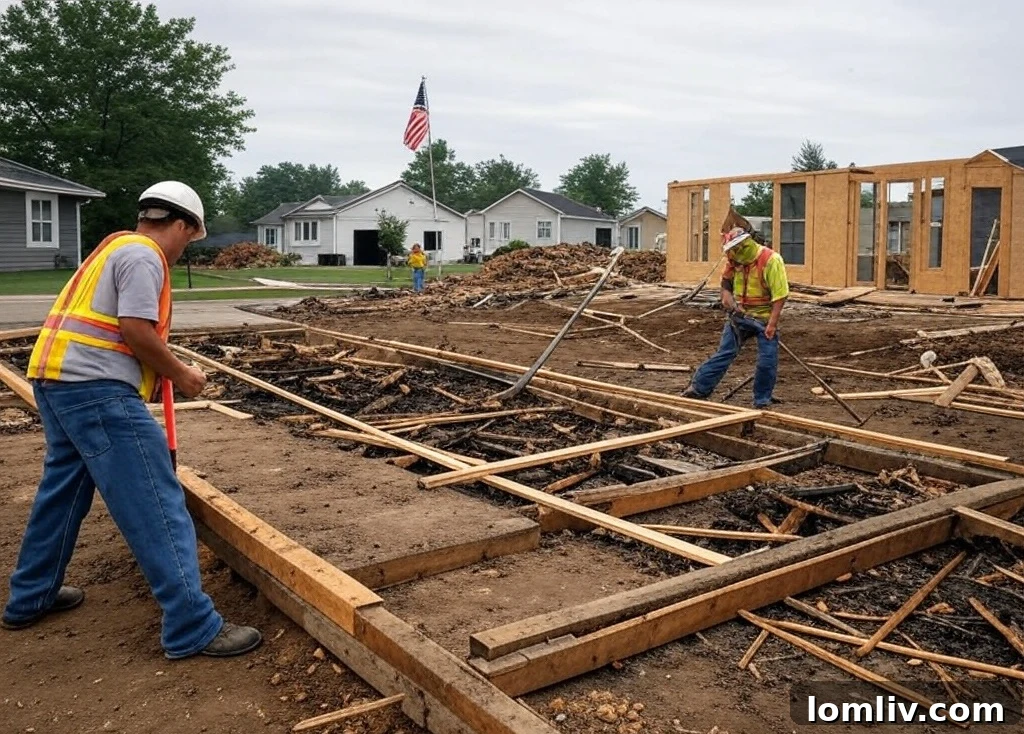
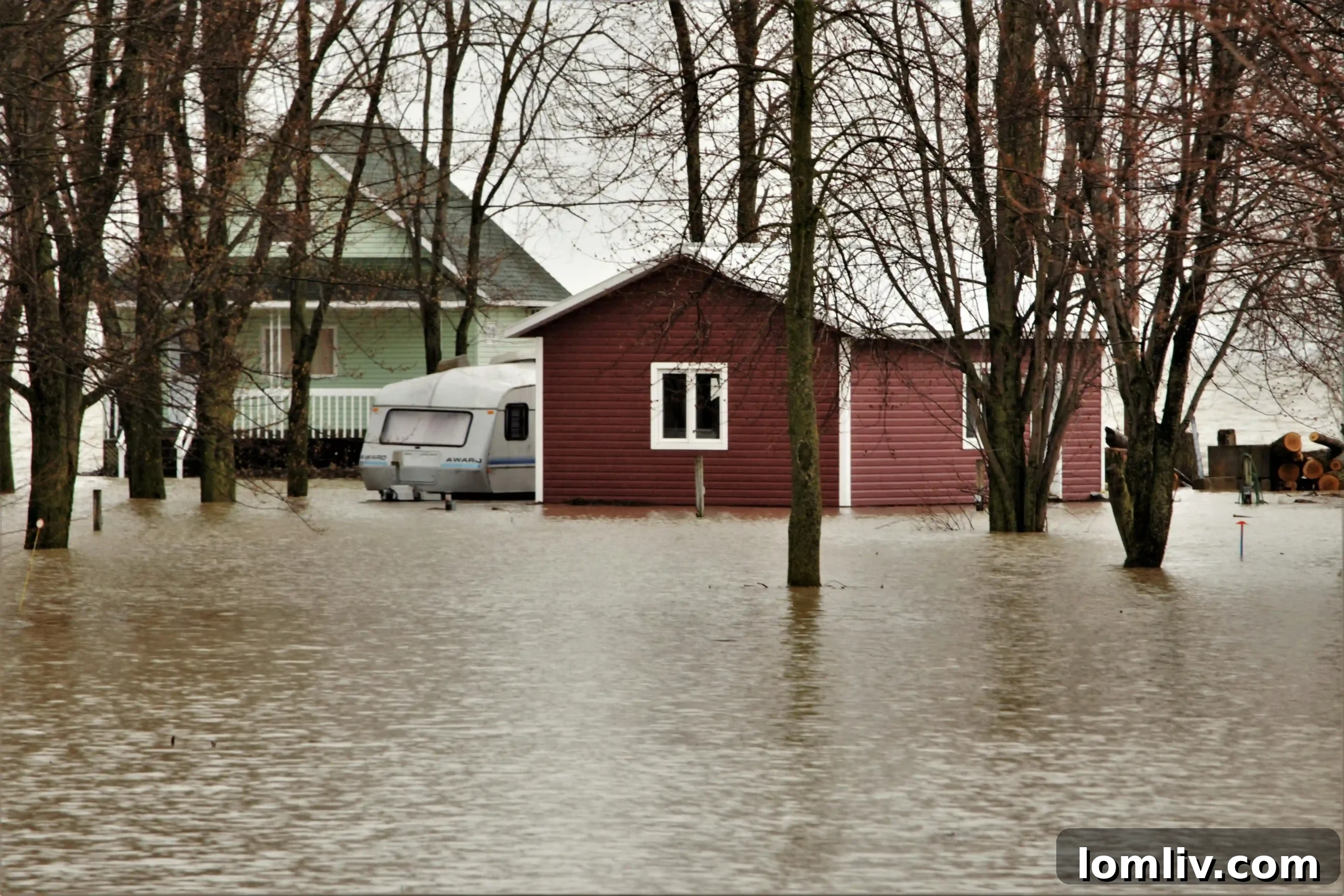
The financial aftermath of a natural disaster can be nothing short of crippling. Annually, Americans collectively spend an estimated $20 billion repairing homes that have been damaged or destroyed by various weather and climate-related disasters. This astronomical figure underscores the widespread and costly nature of these events. To put it into perspective, the average cost of repairing a home after a moderate flood can easily range from $30,000 to $70,000, depending heavily on the extent of water intrusion and structural damage. More severe events, or those involving complete destruction, can push these figures far beyond six figures.
These costs encompass not only the direct repairs to the structure but also the replacement of damaged personal belongings, often including furniture, appliances, electronics, and clothing. Furthermore, homeowners frequently face additional expenses such as debris removal, temporary accommodation while their home is uninhabitable, and even the increased cost of building materials and labor in areas experiencing widespread damage. Without the robust backing of home insurance, an individual or family would be solely responsible for these monumental expenses. For many, such an unforeseen financial hit would lead directly to bankruptcy, forced relocation, or the crushing burden of a mortgage on a property that no longer provides shelter. It’s a financial hole from which recovery can take years, if not decades, fundamentally altering one’s economic trajectory.
Navigating the Landscape of Rising Home Insurance Costs
While the necessity of home insurance is clearer than ever, homeowners in disaster-prone regions are simultaneously grappling with another significant challenge: consistently rising insurance premiums. This upward trend isn’t arbitrary; it’s a direct reflection of the escalating risk environment. Insurers, like any business, must adjust their pricing to account for the increased likelihood and severity of claims stemming from the growing number of natural disasters. When a region experiences repeated large-scale events, insurance companies assess the heightened risk and typically respond by increasing premiums, making it more expensive to secure adequate coverage.
Beyond the direct impact of more frequent and intense storms, wildfires, and floods, rising construction costs also play a crucial role in these premium hikes. Supply chain disruptions, labor shortages, and increased demand for materials after widespread damage drive up the cost of repairs and rebuilding. This means that even if a policy covers the damage, the total payout required by the insurer is higher, which in turn influences future premiums. While these rising costs can undoubtedly strain a homeowner’s budget, it is critical to weigh the expense against the potential catastrophic financial loss of being uninsured. Despite the premium being higher, the peace of mind and financial protection offered by insurance remain an invaluable investment compared to facing the full, potentially bankrupting, cost of disaster recovery alone.
Deciphering Your Home Insurance Policy for Comprehensive Protection
One of the most critical aspects of securing your home against disaster is not just having insurance, but truly understanding what your policy covers—and, perhaps more importantly, what it doesn’t. Insurance policies are complex documents, and their coverage can vary widely based on the provider, the specific type of policy (e.g., HO-3, HO-5), and the geographical location of your property. What might be standard coverage in one state could be an exclusion in another, requiring additional riders or separate policies.
Consider Texas, for example, where extensive flooding is a major and recurrent threat. Many standard homeowners insurance policies explicitly exclude flood damage. Does your Texas home insurance policy specifically cover this common disaster? It might, especially if you have purchased supplemental flood insurance through the National Flood Insurance Program (NFIP) or a private insurer, but you can never be too sure without a thorough review. Other common exclusions often include damage from earthquakes, mold (beyond what’s caused by a covered peril), and even certain types of water damage like sewer backups, which might require a separate endorsement.
It is absolutely essential for homeowners to dedicate time to carefully read and understand the terms, conditions, deductibles, and exclusions of their policy. Don’t hesitate to ask your insurance agent direct questions about what specific perils are covered and what additional coverage might be necessary given your property’s location and exposure to specific risks. An annual policy review is also highly recommended, as your property’s value changes, renovations occur, and local environmental risks evolve. Being proactive in understanding your coverage ensures that you have the comprehensive protection you expect when disaster strikes.
Why Government Assistance Falls Short for Full Recovery
Following a widespread natural disaster, it’s natural for affected communities to look towards government agencies for aid and support. While federal assistance programs, such as those administered by FEMA (Federal Emergency Management Agency), play a crucial role in initial relief efforts, it is a critical misconception to believe that this aid is sufficient for full recovery or rebuilding a damaged home. Government assistance is typically limited and designed to provide a safety net, not a comprehensive replacement for personal insurance.
FEMA, for instance, typically provides an average of $5,000 to $8,000 per household in direct financial assistance for certain eligible expenses. While this amount can be incredibly helpful for immediate needs like temporary housing, essential repairs, or replacement of critical items, it is a mere fraction of what is required to rebuild a destroyed home, which, as discussed, can easily run into tens or even hundreds of thousands of dollars. Furthermore, government aid often comes with strict eligibility criteria, lengthy application processes, and may be provided as low-interest loans rather than outright grants, adding to a homeowner’s debt burden.
Relying solely on government assistance for post-disaster recovery is a precarious position. For robust, comprehensive protection that truly safeguards your property and allows for a full and timely recovery, private home insurance is indispensable. It’s the primary mechanism designed to cover the substantial costs of repair, rebuilding, and replacing lost possessions, offering a level of financial security that government programs simply cannot match.
Proactive Steps for Homeowners: Secure Your Future
The stark reality of climate change means that natural disasters are becoming increasingly unpredictable and severe. This evolving threat landscape necessitates a proactive approach to protecting your property and financial well-being. The right homeowners insurance policy isn’t just a piece of paper; it’s a vital shield that protects your most significant investment—your home—and the peace of mind that comes with knowing you’re prepared for the unexpected.
Don’t wait until a disaster strikes to realize the gaps in your coverage or the absence of a policy altogether. Take decisive action today to secure your future. Start by thoroughly reviewing your current home insurance policy. Understand its limits, deductibles, and any exclusions that might leave you vulnerable. If you live in an area prone to specific risks like floods, wildfires, or earthquakes, investigate whether you need supplemental coverage. Consult with a trusted insurance agent who can help you assess your risks, explain different policy options, and ensure your coverage aligns with the true value of your home and possessions. Obtaining multiple quotes from different providers can also help you find competitive rates without sacrificing essential protection.
In a world where climate impacts are increasingly shaping our realities, safeguarding your home with robust homeowners insurance is not merely an option; it is an essential component of responsible homeownership and long-term financial stability. Act now, ensure your policy is up-to-date and comprehensive, and gain the invaluable peace of mind that comes from knowing your home is protected against whatever the future may hold.