Beyond the Gimmick: Why Authentic Home Staging Outperforms Fleeting Trends in Real Estate
In today’s highly competitive real estate market, standing out from the crowd is paramount for sellers and real estate agents alike. The quest for attention often leads to innovative, and sometimes unconventional, marketing strategies. However, there’s a delicate balance between genuine creativity that highlights a property’s best features and adopting a worn-out gimmick that ultimately detracts from its true appeal. This week, we delve into a listing that, despite featuring an otherwise charming starter home, employs a marketing tactic that has officially, in our humble opinion, run its course.
We’re talking about the pervasive trend of incorporating costumed characters or novelty items into listing photos. While initially a unique way to grab eyeballs and spark social media engagement, this approach has become so ubiquitous that it now often signals a lack of original thought rather than an exciting new perspective. Instead of enhancing the home’s features, it risks turning the property into a backdrop for a fleeting joke.
Introducing a Charming Florida Starter Home… With a Twist
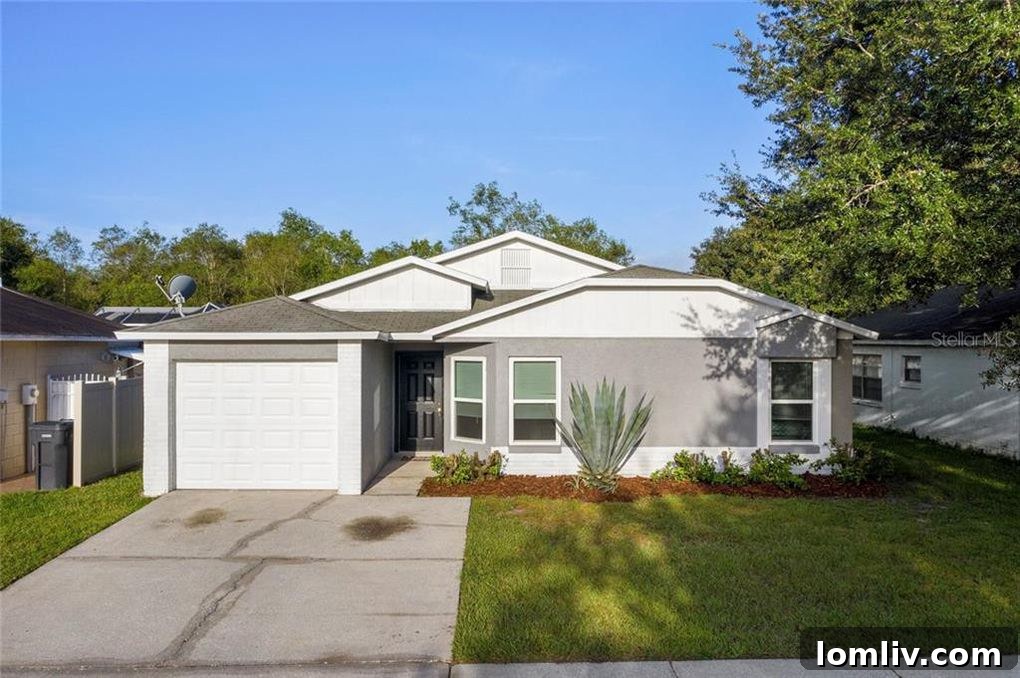
Let’s take a look at this particular property: a quaint starter home nestled in Florida. From an initial glance, it presents as a perfectly normal, appealing residence. The exterior is tidy, the curb appeal is inviting, and the overall impression is one of a comfortable, accessible entry into homeownership. For once, it seems a Florida listing is free of the bizarre or unexpected, promising a straightforward viewing experience.
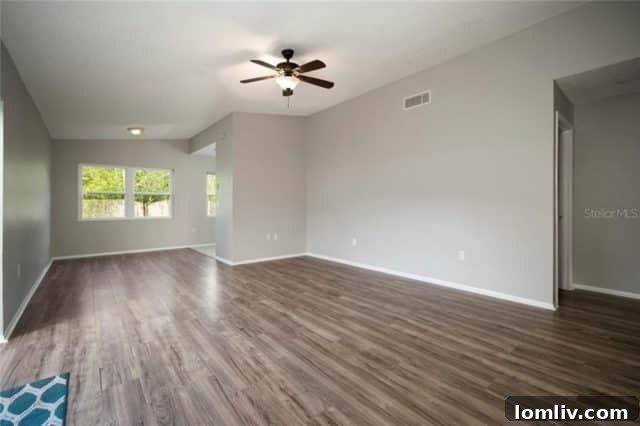
As we virtually tour the home, this sense of normalcy largely persists. The rooms appear clean, well-lit, and offer a promising canvas for prospective buyers to envision their lives unfolding within its walls. “So, why,” you might be asking, “is this seemingly normal starter home being singled out for critique?” The answer lies not in the property itself, but in the creative choices made for its presentation.
The Overdone Marketing Gimmick: A Visual Distraction
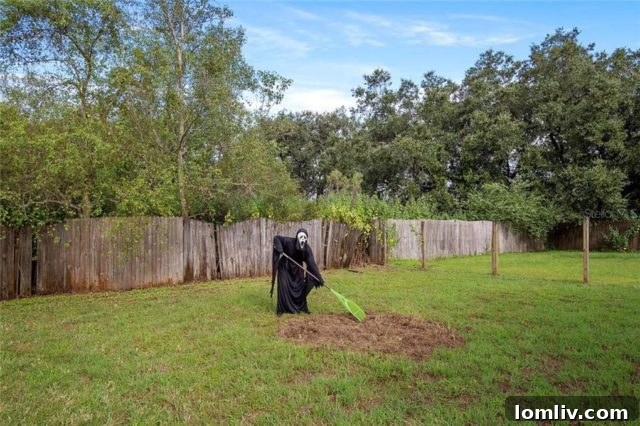
The normalcy, unfortunately, doesn’t extend to all the listing photos. This is where the chosen marketing tactic comes into play – or rather, falls short. The images begin to reveal a pattern that, while perhaps intended to be amusing or memorable, ultimately becomes a distracting cliché.
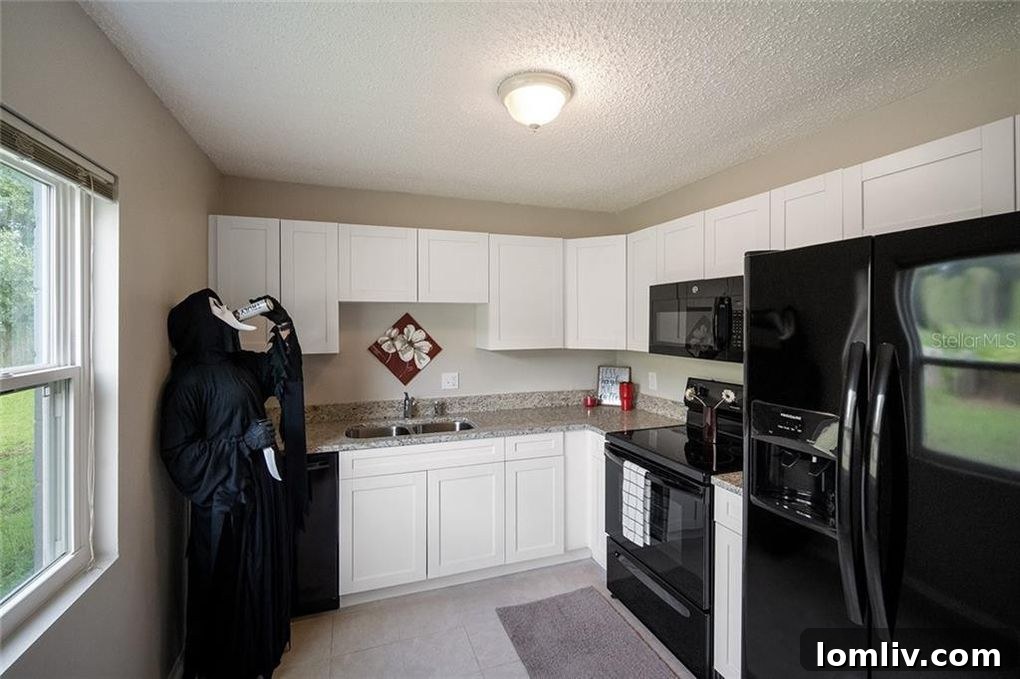
We see costumed characters strategically placed in various rooms, attempting to inject humor or a sense of whimsical charm into the listing. From the living room to the bedrooms, these figures are positioned to catch the eye, but perhaps not in the way that genuinely benefits the property’s sale.
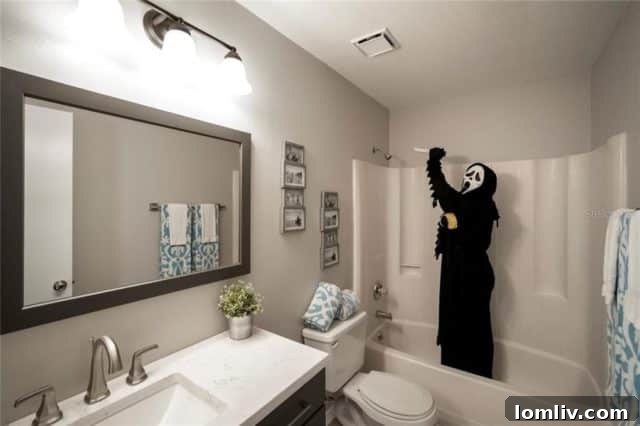
This approach isn’t new. In recent years, we’ve witnessed an explosion of such “creative” listings. From properties featuring a Dinosaur Listing to a Grinch Listing, the internet has been saturated with attempts to go viral. While the initial novelty of these early examples might have generated buzz, the trend has now been done to death. What was once amusing and attention-grabbing has become predictable, stale, and frankly, tiresome. It’s reached a point where seeing a character in a listing photo feels less like a delightful surprise and more like a desperate cry for attention.
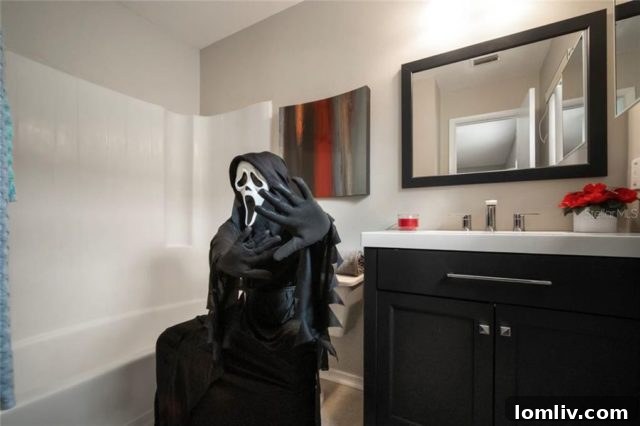
The primary goal of a real estate listing is to showcase the property itself – its space, its potential, its inherent value. When a prominent gimmick overshadows these essential elements, it fails in its core purpose. Buyers, ultimately, are not looking to purchase a costume or a character; they are seeking a home where they can build their future. Anything that distracts from that vision is a disservice to both the seller and the potential buyer.
The Power of Professional Staging: Highlighting Potential, Not Posing Characters
Instead of relying on tired gimmicks, real estate professionals should double down on proven strategies that effectively attract buyers and help them visualize themselves in the space. One such strategy, which consistently delivers results, is professional home staging. While this particular listing features a small living room and bedrooms, the staging budget, if any, appears to have been misallocated.

Consider the impact of proper staging in areas that truly matter to buyers. For a small living room, for instance, a carefully arranged layout demonstrating where a TV, a couch, and perhaps an accent chair could comfortably fit provides immense value. Buyers often struggle to visualize furniture placement in empty or awkwardly arranged spaces. Professional staging offers practical solutions, showcasing the room’s functionality and maximizing its perceived size. It helps answer critical questions like: “Will my sofa fit here?” or “Where would we put the dining table?”

Contrast this with a costumed character standing awkwardly in an otherwise empty or minimally furnished room. The character draws attention, yes, but it doesn’t help the buyer understand the flow of the house, the scale of the rooms, or how their own belongings might fit. It merely serves as a fleeting distraction that quickly fades, leaving the practical questions unanswered.
Furthermore, staging isn’t just about furniture; it’s about creating an inviting atmosphere that evokes emotion and desire. It can involve decluttering, depersonalizing, optimizing lighting, and adding tasteful decor that appeals to a broad audience. This holistic approach ensures that the home, not a novelty act, is the star of the show.
Beyond Fleeting Fads: Truly Effective Strategies for Attracting Homebuyers
If the goal is truly to make a listing memorable and effective, then real estate professionals should invest their time and resources into strategies that provide tangible value to potential buyers, rather than purchasing a costume that hasn’t been relevant since the late 90s. Here are some more impactful ways to attract and convert buyers:
- Professional Photography and Videography: High-quality visuals are non-negotiable. Crisp, well-lit photos and engaging video tours allow buyers to experience the property remotely, making them more likely to schedule an in-person viewing.
- Virtual Tours and 3D Walkthroughs: These immersive tools go beyond static photos, providing a comprehensive understanding of the home’s layout and flow. They empower buyers to explore every nook and cranny from the comfort of their own homes.
- Detailed and Engaging Descriptions: Craft compelling narratives that highlight the property’s unique selling points, local amenities, and the lifestyle it offers. Tell a story that resonates with the aspirations of your target audience.
- Highlighting Unique Features: Does the home have a newly renovated kitchen, energy-efficient windows, a spacious backyard, or a prime location near schools and parks? Showcase these distinctive attributes prominently.
- Strategic Pricing: A well-researched and competitive pricing strategy is fundamental. An accurately priced home generates more interest and is more likely to sell quickly.
- Open Houses with Purpose: While traditional, an open house can be highly effective when executed properly – clean, staged, and with knowledgeable agents ready to answer questions and highlight features.
- Digital Marketing Campaigns: Leverage social media, targeted online ads, and email marketing to reach a wider, more specific audience that is actively looking for properties like yours.
At this point, honestly, we’d be more impressed with something genuinely unexpected and creative, even if it borders on the absurd, like hiring a couple of “dirty dancers” to cavort on the kitchen counter – at least that would be a fresh take on novelty! But even then, the core message remains: the home should be the focus.
So, to reiterate, we are officially declaring this particular costume gimmick in real estate listings to be over. Don’t do it. Stop it. It’s a strategy that has lost its impact and risks making your listing blend into a sea of similar, ultimately ineffective attempts at humor.

The Bottom Line: Attracting the Right Buyer, Not Just Any Attention
While this kind of behavior might get a listing featured in discussions about questionable marketing tactics, much like a child seeking attention by shrieking in a grocery store, there are far more effective and professional ways to attract the right buyers. The goal isn’t just to get attention; it’s to get the *right* kind of attention – attention that leads to serious inquiries, positive showings, and ultimately, a successful sale.
Focus on presenting the home in its best light, highlighting its value, and addressing the practical needs and emotional desires of potential homeowners. Embrace strategies that empower buyers with information and allow them to genuinely connect with the property. Do those things, and avoid this thing.
Do you disagree? Are these gimmicks still effective in your market? We invite your thoughts and comments below. But deep down, you know we’re right. For those curious to see more of the full listing and make your own judgment, you can click here.