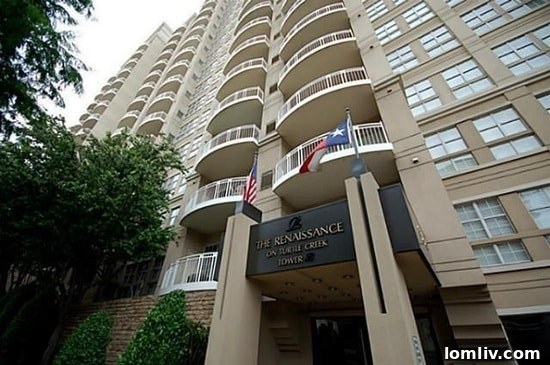
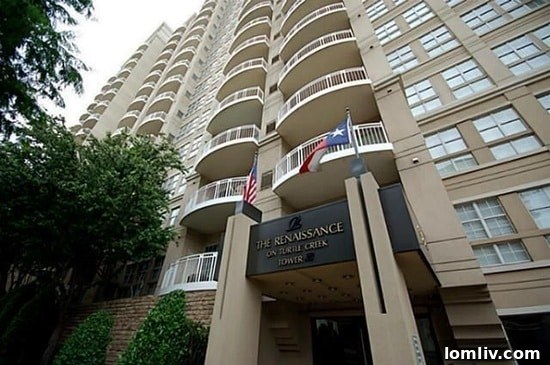
On a somber autumn day in October 2015, the vibrant pulse of Dallas, Texas, was momentarily halted by a dramatic and unforeseen event: the partial collapse of a parking garage at The Renaissance on Turtle Creek, an upscale apartment complex located at 3225 Turtle Creek Blvd. This incident, which saw multiple levels of the structure give way, sent shockwaves through the community, immediately triggering a massive emergency response. While the initial scenes were alarming, the painstaking efforts of first responders ultimately led to a truly miraculous outcome, leaving the community to ponder the critical importance of structural integrity and public safety in urban environments.
The initial reports painted a concerning picture. Eyewitnesses described a terrifying scenario where a significant section of the multi-story parking garage abruptly buckled and fell. The collapse, which affected several parking spaces, was observed to have propagated through multiple levels, from the very top of the structure all the way down to the ground floor. This catastrophic failure transformed a routine parking facility into a chaotic scene of twisted metal and displaced concrete, with vehicles trapped amidst the rubble. Residents and workers in the vicinity immediately reported the incident, drawing a swift and comprehensive response from Dallas emergency services.
As news of the collapse spread, residents and individuals working near vantage points overlooking the garage began to provide crucial early insights. Multiple reports emerged suggesting that a contractor had been storing a substantial amount of fill dirt in the specific area that ultimately gave way. This initial lead quickly became a focal point for investigators, raising questions about adherence to weight limits and construction protocols. The sudden introduction of an unanticipated, heavy load could have severely compromised the structural integrity of the parking deck, potentially exceeding its design capacity and precipitating the tragic collapse.
The scene quickly transformed into a high-stakes rescue operation. Dallas Fire-Rescue (DFR) and the Dallas Police Department swiftly converged on the Renaissance on Turtle Creek, establishing a perimeter and initiating search and rescue efforts. Specialized teams, including urban search and rescue units and highly trained canine search and rescue teams, were deployed to meticulously comb through the debris. Their primary objective was to locate any potential victims trapped within the wreckage, a task made challenging by the instability of the remaining structure and the sheer volume of rubble. The Dallas medical director was also present on the scene, coordinating medical readiness in anticipation of potential injuries.
During the unfolding crisis, social media platforms, particularly Twitter, became a vital conduit for real-time updates and eyewitness accounts, keeping the anxious public informed.
#BREAKING: Reports confirm a parking garage collapse at The Renaissance apartment building along Turtle Creek Blvd. in Dallas on October 23, 2015. Initial photos show significant damage to the structure.
Viewer photos from WFAA-TV on October 23, 2015, captured the partial collapse, showing the destruction starting from the top level of the Turtle Creek parking garage.
#BREAKING: A witness at the scene recounted the terrifying moment the hole in the garage opened above him, stating it sounded like a jet engine as he narrowly escaped on October 23, 2015.
The Dallas Police Association on October 23, 2015, reported major damage following the #turtlecreek garage collapse, highlighting the severity of the structural failure.
Chris Jose of NBC5 reported on October 23, 2015, that the Dallas medical director was on scene at the Turtle Creek parking garage collapse, confirming that, so far, zero victims had been found as the search continued.
FOX 4’s John Gnann provided a crucial update on October 23, 2015, stating that the collapse extended from the 7th floor all the way to ground level, and incredibly, Dallas Fire-Rescue had not yet found any injuries.
FOX 4 NEWS further illustrated the extent of the disaster on October 23, 2015, with ground floor views vividly depicting the extensive damage from the parking garage collapse.
DallasOEM (Office of Emergency Management) confirmed on October 24, 2015, that all individuals at the Turtle Creek parking structure were safe, with @DallasFireRes_q and USAR (Urban Search and Rescue) teams present.
Jobin Panicker of @wfaachannel8 reported on October 24, 2015, that Dallas Fire had deployed 5 disaster dogs through the collapse zone, with no “hits” indicating human presence. Property Management was simultaneously cross-checking residents for further verification.
The meticulous and exhaustive search efforts, aided by the K9 units, continued for hours. Despite the horrific appearance of the collapse, with debris strewn across multiple levels, the dedicated responders worked tirelessly. Their persistence paid off: against all odds and much to the relief of the entire Dallas community, it was officially confirmed that there were zero victims and no injuries resulting from the incident. This outcome was nothing short of miraculous, considering the destructive power of the collapse. The subsequent cross-checking of residents by property management further corroborated that everyone was accounted for and safe, turning a potential tragedy into a profound testament to good fortune and effective emergency response.
Beyond the immediate danger, the collapse at The Renaissance on Turtle Creek highlighted critical discussions about infrastructure safety and maintenance. Parking garages, often perceived as mundane utility structures, are complex engineering feats designed to withstand specific loads and stresses. The alleged storage of “fill dirt” – essentially heavy soil or aggregate material – represents a significant deviation from intended use. Such materials can exert immense pressure, potentially exceeding the weight-bearing capacity of the structural slabs and columns, leading to catastrophic failure. This incident serves as a stark reminder of the importance of strict adherence to building codes, weight restrictions, and proper site management during any construction or renovation activities, even those seemingly peripheral to the main structure.
Structural failures in parking garages can stem from various factors, including design flaws, material degradation over time (e.g., corrosion of steel reinforcements), poor construction practices, or, as in this suspected case, overloading. Regular inspections and preventative maintenance are paramount in identifying and addressing potential weaknesses before they escalate into dangerous situations. For property owners and managers, this incident underscores the financial and ethical responsibility of ensuring their structures are not only aesthetically pleasing but also rigorously safe and compliant with all engineering standards.
The timing of the collapse also occurred amidst severe weather conditions affecting Dallas. The city was experiencing heavy rainfall, leading to widespread flooding and numerous road closures. While there was no direct link established between the rain and the structural failure itself, the challenging weather certainly compounded the difficulties for emergency responders. Navigating flooded roads and working in inclement conditions added another layer of complexity to an already critical situation. This concurrent environmental challenge underscored the resilience and dedication of Dallas’s first responders, who operate effectively even under adverse circumstances.
The Renaissance on Turtle Creek parking garage collapse, despite its dramatic visual impact, ultimately stands as a story of immense relief due to the absence of casualties. It served as a powerful reminder for the Dallas community, and indeed for urban centers everywhere, about the constant vigilance required for public safety. From rigorous adherence to building codes and weight limits to proactive maintenance and swift emergency response, every element plays a crucial role in safeguarding lives. As Dallas continues to grow and develop, the lessons learned from this incident remain vital for ensuring the integrity and safety of its evolving infrastructure, preventing future tragedies and protecting its citizens.