

In the competitive world of real estate, curb appeal is often the make-or-break factor for potential buyers. Enter Tricia Quaid, a distinguished landscape designer whose architectural background provides a unique edge in transforming outdoor spaces. With an innate understanding of hardscapes and softscapes, she masterfully balances the tranquil blues of swimming pools with the vibrant greens of meticulously chosen flora. Tricia doesn’t just design landscapes; she crafts environments that elevate property value and captivate prospective homeowners, making her an indispensable asset for anyone preparing their house for the market.
Tricia’s philosophy centers on creating outdoor living areas that seamlessly extend the home’s interior, blurring the lines between built environment and natural beauty. Her expertise extends to optimizing every inch of your yard, ensuring it presents a polished, inviting, and memorable first impression. Whether it’s selecting the perfect drought-tolerant plants, integrating stunning focal points, or designing functional outdoor living zones, Tricia’s vision ensures your property stands out in a crowded market.
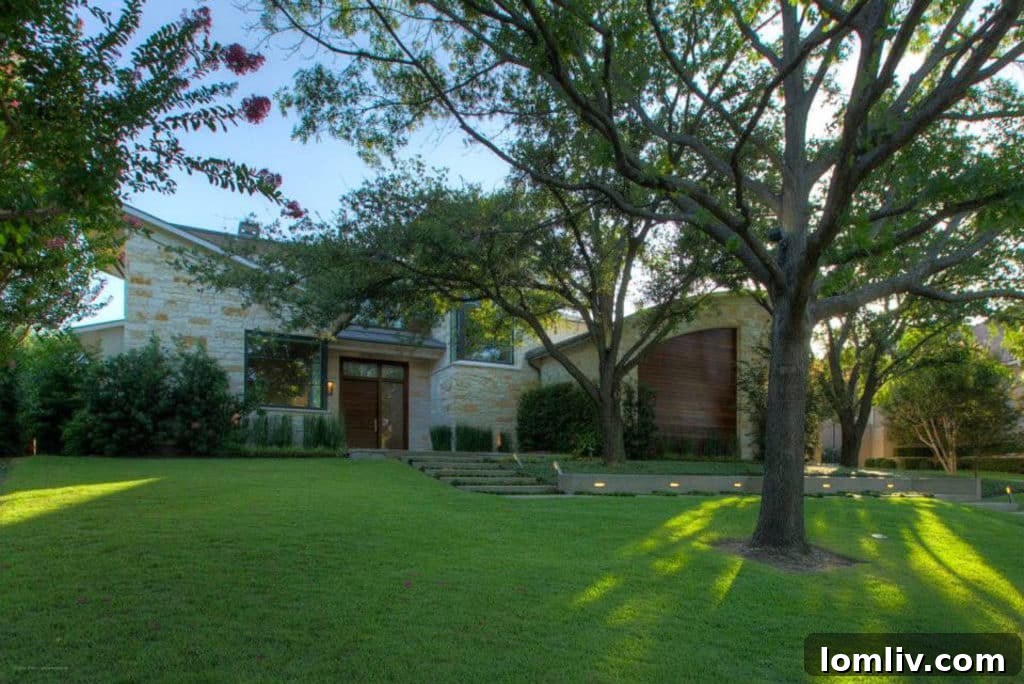
Quaid firmly believes that exceptional landscape design begins with a deep respect for a property’s architectural style. “The house dictates the design,” she often emphasizes, highlighting how crucial it is for the outdoor environment to complement and enhance the building’s aesthetic. A Midcentury Modern home, for instance, thrives with clean lines, minimalist plantings, and perhaps sculptural elements that echo its distinctive form. In contrast, a Texas Vernacular residence might call for robust, native plant selections and rustic materials that reflect its regional heritage and connection to the land. A charming Country French abode, on the other hand, would benefit from softer, more romantic planting schemes, perhaps with manicured hedges, fragrant herbs, and a classical color palette. Understanding these nuances is key to achieving a cohesive and visually stunning landscape that significantly boosts curb appeal and ultimately, market value.
While there isn’t a universal blueprint for every landscape, Tricia Quaid offers invaluable, budget-friendly guidelines specifically tailored to homeowners looking to maximize their property’s appeal before listing. These practical tips focus on high-impact, low-cost solutions that promise significant returns, ensuring your home makes the best possible impression on potential buyers without breaking the bank.
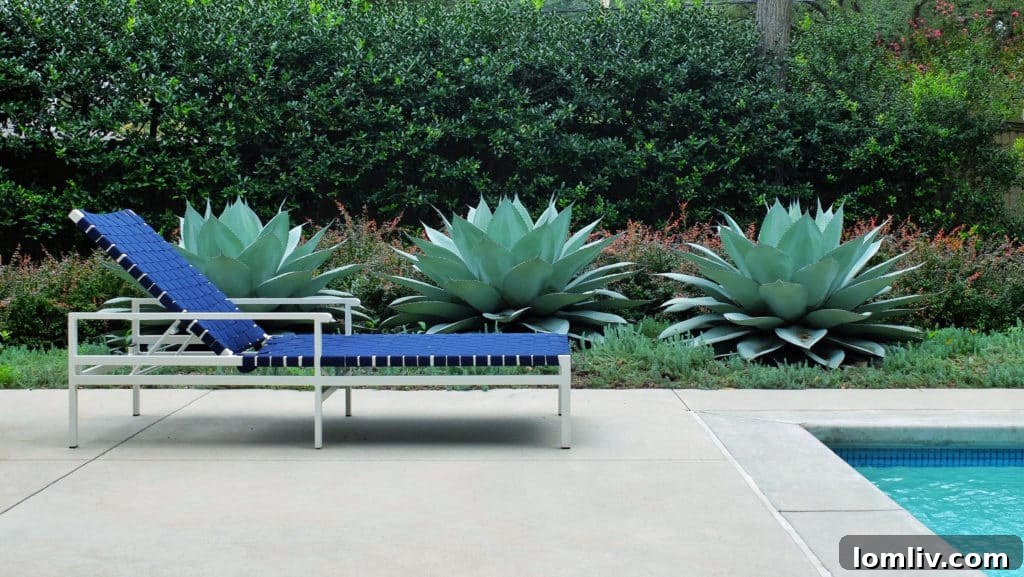
Embrace the Local Ecosystem: Go Native
Tricia Quaid’s first and most crucial piece of advice for homeowners, especially those in regions like North Texas, is to “Go Native.” Living in a prairie environment means the local ecosystem is inherently designed for specific plant species. Embracing native plants offers a multitude of benefits, from reducing water consumption and maintenance to supporting local wildlife and thriving in the region’s unique climate. Think resilient dry grasses, stately yucca, fragrant sage bushes, vibrant cross-vine, and charming honeysuckle – all of which require less fuss and less water once established. These plants are perfectly adapted to the Texas heat and soil conditions, providing a sustainable and beautiful landscape solution.
However, Quaid is quick to point out that even when going native, context matters. If your home boasts an architectural style such as an English Cottage or a classic Tudor, a landscape heavily dominated by prairie grasses might seem out of place. In such cases, the trick is to integrate native elements thoughtfully. For instance, you can incorporate ornamental grasses by “grounding the ends” – blending them with more structured, traditional plantings or using them in a contained manner that respects the home’s formal lines. This approach allows you to reap the benefits of native plants while maintaining aesthetic consistency with your home’s design. The key is balance and thoughtful placement, ensuring that your landscape feels both authentic to its environment and harmonious with your home.
Beyond their low-maintenance appeal, native plants significantly enhance biodiversity, attracting beneficial insects, birds, and pollinators, creating a lively and healthy ecosystem right in your backyard. This ecological benefit is increasingly appealing to environmentally conscious buyers, adding another layer of value to your property.
Perennials and Evergreens: The Foundation of Lasting Beauty
Quaid highlights perennials as an incredibly cost-effective strategy to introduce lasting texture and bursts of color into any landscape. These garden workhorses return year after year, minimizing replanting efforts and offering enduring beauty. For areas bathed in full sun, hardy hibiscus delivers stunning, large blooms and a tropical feel, while the cheerful black-eyed Susan brings a classic, vibrant appeal. In shadier spots, foxtail fern provides a delicate, feathery texture, and holly fern offers a lush, deep green backdrop, thriving where many other plants struggle. These selections ensure that every part of your yard, regardless of sun exposure, can host thriving, attractive plant life.
When it comes to creating structure and year-round greenery, evergreens are indispensable. For hedges that define borders or create privacy, Quaid particularly favors dwarf yaupon holly and boxwoods. Dwarf yaupon holly is a native Texas evergreen that is incredibly hardy, drought-tolerant, and adaptable, making it an excellent choice for a variety of designs. Boxwoods, with their dense foliage and classic appeal, provide a timeless elegance and can be pruned into formal shapes or left to grow more naturally. Both options offer robust structure and a consistent green presence throughout all seasons, which is vital for maintaining curb appeal even in winter.
A general rule of thumb Quaid advises for balanced landscape design is to aim for approximately one-third evergreen plants. This ensures a foundational layer of consistent greenery that provides structure and interest year-round. This evergreen base should then be seamlessly layered with a dynamic mix of grasses, perennials for seasonal color and texture, and strategic “pops of color” from annuals or other vibrant plants. This layering technique creates depth, visual interest, and a sense of maturity, making the landscape feel established and inviting without being overly complex or high-maintenance. It’s a design principle that guarantees an attractive and harmonious outdoor space, essential for enticing potential buyers.
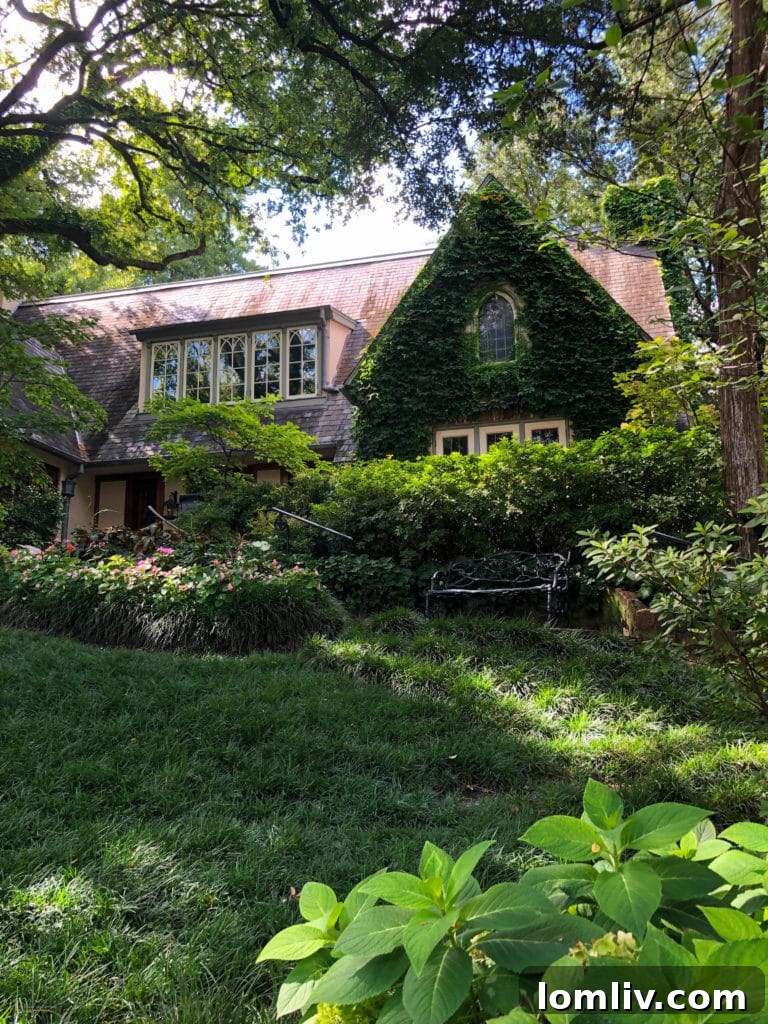
It’s no secret that gardening in Texas presents its unique set of challenges, and surprisingly, full sun conditions often prove easier to manage than persistent, deep shade. Homeowners frequently grapple with those notorious “great big bald patches” underneath mature, jumbo trees, areas where sunlight simply hasn’t touched the earth in years, leaving nothing but bare soil or struggling, sparse growth. These barren spots can detract significantly from a home’s curb appeal, making the landscape appear neglected or incomplete. Tricia Quaid, with her extensive experience, offers a brilliant and sustainable solution for these difficult areas.
While some clients resort to the costly and temporary fix of re-sodding every couple of years, Quaid emphasizes that this is a continuous battle against nature. The ideal and most practical solution for shady spots is robust groundcover. Groundcovers are specifically chosen for their ability to thrive in low-light conditions, spreading to create a lush, uniform carpet that effectively suppresses weeds and retains soil moisture. They offer a much more sustainable and aesthetically pleasing alternative to perpetually fighting for turfgrass in the shade.
Among her “wild card” alternatives, mondo grass stands out as an excellent choice for these challenging shady areas. Mondo grass is a low-growing, evergreen perennial that forms dense clumps of dark green, grass-like foliage, providing a manicured yet natural look. It’s incredibly hardy and tolerant of dry shade once established. Quaid advises a specific maintenance routine for mondo grass: only mow it once a year, and critically, do so on a *very* high setting. This minimal intervention keeps the groundcover tidy without stressing the plants, ensuring it continues to flourish and provide dense, verdant coverage under even the densest tree canopies. Other excellent shade-tolerant groundcovers include Asiatic jasmine, liriope, vinca, and various types of ferns, all of which can transform a barren area into a vibrant, low-maintenance feature.
Battling the Buzz: Effective Mosquito Control Strategies
As a professional licensed in both irrigation and pest control, Tricia Quaid often fields questions about one of Texas homeowners’ least favorite adversaries: mosquitos. The common, often disheartening, sentiment is that short of “scorching the Earth and starting fresh,” there’s little one can do. However, Quaid reassures us that while eradicating them entirely is challenging, effective management is absolutely possible through a combination of diligent prevention and targeted treatments.
The first and most critical step in mosquito control is source reduction: eliminating standing water. Mosquitos require water to breed, and even a tiny bottle cap full of water can serve as a nursery for hundreds of larvae. Therefore, homeowners must diligently check and empty anything that collects water: birdbaths, pet bowls, clogged gutters, old tires, tarps, and even plant saucers. Furthermore, ensuring that your drain pipes are functioning correctly and not pooling water is paramount. These seemingly innocuous pockets of standing water are, as Quaid puts it, “basically mosquito love shacks,” providing ideal breeding grounds.
Regarding treatment, Quaid, who champions organic landscaping, acknowledges the unfortunate truth that chemical treatments tend to be more immediately effective at knocking out mosquito populations. The downside, of course, is their indiscriminate nature; they often kill beneficial insects alongside pests and can be harsh on your carefully cultivated plants and the broader ecosystem. For those committed to a greener approach, organic treatments exist, but they sometimes require more frequent application and may not offer the same rapid knockdown. Even these organic options can impact landscaping if not applied correctly, so caution is advised.
For a super safe and environmentally friendly approach to mosquito deterrence, Quaid recommends incorporating certain plants into your landscape. Rosemary and citronella are well-known for their mosquito-repelling properties. Planting these strategically near patios, entryways, or outdoor seating areas can help create a natural barrier. Other effective repellent plants include lavender, marigolds, catnip, and lemon balm. While these plants offer a degree of protection, it’s important to manage expectations; they provide localized deterrence, not complete eradication. To truly enjoy your outdoor spaces in mosquito season, a multi-faceted approach combining source reduction, strategic planting, and possibly organic larvicides (like Bti products in standing water that cannot be drained) is your best defense. The humorous suggestion of “never going outdoors” merely underscores the pervasive nature of these pests, but with Quaid’s expert advice, you can reclaim your yard.