The Unprecedented Challenge: When Personal Conduct Collides with Professional Licensing
The events of January 6, 2021, at the U.S. Capitol sent shockwaves across the nation, leading to widespread arrests, public condemnations, and significant professional repercussions for many individuals involved. Among those facing intense scrutiny were several licensed professionals, including real estate brokers, whose participation in the rally-turned-insurrection drew immediate public outrage and calls for accountability from their respective regulatory bodies. This article delves into the complex case surrounding Jenna Ryan, a North Texas real estate broker, and the subsequent response from the Texas Real Estate Commission (TREC), highlighting the inherent limitations and specific mandates governing such professional licensing agencies.
The incident ignited a crucial debate about the extent to which a professional’s conduct outside their direct occupational duties falls under the purview of their licensing commission. While the public often expects swift and severe penalties for actions perceived as egregious, regulatory bodies like TREC operate within strictly defined legal frameworks. This situation brought to the forefront the tension between public moral expectations and the precise legal authority granted to commissions, underscoring the challenges of maintaining professional standards in an increasingly polarized and interconnected society.
Jenna Ryan and the January 6th Capitol Breach: A Case Study in Public Outcry
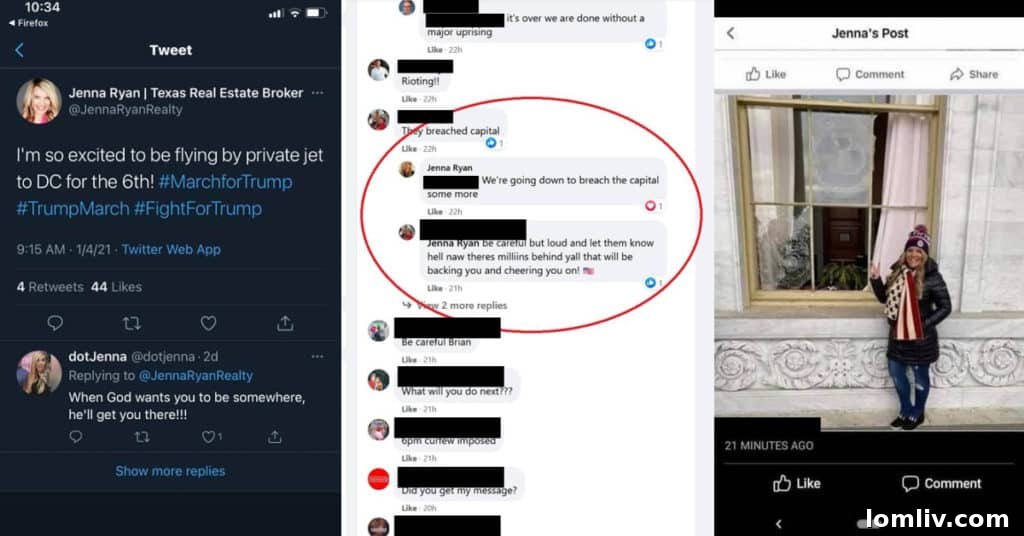
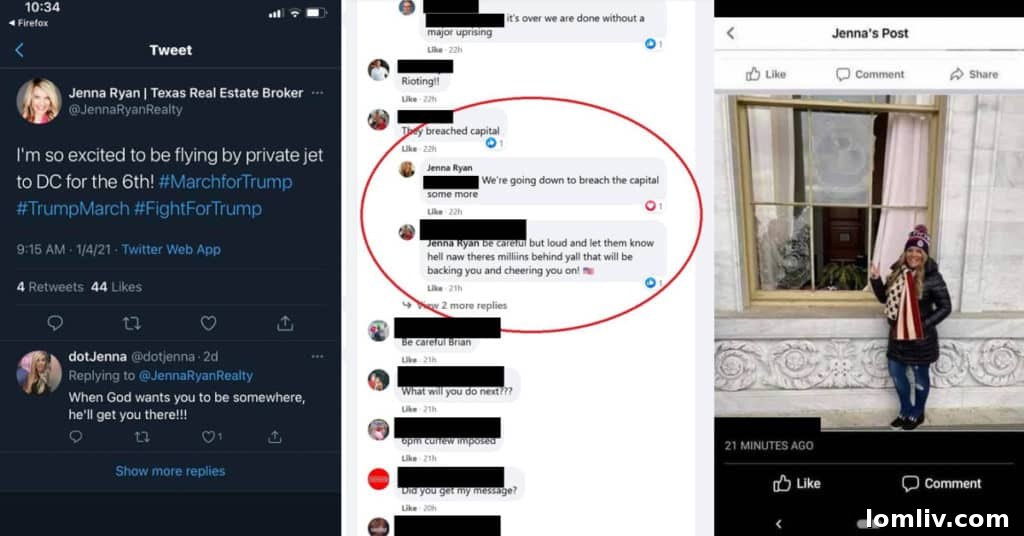
Jenna Ryan, a Frisco-based real estate broker, quickly became a prominent figure in the post-January 6th discussions after she openly documented her involvement in the Capitol events. Ryan was part of a group of five North Texas real estate professionals who chartered a private jet to Washington D.C. for the “March for Trump” rally. Her subsequent social media posts, including photos and videos of herself inside the Capitol building and an interview given to Daltxrealestate.com as she traveled back, swiftly went viral, igniting a firestorm of controversy.
Her public statements, including a declaration that she was “getting a life flight back to Dallas,” further fueled the outrage. This highly publicized participation led to numerous reports being filed against her and other licensees with the Texas Real Estate Commission, demanding that their professional licenses be revoked. The incident highlighted how easily personal actions, especially when amplified by social media, can have significant professional and public ramifications, even when those actions are not directly related to one’s professional duties.
The human cost of the insurrection was also profound. Five individuals died from injuries sustained during the violence, including Ashli Babbitt, an Air Force veteran fatally shot by Secret Service officers, and Capitol Police officer Brian Sicknick, who died from injuries inflicted by rioters. These tragic outcomes further intensified public calls for accountability from all who participated, including professionals like Jenna Ryan, regardless of their specific roles or direct involvement in the violence.
The Texas Real Estate Commission’s Delimited Authority: Understanding TREC’s Mandate
In response to the unprecedented volume of complaints and inquiries regarding licensees’ involvement in the January 6th events, the Texas Real Estate Commission issued a formal statement clarifying its position and the scope of its regulatory authority. The commission acknowledged receipt of numerous reports concerning real estate license holders participating in what many perceived as felonious and seditious acts. However, TREC’s statement underscored a fundamental limitation: its authority to sanction or revoke licenses is primarily bound by the provisions of the Real Estate License Act, the governing law that defines the commission’s jurisdiction.
TREC explicitly stated that while it possesses the power to suspend or revoke a license holder convicted of a felony or a criminal offense involving fraud, this authority is generally restricted to conduct undertaken by the license holder *while engaged in real estate brokerage*. This distinction is critical. It means that even in cases of severe criminal accusations or convictions unrelated to real estate transactions, TREC’s hands are often tied unless the conduct falls within its specific statutory mandate. The public’s expectation for immediate professional consequence often clashes with the precise legal framework within which such regulatory bodies must operate, creating a complex challenge for both the commission and the public it serves.
Navigating the Nuances of Professional Ethics and Personal Actions
The case of Jenna Ryan and TREC’s response opens up a broader discussion about the evolving nature of professional ethics and accountability in the digital age. In an era where personal opinions and activities are readily shared on social media, the line between private life and professional persona has become increasingly blurred. This presents a unique challenge for licensing bodies, which are typically designed to regulate professional conduct directly related to the practice of a given profession, not necessarily a licensee’s political activities or off-duty behavior, however controversial.
While society expects a high level of integrity and ethical conduct from all professionals, the legal instruments governing licensing commissions often have a narrower focus. For TREC, its primary mission is to protect consumers in real estate transactions, ensuring licensees conduct business fairly, competently, and legally within that specific domain. Actions taken outside of real estate brokerage, even if they lead to criminal charges or convictions, may fall outside TREC’s direct disciplinary authority unless explicitly linked to fraud or other specific provisions of the Real Estate License Act. This doesn’t diminish the ethical implications of a licensee’s personal actions but rather highlights the statutory limits on a commission’s power to intervene, fostering a critical dialogue on where the boundaries of professional oversight should realistically lie.
The Official Stance: TREC’s Full Statement on License Holder Conduct
To provide complete clarity on its position and the legal framework guiding its actions, the Texas Real Estate Commission released the following comprehensive statement:
The Texas Real Estate Commission (TREC) has received many comments and requests related to license holders’ involvement in the events that occurred at the US Capitol on January 6, 2021. The Commission is limited in the action it may take against real estate license holders by the Real Estate License Act, the governing law that describes the Commission’s jurisdiction. For instance, the Commission may suspend or revoke a license holder that is convicted of a felony or a criminal offense involving fraud.
While the Commission has the authority to suspend or revoke a license in other circumstances, generally, this authority is limited to conduct the license holder undertakes while engaged in real estate brokerage.
The Commission offers valuable resources to the public, includinglicense holder searchand disciplinary action search tools to verify information about a license holder they are working with. Additionally, the Commission has provided extensive FAQs related to qualifications, disclosing a crime to TREC, and other enforcement matters.
The Commission exists to protect consumers of real estate services in Texas. Through complaints, the Commission is able to enforce the Real Estate License Act. If you believe there has been a violation of the Real Estate License Act, please file a complaint with the Commission.
Empowering Consumers: TREC’s Resources for Due Diligence
While the Texas Real Estate Commission operates under specific legal constraints regarding off-duty conduct, its core mission remains the protection of consumers engaging in real estate services within Texas. In line with this objective, TREC provides a suite of valuable online resources designed to empower the public to conduct due diligence and verify information about any license holder they might be working with.
These resources include a user-friendly license holder search tool, allowing consumers to confirm the active status of a broker or agent, and a disciplinary action search, which details any formal actions taken against a licensee. Furthermore, TREC’s website offers an extensive FAQ section covering topics from licensing qualifications to the process of disclosing criminal offenses to TREC. These tools are indispensable for maintaining transparency and helping consumers make informed decisions when entrusting their real estate needs to a licensed professional.
The commission also clarifies that its enforcement capabilities are primarily triggered by complaints alleging violations of the Real Estate License Act. Therefore, if consumers believe a licensee has acted in a manner that transgresses these specific professional regulations, they are encouraged to file a complaint with the Commission. This mechanism ensures that TREC can fulfill its mandate by investigating and, if warranted, acting upon misconduct that falls squarely within its jurisdiction, reinforcing the framework of accountability for real estate professionals in Texas.
Beyond the Headlines: The Future of Professional Accountability
The controversy surrounding Jenna Ryan and the Texas Real Estate Commission’s response underscores a multifaceted challenge facing professional regulatory bodies nationwide. It highlights the inherent tension between public demand for broad accountability for professionals’ actions and the narrowly defined legal powers typically granted to licensing commissions. While the public’s desire to see ethical standards upheld across all aspects of a professional’s life is understandable, commissions like TREC must operate strictly within their statutory mandates, primarily focused on safeguarding the public within the scope of professional practice.
This case serves as a powerful reminder that while regulatory bodies play a crucial role in maintaining professional standards, they cannot always address every perceived moral or ethical transgression that occurs outside the direct practice of a profession. It prompts ongoing dialogue about whether the scope of such commissions should be broadened to encompass a wider range of conduct, especially in an age where public and private lives are increasingly intertwined through digital platforms. Ultimately, the integrity of any profession relies not only on formal regulation but also on the individual ethical compass of its practitioners, a responsibility that extends far beyond the confines of any licensing act.