Navigating the Aftermath: North Dallas Tornado Spurs Unprecedented Rental Demand in Preston Hollow
The devastating EF-3 tornado that tore through North Dallas, particularly impacting the highly desirable Preston Hollow area, has left a profound and lasting mark on the community. While the immediate focus was on rescue and recovery, the long-term implications for thousands of displaced homeowners are now becoming increasingly apparent. The catastrophic tornado outbreak, which the National Weather Service confirmed included a total of eleven tornadoes across North Texas, is set to be recorded as the costliest in Texas history. According to the Insurance Council of Texas, the financial toll is conservatively estimated at a staggering $2 billion in losses, affecting approximately 1,000 homes and businesses across the region. This monumental disaster has swiftly reshaped the local real estate landscape, particularly the rental market in areas like Preston Hollow, as residents scramble to find temporary housing solutions.
The Scale of Devastation and Remarkable Recovery Efforts
The sheer force of the storm left vast swathes of North Dallas without essential services. At its peak, at least 65,000 customers were plunged into darkness as power lines were ripped apart. The monumental task of restoring power fell to Oncor, who, bolstered by crucial assistance from out-of-town crews, worked tirelessly to repair the crippled electrical grid. Dallas City Councilwoman Jennifer Gates highlighted the remarkable progress, noting that within a relatively short period, only 900 households remained without power. This incredible feat underscores the resilience and coordinated effort of utility companies and emergency services, especially considering the extensive damage inflicted upon such a densely populated urban area.
Beyond the immediate power outages, the financial ramifications are staggering. Mark Hanna, a spokesperson for the Insurance Council of Texas, reported a formidable 30,000 total auto and homeowner claims filed in the wake of the event. The economic impact extends far beyond residential properties, encompassing a wide array of commercial claims. Warehouses, bustling shopping malls, local restaurants, and even an entire Home Depot store were either severely damaged or completely destroyed. Hanna specifically cited the Home Depot located at Forest and US 75, estimating that the losses for both its structure and inventory alone would amount to several million dollars. This extensive commercial damage not only represents a significant financial blow but also impacts local employment and the availability of essential services, further complicating the recovery process for residents.
For countless storm victims, the days and weeks following the tornado have been a whirlwind of activity: assessing the heartbreaking damage to their properties, meticulously filing insurance claims, and embarking on the challenging search for temporary rental homes. This vital step allows their own homes to undergo the lengthy process of repair, reconstruction, or, in some unfortunate cases, complete demolition. The ripple effect of this disaster is expected to profoundly alter daily life in North Texas for at least the next year, if not longer, as communities unite to rebuild and recover.
Spike in Rental Properties: Preston Hollow’s Housing Crunch
The immediate consequence of such widespread home displacement has been an unprecedented surge in demand for rental properties, especially in highly sought-after neighborhoods like Preston Hollow. Residents, many of whom have lived in the area for decades, are understandably keen to remain close to their established communities, schools, and workplaces while their homes are being restored.
A significant challenge homeowners are encountering, as noted by Avrea and other real estate agents, pertains to the expected duration of their temporary housing needs. Many displaced residents initially seek short-term leases, often six months, underestimating the extensive time required for comprehensive home repairs or rebuilding. While some properties, like The McKenzie, are offering limited six-month lease options to accommodate immediate needs, agents are gently guiding homeowners to understand the realistic timeline for restoration. The complexity of construction, from initial planning and securing permits to the actual tear-down and rebuilding phases, often extends well beyond initial expectations, particularly when factoring in potential delays from winter weather or supply chain issues.
“Pending the level of damage to their property, I think a lot of people are going to end up selling their home for lot value and buying another house,” Avrea predicts. This pragmatic assessment reflects the harsh reality for many homeowners facing extensive damage. The process of rebuilding is not merely about construction; it involves navigating intricate planning stages, obtaining necessary permits, and contending with potential delays caused by seasonal weather patterns or labor shortages. “There’s the initial plans, the tear-down, the winter months coming up that could significantly delay construction; we just find it often takes double the amount of time you anticipate to remodel or build,” Avrea adds, stressing the importance of realistic expectations for those considering rebuilding.
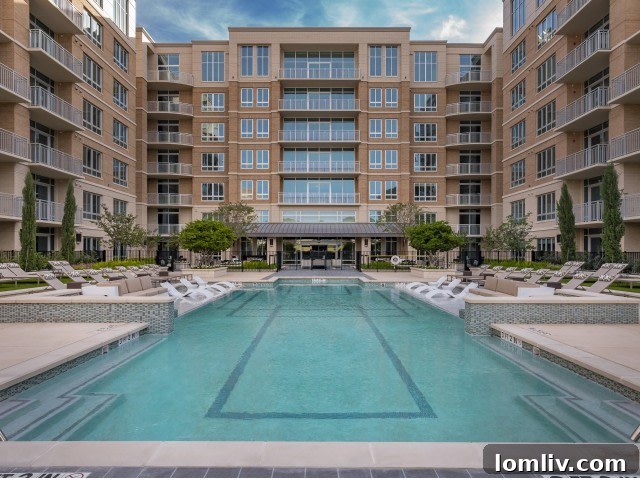
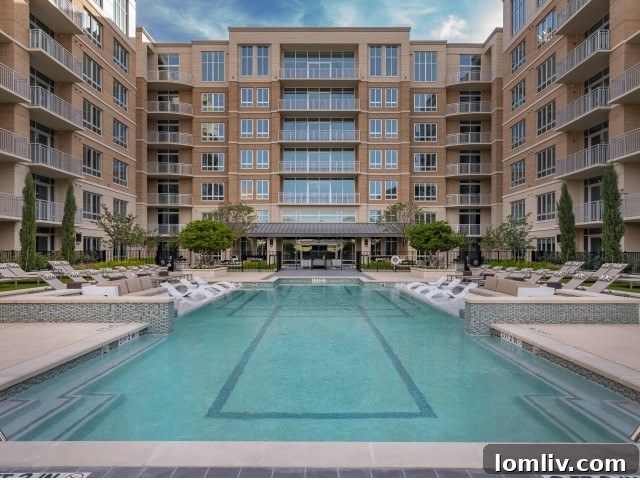
The surge in demand is evident across the community. Over at Preston Hollow Village (located at Walnut Hill & Central), a premier residential complex, storm victims have wasted no time in securing new accommodations.
“We have had 13 leases in the past 48 hours,” states Kristin Simpson, a representative for Preston Hollow Village, illustrating the sheer speed at which available units are being snatched up. She highlights features that make their property particularly appealing to displaced families: “Our average unit sizes in The Preston are 1,700 square feet, and we are a pet-friendly community. In fact, we are currently building a huge dog park for our residents!” For families who have lost so much, including the stability of their living situation, finding a spacious and welcoming environment that can also accommodate beloved pets is a significant factor in their decision-making process.

Long-Term Outlook for Preston Hollow Real Estate
The immediate crisis of housing for displaced residents is just one facet of the tornado’s long-term impact on Preston Hollow and the broader North Dallas real estate market. The discussion about selling for “lot value” versus embarking on a comprehensive rebuild points to a potential shift in the neighborhood’s future. For some homeowners, especially those with older homes that sustained catastrophic damage, the financial and emotional burden of rebuilding may outweigh the benefits. Opting to sell their land to developers could lead to an influx of new, modern construction, potentially raising the overall property values and architectural aesthetic of the area over time. This trend could accelerate the ongoing revitalization of Preston Hollow, attracting new buyers seeking contemporary homes in a desirable location.
However, the rebuilding process itself presents numerous complexities. Beyond the initial tears of destruction, homeowners must navigate a labyrinth of insurance adjusters, contractors, city permits, and architectural plans. The demand for skilled labor and construction materials is expected to spike, potentially driving up costs and extending project timelines even further. Furthermore, the emotional toll on families who have lost their homes cannot be overstated. The decision to rebuild or relocate is often fraught with sentimentality, financial considerations, and the desire to maintain continuity for children and their schooling. These factors collectively contribute to a recovery process that is not just about physical reconstruction but also about community healing and resilience.
Community Resilience and Moving Forward
Despite the immense challenges, the spirit of North Dallas and Preston Hollow residents remains strong. The coordinated efforts of city officials, utility companies, insurance agencies, and real estate professionals exemplify the community’s commitment to recovery. As families navigate their personal journeys of rebuilding and adjustment, resources are becoming increasingly vital.
For those still searching for temporary or long-term housing solutions, staying informed is key. Websites like Daltxrealestate.com are committed to assisting the community by providing up-to-date information on available Preston Hollow-area rentals as they become available. This ongoing support ensures that displaced residents have access to the most current listings, helping them find stability amidst the upheaval. The path to full recovery will be long and arduous, but the collective determination of North Texas will undoubtedly see Preston Hollow emerge stronger and more vibrant than ever before.