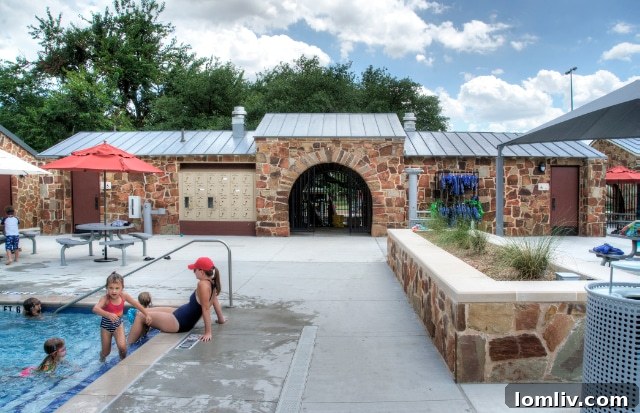
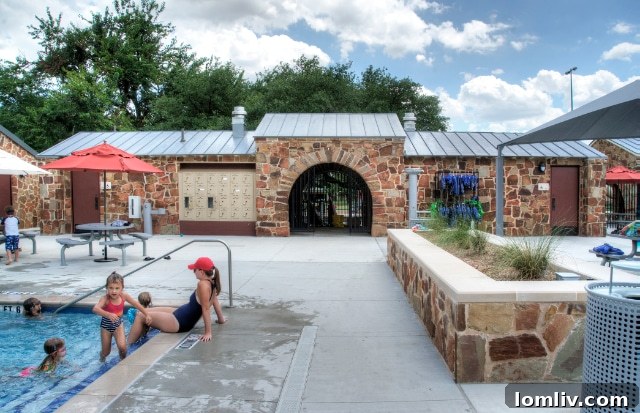
The annual Preservation Dallas Awards are always a source of immense pride and recognition for the tireless efforts dedicated to safeguarding our city’s architectural treasures. This year, one particular recipient struck a deeply personal chord: the Tietze Park swimming pool. For many years, I called an apartment mere feet from this cherished landmark home. While life’s relentless pace meant I never had the chance to dip a toe into its inviting waters, the sheer joy of living across the street, basking in the park’s vibrant energy, created countless cherished memories. It was more than just a pool; it was the heart of a community, a constant backdrop to daily life in Old East Dallas, and its recent revitalization is a testament to the enduring power of historic preservation.
Tietze Park: A Cornerstone of the Old East Dallas Community
Nestled within the vibrant fabric of Old East Dallas, Tietze Park holds a distinctive charm. It strikes a perfect balance, neither overwhelmingly large nor inconsequentially small, offering an intimate yet expansive green space. From the moment you step foot into its welcoming embrace, you are greeted by the symphony of community life: the satisfying crack of a baseball bat, the carefree laughter of children climbing trees, the whir of bicycle wheels, and, of course, the joyful splashing from what was once simply known as the Tietze swimming pool. For a young woman, fresh out of college and navigating a new city far from friends and family, Tietze Park became an unexpected sanctuary. It provided a sense of belonging and community, transforming a new place into a cherished first home. Its enduring appeal lies in its ability to foster connections and create a comforting, familiar atmosphere for residents across generations.
The recent, thoughtful renovations have not only breathed new life into the aquatic facility but also bestowed upon it a new, more encompassing identity. No longer just the “Tietze swimming pool,” it has been proudly christened the Tietze Neighborhood Family Aquatic Center. This new name accurately reflects its enhanced capabilities and its central role as a modern, family-friendly destination, meticulously designed to serve the diverse recreational needs of the surrounding neighborhood and beyond, while still honoring its profound historical roots.
Tracing the Rich Legacy: The Historic Provenance of Tietze Park
The story of Tietze Park is a fascinating journey through Dallas’s urban development, beginning nearly a century ago. Its origins date back to 1924, when it was initially established as Keith Park. Spanning a modest five acres, this nascent green space was strategically located at the intersection of Llano and Clements, an area that would grow into the vibrant community we know today. A significant milestone occurred in 1934 when the park was ceremoniously renamed in honor of Robert Tietze, a revered Dallas Parks Superintendent whose vision and dedication played a pivotal role in shaping the city’s recreational landscapes. This renaming not only honored a key figure but also solidified the park’s identity within the burgeoning city.
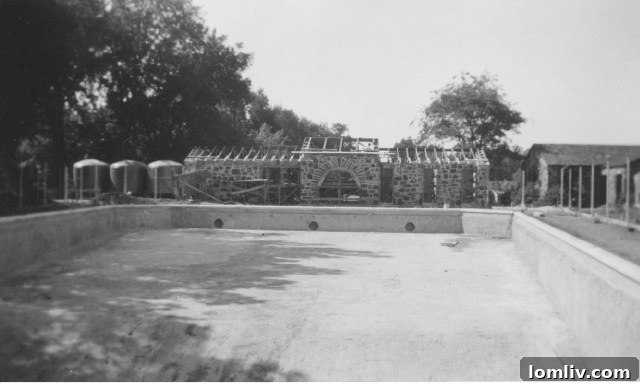
The Tietze Bathhouse under construction in August of 1946, a significant period of expansion for the park.
The park underwent a crucial expansion in 1945, cementing its current footprint and ensuring its capacity to meet the growing needs of the surrounding Old East Dallas community. This expansion extended its boundaries from Llano Avenue to the south, northwards to Vanderbilt Avenue, and stretched from Clements Street in the east to Skillman Street in the west. This strategic growth allowed Tietze Park to evolve alongside the neighborhood, continuously serving as a vital green lung and recreational hub.
Early Improvements and Visionary Design
The park’s initial amenities included a wading pool, a beloved feature that, unfortunately, no longer exists today. However, a more enduring improvement followed in 1934 with the construction of a distinctive stone pavilion, masterfully designed by the architectural firm Kleuser & Woodruff. This elegant structure quickly became a focal point for park-goers, offering shelter and a gathering place. As the neighborhood continued its robust growth, a comprehensive master plan for the 1945 expansion of Tietze Park was meticulously crafted by the nationally recognized landscape architecture firm Hare & Hare. This forward-thinking plan incorporated the existing wading pool and the iconic stone pavilion, while also envisioning the addition of a brand-new swimming pool, a dedicated pool house, and a modern baseball field, laying the groundwork for the multifaceted park we appreciate today.
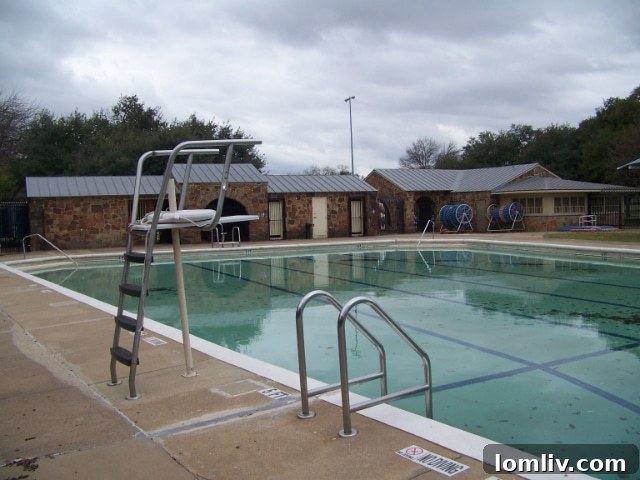
A crucial ‘before’ view of the bathhouse, pavilion, and concessions building captured on February 4, 2016, prior to the commencement of rehabilitation efforts.
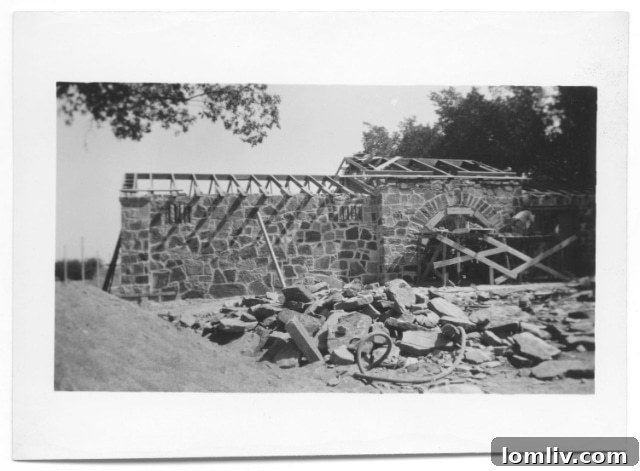
The subsequent construction of the swimming pool and its accompanying pool house commenced in 1946. These structures were also designed by M.C. Kleuser, notably utilizing the same indigenous stone and echoing the architectural language of the earlier pavilion. This continuity in design ensured a cohesive and aesthetically pleasing environment, with the pool house serving essential functions by housing restrooms and administrative offices. The commitment to quality and thoughtful design from these early stages laid the foundation for Tietze Park’s enduring appeal.
Historical documentation further illuminates the park’s evolution, as detailed in its nomination form:
In 1950, a significant addition was made to the pavilion to accommodate concessions, allowing for the convenient sale of food and drinks to patrons of the swimming pool and park. Numerous other improvements were strategically implemented throughout the years, continually enhancing the park’s functionality and appeal. Neatly nestled within a predominantly residential area, Tietze Park, with its iconic stone buildings and beloved neighborhood pool, has served as a cherished community fixture for nearly a century. The park’s sustained success is also deeply indebted to the invaluable support of the Friends of Tietze Park. This dedicated group has consistently collaborated with the City of Dallas and the Parks Department, providing crucial assistance in maintaining and improving the park over the decades, and has been a passionate advocate for the preservation and continuous use of the park and its historic structures, ensuring its legacy for future generations.
A Visionary Restoration: Breathing New Life into History
The story of Tietze Park’s recent triumph is intrinsically linked with the expertise of McCoy Collaborative Preservation Architecture (MCPA), and its predecessor, Quimby McCoy Preservation Architecture. Their profound understanding of historic structures and their commitment to community heritage positioned them as the ideal partners for this ambitious project. From 2004 to 2007, MCPA provided invaluable Master Planning services for the City of Dallas Park and Recreation Department, charting a strategic course for the park’s future development. Their comprehensive architectural services spanned the critical restoration of the historic structures, the meticulous planning of new walkways, the design of modern playground facilities, the implementation of enhanced lighting, and the careful selection of site furniture, demonstrating a holistic approach to park revitalization over an extended period.
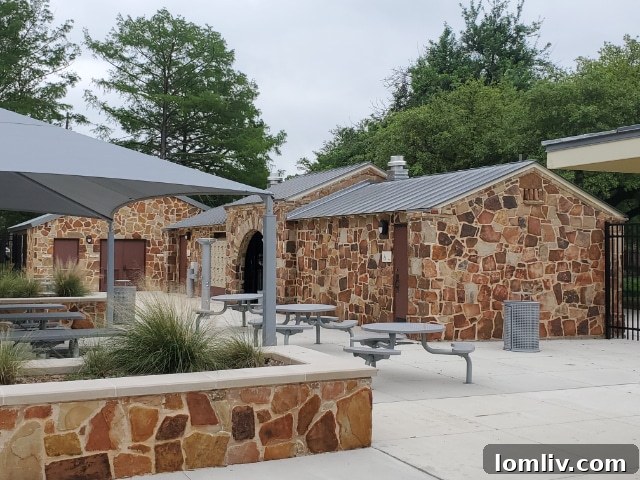
Given their long-standing relationship with Tietze Park and proven track record, it was a natural progression for MCPA to be contracted in 2016 for the most critical phase: the restoration of the historic bathhouse, pavilion, and concessions building. This extensive undertaking also included the construction of a brand-new, state-of-the-art filtration building, essential for a modern aquatic facility. This project was a cornerstone of the broader City of Dallas Aquatics Master Plan, a visionary initiative aimed at transforming smaller neighborhood pools into vibrant, comprehensive aquatic centers. The culmination of these efforts, completed in 2019, birthed the magnificent Tietze Neighborhood Family Aquatic Center that stands proudly today, seamlessly blending historical reverence with contemporary functionality.
Navigating Challenges and Achieving Success
Projects of this magnitude, particularly those involving historic preservation, are rarely straightforward. They often present a labyrinth of challenges, from structural complexities and material sourcing to balancing historical accuracy with modern code requirements. However, throughout the entire process, the inherent historic significance of these buildings and their profound importance to the Old East Dallas community remained an unwavering guiding principle. There was never a doubt about the project’s worthiness; it was simply a matter of assembling the right team of dedicated individuals and making judicious, thoughtful compromises to achieve an overwhelmingly successful outcome. The collective determination to honor Tietze Park’s past while securing its future propelled the project forward.
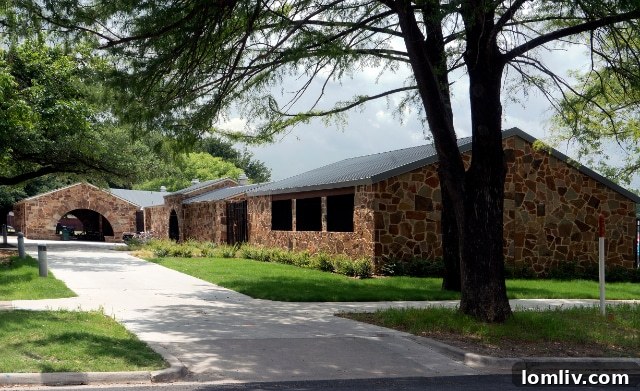
The meticulously restored bathhouse now offers contemporary, fully accessible facilities, including men’s, women’s, and family restrooms, complete with modern shower amenities. The expanded addition thoughtfully houses essential services such as concessions, efficient ticketing facilities, a dedicated first aid station, and well-appointed staff offices. Furthermore, the newly constructed filtration building was designed with an acute sensitivity to the existing architectural context, ensuring its aesthetic complements the original historic stone buildings, rather than clashing with them. McCoy Collaborative served as the principal architect for this monumental project, also providing invaluable consultation to Kimley Horn Landscape Architects, Engineers, and Planners, ensuring a cohesive and integrated design from every perspective.
More Than Just a Pool: A Legacy Reimagined
Often, we might not instinctively categorize a swimming pool facility within a public park as a prime candidate for historic preservation. Yet, one glance at the stunning architecture of Tietze Park’s bathhouse and pavilion immediately dispels any doubt. Their distinctive design, robust stone construction, and the palpable sense of history they exude make it abundantly clear that these structures are unequivocally worth preserving. For many years, I had the unique privilege of gazing upon this architectural beauty every single day, a constant reminder of the park’s enduring charm and significance. It’s a testament to Dallas’s commitment to its heritage, ensuring that functional spaces can also be cherished landmarks. This summer, I’ve made a heartfelt promise to myself: I will finally, at long last, dip a toe into the revitalized waters of the Tietze Neighborhood Family Aquatic Center, experiencing firsthand the successful fusion of history and modernity.
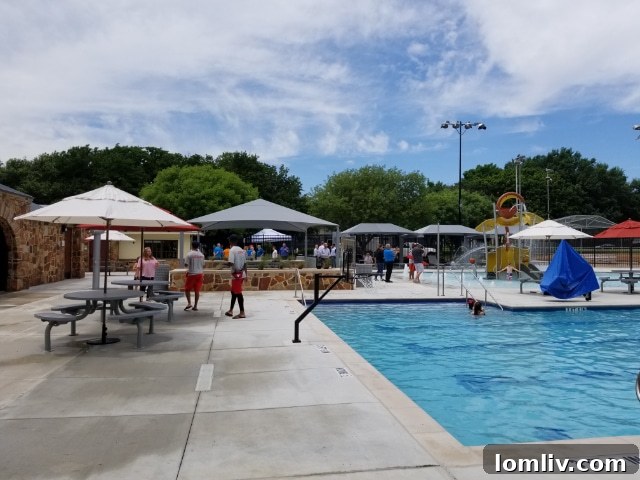
Experience the Preservation Dallas Awards:
Join the celebration of Dallas’s rich architectural heritage. The prestigious Preservation Dallas Awards will be presented virtually this year on June 30th at 6 p.m. Don’t miss this opportunity to recognize outstanding achievements in preserving our city’s historic fabric. You can register for the online event here to secure your spot.