In the dynamic world of real estate, a home inspection stands as a critical safeguard for both buyers and sellers. At Green Scene Home Inspections, our dedicated team serves as the vigilant eyes and seasoned experts, meticulously examining properties to uncover potential issues before they become costly headaches. We consider ourselves “generalists” – individuals equipped with a broad and deep understanding of a home’s intricate systems, from the foundation to the rooftop. This comprehensive knowledge allows us to identify a vast array of defects, offering peace of mind and guiding homeowners toward the right specialists when complex problems arise.
While our inspectors possess extensive experience and expertise, even the most seasoned professionals encounter sights that leave them momentarily perplexed. There are moments when an image surfaces in our company chat, accompanied by a bewildered query: “Does anyone know what in the world that is?” These unexpected discoveries highlight the unique challenges and occasional eccentricities found within residential properties, reminding us that every home tells a story – sometimes a very peculiar one. Join us as we explore some of the most bizarre and head-scratching moments our inspectors have encountered in the field, affectionately dubbed our “WTF is that?” moments!
When a Door Reveals Its Secrets: The Case of the Protruding Insulation
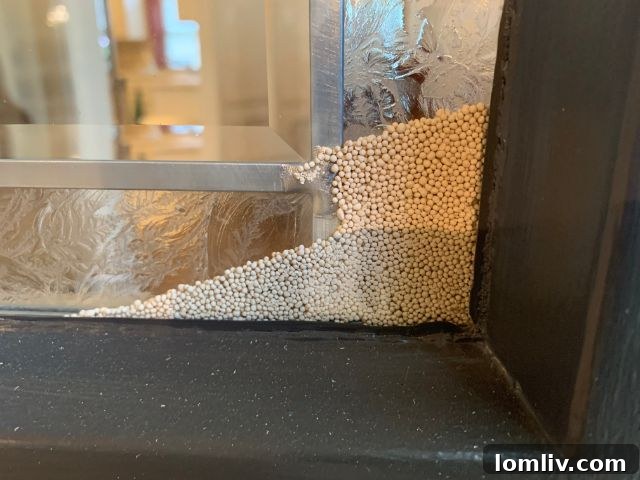
During a routine inspection, one of our diligent inspectors stumbled upon a peculiar sight: small, spherical protuberances embedded within the window pane of a front door. The initial thought, perhaps understandably, veered towards something biological – maybe the eggs of an unknown pest. Such assumptions are common when faced with the unexplainable in a home environment. However, upon closer inspection and a bit of deductive reasoning, the true nature of these “balls” was revealed: they were fragments of fiberglass insulation that had managed to escape from the interior of the door panel.
This seemingly innocuous discovery, while not immediately dangerous, points to several underlying issues. Firstly, it indicates a breach in the door’s internal structure or a deterioration of its seals, allowing insulation to migrate. Such a breach can compromise the door’s energy efficiency, leading to drafts and higher utility bills as conditioned air escapes and unconditioned air infiltrates. Secondly, it suggests a potential pathway for moisture intrusion, which can lead to wood rot, mold growth, and further degradation of the door’s integrity over time. Homeowners should regularly inspect their doors and windows for any signs of material leakage, gaps, or deteriorating seals, as addressing these minor issues early can prevent more significant and costly repairs down the line. Proper door insulation is crucial for maintaining a comfortable and energy-efficient home.
ET Phone Home? The Perils of DIY Electrical Projects
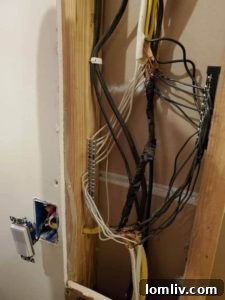
When it comes to home maintenance, some projects are best left to the professionals. This mantra holds particularly true for electrical work. Our boss once shared an image with the team, prompting the question, “Does anyone know what this person was trying to do?” The responses ranged from humorous suggestions like “phone home” to “travel back in time,” underscoring the sheer absurdity of the setup. The actual explanation, however, was far more alarming: a homeowner had attempted to construct their own electrical panel box after a remodel.
Let’s be clear: DIY electrical work is incredibly dangerous. It poses severe risks, including electrical fires, electrocution, and permanent damage to your home’s wiring system. A proper electrical panel, also known as a breaker box, is the heart of your home’s electrical system, safely distributing power and protecting circuits from overload. It is designed, manufactured, and installed according to stringent safety codes and regulations by licensed professionals. Attempting to modify or create one without proper training and certification can lead to catastrophic consequences, voiding insurance policies and endangering lives. Always remember: electrical systems are not a place for experimentation or cutting corners. For the safety of everyone in the home, never, ever DIY electrical work. Hire a qualified, licensed electrician for any electrical installation, repair, or upgrade.
What a Drain: Unraveling a Plumbing Catastrophe
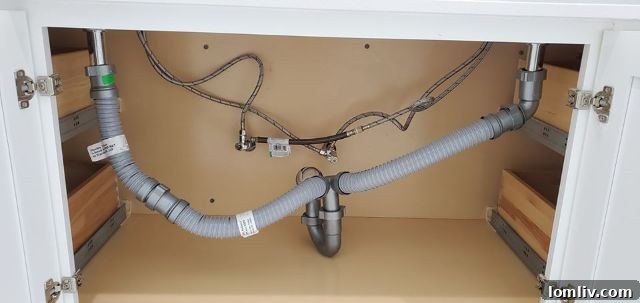
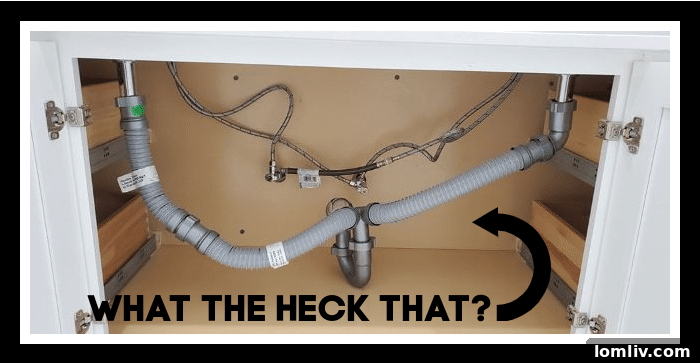
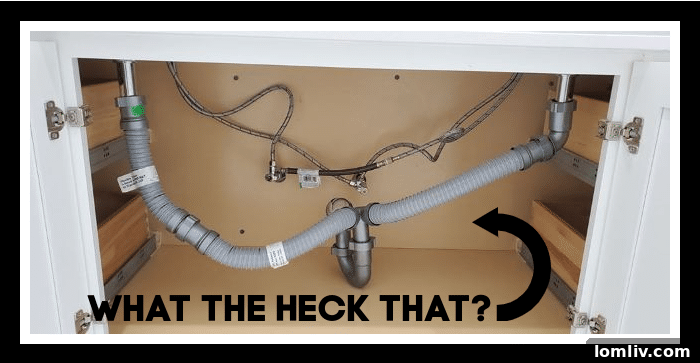
Most homeowners would instinctively recognize that something is fundamentally amiss with the plumbing depicted here. This elaborate DIY plumbing failure didn’t exactly stump our inspector, but it certainly warranted a double-check to confirm the full extent of its deficiencies. This single image encapsulates a multitude of critical plumbing errors, each carrying potential risks for homeowners. Let’s break down the major issues:
- Two Pipes Draining into the Same P-trap: A P-trap is designed to hold a small amount of water to create a seal, preventing noxious sewer gases from entering your home. When two drains share a single P-trap, the rush of water from one can create a siphoning effect, pulling the water out of the trap and breaking the seal. This allows foul odors and potentially harmful sewer gases (like methane and hydrogen sulfide) to enter the living space, posing health risks and an unpleasant environment. Each fixture should ideally have its own dedicated P-trap for proper functionality and safety.
- Flexible Material Used for a Drain Line: While flexible connectors have their place in plumbing, they are generally unsuitable for main drain lines. The corrugated interior of flexible pipes creates numerous nooks and crannies where sediment, grease, hair, and other debris can easily accumulate. Over time, this buildup leads to frequent clogs, restricted flow, and an ideal breeding ground for mold and bacteria. Rigid PVC or ABS pipes are the standard for drain lines due to their smooth interiors, which promote efficient waste removal and significantly reduce the likelihood of blockages.
- Shared Water Line for Two Sinks: While not as immediately catastrophic as a drain issue, a shared water supply line for two separate sinks can lead to inadequate water pressure and inconsistent temperatures, especially when both fixtures are in use simultaneously. Proper plumbing design dictates that each fixture should have its own dedicated hot and cold supply lines to ensure optimal performance and user comfort. This setup often indicates a shortcut taken during installation, potentially leading to further pressure imbalances elsewhere in the system.
- Drain Lines Must Maintain Proper Slope (Negative Flow): The original text mentioned “negative flow,” which is likely a misinterpretation of the critical plumbing principle that drain lines must maintain a consistent downward slope (or grade) for gravity to effectively carry waste and wastewater away. A slope of at least 1/4 inch per foot is typically required to prevent standing water, ensure proper drainage, and prevent solid waste from settling and causing clogs. Without the correct slope, water flow slows down, solid waste accumulates, and eventually, the drain becomes completely blocked, leading to backups and potential water damage.
The cumulative effect of these errors can range from minor annoyances like slow drains and unpleasant odors to significant issues like severe clogs, water damage, and even health hazards from sewer gas exposure. Proper plumbing is an intricate system, heavily regulated by building codes to ensure safety, sanitation, and efficiency. This example serves as a potent reminder of why professional plumbing installations are non-negotiable for a healthy and functional home.
An Inspector’s Unicorn: The Myth of the “Perfect” Panel Box
Every now and then, an inspector encounters something truly remarkable, a find so pristine it almost defies belief. In the realm of electrical systems, discovering a “perfect” panel box is often referred to as an inspector’s unicorn – a mythical creature, rarely, if ever, seen. This particular discovery was lauded as such, but with a significant dose of irony. No, seriously, there must be something wrong with it; there’s no such thing as a truly perfect panel box.
The humor in calling it “perfect” stems from the reality that even the most meticulously installed electrical panels can have subtle issues, or might simply not meet the most current building codes, which are continually updated for enhanced safety. A home inspector’s role is to look beyond the surface, to scrutinize every detail, even in seemingly flawless installations. What might appear perfect to an untrained eye could still harbor incorrect wiring, improperly sized breakers, inadequate grounding, or simply be at the end of its serviceable life. Furthermore, a panel might be perfectly installed for its time, but outdated in terms of modern safety standards, particularly concerning arc-fault and ground-fault circuit interrupters (AFCI/GFCI). This “unicorn” serves as a reminder that a comprehensive professional inspection is invaluable. Even when a system looks impeccable, a trained eye can often identify potential vulnerabilities or areas for improvement, ensuring the continued safety and reliability of your home’s most critical systems.
The Unseen Value of a Professional Home Inspection
These peculiar anecdotes from the field underscore a fundamental truth: homes are complex, dynamic entities, and what lies beneath the surface or behind a seemingly innocent facade can be both surprising and problematic. From escaping insulation to dangerous DIY electrical setups and plumbing nightmares, the issues we uncover are varied and often unexpected. While these stories highlight some of the more egregious errors, they collectively emphasize the indispensable role of professional home inspectors.
Our “generalist” approach, combined with years of hands-on experience and a keen eye for detail, allows us to catch what others miss. We provide an unbiased, comprehensive evaluation of a property’s condition, empowering buyers with critical information for informed decisions and offering existing homeowners insights into necessary maintenance and safety upgrades. Don’t leave your biggest investment to chance or amateur attempts. Prioritize the safety and longevity of your home by relying on the expertise of certified professionals. Schedule a thorough home inspection today and let the experts illuminate the true condition of your property, uncovering any hidden quirks or potential hazards that could compromise your peace of mind.