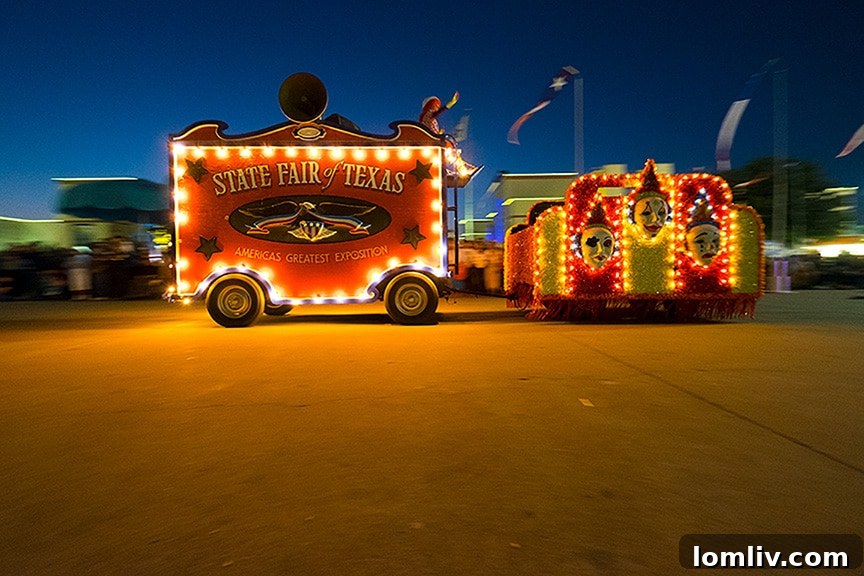
The aroma of corny dogs, the sweet scent of funnel cakes, and the thrilling sounds of the midway. These are the quintessential experiences of the State Fair of Texas, a beloved annual tradition that draws millions to Dallas. But what do these vibrant, fleeting moments have to do with the enduring importance of historic preservation? In the heart of Fair Park, where this grand spectacle unfolds, the answer is, quite simply, everything. Far from being just a temporary carnival ground, Fair Park is a monumental testament to Dallas’s rich history, architectural ambition, and the profound economic and cultural benefits that arise from dedicated historic preservation efforts.
As the largest and longest-running state fair in the United States, the State Fair of Texas is not merely an event; it’s a living, breathing piece of American history. Its annual return serves as a perfect opportunity to highlight the crucial role that historic preservation plays in shaping our cities, preserving our heritage, and driving economic prosperity. It’s a chance to pause amidst the excitement and appreciate the deep, symbiotic relationship between this beloved tradition and the historic grounds it calls home. By understanding this connection, we can foster a greater appreciation for our built history and inspire broader efforts to ensure these irreplaceable landmarks remain vibrant parts of our communities for generations to come.
The State Fair of Texas: A Century-Old Dallas Legacy
For many, the concept of historic preservation can seem abstract, detached from daily life. Yet, the State Fair of Texas offers a tangible, vibrant example of its profound relevance. Each fall, for three exhilarating weeks, over 277 acres of Dallas’s iconic Fair Park are transformed into a dynamic wonderland of entertainment, culinary delights, and community celebration. This tradition has been captivating visitors since its inception in 1886, drawing over 2 million visitors annually and generating a substantial economic impact for the city and state.
This is where the harmonious interplay between historic preservation and the State Fair truly shines. At its core, Dallas has always been a city of enterprise, and the Fair is a prime example of successful business and community engagement. While the allure of Big Tex, the latest deep-fried concoction, and thrilling rides are undeniable draws, a significant, often unacknowledged, factor in the Fair’s enduring success is its unique ambiance. The historic structures of Fair Park provide an unparalleled backdrop, creating an atmosphere that is both nostalgic and majestic, fundamentally contributing to why visitors return year after year.
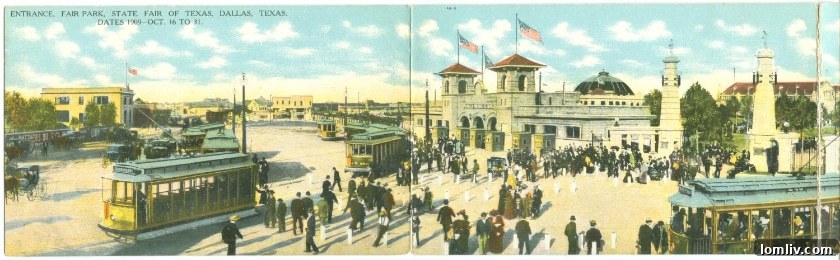
The origins of the State Fair trace back to 1886, when it was chartered as a private corporation by a group of eight visionary Dallas businessmen. Names like W.H. Gaston, John S. Armstrong, and Thomas L. Marsalis – figures whose legacies are still woven into the fabric of Dallas today – sought to establish a premier agricultural and industrial exposition that would also generate considerable revenue. The Fair quickly achieved success, but by 1904, it faced financial difficulties. In a pivotal moment, these enterprising gentlemen sold the 277-acre site to the city of Dallas, with the crucial stipulation that the annual fair would continue for 24 days each autumn. This foresight ensured the continuity of a beloved tradition and laid the groundwork for future development, cementing Fair Park as a permanent fixture in Dallas’s cultural landscape.
The Texas Centennial Exposition: Fair Park’s Architectural Rebirth
Perhaps the single most transformative period in Fair Park’s history, and the reason it is revered by architects and preservationists globally, was the 1936 Texas Centennial Exposition. The celebration of Texas’s independence offered an unparalleled opportunity, and shrewd Dallas leaders recognized its potential to attract national attention and deliver a significant economic boost. A powerhouse committee, including prominent figures like R.L. Thornton, Karl Hoblitzelle, Nathan Adams, and Fred Barns, ambitiously campaigned for Dallas to host the Centennial, knowing it would be a defining moment for the city.
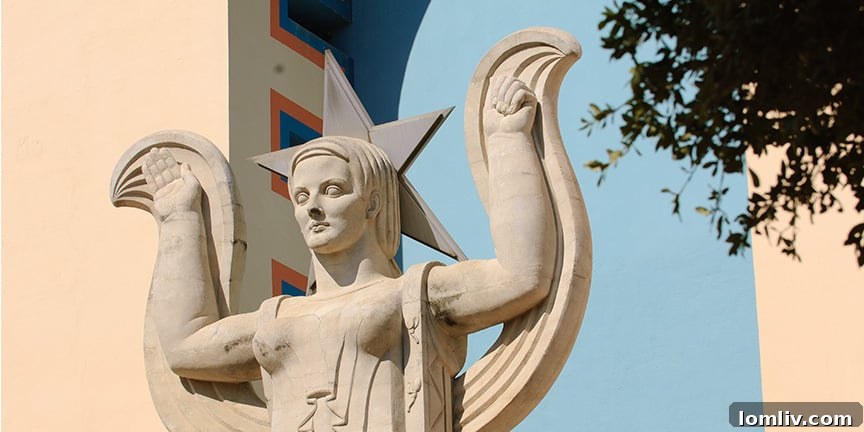
Their offer to the State Centennial Committee was nothing short of spectacular. They pledged an astounding $9 million in cash and property, strategically positioning Fair Park as the ideal site. Crucially, their proposal included master plans for an entirely new complex of museums and cultural facilities, expertly drafted by the renowned architect George Dahl. This visionary commitment to architectural excellence and cultural enrichment was a key differentiator. For those captivated by this fascinating chapter of Dallas’s development, architect David Dillon’s seminal work, “Dallas Architecture,” featuring photography by Doug Tomlinson, offers invaluable insights and is an essential addition to any enthusiast’s library.
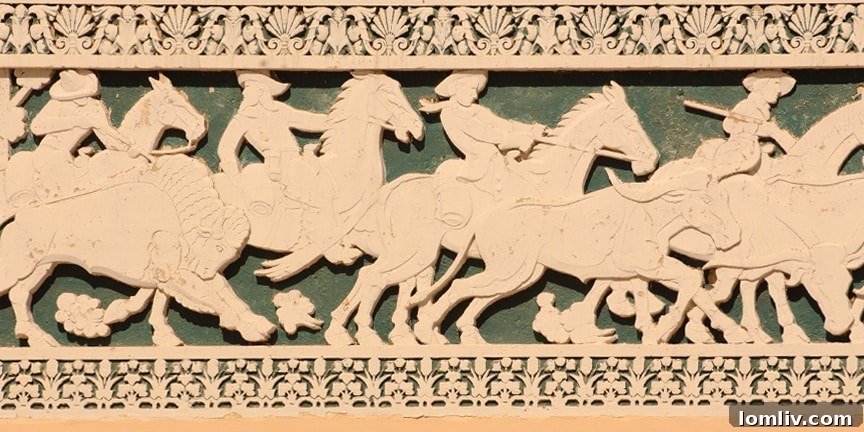
Unsurprisingly, Dallas won the highly coveted Centennial Committee vote. With just nine months to execute a monumental $25 million-dollar project (an immense sum in the 1930s), the city embarked on an extraordinary endeavor. Fifty new city, state, and fair buildings were designed and constructed at an astonishing pace. Paul Cret of Philadelphia, a celebrated architectural theorist and designer, was brought in as the design consultant, ensuring a high level of aesthetic and functional coherence. George Dahl, the orchestrator of this grand vision, was responsible for the overall architectural cohesiveness and meticulously assembled a team of Dallas’s finest architects to tackle this gargantuan task. The result was nothing short of a masterpiece: one of America’s finest collaborations of architects and artisans, creating one of the country’s largest and most significant collections of Art Deco buildings, art, and sculpture. Fair Park emerged from the Centennial as an architectural jewel, a triumph of design and urban planning.
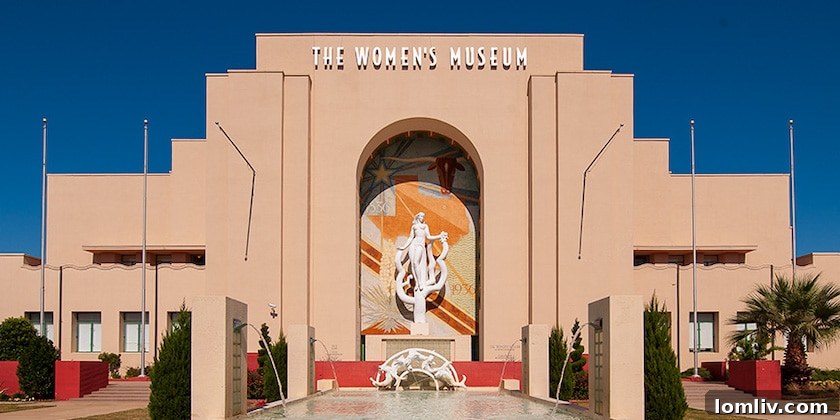
Beyond its massive success in terms of attendance and economic impact, the Texas Centennial profoundly transformed Fair Park. It cemented its status as an architectural marvel, establishing a powerful and undeniable symbiotic relationship between historic preservation and economic development. This critical connection — that successful preservation often hinges on recognizing and leveraging an economic advantage — is a lesson we should consider more deeply in contemporary urban planning and development. Fair Park stands as a living testament to how investing in historical sites can yield significant and lasting returns, both culturally and financially.
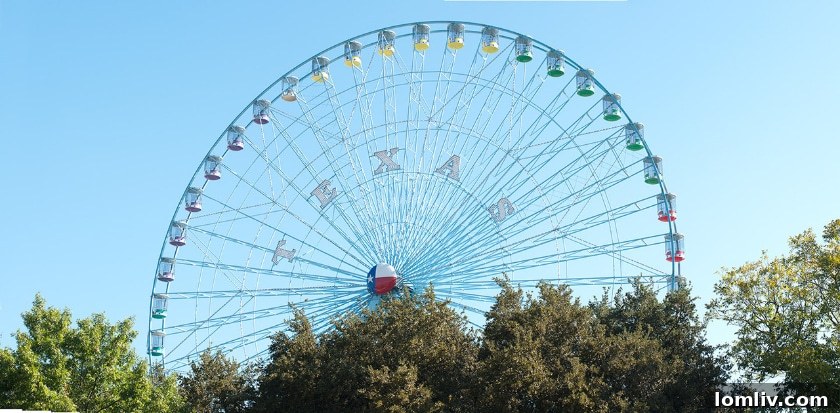
Preserving Fair Park: A Legacy for Future Generations
The ongoing commitment to preserve Fair Park’s extraordinary heritage is exemplified by figures like Preservation Architect Norman Alston, FAIA. As a distinguished member of the board of directors for Fair Park First and a guiding force behind current facilities and historic preservation efforts, Alston offers a compelling perspective on the intricate relationship between historic preservation and economic viability.
The relationship between the State Fair of Texas and Fair Park is truly unique in my experience. On the one hand, some folks (myself included) lament how the State Fair completely changes and mostly obscures the perception of Fair Park during those weeks when the Fair is in session. Many, perhaps most, only know Fair Park as the backdrop for the State Fair and don’t recognize it as one of our nation’s most important, unique, and beautiful historic sites.
But then, neither do we appreciate that there would be no Fair Park without the State Fair of Texas. One of the primary reasons Dallas won as the site for the Texas Centennial competition over Houston, Fort Worth, and San Antonio was because we already had a suitable fairground for that event, with gardens, exhibit buildings, roads, trolley access, and rail spurs already in place. Were it not for the annual State Fair of Texas, there can be little doubt that the Fair Park National Historic Landmark we know and treasure today would not have been built here, and neither would it have survived to continue to enrich our lives today.
Norman Alston
Alston’s insightful words underscore a profound truth: the State Fair of Texas is not just an event *in* Fair Park; it is inextricably linked to the very *existence* and continued survival of Fair Park as a National Historic Landmark. The Fair provided the impetus, the funding, and the continuous activity that spurred the development and subsequent preservation of this architectural treasure. Without the State Fair’s annual presence, the stunning Art Deco complex designed for the Texas Centennial might never have materialized, and its long-term preservation would have faced insurmountable challenges.
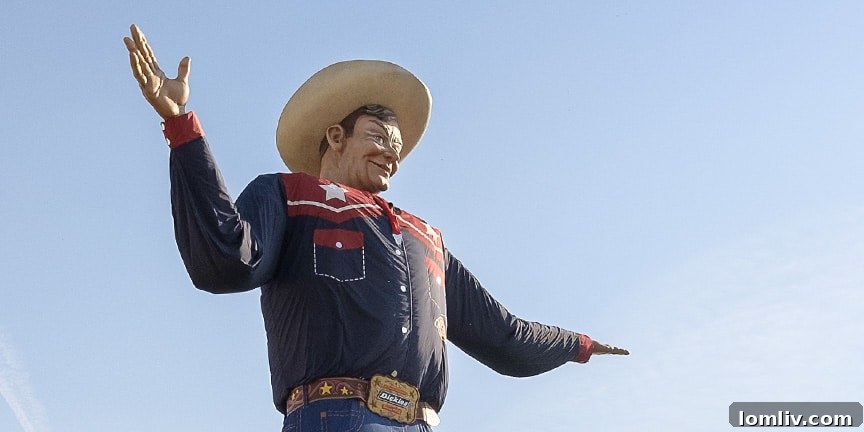
The Texas State Fair stands as a perfect synthesis of history, significant architecture, vibrant yearly celebration, and cherished tradition. It represents a powerful cultural touchstone for generations of Texans and visitors alike. This sense of tradition is deeply personal for many, resonating with childhood memories and family rituals.
The State Fair of Texas means tradition to me. Memories from when I was as young as five come flooding back. I remember holding my grandfather’s hand and stepping in a puddle on the Midway, tromping through the muddy maze of yellow school buses to get to the creaking wooden steps over the fence, and walking all day with my brother, looking at butterflies and bird shows. We’d marvel at the Art Deco architecture as the lights came on at dusk. There is so much history to relive every year, contrasted with the new and innovative changes. And, of course, the must-haves, ice cream, funnel cake, sausage on a stick, and Hans Mueller anything.
State Fair of Texas devotee Kathy LaMarr
Kathy LaMarr’s evocative description captures the essence of the Fair – a timeless experience where cherished memories are made against a backdrop of historical grandeur. It’s a place where the past and present coalesce, where the familiar comfort of tradition meets the excitement of innovation. The enduring appeal of the Fair lies not only in its attractions but also in its ability to connect people across generations to a shared heritage and a tangible piece of Dallas’s legacy.
As you prepare for your next visit to the State Fair of Texas, take a moment to look beyond the rides and the culinary delights. Appreciate the monumental effort and vision that went into creating Fair Park, a true unicorn among historic sites. Consider what Dallas would be without the successful historic preservation efforts that have meticulously maintained these architectural gems. It is through this appreciation that we can ensure this extraordinary blend of history, culture, and economic vitality continues to thrive, enriching our lives and inspiring future generations to value and protect our shared built heritage.