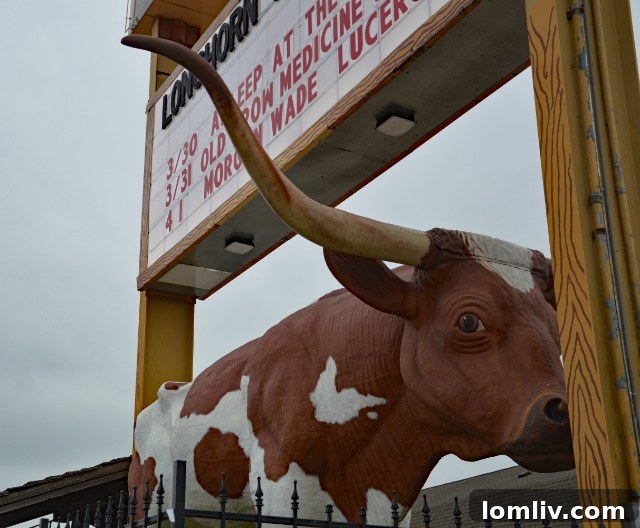
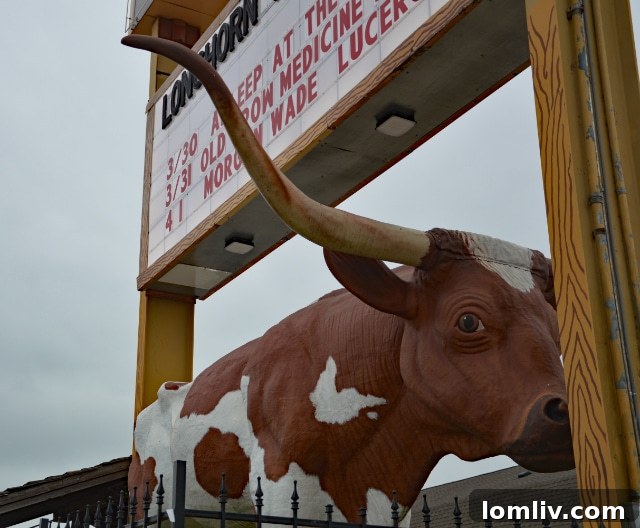
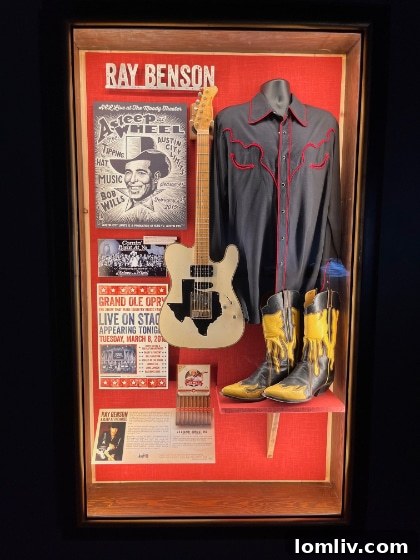
The venerable Longhorn Ballroom, a true cornerstone of American music history, recently reopened its doors, ushering in a new era while honoring its storied past. The grand re-inauguration, marked by a captivating performance from the legendary Asleep at the Wheel, wasn’t merely another show; it was a profound journey down memory lane for countless individuals who first learned the art of the two-step within these very walls. More than just a dance hall, the Longhorn Ballroom stands as an iconic symbol of Dallas’s rich cultural heritage, a place where generations have gathered to celebrate music, community, and the enduring spirit of Texas.
At the helm of this remarkable revival is Edwin Cabaniss, a name synonymous with cultural preservation in Dallas. Having already earned widespread acclaim for his transformative rescue and revitalization of The Kessler Theater, Cabaniss has once again demonstrated his unwavering commitment to safeguarding and reinventing iconic local venues. His latest endeavor with the Longhorn Ballroom is a testament to his vision, breathing new life into a beloved landmark. Yet, Cabaniss’s dedication extends beyond mere restoration; he has meticulously curated a stunning costume collection, adding an unexpected and deeply nostalgic dimension that truly elevates the Longhorn Ballroom experience.
The profound historical significance embedded within performance wardrobe often goes overlooked, failing to receive the attention it so rightly deserves. To delve deeper into this fascinating aspect of cultural preservation, we reached out to Annette Becker, the distinguished Director of the Texas Fashion Collection at the University of North Texas. Her insights shed light on why these tangible fragments of performance history are so incredibly vital.
Collecting the material culture of music is of particular historical importance. Performances are, by nature, ephemeral, and their environments are often challenging to document. Especially because such focus is placed on performers, their clothing can become a central element of their expressions of themselves and audiences’ understandings of their crafted personas or an extension of their artistry. Stage costumes, therefore, are not merely garments; they are artifacts imbued with the energy, creativity, and unique spirit of an artist at a specific moment in time. They offer a tangible link to the intangible magic of a live performance.
Stage costumes can offer a fantastical interpretation of the every day – particularly if we think about the dazzling, spangled, and workwear-inspired Nudie suits sported by Elvis Presley, which transformed humble Western attire into a spectacle of star power. Alternatively, they can form more personal and intimate connections between performers and audiences – like the ready-to-wear fashion line created by the beloved Selena, which allowed her fans to embody a piece of her iconic style. Preserving these stage ensembles allows us to reconnect with the embodied humanity of past performances and engage more deeply with music history. Each stitch, each sequin, tells a part of a larger story, offering a unique window into the evolution of music, fashion, and cultural identity.
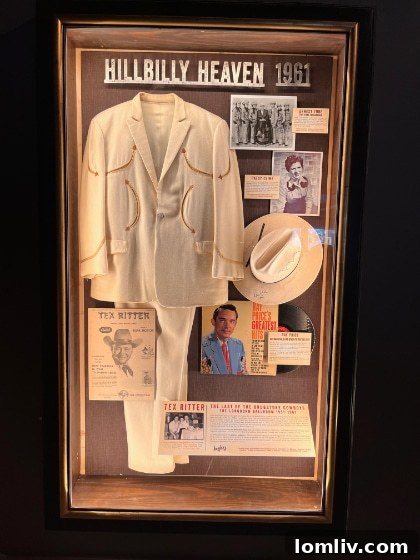
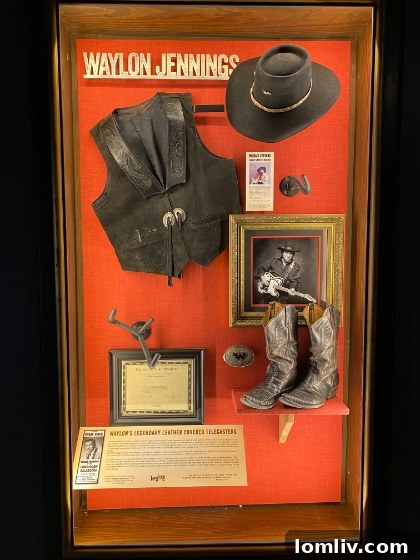
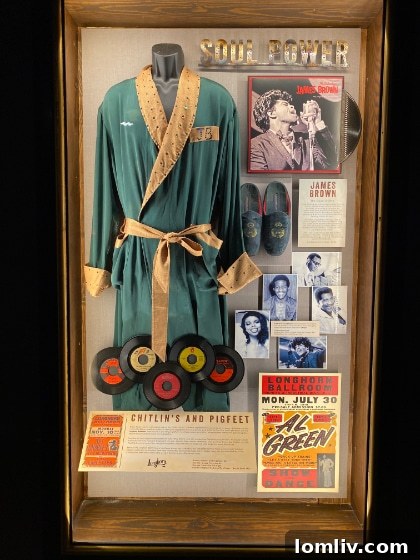
Beyond its academic importance, the collection is, quite simply, undeniably cool. It’s an immersive experience that transports visitors through the decades of musical evolution that unfolded within these legendary walls.
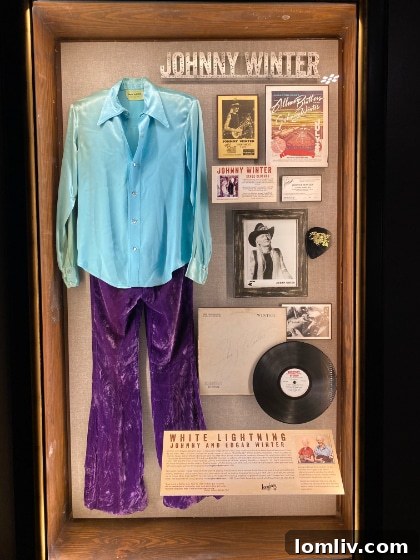
The Longhorn Ballroom: A Historical Canvas for Music Legends from Loretta Lynn to Johnny Winter
The decision by Edwin Cabaniss to enlist the extraordinarily talented Warwick Stone to curate this expansive collection was an inspired move. Stone’s unique blend of expertise and passion for music memorabilia has added an entirely unexpected and profoundly rich dimension to the Longhorn Ballroom. Far from being a mere static display, the collection is a dynamic, inspiring narrative that deepens visitors’ connection to the venue’s illustrious past and the artists who graced its stage.
Warwick Stone was uniquely suited to this ambitious project, possessing a diverse and impressive resume that speaks volumes about his capabilities. His career spans creating iconic costumes for two of Freddie Mercury’s legendary tours, a testament to his understanding of performance aesthetics and stage presence. He also served as the creative director for the Las Vegas Hard Rock Hotel, where he masterfully furnished the interiors with an unparalleled array of rock and roll costumes and memorabilia, effectively turning a hotel into a living museum. Beyond these high-profile roles, Stone is a recognized authority, frequently featured as an expert on television shows like “Pawn Stars,” where his encyclopedic knowledge and keen eye for authenticity are on full display. Indeed, virtually every serious collector in the world acknowledges his unparalleled ability to source, authenticate, and value rare and significant artifacts. As a highly sought-after appraiser, he can accurately value items for insurance purposes, making him the go-to expert if you happen to discover what you believe to be an authentic Elvis jacket tucked away in the back of your closet.
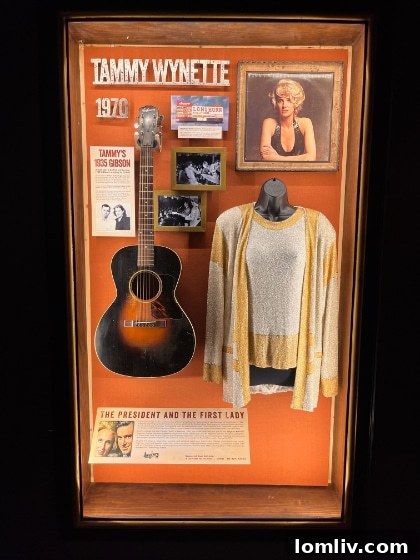
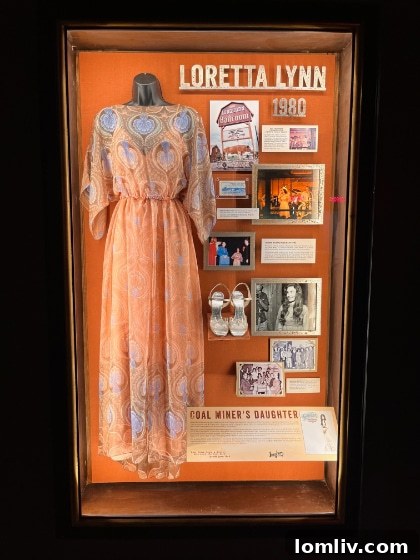
Reflecting on the curatorial process, Stone explained, “Edwin had a lot of people researching the history of performers at the Longhorn. It took me the longest time to figure out a style and a point of view for the collection. But the epiphany came with a year-by-year spreadsheet of all the performers. I realized it would work if I put a year on it.” This methodical approach allowed Stone to weave a chronological narrative, showcasing the venue’s evolution through the costumes and memorabilia of the artists who defined each era. The concept was to create 12 distinct thematic cases, each representing a crucial period in the Longhorn Ballroom’s history.
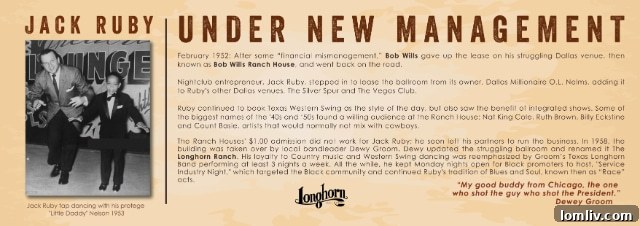
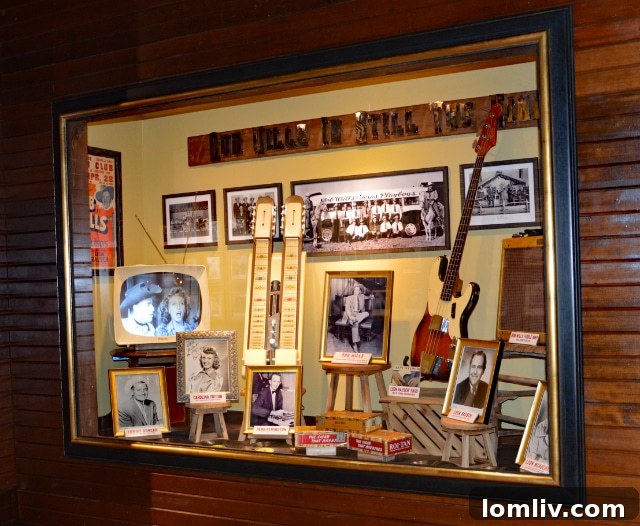
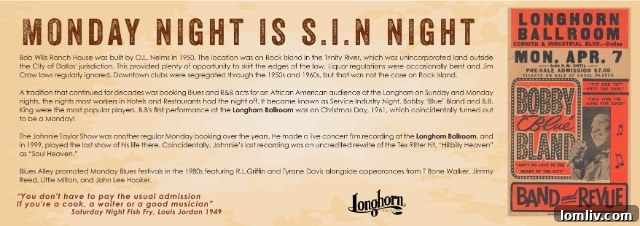
The very origins of the Longhorn Ballroom demand a prominent representation of its country western years. The venue was originally conceived and constructed in 1950 by O.L. Nelms, specifically to serve as a grand stage for his dear friend, the legendary Bob Wills and The Texas Playboys. Their Western Swing sound laid the foundation for the Longhorn’s early identity as a premier destination for country music. Intriguingly, during periods when Wills and his band were on the road, the venue was briefly leased by none other than Jack Ruby, a figure whose name is etched into a different, darker chapter of Dallas history. Integrating Ruby into the collection presented a unique challenge, given his complex legacy, but his brief yet significant tenure is integral to understanding the era. Consequently, his white suit is respectfully displayed to the side of the main collection, acknowledging his presence in the Longhorn’s formative years.
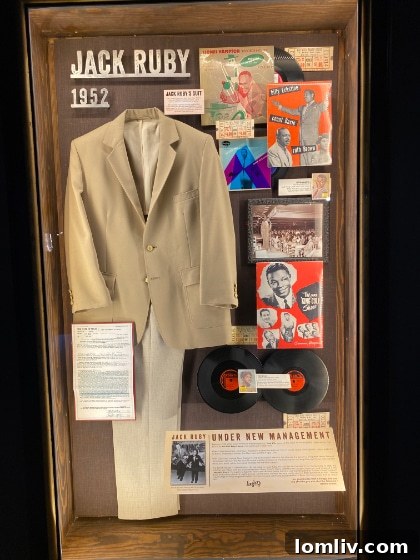
Stone further illuminated Ruby’s often-overlooked contribution, stating, “Ruby was only there in 1952, but his contribution was creating a large venue where black audiences could go. He brought in Count Basie and Nat King Cole.” This was a monumental act during a period of entrenched segregation, positioning the Longhorn Ballroom as a rare beacon of inclusivity in the South. “The most remarkable thing in the archives is a photo of the Nat King Cole show in 1954,” Stone continued. “All of the people sitting down are black. All the white people are standing up behind them.” This powerful image speaks volumes about the racial dynamics of the time and the Longhorn’s unique role. Further complicating the historical narrative, there are compelling stories from this era detailing how black promoters and private security managed events, often because the local police had no jurisdiction. The Longhorn Ballroom, situated in unincorporated territory, operated under its own rules, fostering an environment where, despite societal norms, “everyone got along.”
The Longhorn, The Sex Pistols, And That Infamous “Punch”: Unpacking a Punk Rock Legend
The venue’s trajectory took another significant turn when Dewey Groom eventually acquired the club from Nelms. Groom is credited with officially renaming it the Longhorn Ballroom, cementing its identity for decades to come. His business acumen transformed the venue into a thriving enterprise, cleverly subdividing the expansive 2,000-person dance floor, adding a distinctive cowboy town facade, and actively marketing it as a unique tourist attraction. For 25 years under Groom’s stewardship, the Longhorn Ballroom flourished as an unparalleled entertainment destination, hosting an incredibly diverse array of acts. This legacy of adaptability and significance reached a peak in 1978 when the Longhorn Ballroom earned the distinction of being one of only six venues across all of America to host the groundbreaking and controversial Sex Pistols on their one and only U.S. tour. This event forever cemented the Longhorn’s place in punk rock lore.
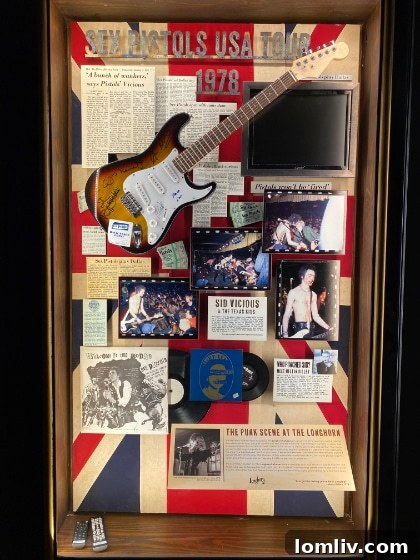
“There are some things that simply had to be exhibited, and memorabilia from the Sex Pistols tour was essential,” Stone emphasized, recognizing the cultural weight of that notorious performance. Among the myriad legends surrounding the Sex Pistols’ chaotic U.S. tour, one enduring myth involves a girl purportedly punching Sid Vicious in the face during the Dallas show. Stone, with his deep connections in the music memorabilia world, frequently encounters the very photographers who captured these moments. He managed to get the inside scoop on that fateful night and even acquired photographic evidence to finally set the record straight on the famous “punch.”
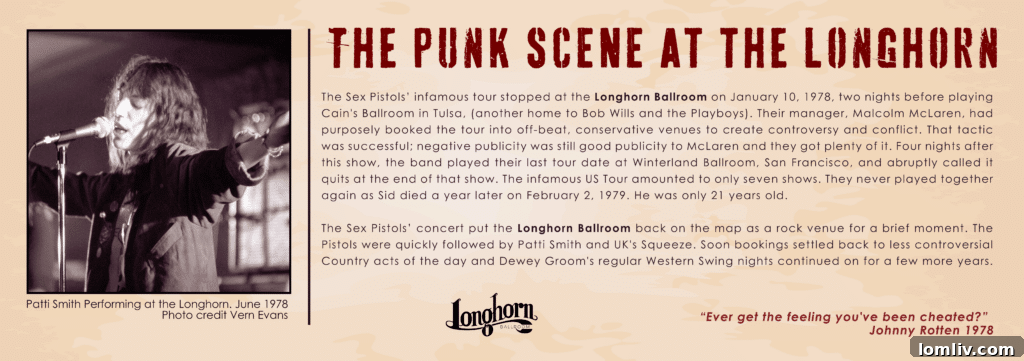
Dispelling the long-held myth, Stone recounted, “There was a little tin roof over the stage, and the punks were climbing up and hanging on the wooden rail. Sid is sparring with these girls trying to kiss them. He bends down to kiss a girl. She is sliding down the fence post and accidentally head-butts his nose. So it was no real punch, but the punch made for a better story!” This delightful anecdote not only clarifies a piece of punk rock history but also highlights the meticulous research and dedication that went into curating the Longhorn Ballroom’s collection. It’s these kinds of unearthed truths that make the exhibits truly captivating and authentic.
Stone takes immense pride in how effectively he has conveyed the rich tapestry of the Longhorn’s history through the carefully curated exhibits of wardrobe and memorabilia. “Each exhibit grounds you to that spot in time,” he stated, emphasizing the immersive quality of the displays. “It’s a time capsule. In 1961 it was all Country Western music, and in 1978 there was a very different scene with the Sex Pistols tearing up the stage.” The collection masterfully illustrates this dramatic evolution, showcasing how one venue could adapt and thrive across wildly different musical genres and cultural shifts, serving as a mirror to America’s changing tastes.
Historic wardrobe is a nostalgic-driven collectible. It takes you back to a sweet spot in your life and also gives you perspective. You might not realize, for instance, that a performer was that short or that the brocade of a gown was that brilliant. Wardrobe personifies the performer and captures their essence. It’s more than just fabric; it’s a tangible connection to the person, their art, and the era they defined. There is a reason that Judy Garland’s ruby slippers are at the Smithsonian and that the carpet in front of them is worn out!
Brian Chanes: Senior Director of Film and Television Entertainment at Heritage Auctions
Warwick Stone’s ambitious project is far from complete. He is currently channeling his expertise into developing the “founders’ room” at the Longhorn Ballroom. This dedicated space promises to offer an even deeper dive into the lives and stories of the pioneering individuals who shaped the venue’s early history. It will feature compelling portraits, meticulously curated exhibits, and, undoubtedly, more fascinating, previously untold anecdotes, such as the legendary tale of Jack Ruby reportedly having his finger bitten off within these very walls. These captivating narratives and historical treasures await future visitors, ensuring that the Longhorn Ballroom continues to unveil its secrets and enchant its audience for generations to come, truly making it a living monument to music and history.