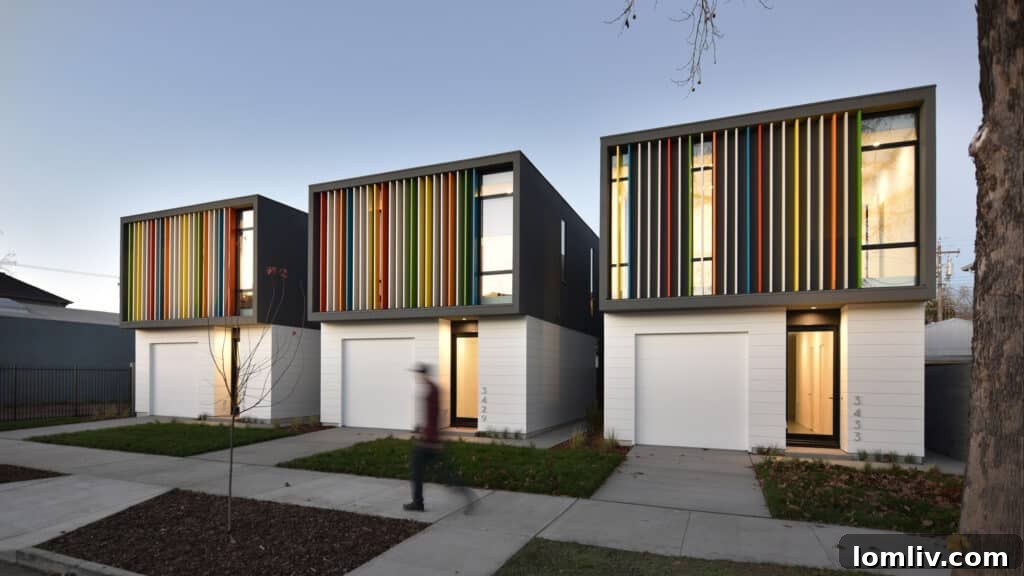
The landscape of urban living is continually evolving, and few topics spark as much debate and discussion as the future of housing. In a rapidly expanding metropolis like Dallas, understanding the trajectory of residential development, particularly single-family homes, is paramount. To shed light on these critical issues, the esteemed Dallas Architecture Forum is set to host a pivotal panel discussion, bringing together a city planner, a university professor, and a renowned designer. This vital conversation, scheduled for Wednesday, May 25, promises to delve into the complexities and potential transformations awaiting Dallas’s housing sector.
The current state of the real estate market is undeniably dynamic, often described as a whirlwind of activity. “The housing market at the moment is nuts, but that’s not especially particular to Dallas,” observes Kate Aoki, an accomplished architect and the head of exhibition design at the Dallas Museum of Art, who will expertly moderate Wednesday’s discussion. Aoki further elaborated on the broader economic forces at play, noting, “The economy is doing strange things which are affecting folks in different ways but at the end of the day, we want everyone to have access to housing that is safe, affordable, supported by the community, and that will lead to growth in equity for all, not just those who have historically been able to afford it. Whether that continues to be traditional single-family houses on individual lots is a big question mark.” This statement powerfully encapsulates the central dilemma the panel seeks to address: how to reconcile traditional housing models with the pressing need for equitable and accessible housing solutions for all residents.
Community engagement is a cornerstone of this discussion. Interested individuals are cordially invited to attend this insightful 6:30 p.m. Zoom discussion by simply registering online. This accessible format ensures that a broad audience can participate in shaping the dialogue around Dallas’s future urban fabric.

The panel’s agenda is comprehensive, aiming to dissect a multitude of factors influencing housing in Dallas. Key themes include the persistent challenges of affordability, enhancing accessibility for diverse populations, exploring innovative design principles, and critically examining the pivotal role the City of Dallas currently plays and should ideally undertake to foster greater equity in housing provisions. This multifaceted approach ensures a holistic examination of the issues, moving beyond superficial solutions to address systemic challenges.
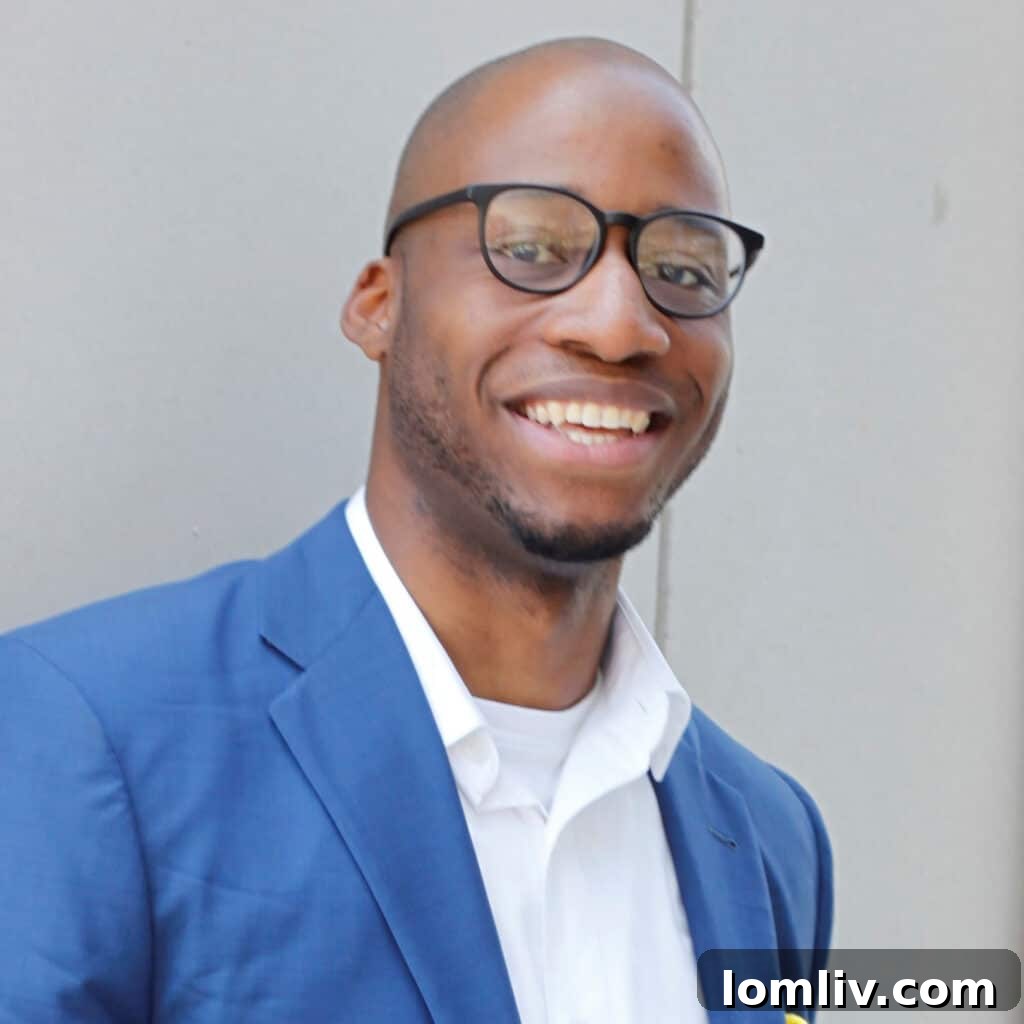
Among the distinguished panelists is Lawrence Agu III, the City of Dallas’ chief planner, who brings a wealth of strategic insight to the table. Agu masterfully oversees the “Innovation Lab,” a newly established and forward-thinking team. His team’s specialized expertise lies in cutting-edge data analytics, rigorous policy research, and the powerful art of community storytelling through data-driven insights. This unique blend of skills allows for evidence-based decision-making and a deep understanding of resident needs. Furthermore, Agu is a driving force behind the city’s future as the project manager for the critically important ForwardDallas Comprehensive Land Use Plan. His direct involvement in shaping the city’s developmental blueprint makes his contributions to the discussion invaluable, offering an insider’s perspective on the practical implementation of urban planning strategies.
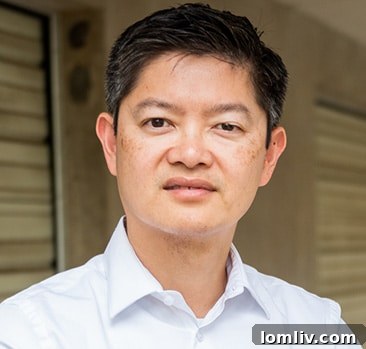
Lawrence Agu III will be joined by Julia Lindgren, a highly respected professor from the University of Texas at Arlington, whose academic rigor and research contributions enrich the discourse on urban development. Completing this formidable trio is Bang Dang, an acclaimed architect and designer, celebrated for his innovative approaches to built environments and his understanding of how design impacts daily life. This diverse panel composition ensures that the discussion will benefit from perspectives spanning urban governance, academic research, and architectural design, offering a truly comprehensive outlook on the housing crisis.
Agu articulated his specific focus for the discussion: “My comments will be focused on [the city of Dallas’] comprehensive land-use policy, ForwardDallas, the work we’re doing to update it, and how our discussion topic is related to land use.” His insights will be crucial for understanding how city-level policies and planning initiatives directly influence the availability, type, and affordability of housing across Dallas, providing a concrete link between high-level policy and everyday living.
The Evolving State of Single-Family Housing in Dallas
The narrative around single-family housing is complex and often contradictory. Recent data from a survey conducted by the National Association of Home Builders reveals a fascinating trend: the median size of a single-family home has expanded by approximately 10 percent since 2009, a trajectory that shows no signs of abating. This growth suggests a persistent demand for larger living spaces, perhaps driven by changing family dynamics or lifestyle preferences.
However, despite the allure of more spacious homes, a critical question looms large: will multi-family units and rental properties gain increasing traction, especially among young families entering the housing market? This query becomes particularly pertinent as the costs associated with “starter homes” continue their upward climb, often pricing out potential first-time buyers from traditional single-family dwellings. The growing population and shifting demographics in Dallas are accelerating this debate, prompting a re-evaluation of what constitutes viable and sustainable housing options for the next generation of residents.

The Dallas-Fort Worth metropolitan area is experiencing an unprecedented population boom, with projections indicating a staggering increase to nearly 12 million residents by the year 2050. This rapid demographic shift places immense pressure on existing infrastructure and, most notably, on housing availability. The Dallas Architecture Forum, in a compelling press release for the event, highlighted this crucial dynamic: “While Dallas has seen rapid development of multi-family and mixed-use projects in neighborhoods already zoned for them, we are also seeing these types of developments being built in zones previously designated as single-family lots.” This observation underscores a significant transition in urban planning and residential development.
The release continued by posing fundamental questions that strike at the heart of Dallas’s identity and future: “In a city that has fiercely protected its single-family culture, how will residential development address the balance between single-family and multi-family in equitable, sustainable, and meaningful ways? What is the future of the single-family typology, and how can we be a city that addresses the needs of the many while remaining economically healthy?” These aren’t merely rhetorical questions but urgent challenges demanding thoughtful, strategic, and collaborative solutions. The panel will explore how policies, innovative design thinking, and community initiatives can harmoniously merge to address these shifting needs and the evolving demographics of Dallas, ensuring that growth is not just rapid but also responsible and inclusive.
Kate Aoki further emphasized the panel’s scope: “Each of the panelists has very specific expertise in housing, from a planner, to a designer, to a professor. We will be exploring together the current state of single-family housing in Dallas and how the city is beginning to think about its approach to land use and development, especially as it relates to density and community versus history.” This comprehensive approach ensures that various facets of urban planning—from historical preservation to future density requirements—are meticulously examined, fostering a nuanced understanding of the forces shaping Dallas’s residential future.
Navigating Dallas’s Future: Balancing Growth, Affordability, and Community
Despite the challenges and questions surrounding the future of single-family housing, some statistics paint a promising picture for the Dallas real estate market. According to the authoritative Texas Real Estate Research Center at Texas A&M University, single-family construction permits are on the rise, signaling a robust confidence among developers. Furthermore, demand remains strong, evidenced by a significant 5.2 percent increase in Dallas home sales recorded in January. These figures suggest that while the market is undergoing transformation, the underlying health and vitality of real estate in Dallas remain strong.
However, moderator Kate Aoki offers a measured perspective, cautioning against oversimplification despite the encouraging numbers. “I have no idea,” she candidly admitted when pressed on what the distant future holds for single-family housing. Her vision, however, is clear and hopeful: “I know what I would like to see in the future, but it’s not up to me. I would love for all of us to start to move toward a shared vision, one that is not based on fear but on common understanding and knowledge. It’s my hope that discussions like this help more people educate themselves on the potential that cities possess, and how all of us can do our parts to tap into our resources to be good stewards of that potential.” This sentiment underscores the critical role of informed public discourse in guiding urban development toward more equitable and sustainable outcomes. It’s about collective stewardship and leveraging the city’s inherent potential for the benefit of all.
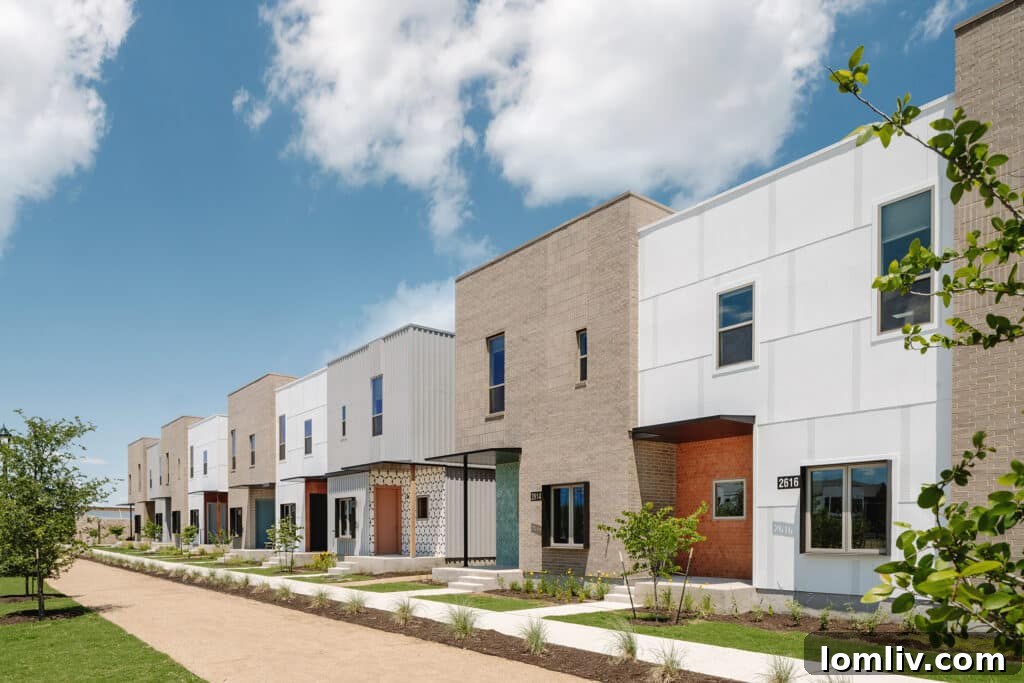
The upcoming panel discussion is designed to be far more than just an academic exercise. Aoki confirmed that the panelists will undertake a “deep dive” into these intricate topics, facilitating a dynamic and thought-provoking exchange. “Each panelist has a specific area of expertise that will lend to a vibrant and thoughtful – and hopefully challenging – conversation,” she elaborated. Her personal connection to the city adds another layer of depth to her perspective: “I was born and raised in Dallas, and the city it is now is not anywhere close to the city it was, nor what it will be even five years from now. So many of us are looking for ways to drive change, to help each other, to make life better. ‘Better’ means something different to each person, and I’m excited to discuss what that means to our panelists.” This reflection captures the essence of Dallas’s rapid transformation and the urgent need for collaborative efforts to define its future path.
The Dallas Architecture Forum’s Zoom discussion on the future of single-family housing represents an unmissable opportunity for anyone interested in urban development, housing policy, and the evolution of Dallas. This free event commences at 6:30 p.m. on Wednesday, May 25, offering a unique platform to engage with leading experts and contribute to the ongoing dialogue about creating a more equitable, sustainable, and thriving city for generations to come. Join the conversation and be part of shaping Dallas’s residential future.