In the dynamic world of real estate, staying ahead of the curve isn’t just a challenge; it’s a necessity. As the dust settles from unprecedented global shifts and I finalize projects like the Penthouse Plunge in anticipation of a future sale, one undeniable trend is emerging: a massive surge in home renovation. This isn’t merely a fleeting fad but a fundamental recalibration of how we view and utilize our living spaces, driven by a confluence of market forces and evolving lifestyle demands. The stage is set for a renovation revolution, and understanding its drivers is key to navigating the future of the housing market.
The Housing Market’s Reluctance to Adapt: A Catalyst for Renovation
The current housing market finds itself in a peculiar state of inertia, slow to catch up with burgeoning demand. Major metropolitan areas, such as Dallas, are grappling with a deficit of tens of thousands of housing units. This pre-existing shortage was exacerbated by the initial disruption of COVID-19, which caused a significant slowdown in new construction projects. Labor shortages, supply chain bottlenecks, and increased material costs continue to impede the pace of building, meaning the already tight supply of available homes is struggling more than ever to expand.
Compounding this supply issue is the widespread hesitation among potential sellers. The thought of strangers breathing in their homes during open houses became a major deterrent, even as the immediate health crisis subsided. However, the reluctance runs deeper. Many homeowners are caught in a classic “chicken or the egg” dilemma: they’re afraid to list their current home for fear of selling before they can secure a new one in an incredibly competitive market. With inventory levels reaching historic lows, this fear is amplified, pushing more homeowners to stay put rather than venture into a turbulent buying process. The result is a stagnant market where the machinery of buying and selling isn’t being replenished as it should, leading to fewer choices for buyers and higher prices.
Into this challenging landscape steps the profound impact of new work paradigms. The forced experiment of remote work for millions during the pandemic proved successful for many individuals and businesses alike. Employees discovered the benefits of flexibility and reduced commutes, while companies recognized sustained, or even improved, productivity. This widespread acceptance of remote or hybrid work models is not a temporary adjustment; it’s a permanent shift reshaping housing needs. As more people embrace working from home, their relationship with their living space is fundamentally changing, highlighting a growing demand for environments that seamlessly blend professional and personal life.
The Remote Work Revolution: Redefining Our Spatial Needs and Geographic Footprint
The embrace of remote and hybrid work models is creating a profound shift in two critical aspects of housing: space allocation within existing homes and the geographical distance people are willing to live from traditional urban centers. This re-evaluation of our domestic environments is a primary driver behind the anticipated home renovation boom.
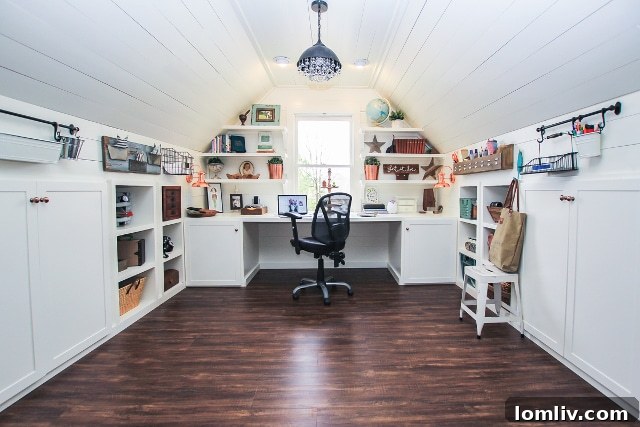
Firstly, consider the burgeoning need for different spaces. If your home has now become your primary workplace, the casual corner of the dining table or a makeshift setup in the bedroom simply won’t suffice for sustained productivity and well-being. People are actively seeking dedicated workspaces that offer privacy, minimize distractions, and foster a professional atmosphere. This often translates into a demand for an extra bedroom that can be converted into a true office, or even a need for two separate office spaces for couples who both work remotely. Beyond mere square footage, homeowners are now prioritizing features like proper soundproofing, ample natural light, and ergonomic considerations – elements that significantly impact long-term comfort and efficiency. This goes beyond just an office; it could mean dedicated learning zones for children, a home gym, or even a more robust entertainment area to compensate for less frequent outings.
Secondly, the newfound freedom from daily commutes is prompting a re-evaluation of geographical preferences. For decades, residential choices were heavily dictated by proximity to work. Now, with the string cut for many, the possibilities expand. Could this lead to a resurgence of interest in tertiary cities – those smaller urban centers that have seen declining populations and cheaper housing for years? If a steady paycheck is no longer tethered to a specific city’s orbit, individuals and families might explore more affordable or lifestyle-aligned locations further afield. My own journey serves as a perfect illustration: after living in five different cities within a decade, solely for work, the moment that constraint was lifted, I chose to move from Phoenix to Dallas twelve years ago and have embraced remote work ever since, proving the viability of this shift long before it became mainstream.
Even for those who remain relatively local, the dynamics are changing. If your job offers a hybrid model, say two days a week from home, how does that alter your willingness to commute? Would you consider moving further out, accepting a longer drive just three days a week, if it meant securing a larger home, better schools, or more affordable living? Conversely, if traffic is less of a daily concern, would you consider moving from the quieter “mid-cities” to a more socially vibrant area like central Dallas or Fort Worth, enhancing your quality of life without the constant dread of rush hour? These are not hypothetical questions; they are real considerations driving countless homeowners to reassess their current residences and, crucially, to consider how those homes can be adapted to better serve their evolved needs.
The Post-Pandemic Housing Market: Why Renovation is the Smart Move
The cumulative effect of a constrained housing supply, reluctant sellers, and the enduring shift towards remote work points to an unmistakable conclusion: the post-COVID-19 real estate market will be defined by change, and home renovation is poised to become a dominant trend. While some homeowners might initially consider selling or moving to a larger apartment or house to gain extra space, the realities of the current market make this a significantly challenging endeavor for most.
Firstly, the persistent issue of freaky low inventory means that finding a suitable replacement property is incredibly difficult and often involves intense bidding wars, driving up costs and frustration. Secondly, the overall housing shortage makes any lateral move a costly gamble, both in terms of purchase price and the associated transaction costs. Furthermore, many people needing more space simply don’t want to move. They love their neighborhood, their children are settled in local schools, or they have deep community ties they are unwilling to sever. For those in condos or apartments, moving to a larger unit within the same building might be an option, but the fundamental limitation remains: they can’t physically expand their existing footprint through an addition or convert an unused outdoor space into a functional room.
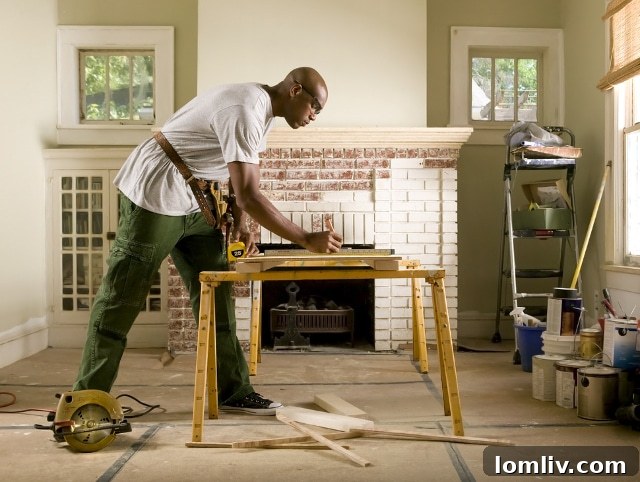
This is precisely where the impending wave of home renovation enters the picture as the most viable and often most desirable solution. Instead of enduring the stress and expense of moving, homeowners are increasingly opting to adapt their current properties to meet their evolving needs. This includes a wide spectrum of projects, from significant home additions that provide entirely new rooms, to creative garage conversions transforming underutilized spaces into dedicated offices, guest suites, or income-generating accessory dwelling units (ADUs). Even simpler reconfigurations of interior layouts, such as knocking down a wall to create an open-plan living area or conversely, building new walls to section off a private home office, will ramp up dramatically.
The initial impetus for many will be to address immediate working conditions – carving out a functional home office. However, for those with the financial means, this initial urge often spirals into a more comprehensive renovation. Homeowners realize that if they’re already disrupting their living space for one project, it’s an opportune time to undertake other desired upgrades, from kitchen and bathroom remodels to improving energy efficiency or enhancing outdoor living areas. Renovation offers the ultimate customization: the ability to design a space that perfectly aligns with one’s lifestyle, investment goals, and aesthetic preferences, all without the hassle of relocating.
Navigating the Renovation Boom: Challenges and Strategic Planning for Homeowners
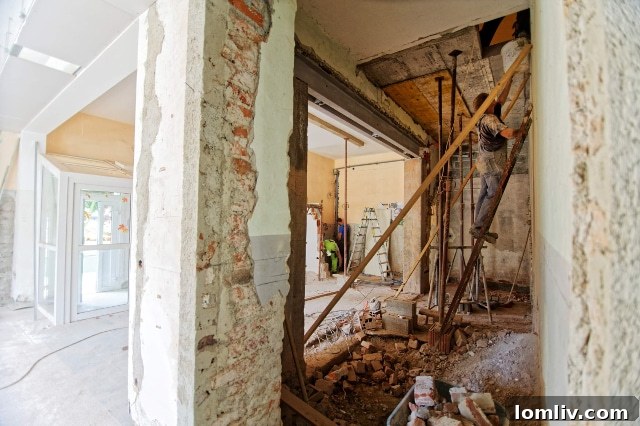
As the demand for home renovation skyrockets, particularly for those with the financial capacity to invest in their properties, a new set of challenges will undoubtedly emerge. This anticipated boom will create a significant “pinch-point” in the industry, specifically around securing good, reliable contractors to execute these projects. Homeowners embarking on renovations in this climate need to be acutely aware of these potential hurdles and plan strategically.
Firstly, the supply of skilled labor in the construction trades is often limited even during normal times. With a surge in demand for home additions, garage conversions, attic build-outs, and significant reconfigurations, expect to face longer wait times for reputable contractors. The best professionals, who are known for quality workmanship and clear communication, will likely have their schedules booked out months, if not a year, in advance. This heightened demand could also lead to increased pricing, as contractors are in a position to be more selective with the projects they undertake. The historical challenge of communication with some construction trades, often described as wanting clients only when no one else does, will be exacerbated. Homeowners must prioritize thorough vetting, checking references, reviewing portfolios, and establishing extremely clear contracts to ensure their vision is understood and executed properly.
Furthermore, contractors can sometimes be prone to taking on more work than their existing crews can comfortably handle, leading to stretched resources, reliance on less experienced subcontractors, and, most frustratingly, extended completion dates. My own experience with the Penthouse Plunge contractor exemplifies this; he is eager to finish my job, as are we all, precisely because he has a backlog of work lined up down the block. This real-world example underscores the competitive landscape for contractor services and the potential for project delays.
Beyond labor, ongoing supply chain issues will continue to impact renovation timelines and budgets. The availability and cost of materials, from lumber and drywall to specialized fixtures and appliances, can fluctuate dramatically. Homeowners should build contingency plans and budgets that account for potential material delays and price increases. Careful planning, ordering materials well in advance, and being flexible with certain selections can help mitigate these risks.
For those homeowners considering significant renovations, strategic financial planning is also crucial. Options like home equity loans, home equity lines of credit (HELOCs), or even cash-out refinances can provide the necessary capital. Understanding the return on investment (ROI) of various renovation projects is also important, as some upgrades add more value than others. While a home office conversion or an additional bedroom is likely to see a strong return in today’s market, not all renovations yield the same benefit.
In conclusion, regardless of your specific position in the real estate market – whether you’re buying, selling, or considering renovating – the current climate presents unique and complex challenges. Each facet will demand careful consideration, strategic planning, and a willingness to adapt. However, amidst these difficulties, there’s a significant upside. This era of transformation offers an unparalleled opportunity for homeowners to fundamentally redefine their living spaces. It’s a chance to invest in their comfort, productivity, and overall well-being, effectively future-proofing their homes. More than that, it’s a perfect moment to undo prior questionable design choices or suboptimal layouts, transforming a house into the truly ideal home that perfectly suits a modern, evolving lifestyle.