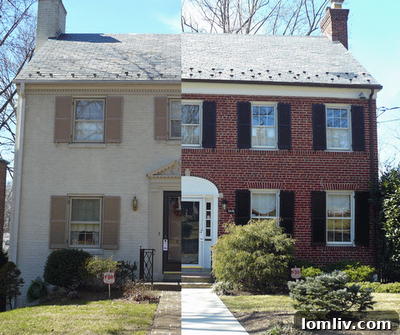
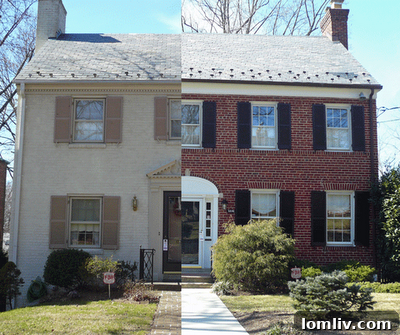
About a decade ago, I found myself in a sales training class in sunny Florida, surrounded by new home sales professionals from every corner of the United States. Our discussions often revolved around the art of addressing potential buyer objections, a critical skill in our line of work. It was during one of these sessions that I introduced a topic that, for some, seemed utterly baffling: the concept of painting brick exteriors.
The immediate reaction from many of my colleagues, particularly those hailing from the Midwest and western states, was a mixture of bewildered stares and questioning glances. The sentiment was palpable: “You build with brick—a material known for its durability, expense, and labor-intensive installation—and then you deliberately cover it up with paint? Why on earth would anyone do that?!” This regional divide highlighted a fascinating cultural perspective on home aesthetics and the perceived value of natural brick.
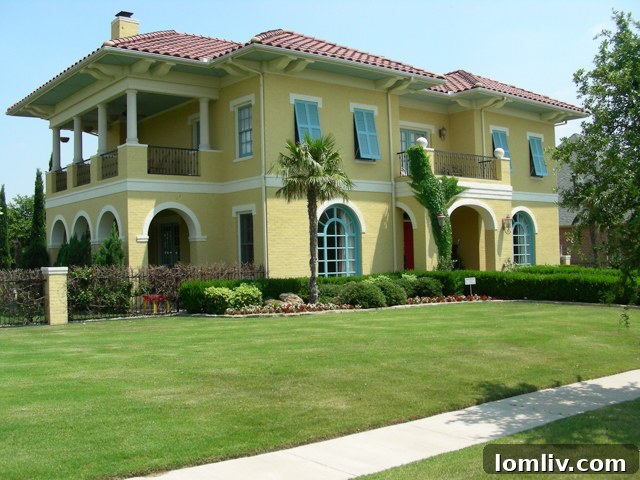
Understanding Brick: A Brief History and Regional Significance
The use of bricks in construction dates back millennia, a testament to their enduring strength and reliability. Alongside wood, brick stands as one of the oldest and most prevalent materials in home building, cherished for its fire resistance, thermal mass, and long lifespan. Over centuries, brick sizes varied widely across different cultures and eras, eventually standardizing into the commonly used modular, queen, and king-sized bricks we see in today’s construction landscape.
While other exterior materials like siding or stucco might dominate in various regions across the country, brick holds a distinct and steadfast position, particularly in states like Texas. Here, brick remains a standard and often preferred method for creating durable and attractive façades, striking a balance between cost-effectiveness and aesthetic appeal. Given this deep-rooted appreciation for brick, the idea of altering its natural appearance through paint can certainly spark debate.
So, what exactly is the appeal—or the controversy—surrounding the painting of these classic brick exteriors? Let’s delve into the evolving perspectives on this popular home renovation trend.
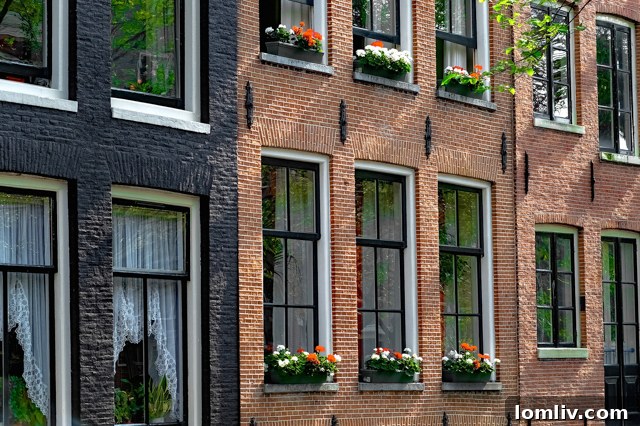
The exact origins of painting exterior brick are somewhat obscured by time, but it likely gained traction during the 1920s and 1930s. In an era when brick largely came in a limited palette of reddish-brown or darker brown hues, homeowners sought ways to inject individuality and curb appeal into their residences. Painting offered an accessible solution to differentiate their homes from the countless others built with similar, mass-produced bricks.
Fast forward to today, and painted brick homes have shed much of their initial controversy, becoming a widely accepted and even celebrated design choice. Thanks in part to the immense influence of popular home renovation shows like HGTV’s Fixer Upper and PBS’s This Old House, homeowners across the nation are increasingly recognizing the transformative benefits of painting their brick exteriors. These programs have showcased how a coat of paint can instantly modernize, brighten, and enhance the character of a home, propelling painted brick into the mainstream. Despite its growing popularity, the debate surrounding painted brick continues to simmer, with staunch advocates and persistent skeptics presenting their arguments.
The Case Against Painted Brick: Common Concerns and Misconceptions
For many purists and traditionalists, the idea of painting brick is met with strong resistance. The core objections often revolve around the perceived impact on the brick’s natural qualities and the long-term implications for home maintenance and value.
- Increased Maintenance: This is arguably the most significant concern for the “Unpainted Brick Fan Club.” Critics often contend that painted brick requires frequent repainting, fearing that a home’s value will diminish as the paint chips, peels, or fades.
- Higher Initial and Long-Term Costs: Some believe that the process of painting brick, combined with future repainting cycles, will lead to excessive financial outlay.
- Labor-Intensive Process: The initial preparation and application of paint to brick is undoubtedly a significant undertaking, leading many to label it as a high-effort renovation.
- Compromised Breathability: A more technical, and valid, concern is that traditional latex or acrylic paints can trap moisture within the brick, potentially leading to issues like efflorescence (salt deposits), spalling (flaking of the brick surface), or even mildew growth if the brick cannot properly dry out. This is particularly relevant for older, softer bricks.
- Loss of Natural Character and Authenticity: For many, the natural variations, textures, and earthy tones of unpainted brick are intrinsic to its charm and architectural integrity. Painting is seen as covering up this authenticity, stripping the home of its original character.
While the concerns about maintenance are often cited, the reality is more nuanced. The notion that painted brick homes demand constant repainting is largely a myth, provided the job is done correctly with high-quality materials. Modern exterior paints, especially those designed for masonry, are incredibly durable and can last for 10-20 years or even longer before needing a refresh. Furthermore, lighter or neutral colors tend to hold up better against sun exposure compared to very bright or dark shades, which can indeed fade over time.
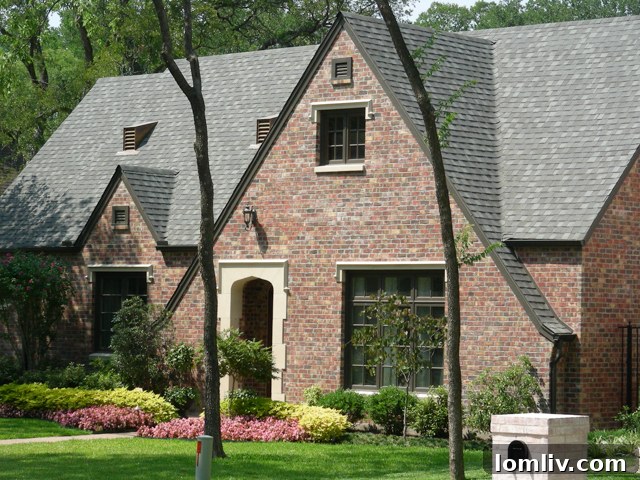
Regarding property value, evidence suggests that painting a home’s exterior, especially brick, can actually enhance its market appeal and perceived value—or at the very least, not detract from it. A fresh, modern paint job can significantly boost curb appeal, making a home stand out in a competitive market. Moreover, in new construction where brick is painted, builders often utilize larger king-size bricks, or even larger formats. This choice helps to offset the costs of paint and labor, as bigger bricks require less mortar, fewer individual units, and consequently, less installation time. This efficiency can make painted brick an economically viable and aesthetically pleasing option from the outset.
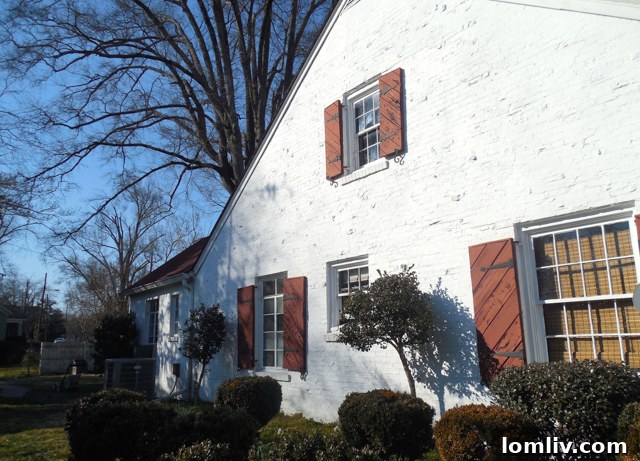
The Case For Painted Brick: Modern Appeal and Practical Benefits
Despite the traditionalist arguments, the advantages of painting brick exteriors are compelling and resonate deeply with contemporary homeowners and design trends. The reasons for its burgeoning popularity are multifaceted, addressing both aesthetic desires and practical concerns.
- Unmatched Aesthetic Transformation and Diversity: Imagine a neighborhood where every home is a uniform shade of reddish-brown or dull beige. Painted brick breaks this monotony, offering an incredibly easy and effective way to introduce diversity and personalized character to home exteriors, even for homes with identical architectural blueprints. A fresh coat of paint can instantly modernize an outdated façade or provide a cohesive look for homes with mixed exterior materials.
- Character-Building Attributes for Newer Homes: Many modern bricks, while functional, lack the charm and varied textures of older, artisanal bricks. Painting them allows homeowners to infuse a sense of bespoke character and sophistication that might otherwise be absent. It can transform a generic new build into a distinctive property with strong curb appeal.
- Addressing the Appearance of Today’s Brick: Let’s be honest, the aesthetic quality of some contemporary bricks isn’t always as attractive as historical variants. Painting provides an excellent solution to camouflage less desirable brick colors, inconsistent batches, or even minor cosmetic flaws that accumulate over time.
- Enhanced Curb Appeal and Property Value: A well-executed paint job can dramatically boost a home’s curb appeal, making it more attractive to potential buyers and often commanding a higher market value. It gives a property a fresh, clean, and well-maintained appearance, signaling care and investment.
- Concealing Imperfections and Repairs: Over time, brick can become stained, discolored, or show signs of patch repairs that don’t quite match the original masonry. Paint offers a seamless way to cover these imperfections, creating a uniform and pristine exterior.
- Protection from Elements: When properly applied, an appropriate exterior paint acts as an additional protective layer for the brick and mortar. It can help shield the masonry from moisture penetration, UV radiation, and general wear and tear, potentially extending the lifespan of the underlying materials.
- Versatility in Design and Color Palette: Painting brick opens up an almost infinite spectrum of color possibilities. From classic whites and grays that evoke a timeless elegance, to bold charcoals or subtle blues that offer a contemporary edge, homeowners can select a shade that perfectly complements their landscaping, architectural style, and personal taste. This flexibility allows for unparalleled personalization.
If anyone suggests that painting brick is nothing but a maintenance nightmare or an exorbitant expense, I invite them to consult with a seasoned expert who understands the nuances of modern construction and real estate trends. A fresh perspective often clarifies these misconceptions!
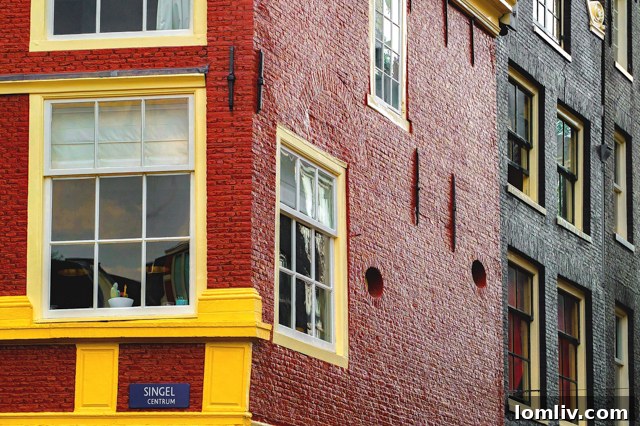
Making the Call: Key Considerations Before You Paint
Before you commit to painting your brick exterior, it’s essential to consider a few critical factors to ensure a successful and long-lasting result:
- Brick Condition: Ensure your brick is clean, dry, and in good repair. Any cracks, loose mortar, or moisture issues must be addressed before painting. Paint will not solve underlying structural problems.
- Cleaning is Crucial: Thoroughly clean the brick surface to remove dirt, grime, mildew, and efflorescence. A power washer with appropriate cleaning solutions is often necessary.
- Choosing the Right Paint: Not all paints are suitable for brick. For older, more porous bricks, breathable options like mineral paints or limewash are highly recommended as they allow moisture to escape, preventing damage. For newer, less porous bricks, high-quality acrylic latex exterior paints formulated for masonry can work well. Avoid oil-based paints, which can trap moisture.
- Primer Application: A high-quality masonry primer is often essential, especially for porous or previously unpainted brick. It helps with adhesion, provides a uniform surface, and prevents the brick from absorbing too much paint.
- Professional vs. DIY: Painting brick is a significant project. While DIY is possible for smaller areas, larger homes often benefit from professional painters who have the experience, equipment, and knowledge of proper brick preparation and paint application techniques.
- Long-Term Commitment: Once brick is painted, it’s generally a permanent change. While you can repaint, returning to the natural brick finish is an extremely difficult and costly endeavor. Make sure you’re committed to the painted look.
Your Home, Your Choice
Ultimately, the decision to paint brick rests solely with the homeowner. There will always be those who champion the timeless, unadorned beauty of natural brick, and an equally passionate group who embrace the modern, versatile appeal of painted exteriors. It truly boils down to individual taste, architectural preference, the specific characteristics of your home, and your vision for its aesthetic.
Whatever path you choose for your home’s exterior, keep exploring, learning, and engaging with content that helps you make informed decisions about your most valuable asset. Stay tuned for more insights and discussions on Tarrant County Tuesday!
That wraps up this week’s edition from Tarrant County. Thank you for reading, following, and sharing your thoughts! As always, if you have any questions, comments, or fantastic ideas for a future blog post, please don’t hesitate to reach out!
Seth Fowler is a licensed Real Estate Sales Professional for Williams Trew Real Estate in Fort Worth, TX. Statements and opinions expressed are his and his alone. Seth has been actively involved in the home sales and real estate industry within the Fort Worth area since 2004. He and his family have been proud residents of the area for over 15 years. Seth also has a well-known affinity for bowties! You can reach Seth directly at: 817.980.6636 or [email protected].