The landscape of professional life has undergone an undeniable transformation, accelerated by recent global events. A comprehensive study by the commercial real estate giant JLL, surveying over 2,000 office workers across ten different countries, reveals a clear consensus: the future of work is irrevocably hybrid. This evolving model masterfully blends on-site collaboration with off-site flexibility, offering unparalleled freedom and choice across diverse spaces and geographical locations. This pivotal shift signifies more than just a temporary adaptation; it represents a fundamental re-evaluation of how, where, and when we work.
In essence, while the traditional office environment still holds a significant appeal for many, its role is being redefined. Employees express a continued desire for access to a dedicated office space, recognizing its benefits for team synergy, focused work, and professional development. However, this desire is now tempered by a strong preference for increased opportunities to work from home (WFH). The flexibility to balance professional responsibilities with personal life, without the daily commute, has become a highly valued commodity in the modern workforce.
Key findings from JLL’s insightful report underscore this trend:
Employees are eager to maintain the flexibility of widespread remote work established during the pandemic and are interested in working from home an average of two days per week. This hybrid approach is the most sought after, with nearly three-quarters of employees wanting to have access to an office. Further, JLL’s earlier Human Performance report found that 80 percent of high performers have missed their office greatly during lockdown.
This data paints a vivid picture: a workforce that values autonomy and convenience, yet also understands the intrinsic value of in-person interaction and a dedicated professional environment. The preference for working remotely for two days a week, combined with the strong desire for office access, confirms that the ideal scenario is not one or the other, but a harmonious blend of both. Furthermore, the sentiment from high performers about missing the office highlights the social and collaborative dimensions that a physical workspace provides, which are difficult to replicate entirely in a remote setting.
The global pandemic, catalyzed by COVID-19, acted as a powerful catalyst, forcing unprecedented and rapid changes across technology, media, and the fundamental structure of the work world. Businesses and individuals alike were compelled to adapt swiftly, embracing digital tools and remote collaboration at an accelerated pace. As Flore Pradère, Research Director at JLL Corporate Solutions Research, eloquently states:
“To adapt to this new normal, the future of work must be reimagined to focus on the needs and preferences of a liquid workforce. This means offering employee-centric solutions that value choice and flexibility to optimize employee experiences and performance.”
The concept of a “liquid workforce” is central to this paradigm shift. It describes a workforce that is agile, adaptable, and not bound by traditional geographical or temporal constraints. For organizations, this necessitates a proactive approach to developing “employee-centric solutions.” These solutions prioritize individual choice and flexibility, recognizing that empowering employees with control over their work environment directly contributes to enhanced experiences, increased job satisfaction, and ultimately, superior performance. It’s about crafting a work ecosystem that supports diverse working styles and individual needs.
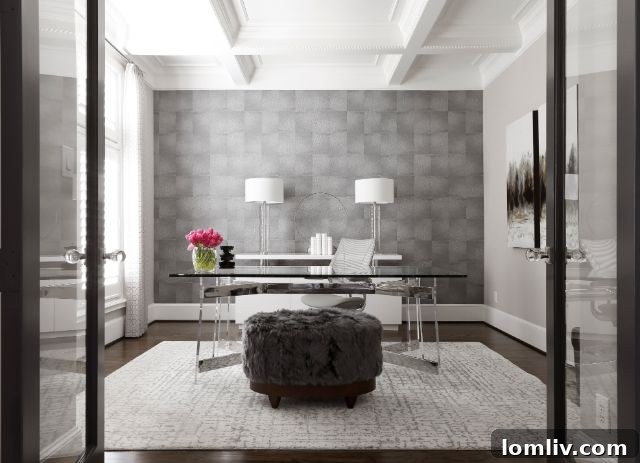
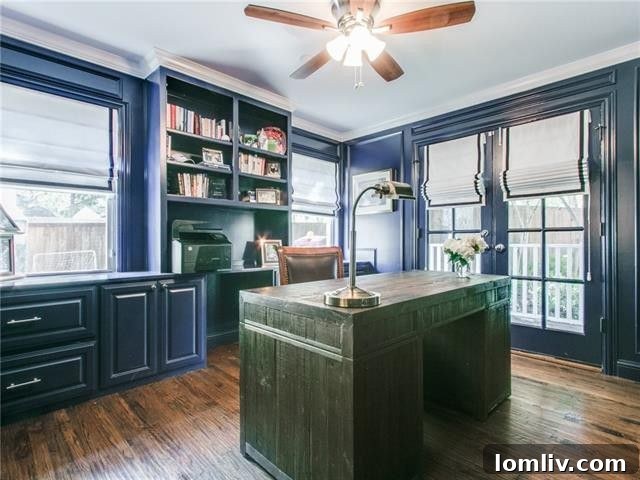
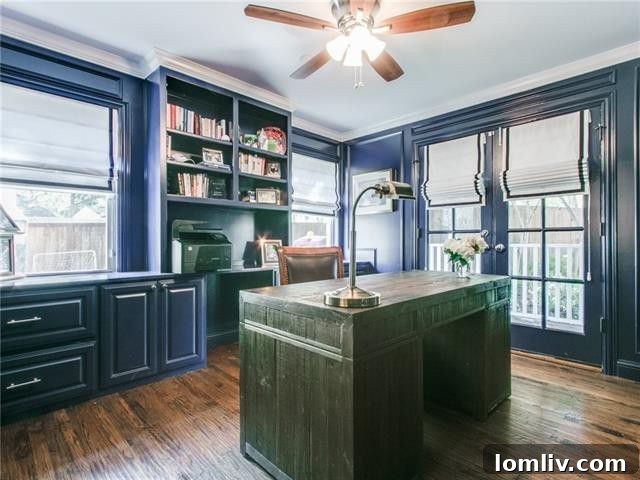
Given this profound shift in work culture, the critical question arises: how will residential design evolve to accommodate these new demands? As we learned vividly when the pandemic took root, the casual “pretty desk room” often situated off the foyer, once deemed sufficient for occasional paperwork, is no longer adequate for sustained, productive remote work. Similarly, small, shared “his-and-hers” desks crammed into a corner have quickly proven impractical for the rigors of full-time or near full-time remote employment. The need for a truly functional and dedicated home office has become a top priority for homeowners and prospective buyers alike.
Many individuals have already made significant investments to optimize their home working environments. This includes upgrading internet infrastructure, procuring ergonomic furniture, and even acquiring professional-grade broadcast equipment and lighting to enhance daily video conferences and virtual presentations. The quality of one’s virtual presence has become almost as important as their in-person demeanor. Homeowners fortunate enough to have sufficient space are creatively repurposing extra bedrooms, formal dining rooms, finished basements, attics, or even detached guest houses into sophisticated, fully-equipped home offices. This adaptation isn’t just about finding a desk; it’s about creating a personal professional sanctuary that fosters focus and productivity.
The implications for real estate are profound. What were once considered luxury amenities are fast becoming standard expectations. Home buyers are now meticulously evaluating properties not just on the number of bedrooms or bathrooms, but on their potential to seamlessly integrate dedicated workspaces. Factors like natural light, soundproofing, reliable internet connectivity, and the privacy of a separate office entrance are increasingly influencing purchasing decisions. For families where multiple members work or study remotely, the demand for more than one dedicated workspace is also on the rise, pushing the boundaries of traditional floor plans.
This enduring shift towards hybrid work models necessitates a fresh perspective from real estate professionals, builders, and designers. Understanding what truly constitutes a valuable home office space in today’s market is paramount. It’s no longer about a generic nook; it’s about intelligent design that supports long hours of work, high-quality virtual interactions, and minimizes distractions. Custom-built desks, integrated storage solutions, ambient lighting, and even small kitchenettes within a larger office suite are becoming desirable features. The ability of a home to offer a versatile, adaptable, and genuinely productive work environment is a significant selling point.
So, we ask the experts, the agents on the front lines, and the designers shaping our living spaces: what are you observing in the field? What specific features, layouts, and technologies are buyers actively seeking in home office spaces NOW? Because, as this comprehensive JLL study powerfully underscores, the transformation in how and where we work is not a fleeting trend, but a fundamental and enduring change that is fully upon us, reshaping both our professional lives and our residential landscapes.