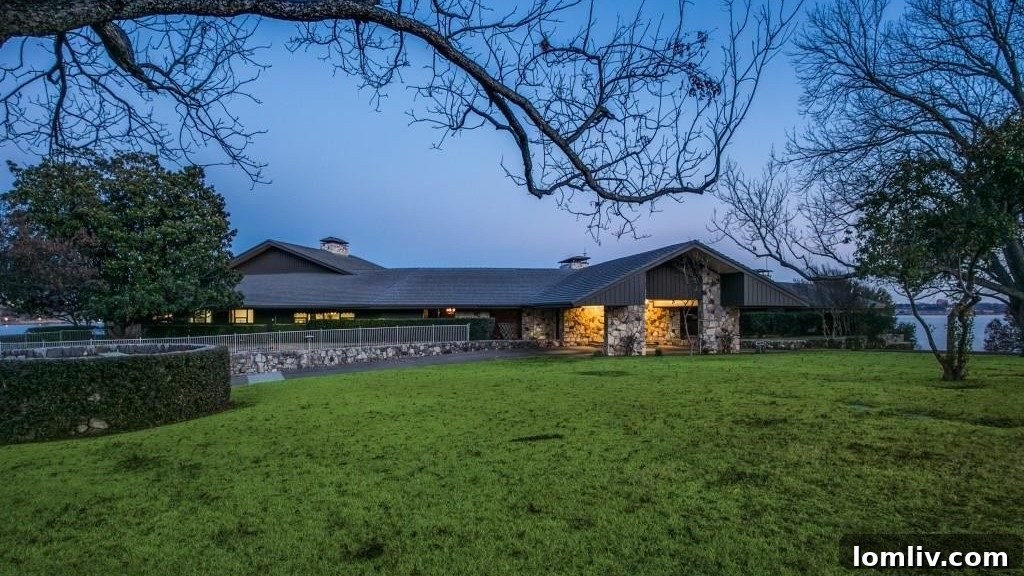
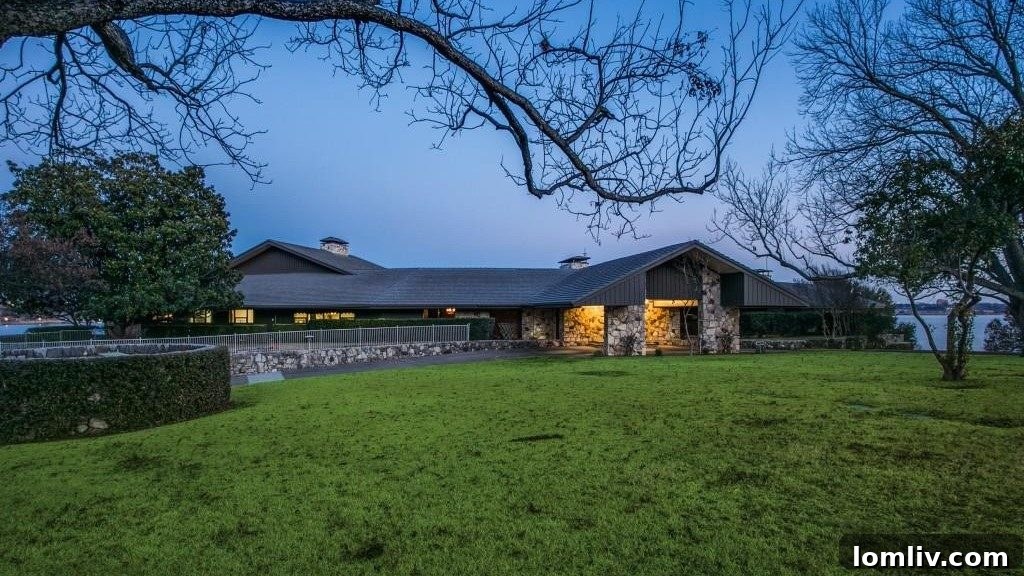
The recent news of the iconic Dal-Tile House, a true mid-century modern masterpiece located at 4606 Chapel Hill overlooking White Rock Lake, being demolished sent ripples of sorrow and frustration through the Dallas architectural preservation community. For many, it felt like a collective gasp, a heavy sigh that resonates with the sound of Queen’s “Another One Bites the Dust,” played in mournful resignation. This isn’t just the loss of a building; it represents a profound architectural, historical, and cultural tragedy that, alarmingly, is becoming far too common in our vibrant city.
The demolition of the Dal-Tile House, also known as the Brittingham House, marks another somber chapter in the ongoing struggle to protect Dallas’s unique architectural heritage. This striking residence, built in 1967 for the visionary founder of Dal-Tile, embodied the very essence of sophisticated mid-century design. Its destruction is a stark reminder of the escalating pressures from new development and a critical re-evaluation of our values concerning historical properties.
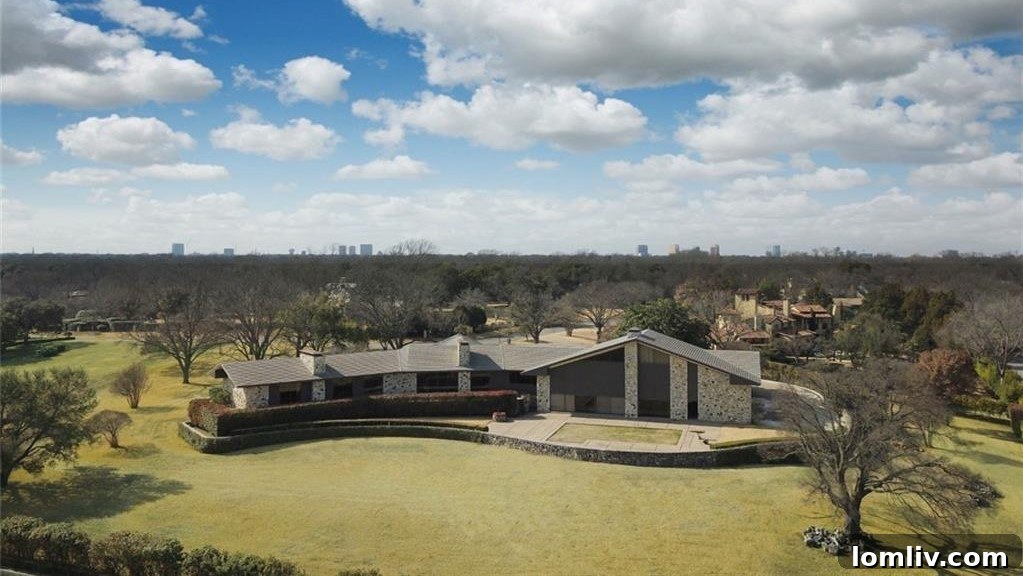
To gain deeper insight into this disheartening trend, we reached out to David Preziosi, the esteemed Executive Director of Preservation Dallas. His comments underscore the gravity of the situation, resonating with the sentiments of countless residents who champion the city’s unique character.
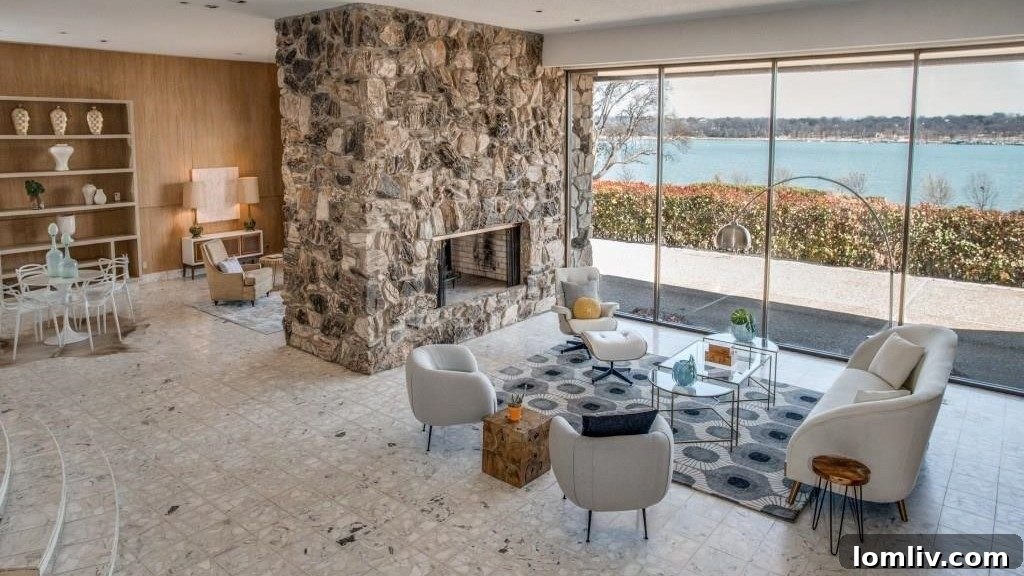
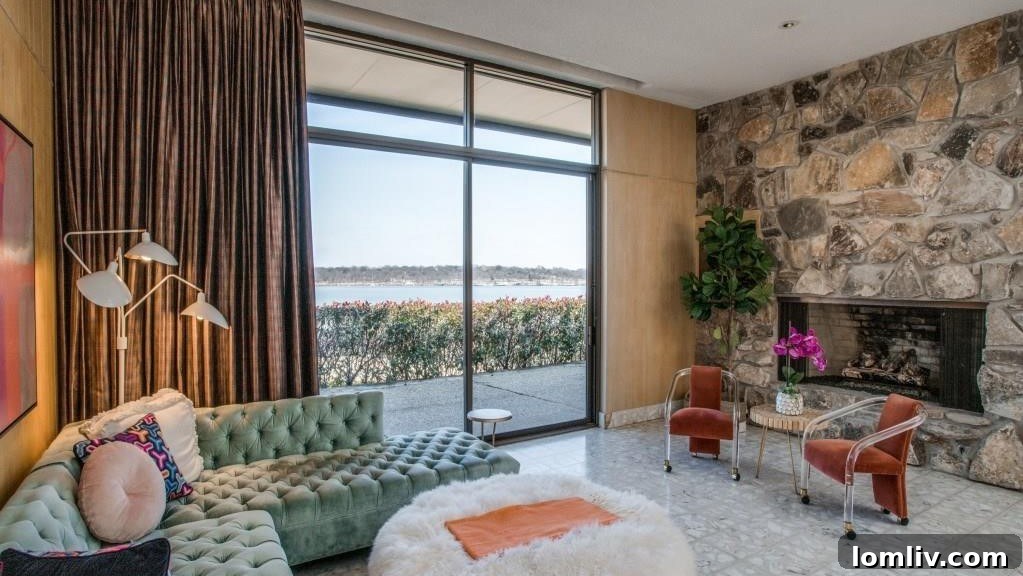
Dallas has lost too many wonderful historic houses to new development and another one recently fell victim. Preservation Dallas is deeply saddened by the loss of the Brittingham House built in 1967 for the founder of Dal-Tile. Its large multi-parcel lot overlooking White Rock Lake was too good to pass up for new development. The remarkable 12,000 square foot home was leveled after earlier being subdivided and a portion sold off for a new house now under construction. Even though it was built late in the mid-century period, it was an amazing house with characteristics of that time with a low-slung form hugging the land and an interior with large rooms of expansive glass for views of the lake. And of course, it had the most exquisite tile, being the house that Dal-Tile built!
Preziosi’s statement highlights several critical issues. The sheer size and prime location of the lot, particularly its stunning views of White Rock Lake, made it an irresistible target for developers seeking to maximize profit. The strategic subdivision of the property, paving the way for the construction of a new, likely larger residence, underscores a prevalent development pattern that often disregards existing architectural gems. This approach, driven by market demand for new construction and maximizing land utility, frequently prioritizes short-term gain over long-term cultural and historical value. The Brittingham House, despite its relatively later mid-century construction date, possessed all the hallmarks of the era: a harmonious integration with its landscape, expansive living spaces, and an undeniable connection to its natural surroundings. And, as Preziosi perfectly captures, its exquisite tilework – a testament to its founder – was a signature feature, making its loss even more poignant.
So, why does this cycle of demolition and redevelopment persist with such alarming frequency in Dallas? Is it a pervasive belief that “bigger and newer” unequivocally equates to “better”? Is it fueled by a relentless desire for instant gratification – “I want what I want, when I want it, and where I want it” – irrespective of its environmental or cultural cost? Or does it stem from a more troubling indifference, an attitude of “I just don’t give a damn”? While these factors undoubtedly play a role, we prefer to believe that a significant contributing factor is simply a lack of education and awareness regarding the intrinsic value of historic properties and the irreplaceable heritage they represent.
Dallas, a city known for its expansive growth and entrepreneurial spirit, boasts numerous areas suitable for constructing grand, contemporary homes. The deliberate destruction of a property as historically significant, widely admired, and deeply loved as the Dal-Tile House is not only unnecessary but also a profound misallocation of resources and a significant cultural setback. It speaks to a fundamental disconnect between perceived value and inherent worth.
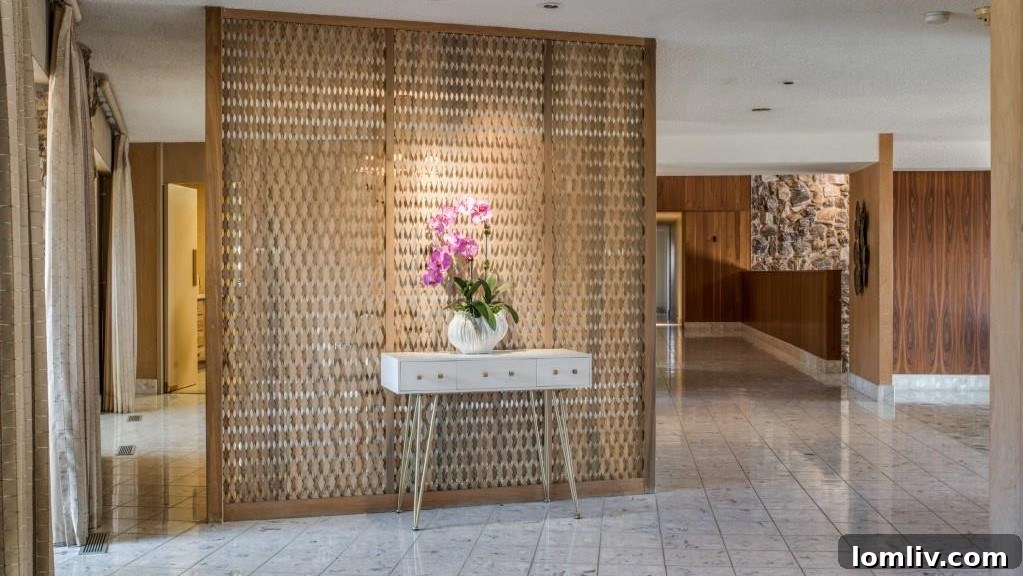
The Dal-Tile House was not merely an old building; it was a vibrant, living testament to a bygone era of design and craftsmanship. Many who had the privilege of experiencing its interior firsthand shared a universal sentiment of awe. As one Daltxrealestate reader eloquently put it:
“I have been inside this fabulous property, and I can tell you, with the exception of perhaps the kitchen and de-popcorning the ceiling, there is very little I would change about it.”
‑Daltxrealestate reader
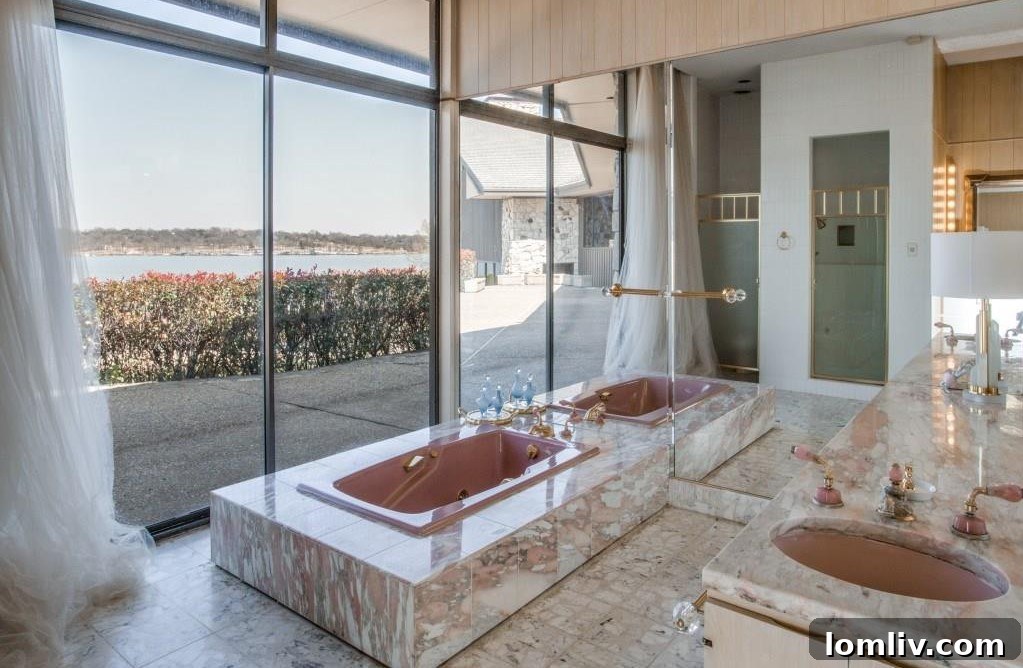
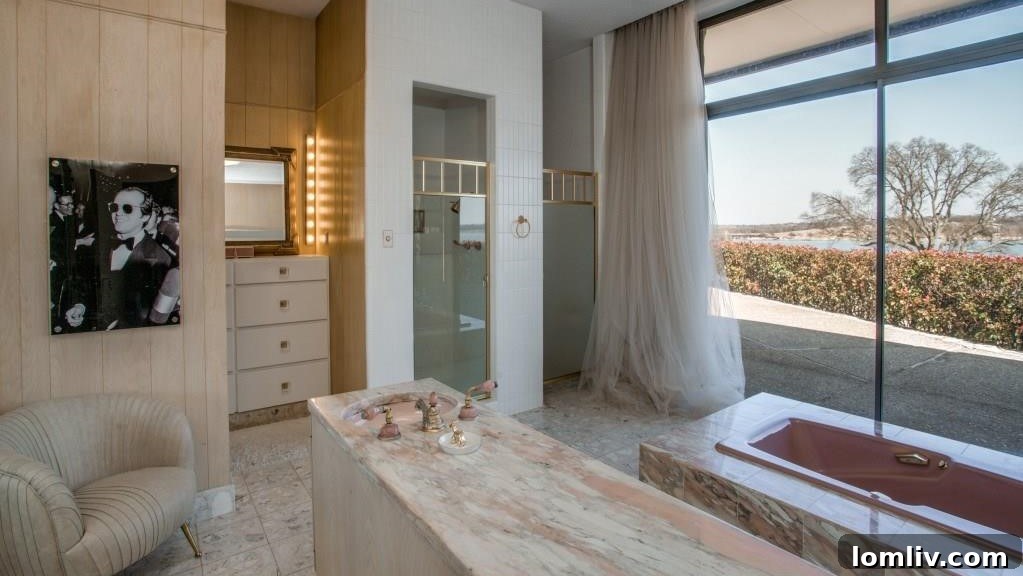
This sentiment was widely echoed during an event held at this architectural beauty in 2018. Nearly every attendee experienced that proverbial jaw-drop upon entering. It was an absolute mid-century-style masterpiece, celebrated for its stunning views of White Rock Lake, its unique design, and particularly, a two-story rock fireplace that many had never seen replicated in such grandeur. Far from being a dilapidated structure requiring extensive overhaul, this home, with the exception of perhaps needing an updated kitchen and bathroom (though even the iconic pink bathroom held a certain charm and fan base), was remarkably move-in ready. It possessed an enduring quality and character that modern homes often struggle to achieve.
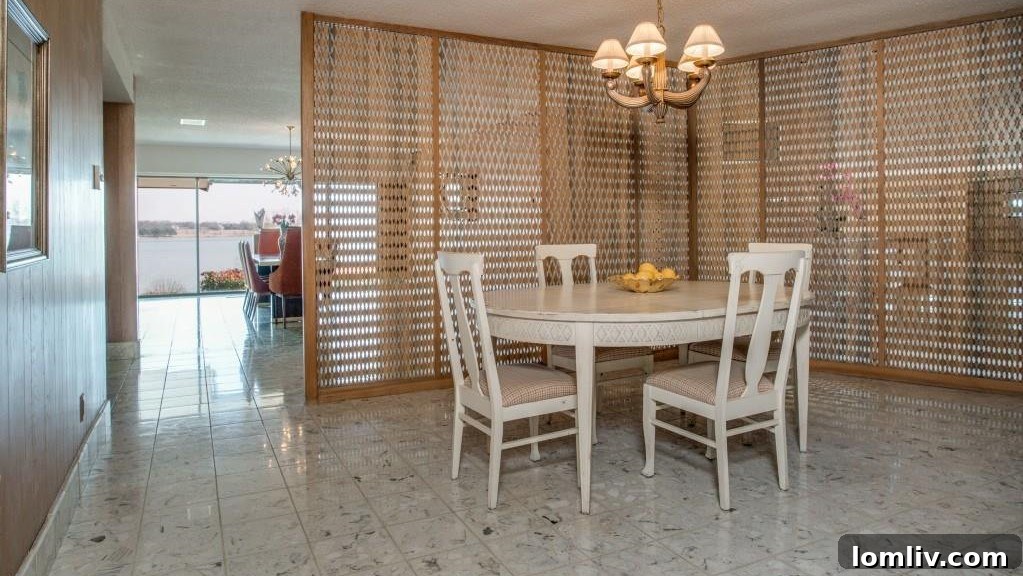
David Preziosi further emphasizes the core issue: a societal tendency to view buildings as disposable rather than as valuable, recyclable assets. This perspective is startlingly contradictory given our modern emphasis on sustainability and recycling in other areas of life.
Many people can’t see what once was and cannot imagine the possibilities of what could be. People see things as disposable, and it’s unfortunate. We recycle paper and cardboard and cans, and yet we don’t recycle buildings and homes.
It’s a shame.
— David Preziosi
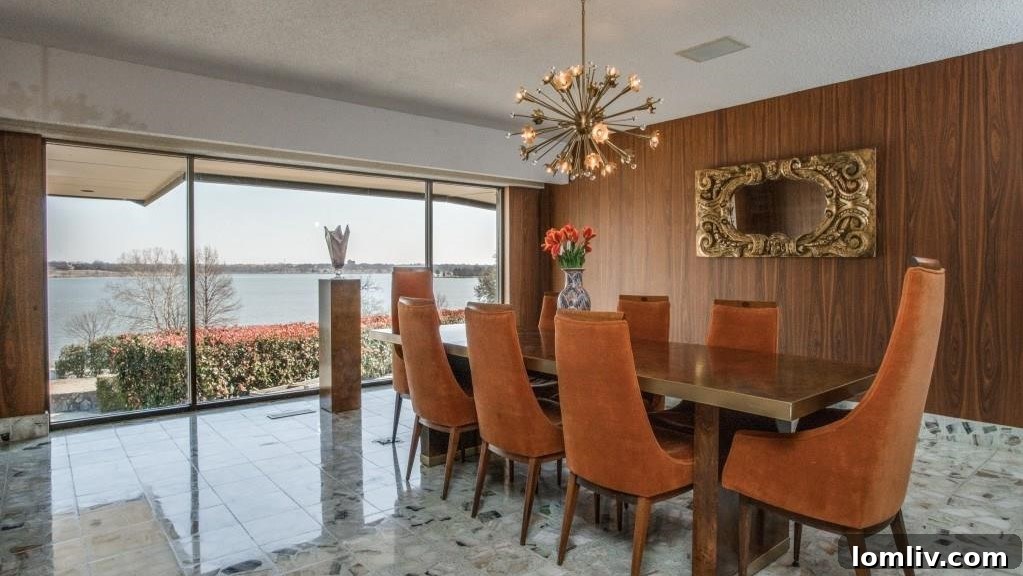
Indeed, the concept of “recycling” buildings, through renovation and adaptive reuse, is a cornerstone of sustainable development. It reduces waste, conserves embodied energy, and preserves the unique character of a neighborhood. The photos of the Dal-Tile House themselves serve as a compelling argument against its demolition. Its clean lines, expansive windows, and connection to nature are precisely what architects and builders strive to create in brand new constructions today. The Mid-Century Modern style is not merely a historical relic; it’s a perpetually sought-after aesthetic, constantly mimicked and reinterpreted in contemporary design. Yet, crucially, what can never be replicated is the original quality of materials and the unparalleled craftsmanship of that era. The robust construction, the unique finishes, the meticulous details – these elements are incredibly difficult, if not impossible, to achieve with modern construction methods and budgets. This raises the fundamental question: when a structure embodies such timeless design, enduring quality, and historical significance, why would we ever choose to tear it down?
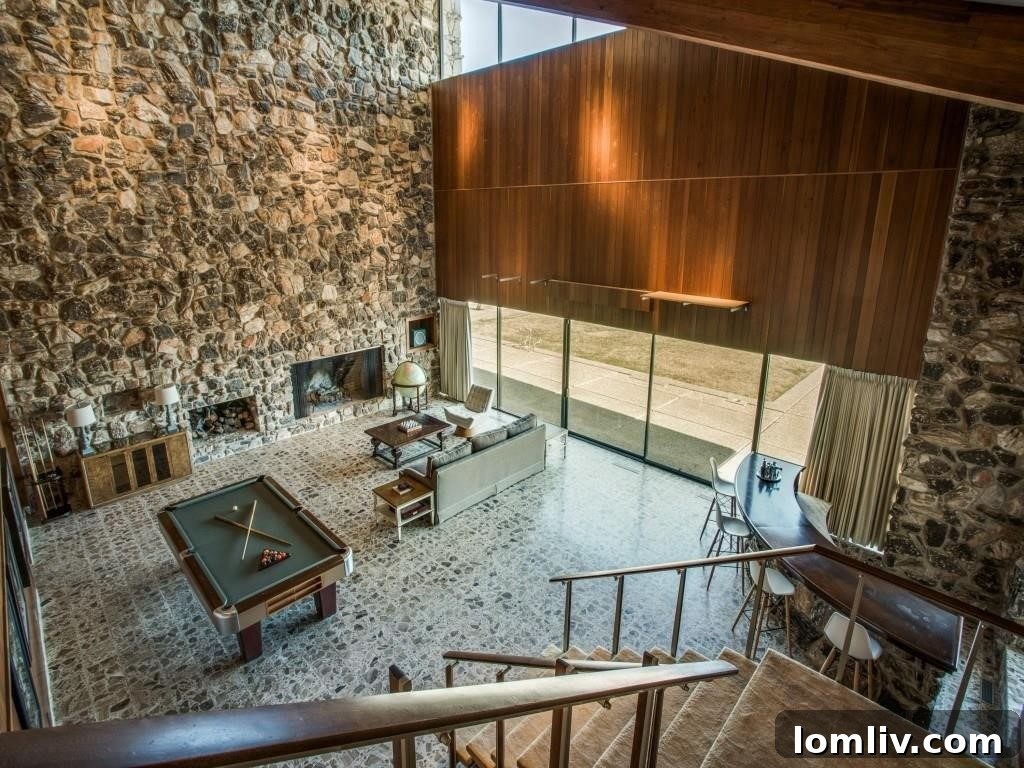
Despite the tireless efforts of organizations like Preservation Dallas and platforms like Daltxrealestate.com to educate and enlighten, a widespread understanding and appreciation for historic properties still seems elusive for many. This isn’t just about preserving old buildings; it’s about safeguarding the very soul of our city. Consider the allure of European cities, which draw millions of tourists annually. A significant part of that enchantment lies in their architecture – the ancient cathedrals, the charming cobblestone streets, and the centuries-old buildings that tell stories of generations past. We inherently long for that connection with history, for the timeless beauty of ageless structures that are integral to the cultural fabric of any city. In such places, buildings are seldom torn down and replaced without an exceptionally compelling reason, often involving extensive public discourse and regulatory hurdles. They are viewed as irreplaceable assets, not disposable commodities.
As Dallas continues its rapid expansion, the decisions made today about our built environment will profoundly shape the city for future generations. The loss of the Dal-Tile House is more than just the end of a single home; it’s a stark reminder of the fragile balance between progress and preservation. While we extend our best wishes to the new owners of the subdivided lot, we cannot help but wish they had taken the time to truly familiarize themselves with why this was an iconic property. We wish they had appreciated the Dal-Tile House not just for its physical structure, but for what it represented: a symbol of architectural excellence, a piece of Dallas history, and a testament to an era of design that continues to inspire. More importantly, we wish they had recognized its immense potential for what it could continue to be, and for the invaluable cultural significance it held for our vibrant city.
Ultimately, this tragic event serves as a crucial call to action for all stakeholders in Dallas’s real estate landscape. If you are fortunate enough to acquire a historic property, consider yourself not just an owner, but a steward. Embrace the responsibility to protect and preserve not only an iconic home, but also a vital thread in the rich tapestry of our collective history. By doing so, we can ensure that Dallas’s unique architectural legacy endures, enriching the lives of current and future residents, and standing as a testament to a city that values its past as much as it embraces its future.