

Embarking on a journey as a real estate investor demands not just vision and a keen eye for opportunity, but also immense courage and unwavering grit. Transforming an initial idea into a thriving enterprise that reliably covers expenses, generates wealth, and secures your financial future is a commendable feat. Yet, a shared challenge frequently confronts many ambitious property investors and small business owners in the real estate sector: while they excel at identifying lucrative deals, adeptly managing rental properties, or flawlessly overseeing complex renovations, their grasp of the intricate financial landscape often lags. It’s a common misconception that small businesses falter due to a lack of talent or passion from their owners. More often, the root cause lies in the absence of a robust, well-structured financial system to underpin their operations.
The transition from a mere side hustle to a full-fledged, sustainable real estate business necessitates a fundamental shift in perspective, particularly concerning financial management. A quick glance at your bank balance on your phone, while momentarily reassuring, provides only a superficial snapshot of your company’s true financial health. This isolated figure fails to account for critical upcoming expenditures: a substantial tax bill looming three months away, a vendor invoice due next week, an unexpected repair bill for a rental property, essential marketing costs for new listings, or the persistent rhythm of mortgage payments on investment properties. To truly operate a business with efficiency and foresight, the paradigm must evolve from reactive spending—where you simply react to bills as they arrive—to a proactive financial management strategy, where every dollar has a purpose and every expense is anticipated and planned for.
Mastering financial management is the bedrock of long-term success in real estate. It’s about building a resilient operation capable of weathering market fluctuations, capitalizing on growth opportunities, and ultimately delivering the financial freedom and stability you envisioned. By addressing common financial pitfalls head-on, real estate investors can transform their passion into a powerhouse business, ensuring sustained profitability and peace of mind.
The Peril of Blurring Lines: Mixing Personal and Business Finances
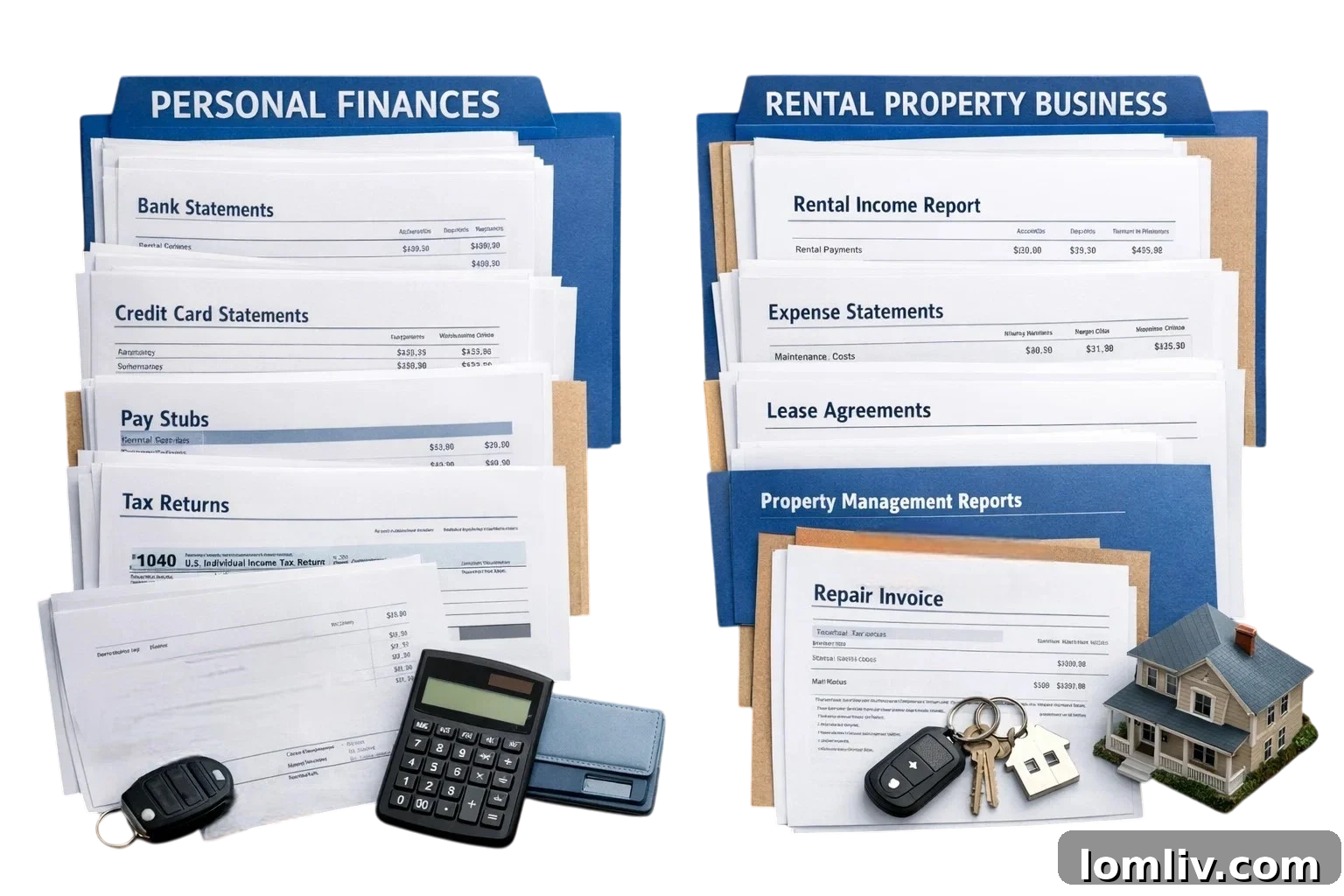
One of the most prevalent and insidious traps that ensnare small businesses, particularly within the dynamic world of real estate, is the dangerous blurring of boundaries between personal and business finances. When a single bank account serves as the conduit for both grocery runs and property maintenance supplies, financial clarity rapidly deteriorates. This commingling makes it virtually impossible to ascertain the genuine financial health and performance of your real estate ventures. Without a clear distinction, tracking profitability becomes a guessing game, expense categorization for tax purposes turns into a nightmarish chore, and the overall financial picture remains perpetually hazy. This lack of transparency inevitably leads to unintentional overspending, unwarranted stress, and significant complications when crucial dates like tax season (April 15th) inevitably arrive. This challenge is especially pronounced for real estate professionals—agents managing commissions, landlords collecting rent payments, or property investors receiving reimbursements—who often deal with multiple income streams that can easily intertwine if not meticulously separated.
The imperative solution is unequivocal: you must establish a complete and absolute separation between your personal and business finances. This means opening dedicated business checking and savings accounts exclusively for your real estate operations. This simple yet powerful step allows business owners to clearly and precisely track every dollar earned and spent by the business, providing an accurate representation of its financial viability and profitability. Beyond mere convenience, establishing this financial boundary offers crucial protection. It shields your personal assets from business liabilities, a critical consideration for legal and tax purposes, and ensures that your company operates as an independent financial entity. Furthermore, a clean separation simplifies audits, streamlines loan applications, and presents a professional image to partners, lenders, and investors, all of whom value financial transparency and discipline. Embracing this fundamental principle is not just good practice; it’s a cornerstone for building a scalable, legally sound, and financially resilient real estate business.
Embracing Efficiency: Leveraging Digital Tools for Financial Organization
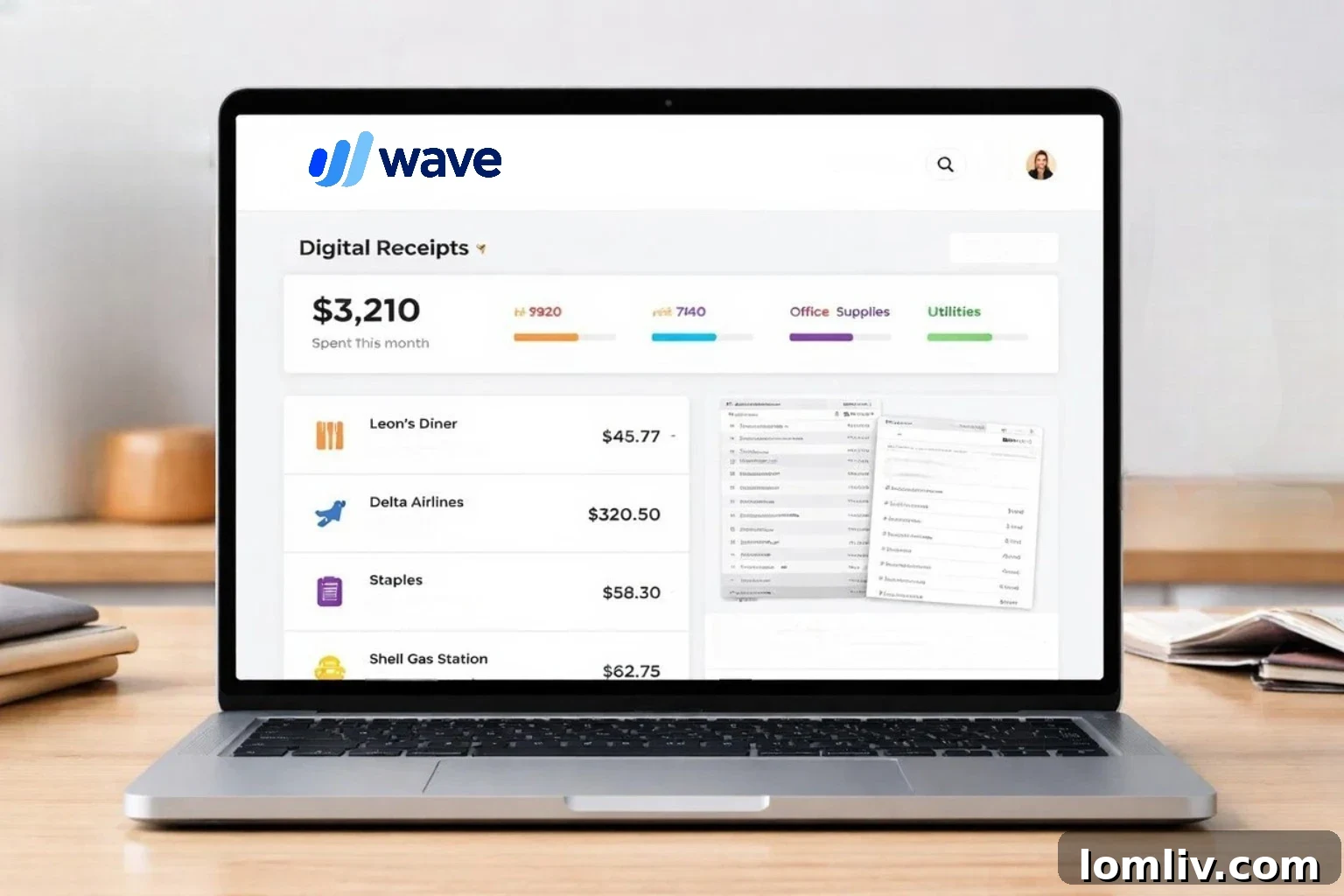
The traditional image of a small business owner wading through piles of crumpled receipts and disorganized paperwork at year-end, desperately attempting to reconcile transactions, is unfortunately still a common reality for many. This outdated approach doesn’t just lead to overwhelming frustration; it frequently results in missed tax deductions, overlooked financial insights, and a profound waste of valuable time that could be better spent on growth initiatives. In today’s digitally advanced world, there is absolutely no compelling reason to manage your complex real estate finances solely on paper.
The strategic adoption of the right digital tools for business financial management can fundamentally transform your operations. These powerful platforms are particularly beneficial for real estate businesses, which contend with a diverse array of financial transactions including tracking fluctuating rent payments, calculating agent commissions, monitoring maintenance expenses across multiple properties, and managing closing costs for various deals. Modern accounting software and specialized property management solutions provide a centralized, secure repository for all financial records, meticulously categorizing expenses and income as they occur. This real-time organization vastly simplifies record-keeping, ensuring accuracy and accessibility.
For real estate enterprises, organized digital records offer a wealth of advantages. They make it significantly easier to conduct detailed performance reviews for individual properties, analyze agent commission structures, and scrutinize transaction expenses to identify areas for optimization. Beyond mere organization, digital systems provide immediate access to real-time financial data. Profit and loss statements can be generated and reviewed at any moment, offering instant clarity on your business’s fiscal standing. Tracking late-paying clients becomes an effortless task, eliminating the need to sift through cluttered inboxes or paper ledgers. Most crucially, by automating data entry and streamlining financial processes, digital tools liberate countless hours. This invaluable time can then be redirected towards strategic activities that truly matter: networking, scouting new investment opportunities, enhancing tenant relations, and ultimately, driving the sustained growth and expansion of your real estate business. Embracing digital financial management is not just about staying organized; it’s about empowering smarter decisions and fostering a more efficient, profitable operation.
Demystifying Cash Flow: The Lifeblood of Your Real Estate Business
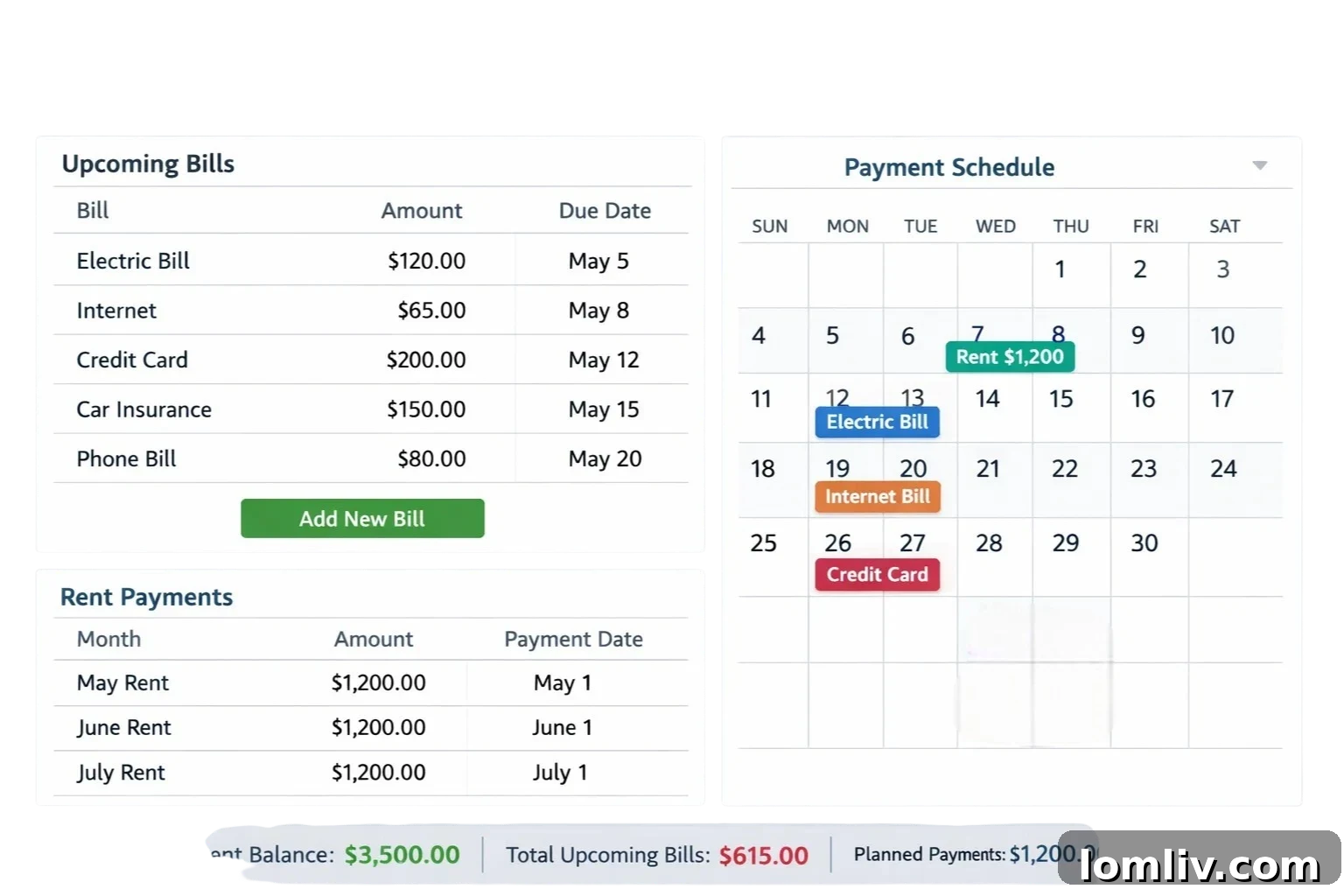
Many aspiring real estate entrepreneurs often conflate profit with cash flow, a misunderstanding that can lead to severe financial distress. While a business might appear highly profitable on paper—perhaps you’ve had a banner month signing multiple new listings, closing several high-value deals, or successfully filling numerous vacant rental units—if the actual cash isn’t readily available in your bank account to cover immediate obligations, your business faces an imminent crisis. This distinction is paramount: profit reflects the difference between revenue and expenses over a period, while cash flow tracks the actual movement of money in and out of your business.
The majority of businesses encounter financial turbulence because they fail to accurately account for the critical timing mismatch between cash inflows and outflows. Consider the typical real estate scenario: you might front the costs for supplies and labor for a renovation, cover staging expenses, make several mortgage payments, pay insurance premiums, or settle property taxes today, but the income from these investments—whether it’s a commission from a sale or collected rent—might not materialize in your account until weeks or even months later. This lag creates a “cash crunch,” even for a highly profitable business.
Note
To effectively mitigate this common issue and ensure the sustained solvency of your real estate operation, you absolutely need a proactive cash flow forecast. This isn’t a complex financial instrument; rather, it’s a straightforward, forward-looking projection that maps out when money is expected to enter and leave your business over a specific period, typically 3 to 6 months. By meticulously looking ahead, you gain the invaluable ability to anticipate and spot potential slow periods or significant expenditure spikes well before they become actual problems.
With a clear cash flow forecast in hand, you are empowered to make informed, strategic decisions. For instance, you might decide to prudently delay a non-essential large equipment purchase during an anticipated lean month, or conversely, intensify your collection efforts for outstanding rent or commissions to bolster your immediate cash reserves. This proactive management ensures you always have sufficient liquidity to cover operational expenses, seize emerging investment opportunities, and maintain the seamless functioning of your real estate business without unnecessary stress or financial bottlenecks. Understanding and managing cash flow is not just about avoiding trouble; it’s about optimizing your financial agility and building a robust foundation for consistent growth.
Strategic Tax Planning: A Non-Negotiable for Real Estate Investors
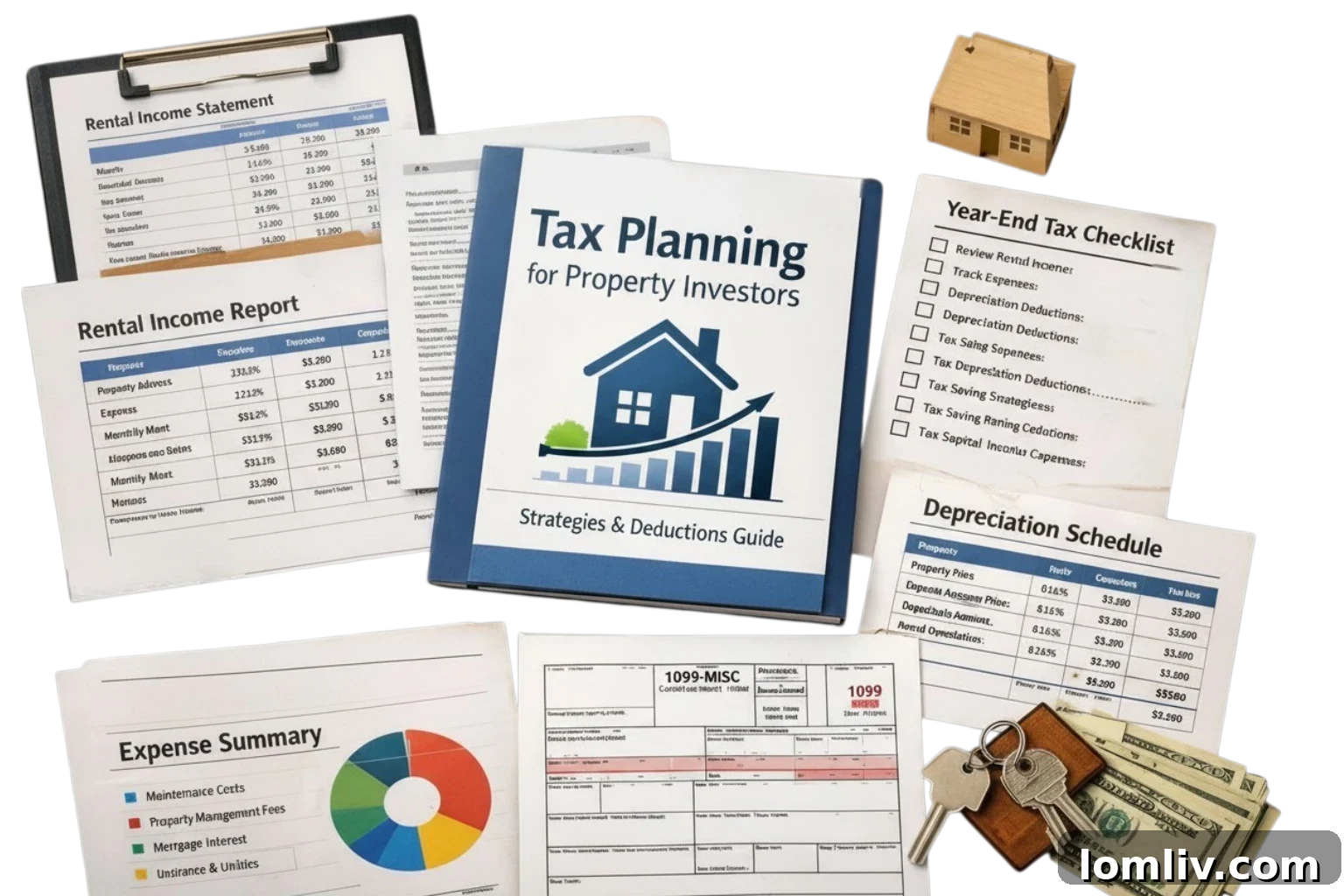
For savvy real estate investors, tax season should never be a source of surprise or panic. Yet, year after year, countless small business owners find themselves blindsided by a hefty tax bill they utterly failed to anticipate or save for. This shock often stems from a fundamental difference in financial responsibility: as an employee, taxes are automatically deducted from your paycheck before you even see the money. As the owner of a real estate business or an independent investor, however, the entire onus of calculating, collecting, and remitting taxes falls squarely on your shoulders. If every dollar that hits your business account is immediately spent, you are, in essence, spending money that rightfully belongs to the tax authorities.
The gold standard practice for effective tax planning is to implement a systematic savings approach: set aside a predetermined percentage of every single payment you receive into a separate, dedicated tax savings account. While the exact percentage can vary based on your income level, business structure, and local tax laws, a common recommendation for self-employed individuals and small businesses is to allocate between 25% to 35% of your gross income. This disciplined approach ensures that you are consistently building a reserve, preparing you well in advance for when quarterly estimated taxes or the annual tax bill comes due. It is infinitely less stressful and far more manageable to save a modest amount gradually over time than to suddenly scramble to find several thousands or tens of thousands of dollars all at once.
This proactive tax strategy is particularly critical in the real estate sector, where income streams can be highly uneven and diverse. Real estate income might fluctuate significantly through lump-sum commissions from property sales, consistent but varied rental income from long-term leases, dynamic earnings from short-term rental bookings, or profits from property flips. Beyond income tax, real estate owners must also meticulously prepare for a range of other tax obligations, including self-employment taxes (which cover Social Security and Medicare), property taxes (often a substantial annual expense), capital gains considerations when selling appreciated assets, and the complexities of depreciation-related reporting and deductions. Consulting with a qualified tax professional specializing in real estate can provide invaluable guidance, helping you navigate these intricate regulations, maximize legitimate deductions, and ensure full compliance, ultimately safeguarding your investment and fostering long-term financial health.
Confronting Reality: Why Avoiding Your Financial Numbers is a Recipe for Disaster

Perhaps the most insidious and widespread cause of financial problems for small business owners, including real estate investors, is a simple, yet profoundly damaging, act of avoidance. It’s a common human tendency to experience anxiety or apprehension when confronted with financial spreadsheets, balance sheets, or profit and loss statements. The fear that the news might be unfavorable—that profits are lower than expected, or expenses higher—often leads to a detrimental habit: simply not looking at all. This “head in the sand” approach, while offering temporary psychological comfort, only serves to exacerbate existing problems, allowing minor issues to metastasize into significant crises. Financial challenges, unlike some other business woes, do not dissipate merely because they are ignored; in fact, they only grow more complex, more difficult to resolve, and ultimately, far more expensive to rectify.
Note
To break this destructive cycle and foster a healthy relationship with your business finances, establish a non-negotiable weekly money check-in. Dedicate a focused 30 to 60 minutes every Friday, or another chosen day, to methodically review your bank accounts, send out any pending invoices, settle outstanding bills, meticulously track rent collections, scrutinize vacancy costs across your portfolio, and monitor repair and maintenance spending for each property. This consistent routine transforms financial review from a dreaded annual ordeal into a manageable and integral part of your weekly business operations.
When you commit to routinely examining your finances, the intimidating power that numbers once held over you begins to wane. They transition from symbols of anxiety into invaluable tools within your strategic toolkit. You start to discern patterns and trends, enabling you to catch errors or inefficiencies early, before they escalate. More importantly, this consistent engagement cultivates an unparalleled sense of control and confidence over your business that was previously unattainable. Regular financial reviews empower you to make proactive, data-driven decisions, optimizing cash flow, identifying growth opportunities, and steering your real estate business with precision and foresight. It’s not just about knowing your numbers; it’s about mastering them to drive sustainable success.
The Foundation for Growth: Building a Financially Robust Real Estate Business

Effective financial management transcends the mere act of staying out of debt or avoiding tax penalties; it is, at its core, about deliberately cultivating a real estate business that possesses inherent, undeniable value. Whether your long-term aspirations involve securing advantageous loans for new acquisitions, attracting discerning investors to fuel expansion, purchasing additional properties to diversify your portfolio, refinancing existing assets under more favorable terms, or eventually selling your company for a significant profit, the foundational requirement remains the same: impeccably clean, transparent, and meticulously organized financial records. You’re not merely tracking pennies and dimes; you are diligently building a compelling track record of financial success and operational excellence, a narrative that speaks volumes to potential stakeholders.
By proactively implementing robust financial systems and adhering to the best practices outlined above, you are essentially providing your real estate business with the necessary oxygen and fertile ground it needs to not just survive, but to truly thrive and expand. This strategic shift moves your operation away from speculative guesswork and transforms you into a confident, authoritative owner who steers the business with unwavering precision and control. The journey towards financial clarity and mastery requires discipline, and admittedly, it might feel somewhat tedious or overwhelming at the outset. However, the unparalleled freedom, reduced stress, and heightened sense of empowerment that accompany a clear understanding of your financial landscape are profoundly worthwhile for any dedicated small real estate business owner. It’s an investment in your business’s future, ensuring its resilience, scalability, and ultimate profitability in a competitive market.