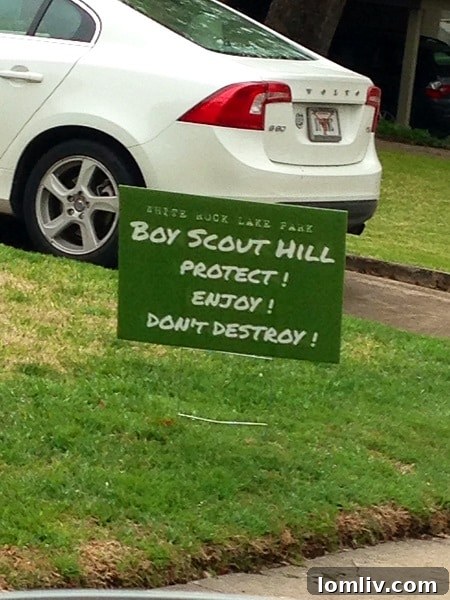
Preserving Our Heritage: The Fight for Boy Scout Hill and Against the Transwestern Deal
In many communities, certain landmarks transcend mere geography to become symbols of shared history, natural beauty, and collective memory. For our community, that landmark is unequivocally Boy Scout Hill. This cherished expanse of green space has long served as a vibrant hub for outdoor activities, a sanctuary for local wildlife, and a quiet retreat for residents seeking solace in nature. Its rolling slopes and mature trees have witnessed generations of laughter, learning, and local traditions, making it an invaluable part of our shared heritage. However, the tranquility surrounding this beloved site has been significantly disrupted by the emergence of a proposed large-scale development project, famously known as the Transwestern Deal.
This contentious proposal threatens to irrevocably alter the character of Boy Scout Hill and its surrounding neighborhoods, sparking an unprecedented wave of community activism. What began as whispers of potential development quickly escalated into a full-fledged movement, uniting concerned citizens, environmental advocates, and local historians under a common banner: to protect Boy Scout Hill from what many view as an ill-conceived and destructive project. The struggle against the Transwestern Deal is more than just a debate over land use; it is a profound testament to the power of community voice and a critical fight for the preservation of green spaces in an increasingly urbanized world. This article delves deep into the heart of this dispute, exploring the historical significance of Boy Scout Hill, the specifics of the Transwestern Deal, and the unwavering dedication of a community determined to safeguard its legacy for future generations.
The Enduring Legacy of Boy Scout Hill
Boy Scout Hill is far more than just open land; it is a living monument to our community’s past and a vital component of its present identity. For decades, it has served as an unofficial town square for nature lovers, a sprawling classroom for environmental education, and a picturesque backdrop for countless family memories. Its historical roots run deep, with local lore often recounting its pivotal role in early community development and its long-standing connection to youth organizations, particularly the Boy Scouts, from which it derives its name. The hill’s diverse ecosystem supports a variety of local flora and fauna, contributing significantly to the regional biodiversity and providing invaluable ecological services, such as air purification and stormwater management.
Generations of residents have explored its trails, picnicked on its slopes, and witnessed breathtaking sunsets from its vantage points. It represents a rare and increasingly precious parcel of undeveloped land within our growing metropolitan area, offering respite from urban bustle and a tangible connection to the natural world. Children learn to ride bikes, scout troops engage in outdoor skills training, and individuals find peace amidst its serene landscapes. Losing Boy Scout Hill would mean losing a piece of our collective soul, a irreplaceable green lung, and a vital community asset that cannot simply be recreated elsewhere. The emotional attachment and historical significance underscore why its preservation is not merely a preference, but a profound necessity for the community’s well-being and future.
Understanding the Transwestern Deal: A Threat to Local Character
The proposed Transwestern Deal represents a significant departure from the community’s vision for Boy Scout Hill. While specific details of such a large-scale development can vary, typical proposals often involve the construction of extensive residential complexes, commercial spaces, or a mix of both. In this particular instance, the Transwestern Deal has been described as a comprehensive plan that would transform a substantial portion of Boy Scout Hill into a dense urban environment, fundamentally altering its natural landscape and ecological balance. Proponents of the deal often highlight potential benefits such as increased housing supply, economic growth through job creation, and an expanded tax base for the city. They argue that development is an inevitable part of urban evolution and that strategic projects can contribute positively to a city’s vibrancy and modernization.
However, these potential benefits are often overshadowed by the significant drawbacks and concerns raised by the local community. The Transwestern Deal, as perceived by its opposition, would lead to irreversible environmental damage, including the destruction of natural habitats and the loss of mature trees. It promises to exacerbate traffic congestion on already strained local roads, placing immense pressure on existing infrastructure such as schools, sanitation, and emergency services. Furthermore, many fear that the sheer scale of the development would irrevocably change the aesthetic and social fabric of the surrounding neighborhoods, eroding the very charm and quality of life that attracted residents to the area in the first place. The conflict, therefore, is not just about development versus preservation, but about what kind of future the community envisions for itself and how it balances growth with the protection of cherished natural and historical assets.
A United Front: Community Mobilization Against the Deal
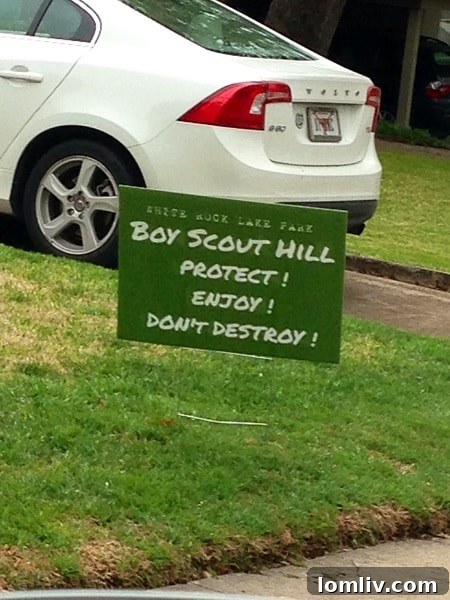
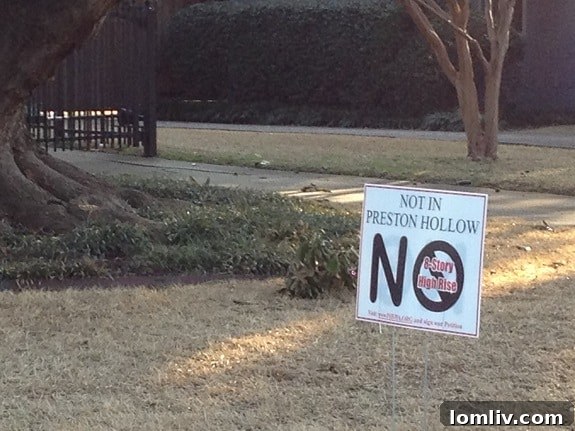
The announcement and subsequent progression of the Transwestern Deal galvanized an immediate and robust response from the community. What started as individual concerns quickly coalesced into a powerful grassroots movement, demonstrating the profound collective resolve of residents. Numerous local groups and organizations, many formed specifically in response to this threat, emerged to coordinate efforts and amplify their voices. Websites were launched, social media campaigns initiated, and a torrent of information shared to educate neighbors about the potential impacts of the development. Public meetings, town halls, and community forums became regular occurrences, drawing hundreds of concerned citizens eager to learn, strategize, and express their opposition.
The heart of this mobilization lies in the passionate advocacy of ordinary citizens who transformed into diligent activists. Petitions garnered thousands of signatures, reflecting widespread community dissent. Volunteers meticulously researched zoning laws, environmental impact statements, and urban planning precedents, arming themselves with facts and figures to challenge the developer’s proposals. Residents devoted countless hours to writing letters to local officials, making phone calls, and attending city council meetings, often speaking eloquently and passionately about the intrinsic value of Boy Scout Hill. This sustained and organized activism underscores a fundamental principle: when a community feels its core values and quality of life are under threat, it will rise to defend them with remarkable tenacity and unity. The sheer volume and consistency of this public engagement have made it impossible for decision-makers to ignore the widespread sentiment against the Transwestern Deal.
Key Arguments for Preservation and Against Development
The opposition to the Transwestern Deal is multifaceted, rooted in a combination of environmental, social, economic, and historical concerns. At the forefront are **environmental considerations**. Critics argue that developing Boy Scout Hill would lead to significant habitat destruction, threatening local wildlife populations and reducing biodiversity. The loss of a major green space also impacts the area’s natural drainage, potentially increasing runoff and flood risks in surrounding areas. Furthermore, the removal of numerous trees would diminish the natural carbon sequestration capabilities of the land, contributing to air quality concerns.
From a **quality of life perspective**, residents voice serious concerns about increased traffic congestion, noise pollution, and strain on public services. The influx of new residents without corresponding infrastructure upgrades could lead to overcrowded schools, longer commute times, and reduced access to essential amenities. The existing infrastructure, designed for a different era, is simply not equipped to handle such a substantial increase in population density. There are also significant worries about the **erosion of community character**; the proposed development is often seen as out of scale and inconsistent with the aesthetic and social fabric of the existing neighborhoods. It threatens to replace quaint, open spaces with generic, dense construction.
**Historical preservation** is another powerful argument. Boy Scout Hill is not just undeveloped land; it’s a site steeped in local history and tradition. Developing it would mean severing ties to a past that defines the community. Economically, while developers promise growth, residents fear a potential decrease in existing property values due to increased density, traffic, and loss of green views. The long-term costs of managing increased urban sprawl and diminished environmental health often outweigh short-term economic gains. Ultimately, these arguments collectively paint a picture of a community fighting not against progress itself, but against development that they perceive as unsustainable, irresponsible, and detrimental to their shared future.
The Path Forward: Advocacy, Alternatives, and Hope
The battle for Boy Scout Hill and against the Transwestern Deal is far from over, representing an ongoing testament to democratic engagement and community resilience. The immediate path forward involves continued and intensified advocacy. Residents and activist groups are committed to maintaining pressure on local government officials, city council members, and planning commissions through petitions, public demonstrations, and active participation in every stage of the planning and approval process. Legal challenges may also be pursued, exploring every avenue to protect the land, including seeking landmark status for the hill or identifying environmental regulations that could prevent or significantly alter the proposed development.
Beyond simply opposing the current plan, the community is also actively exploring and proposing **viable alternatives**. This includes advocating for the acquisition of Boy Scout Hill by the city or a land trust for permanent preservation as a public park or nature preserve, potentially through bond measures or philanthropic efforts. They are also suggesting alternative development sites that might be more appropriate for large-scale projects, or advocating for less dense, more environmentally sensitive development models if any construction is deemed absolutely necessary. These alternatives aim to demonstrate that progress and growth can occur without sacrificing invaluable natural and historical assets.
The struggle for Boy Scout Hill also carries broader implications, serving as a powerful case study for communities worldwide grappling with similar challenges of urban development versus environmental and historical preservation. It highlights the critical importance of robust community planning, transparent decision-making processes, and the unwavering voice of citizens in shaping their urban landscapes. While the outcome remains uncertain, the resolve of the community provides a beacon of hope, demonstrating that through unity, persistence, and a clear vision for the future, ordinary citizens can indeed stand up to powerful interests and fight for the preservation of their cherished heritage. The legacy of Boy Scout Hill is not just in its physical presence, but in the spirit of collective action it has inspired, proving that true progress lies in sustainable choices that honor both the past and the future.