Dallas Leads the Way: Introducing Texas’s First Internationally Certified Passive House
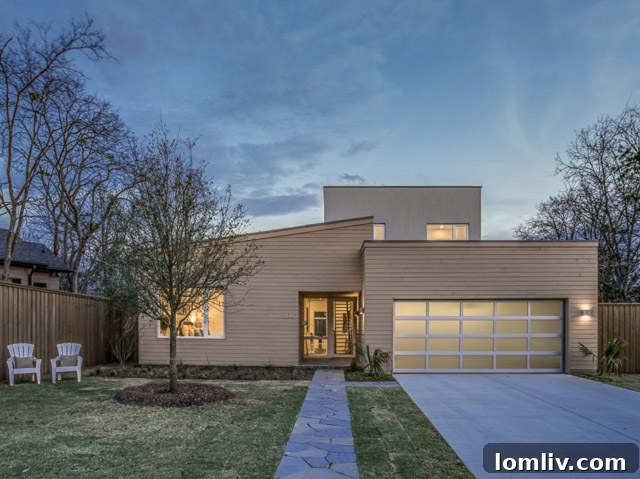
Dallas is proud to claim a significant milestone today, as it becomes home to Texas’s first internationally certified Passive House, now officially on the market. For many, the term “Passive House” might be new, but prepare to be impressed by the inspiring journey of two visionary men dedicated to bringing this revolutionary building standard to the Lone Star State.
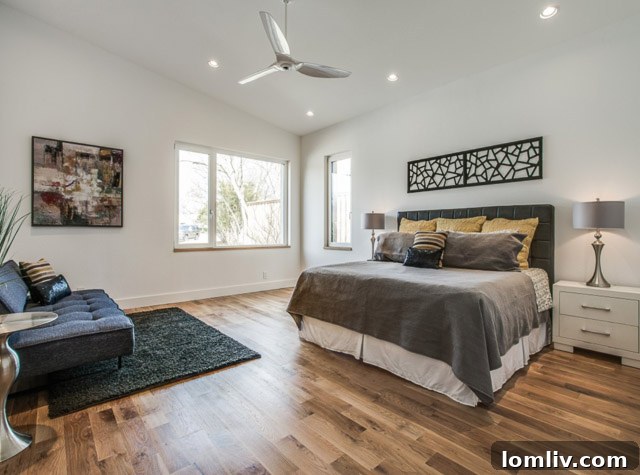
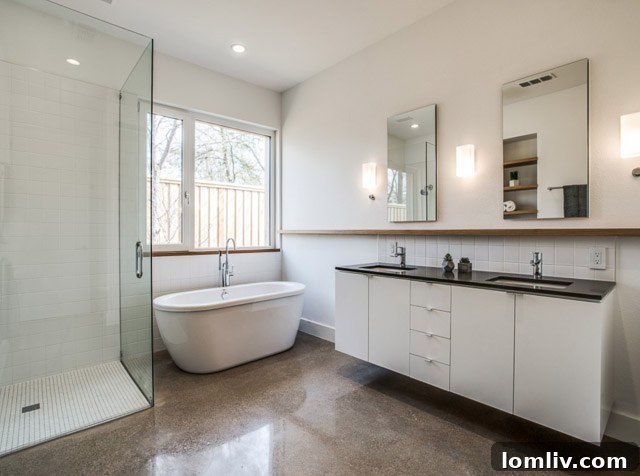
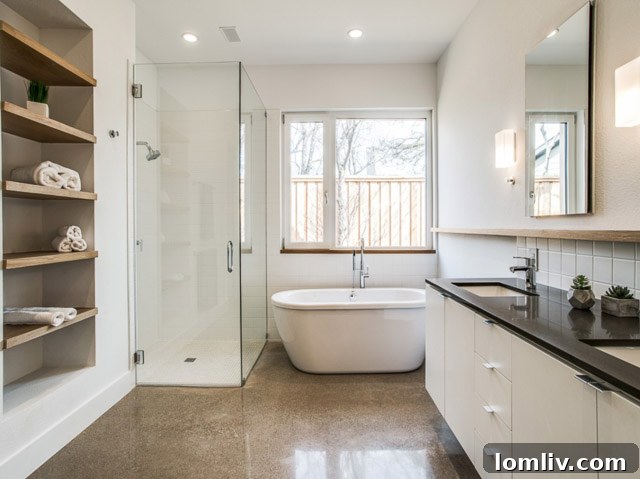
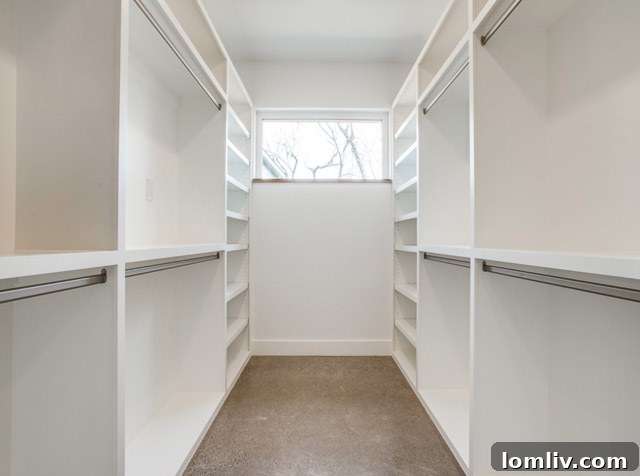
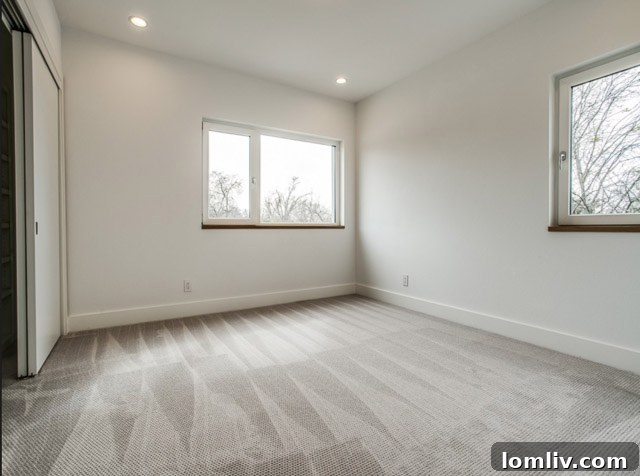
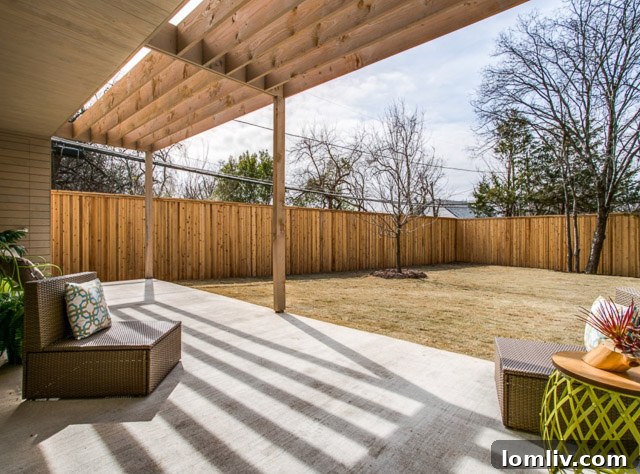
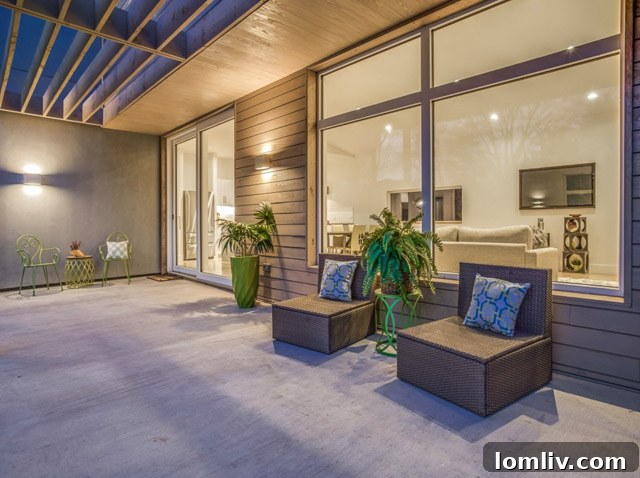
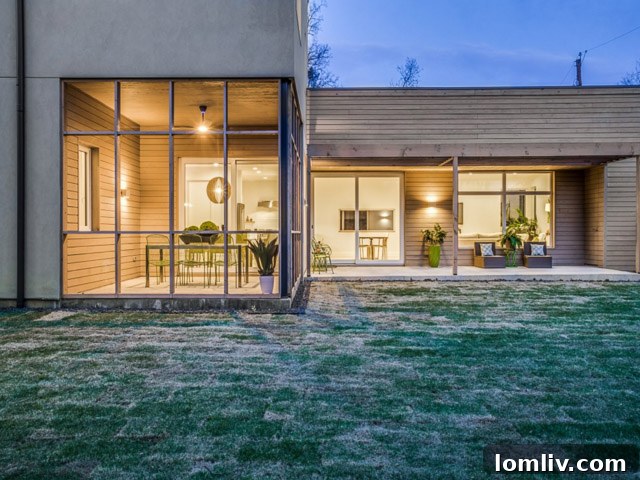
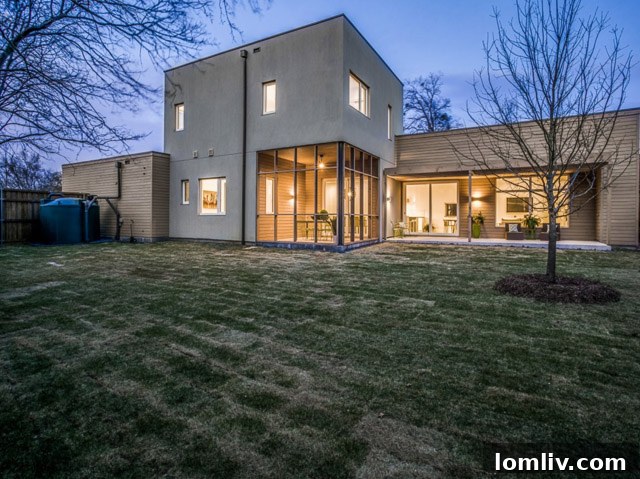
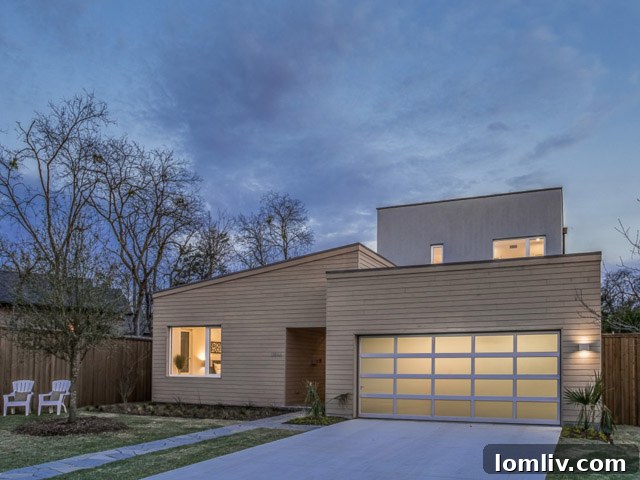
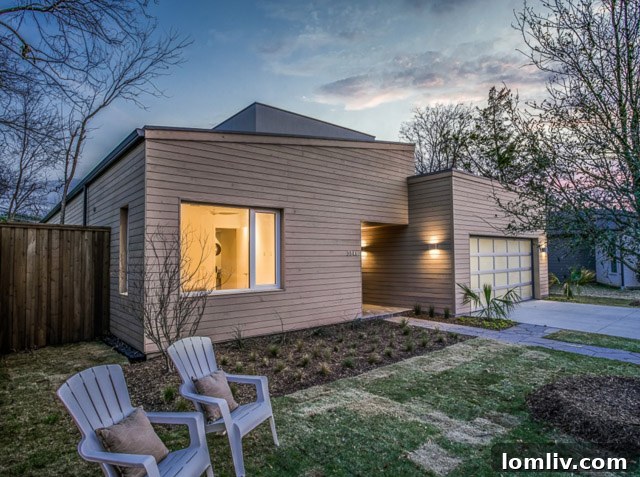
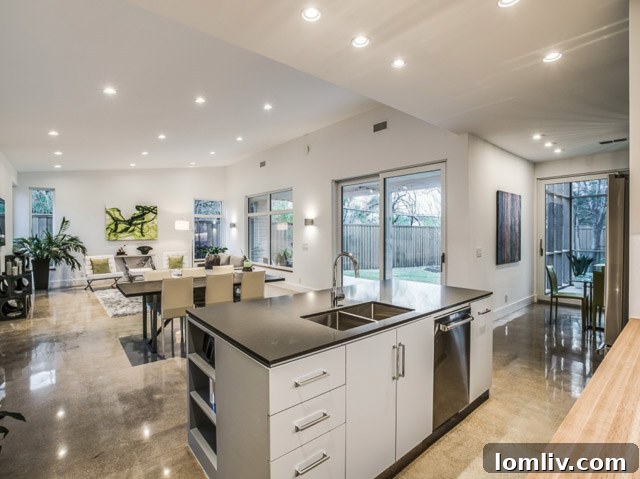
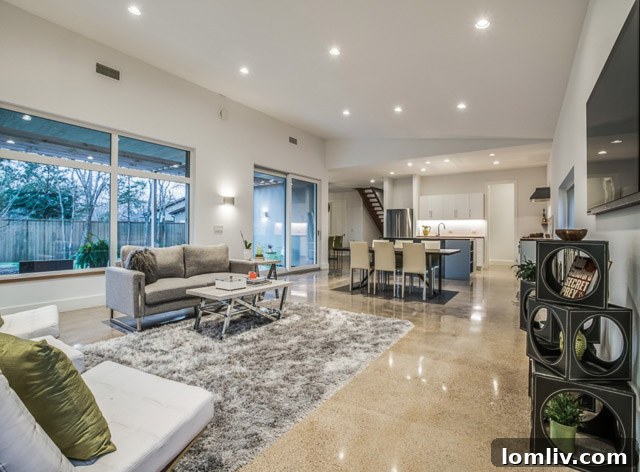
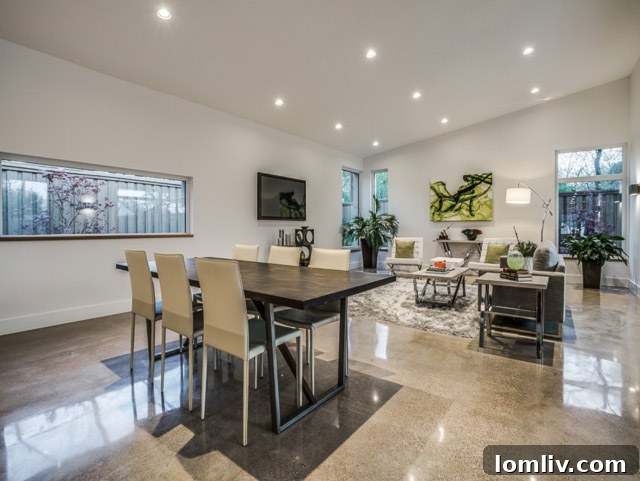
This groundbreaking residence, located in a desirable Northwest Dallas neighborhood at 3846 Lively Circle, encompasses a spacious 3,230 square feet spread across two meticulously designed stories. In the weeks leading up to its highly anticipated sale, the property was a hive of activity: air conditioning consistently set at a comfortable 71 degrees, heating at 69, lights brightly illuminating every corner, appliances running, and a steady stream of people preparing the home. Despite this intensive pre-sale activity, the house delivered an astonishing performance in terms of energy consumption.
Connor Fagin, who co-owns Fagin Partners with his father Kyle Fagin, proudly states that the home’s electricity usage averaged an incredible $1 a day. This remarkable figure represents approximately 90 percent less energy than a comparable structure built using traditional construction methods. It’s a powerful testament to the efficacy and transformative potential of Passive House design, demonstrating unparalleled efficiency right here in Dallas.
Understanding the Passive House Standard: A Commitment to Efficiency and Comfort
The Passive House concept originated in Germany and is recognized globally as the most rigorous voluntary energy efficiency standard for buildings. Its core philosophy is to create structures that consume minimal energy for heating and cooling, achieving unparalleled comfort and exceptional indoor air quality. Connor explains the tangible results: “We’ve got 14-inch thick [exterior] walls, an 18-inch thick roof, and even when we have a sharp temperature change outside, it takes about 24 hours for the heating or cooling system to have to turn on inside.” This inherent stability drastically reduces reliance on active heating and cooling systems, translating into significant energy savings and consistent indoor temperatures year-round.
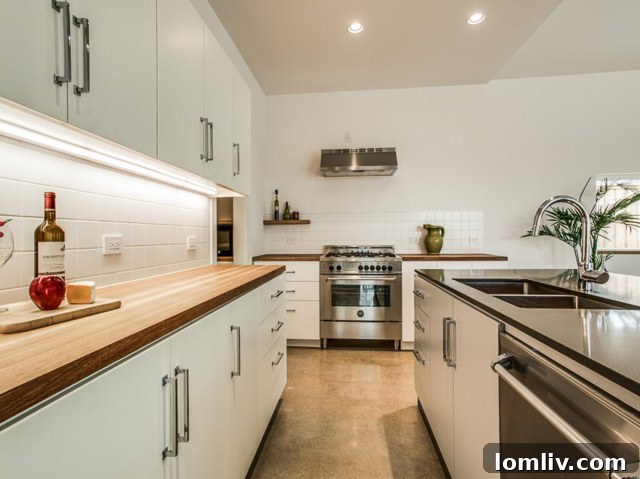
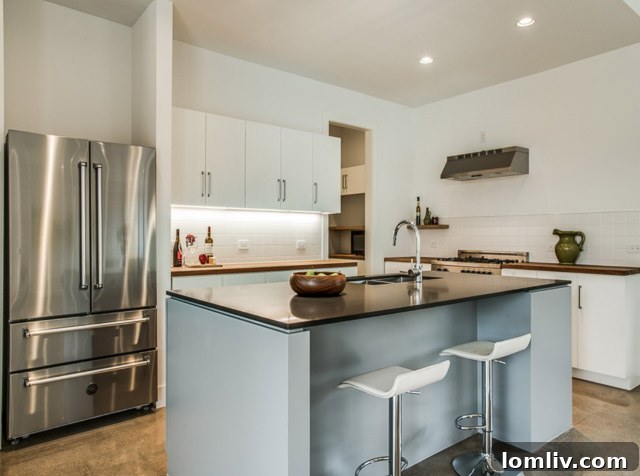
This Dallas Passive House, built as a spec home, seamlessly blends leading-edge materials and sophisticated “green” technology. The result is a dwelling that is not only supremely comfortable and aesthetically beautiful but also performs at an extraordinary level. It’s a home that embodies the future of sustainable living.
Vicki White, the esteemed listing agent with Briggs Freeman Sotheby’s International Realty, perfectly captures the essence of this unique property. “This is a high-quality, well-made house — but it’s just a house if you don’t know anything more than that,” White observes. “But then you find out it’s the best of the best in Texas, something one-of-a-kind, and it creates a whole different level of appreciation.” This appreciation grows exponentially as prospective buyers discover the profound benefits that extend far beyond simply reduced utility bills.
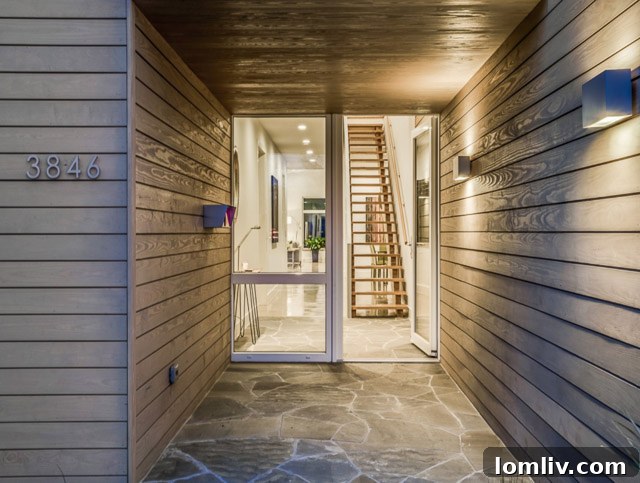
Beyond Savings: A Sanctuary of Health and Comfort
While the astonishingly low energy bills are a compelling draw, they represent just one facet of the Passive House advantage. These homes offer an environment of unparalleled comfort and, perhaps most importantly, exceptionally high indoor air quality. This superior air quality is achieved through the building’s near-perfect airtightness combined with a sophisticated dual-system approach to air management, each operating with its own dedicated ductwork.
Revolutionary Air Quality Management
“The typical home has one system to heat, cool, recirculate, filter, and de-humidify air,” Connor explains, highlighting a common inefficiency. “No single system is designed to do this well.” The Dallas Passive House addresses this limitation with a brilliant, specialized setup:
- Optimized Heating and Cooling System: A dedicated, highly efficient system manages temperature control, ensuring precise and responsive heating and cooling when needed.
- Advanced Air Quality System: This system is the guardian of indoor air purity. It continuously draws in fresh outdoor air, intelligently pre-heats or pre-cools it to minimize energy impact, and then meticulously filters it through a high-performance MERV 13 filter. This process effectively removes airborne impurities such as pollen, dust, allergens, and pollutants, delivering pristine air throughout the home.
An integrated energy recovery ventilator (ERV) works tirelessly within the return vents, extracting stale indoor air and expelling it outside, all while efficiently recovering valuable thermal energy. This constant, controlled exchange of air ensures a continuous supply of fresh, clean, and perfectly conditioned air, creating a healthier living environment that is particularly beneficial for allergy sufferers and those seeking superior respiratory health.
Sustainable Water Management and Smart Home Integration
The commitment to environmental stewardship extends comprehensively throughout the property. The home features a robust water harvesting system designed to collect and store up to 2,500 gallons of rainwater. This valuable resource is then utilized for irrigation, significantly reducing reliance on municipal water supplies.
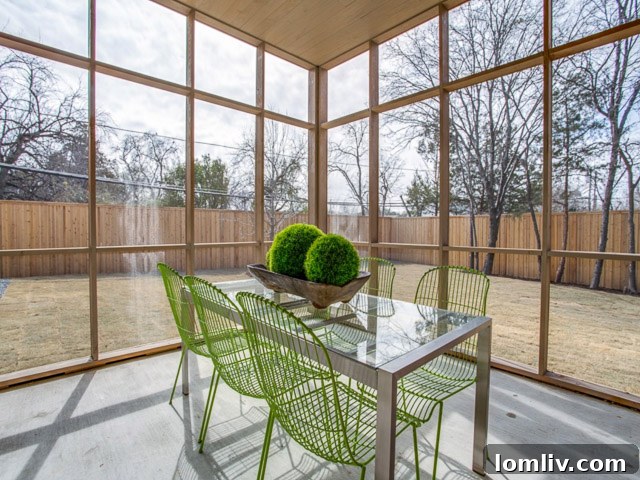
The landscape benefits from an innovative irrigation solution: approximately three miles of buried tubing form a sub-surface soaker system. This method delivers water directly to the plant roots, virtually eliminating water loss due to evaporation—a common problem with traditional watering. Furthermore, it prevents wasteful runoff, which accounts for about 35 percent of water loss in conventional systems. A significant advantage for Dallas homeowners is that using harvested water means no watering restrictions, allowing for a lush, vibrant lawn and garden even during the driest August months.
Adding to its modernity, this Passive House is equipped with comprehensive Smart Home technology, providing homeowners the convenience of controlling nearly every aspect of the residence from a smartphone or tablet. For future expansion and even greater energy independence, the house is thoughtfully pre-wired for solar panels, offering a seamless path towards potential net-zero energy living.
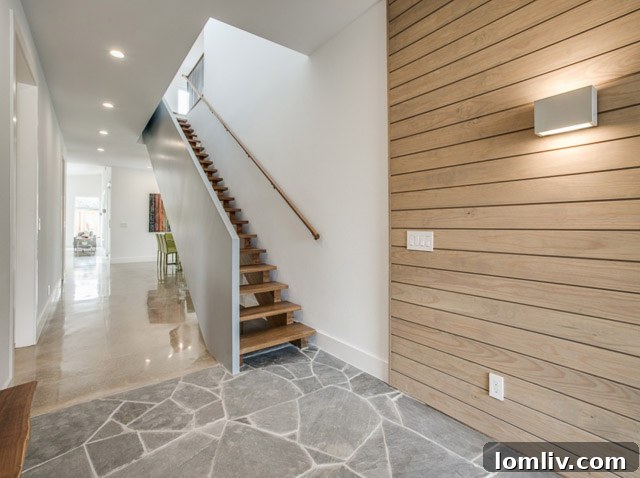
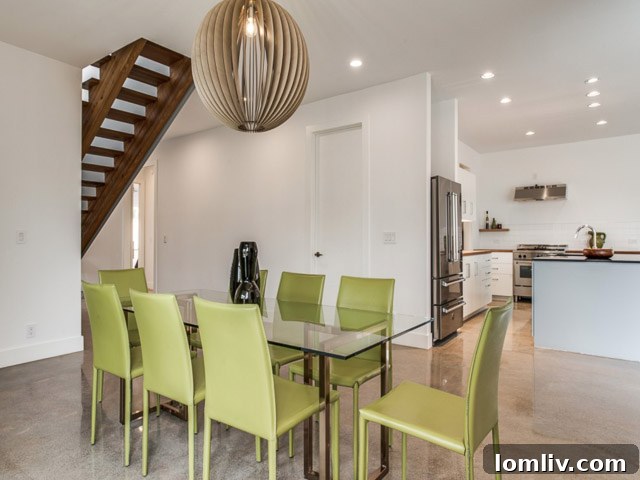
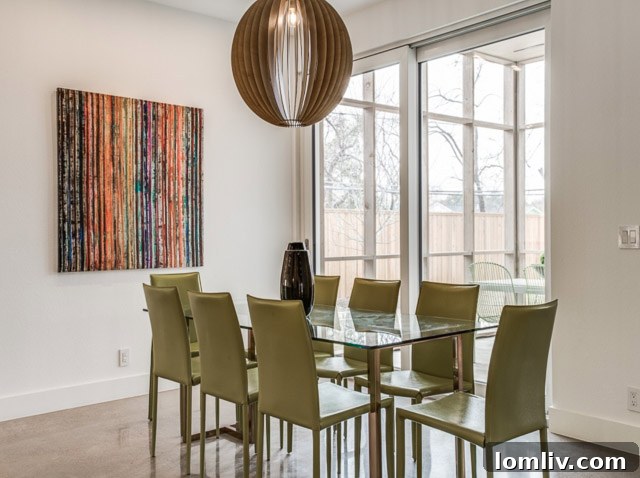
The Visionaries Behind the Project: Fagin Partners and the Future of Green Building
The inspiration for embarking on the challenging yet rewarding journey of building a Passive House began with Kyle Fagin. “We were already building more efficient homes and a friend gave me an article about Passive Houses — I thought, I want to try to do that,” Kyle recalls. His realization was immediate and profound: “You can build a comfortable, healthy house, with really good air quality, low utility bills, and it’s better for the environment.” This potent combination spurred Fagin Partners to wholeheartedly embrace this advanced building methodology.
To ensure adherence to the rigorous international standards, Fagin Partners collaborated with Ryall Sheridan Architects in New York City, a firm renowned for its expertise and certifications in Passive House design. This partnership was crucial, as Passive House is a relatively new and specialized standard in Texas, contrasting sharply with its widespread adoption in Europe.
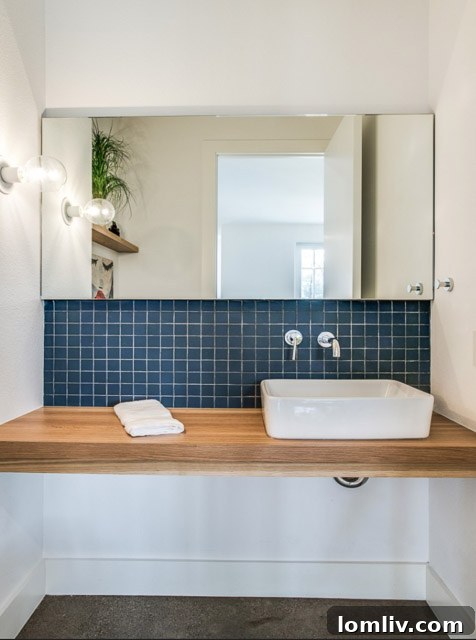
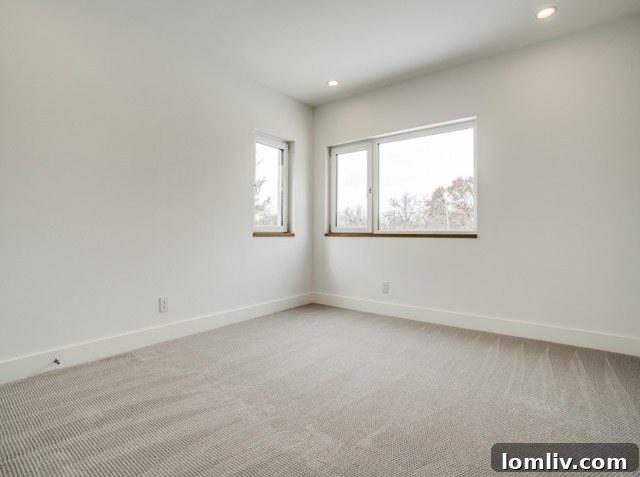
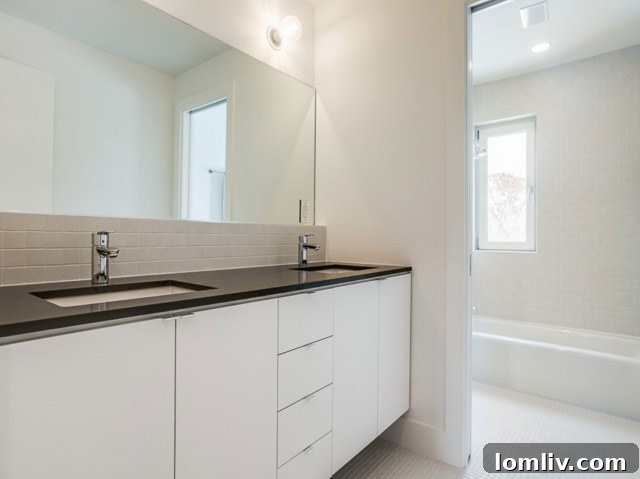
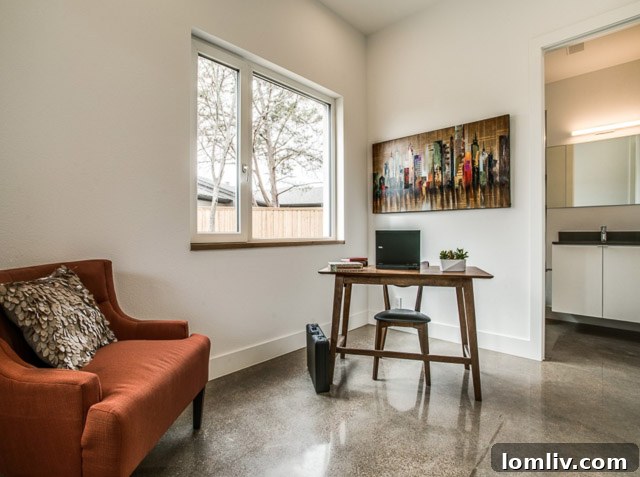
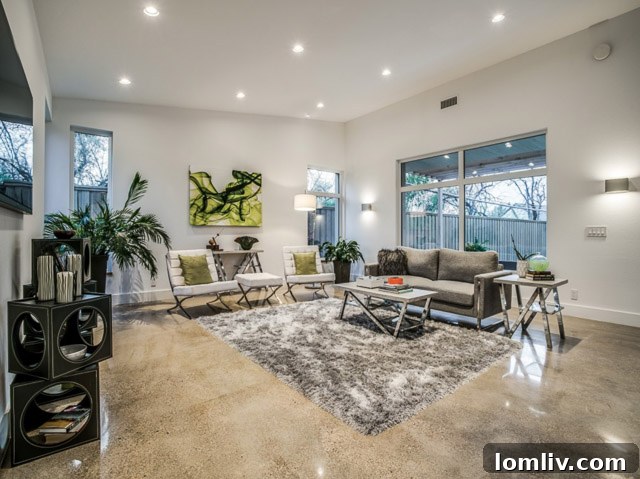
Both Kyle and Connor Fagin share an unwavering passion for Passive House principles. “I think what Connor and I hope is that more people will know about Passive Houses, what they are, that they’re available, and they can have one, too,” Kyle articulates, expressing their commitment to making this superior building standard more accessible and understood. Their dedication is already yielding further projects; Fagin Partners is actively constructing their second Passive House at 4231 Shorecrest Road, near the intersection of Midway Road and Walnut Hill Lane. This upcoming project promises to be even larger than the Lively Circle home, which itself offers generous living spaces with three bedrooms, three full bathrooms, one half bath, and a dedicated office.
A Significant Leap for Environmental Stewardship
The energy consumption of American homes represents a substantial portion of the nation’s carbon footprint, ranking among the top three contributors alongside food production and transportation. The inherent energy efficiency of a Passive House dramatically reduces its ecological footprint, offering a tangible and powerful solution to this critical environmental challenge. By significantly cutting energy demand, these homes play a vital role in mitigating climate change and promoting a greener future.
“This is one thing we can do that will make a huge impact on the environment,” Kyle passionately states. Building to these exacting standards demanded a departure from conventional practices, involving the adoption of new materials and innovative construction techniques. “It’s been a learning curve, but we exceeded our own expectations,” he reflects, underscoring the successful navigation of challenges and the deep satisfaction derived from creating such an impactful home.
Market Interest and Accessibility: The Expanding Appeal of Sustainable Living
The interest in this pioneering property has been robust. Listing agent Vicki White reports that prospective buyers are captivated not only by the home’s stunning aesthetics and intelligent design but particularly by the extraordinary measures taken to achieve its international certification. “They went above and beyond in terms of quality and integrity,” White emphasizes, noting that the superior indoor air quality is a consistently highlighted feature. “We have had so much interest,” she confirms, indicating a growing demand for homes that prioritize occupant well-being and environmental responsibility.
While the initial Dallas Passive House on Lively Circle is positioned within the luxury segment, listed at $1.145 million, Kyle Fagin believes the technology and principles can be applied to a wider market. He suggests that Passive House construction is certainly viable for homes in the $300,000 to $400,000 range. “In the right situation, if a developer bought a bigger piece of land to subdivide, you might be able to get the price down to that range,” he explains. Crucially, the additional cost for achieving Passive House designation is approximately 10 percent over that of building a comparable, non-passive home. This marginal upfront investment is quickly recouped through drastic long-term utility savings and the invaluable benefits of enhanced comfort, health, and environmental peace of mind.
This groundbreaking Dallas Passive House stands as a beacon, illuminating the path forward for residential construction in Texas. It proves unequivocally that luxury, comfort, and environmental responsibility are not mutually exclusive but can be harmoniously integrated into a superior living experience. It is more than just a house; it is a profound statement about intentional living, cutting-edge innovation, and a unwavering commitment to a healthier future for all.
For real estate professionals interested in exploring this transformative property, a special Realtor tour is scheduled for tomorrow, March 27 (time TBD). To obtain further information or to schedule a private viewing, please do not hesitate to contact Vicki White directly.