
By Steve Chambers, AIA
Designing Your Resilient Forever Home in East Texas: Comfort, Safety, and Sustainability
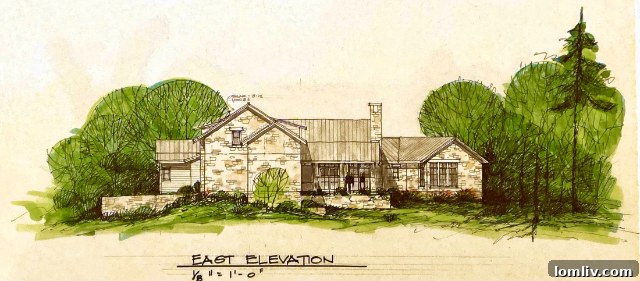
Eighteen months ago, our architectural firm embarked on an inspiring journey with two geophysicists, tasked with designing their ultimate “forever home” in the picturesque landscape of East Texas. This concept, a common aspiration among clients of all ages, encapsulates more than just a dwelling; it represents a sanctuary designed to adapt, endure, and provide unwavering comfort through every stage of life. A true forever home is meticulously crafted to evolve with a family’s changing needs—whether it’s accommodating growth, supporting health as one ages, or providing robust protection against increasingly severe weather patterns and shifts in resource availability. It’s a testament to forward-thinking design, emphasizing cost-efficiency, superior energy conservation, and an unyielding commitment to safety and comfort, ensuring peace of mind for generations.
Embracing Advanced Design for Unmatched Resilience
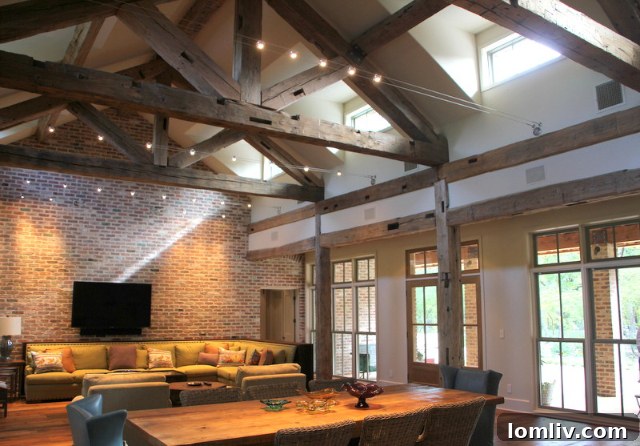
We were incredibly enthusiastic when these clients chose our firm, not just for the opportunity, but because they shared our vision wholeheartedly. They were eager to implement every recommendation we champion for a forever home, and even explore beyond. Their commitment to considering and integrating our best practices and comprehensive options was particularly prescient, especially in light of recent events such as the widely impactful power grid failure that swept across Texas. Such critical infrastructure challenges underscore the absolute necessity of designing homes that are not only beautiful but fundamentally resilient and self-sufficient.
Navigating Texas’s Dynamic Climate: The Imperative for Resilient Homes
Texas is renowned for its vibrant culture and economic vitality, yet it also presents a unique set of climatic challenges that demand thoughtful architectural solutions. Recent weather updates consistently serve as stark reminders of this reality, highlighting the dramatic swings and severe conditions residents often face:
- “Temperatures could be dropping into the single digits and bring the potential for ice and snow across Central Texas…”
- “The Weather Channel is predicting 101 days of over-90 degree temperatures this year…”
- “The weather service has confirmed that three tornados touched down in North Texas, estimated to have had 140 mph maximum winds, consistent with an EF-3 tornado.”
- “The suspected cause of multiple building fires is lightning from overnight storms…”
- “The Texas power grid may be minutes from failing…”
These reports are not mere statistics; they are compelling calls to action for architects and homeowners alike. They underscore our firm’s unwavering commitment to designing homes where safety, comfort, and self-reliance are paramount, irrespective of external conditions. Our goal is to ensure that every client can find refuge and peace of mind within their forever home, even when facing the most extreme weather events.
Post-Disaster Insights: Adapting to a Changing Climate
The experience of a recent “100-year event” in Texas, which saw hundreds of thousands of homes suffering from broken pipes and a near-complete failure of the state’s power grid, served as a powerful catalyst for change. This catastrophic event prompted many of our current and past clients to critically re-evaluate their home’s preparedness. In the weeks following this disaster, our offices were inundated with calls from homeowners eager to either integrate new technologies into existing designs or embark on retrofitting projects to bolster their home’s resilience. This surge in demand solidified our belief that comprehensive, future-proof architectural planning is not a luxury, but a fundamental necessity for any Texas homeowner.
Architectural Solutions for Lasting Comfort, Safety, and Sustainability
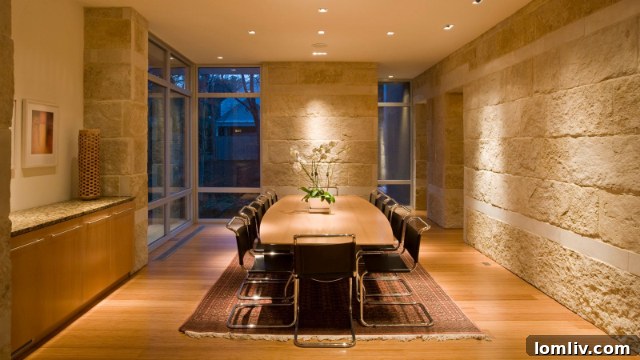
To ensure our geophysicists’ East Texas home truly stands the test of time, embodying the spirit of a forever home, we integrated a wide array of advanced features and best practices. These solutions are designed to provide unparalleled safety, comfort, energy independence, and environmental responsibility, addressing both current and future challenges of living in Texas:
Energy Independence and Thermal Resilience
- Back-up Generator or Generator-Ready Electrical System: A fundamental safeguard against unpredictable power outages. Whether a full generator is installed or the electrical system is pre-wired for future integration, this ensures essential services remain operational, offering critical comfort and safety during grid failures, a recurring concern in Texas.
- Geothermal (Ground Source) Heat Pumps: Harnessing the stable temperatures beneath the earth’s surface, geothermal systems provide highly efficient heating and cooling. This significantly reduces energy consumption and utility bills, offering a robust, eco-friendly alternative to conventional HVAC systems, especially vital in Texas’s extreme heat and occasional cold snaps.
- Foam Insulation: Superior to traditional insulation, spray foam creates an airtight seal, dramatically improving thermal performance. This reduces heat transfer, prevents moisture intrusion, and contributes to a quieter, more comfortable indoor environment, making homes more resilient to both scorching summers and freezing winters.
- Solar Panels and/or Solar Ready Construction: Embracing renewable energy, solar panel installations can significantly offset electricity costs and reduce reliance on the grid. For clients not ready to install panels immediately, “solar-ready” construction ensures the home is designed with appropriate roofing, conduit, and electrical systems for seamless future integration, providing a path to greater energy independence.
- High-efficiency Doors and Windows: Investing in insulated, low-emissivity (low-E) windows and robust, weather-sealed doors minimizes energy loss. This prevents drafts, reduces condensation, and significantly contributes to maintaining stable indoor temperatures, leading to lower heating and cooling demands and increased comfort.
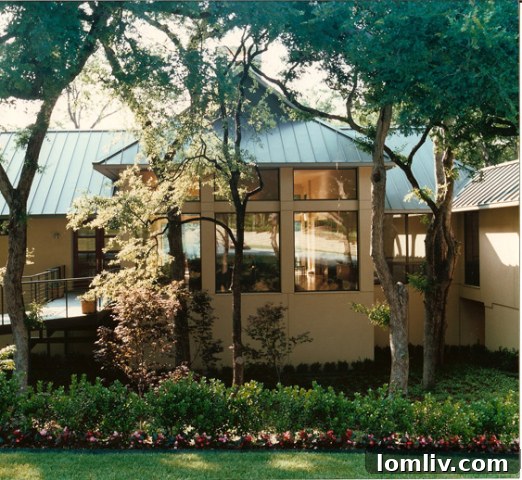
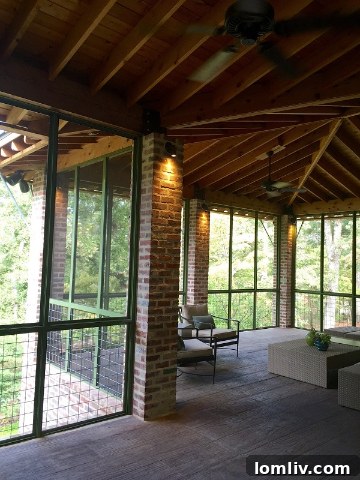
- Deep Covered Porches: Strategically designed deep covered porches offer natural shading, significantly reducing solar heat gain on exterior walls and windows. Beyond their energy-saving benefits, they create expansive, comfortable outdoor living spaces, perfect for enjoying the Texas climate while being protected from direct sun and light rain.
Water Management and Plumbing Resilience
- Manifold Water Systems with Area Cutoffs and PEX Water Piping: A modern plumbing approach, manifold systems centralize water distribution and feature individual shut-off valves for each fixture or zone. Coupled with flexible PEX piping, which is more resistant to freezing and bursting than rigid copper or PVC, this system allows for quick isolation of leaks and minimizes widespread damage during pipe failures, a lesson learned from past freeze events.
- Accessible Main Water Cutoffs: Ensuring the main water supply can be quickly and easily shut off from outside the home or in an easily accessible location within, provides a critical first line of defense against catastrophic water damage from burst pipes or major leaks.
- No Water Pipes in Exterior Walls: A crucial design principle for cold climates, placing all water pipes within the conditioned space of the home virtually eliminates the risk of pipes freezing and bursting, a common and costly issue in Texas during severe winter weather.
- Hose Bibs Placed Below Grade (Not in Exterior Walls): Similar to the pipe strategy, locating outdoor hose bibs below the frost line and ensuring they are not integrated into exterior walls further reduces the risk of freezing, preventing potential damage and ensuring functionality year-round.
- Water Filter System for the Entire Home: A whole-home water filtration system provides clean, potable water throughout the residence, improving taste, removing contaminants, and extending the life of appliances. This is particularly valuable in rural areas or when municipal water quality fluctuates.
- Tankless Water Heaters with Drain Down System: Tankless water heaters provide hot water on demand, significantly reducing energy consumption compared to traditional tank heaters. When combined with a drain-down system, they offer added protection against freezing and allow for easy maintenance, enhancing efficiency and longevity.
- Water Catchment Devices (for Rural Areas): In areas where municipal water sources may be less reliable or unavailable, integrating rainwater harvesting systems for both potable and non-potable uses provides a sustainable and independent water supply, critical for resilience and self-sufficiency.
Safety, Health, and Smart Home Integration
- Zero VOC Products (Volatile Organic Compounds): Prioritizing indoor air quality, the exclusive use of Zero VOC paints, glues, carpeting, fabrics, and floor finishes significantly reduces harmful chemical emissions. This creates a healthier living environment, particularly beneficial for individuals with allergies or respiratory sensitivities.
- Universal Design Throughout the Home: This design philosophy ensures that the home is accessible and usable by people of all ages and abilities, without the need for adaptation. Features include wider doorways, no-step entries, curbless showers, and accessible controls, making the home functional and comfortable for occupants through all life stages, from young families to seniors.
- Wood-Burning Fireplaces: Beyond their aesthetic appeal and comforting warmth, wood-burning fireplaces can serve as an invaluable secondary heat source during extended power outages, offering a practical and reliable means of heating when the primary system is unavailable.
- Surge Protection & Lightning Protection: Comprehensive surge protection shields sensitive electronics and appliances from power fluctuations, while lightning protection systems divert dangerous electrical currents safely to the ground. These measures protect property from damage and enhance safety during severe electrical storms, common in Texas.
- Garage Power Venting: Installing an effective power venting system in the garage helps to exhaust fumes and heat, improving air quality and preventing the buildup of harmful gases and excessive temperatures, contributing to a safer and more comfortable home environment.
- All-In-One Smart Home Energy Centers: These sophisticated computer panels centralize monitoring and control of the home’s entire power system, from solar input to generator status and appliance consumption. This convenient oversight empowers homeowners to efficiently manage energy usage and respond proactively during utility interruptions.
- FEMA Safe Rooms: For ultimate protection against severe weather events like tornadoes, integrating a FEMA-approved safe room provides a designated, reinforced sanctuary designed to withstand extreme forces, offering unparalleled safety and peace of mind.
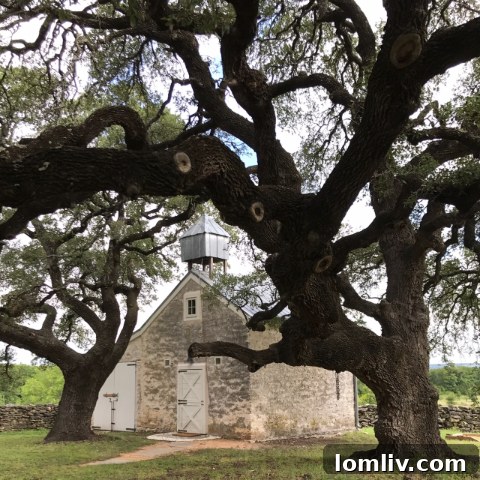
- Using the Embodied Energy of Existing Structures: When possible, preserving and integrating existing structures or materials reduces the environmental impact associated with new construction. This sustainable practice conserves resources and embodies a thoughtful approach to site development.
Why Texas Endures: Balancing Appeal with Preparedness
Despite its formidable weather challenges, Texas continues to attract residents for compelling reasons:
- It is home to one of the healthiest and most dynamic economies in the U.S., offering abundant opportunities.
- Housing remains relatively affordable compared to other major states, making homeownership accessible.
- The absence of a state income tax significantly boosts disposable income for residents.
- Texas boasts a unique and incredibly diverse culture, rich in history, arts, and culinary experiences.
- There is no shortage of things to see and do, from vast natural parks to bustling metropolitan centers.
These undeniable advantages highlight why people choose to call Texas home. However, it is crucial to recognize that embracing life in the Lone Star State necessitates preparation for its famously quick and enormous weather swings. Your forever home is not just a place to live; it’s your primary shield, the first place to begin a comprehensive safety and comfort check. As we often quip here in Texas, “if you don’t like the weather, just wait until tomorrow”—a lighthearted remark that carries a profound underlying message about readiness and resilient living.

Steve Chambers is a highly respected Dallas/Fort Worth, Texas-based architect and President of Stephen B. Chambers Architects Inc. With over 40 years of extensive experience, he specializes in the design of ranches, bespoke homes, and meticulous historic preservation. Steve is a licensed architect and licensed interior designer in both Texas and Oklahoma. His distinctive and innovative designs have garnered numerous awards and have been prominently featured in a wide array of national publications, cementing his reputation as a leader in resilient and sustainable architectural design.