Historic School Finance and Property Tax Reform Bill Passes in Texas Legislature
In a monumental legislative triumph, Texas lawmakers successfully passed a comprehensive school finance and property tax relief bill, House Bill 3 (HB3), just ahead of the May 27th sine die deadline. This landmark legislation, a testament to unprecedented bipartisan collaboration, addresses two of the most pressing issues facing Texans: the equitable funding of public education and the burden of escalating property taxes. The bill is poised to bring significant changes, including substantial raises for teachers, expanded access to full-day pre-kindergarten, and meaningful tax reductions for homeowners across the state.
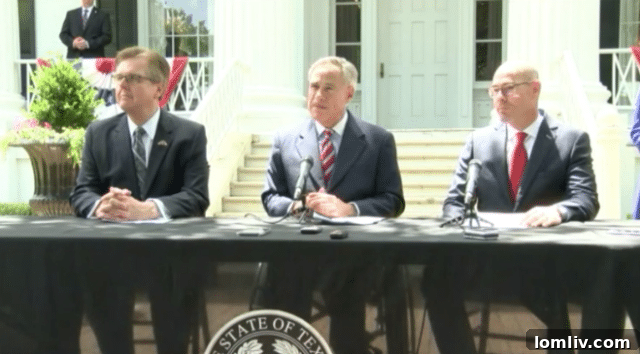
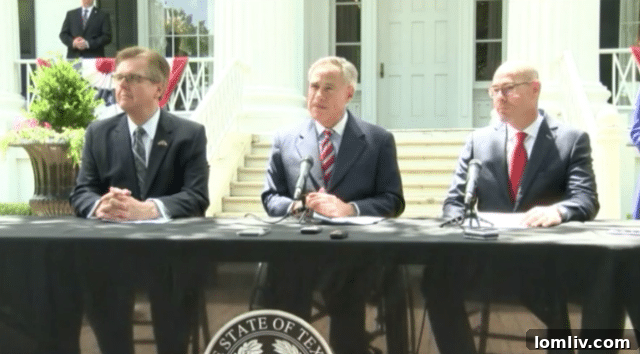
The final approval of HB3 followed intensive negotiations and a unified announcement by Governor Greg Abbott, Lieutenant Governor Dan Patrick, and House Speaker Dennis Bonnen. These three key figures, who had pledged at the outset of the legislative session to prioritize these reforms, demonstrated a remarkable ability to bridge divides and forge a compromise from competing legislative proposals. Their joint declaration, made from the Governor’s Mansion, underscored the collective commitment to delivering on their promise to Texas families and educators.
Governor Abbott praised the tireless efforts of the Texas House and Senate members, acknowledging that this historic moment would not have been possible without their dedication. Speaker Bonnen echoed this sentiment, emphasizing the spirit of teamwork that characterized the legislative process. “We’re here to tell you we’ve been all together and we’ve stayed all together,” Bonnen stated, highlighting the extraordinary unity that propelled HB3 to passage. This collaborative approach was crucial in navigating the complex intricacies of school funding and property tax structures, ultimately resulting in a bill designed to benefit all Texans.
The Genesis of a Landmark Bill: A Bipartisan Triumph for Texas
The journey to passing House Bill 3 was a challenging yet ultimately successful endeavor. For years, Texans have grappled with a public education system that faced funding disparities and a property tax system that placed increasing pressure on homeowners. Recognizing the urgency, Governor Abbott, Lieutenant Governor Patrick, and Speaker Bonnen made school finance reform and property tax relief their top legislative priorities for the 86th Legislative Session. This commitment signaled a shared understanding that fundamental changes were necessary to ensure the future prosperity of the state.
The legislative process involved the arduous task of reconciling distinct approaches from both the House and Senate. Each chamber developed its own version of reform, reflecting different priorities and methodologies for achieving the shared goals. The ability of the leadership to bring these competing bills to a compromise, ultimately merging them into the final version of House Bill 3, was a significant achievement. This consensus-building was not merely political expediency but a genuine effort to craft the most effective and far-reaching solution for the state.
On Saturday night, a resounding vote confirmed the legislative chambers’ approval, with all 139 House members and all 30 state senators casting their votes in favor of the compromise version of HB3. This near-unanimous support highlighted the broad agreement on the necessity and structure of the reforms. The bill, now awaiting Governor Abbott’s signature to become law, represents a culmination of months of debate, negotiation, and a collective determination to usher in a new era for Texas public education and property tax fairness.
Transforming Texas Education: Key Provisions of House Bill 3
House Bill 3 is a multifaceted piece of legislation, dedicating substantial resources to public education and introducing innovative reforms designed to improve outcomes for students and support educators. At its core, the bill allocates an impressive $6.5 billion in new public education funding, alongside $5.1 billion specifically aimed at lowering school district taxes, creating a dual benefit for schools and taxpayers alike.
Teacher Compensation and Support: Investing in Our Educators
A cornerstone of HB3 is its commitment to enhancing teacher compensation. While the initial promise of a set $5,000 raise per teacher by Lt. Gov. Patrick was not incorporated into the final bill, HB3 adopts a more flexible and impactful approach: dynamic teacher compensation. This model provides additional per-pupil funding to districts, empowering them with the local control to implement competitive pay increases and benefits based on their specific circumstances and needs. School districts will be mandated to utilize a portion of this increased per-student funding to boost salaries and benefits for teachers, librarians, nurses, and counselors, while also providing smaller raises for all other school employees as required.
Furthermore, the bill includes provisions that allow districts to establish merit pay programs. This optional initiative, a point of contention with some teacher unions, enables schools to provide additional financial incentives to highly-rated educators, recognizing and rewarding excellence in the classroom. This flexibility aims to retain top talent and attract new, passionate professionals to the teaching profession in Texas, directly addressing concerns about teacher recruitment and retention.
Early Childhood Education and Per-Pupil Funding: Laying a Strong Foundation
HB3 significantly expands access to full-day pre-kindergarten, a crucial investment in early childhood development. This provision acknowledges the profound impact of early learning on long-term academic success, aiming to provide a stronger foundation for Texas’ youngest students. Alongside this, the bill dramatically increases the basic allotment for per-pupil funding, raising it from $5,140 to $6,160. This substantial increase in per-student funding provides districts with greater resources to meet the diverse educational needs of their students, offering flexibility for programs, materials, and support services.
Targeted Student Programs: Equity and Opportunity for All
Beyond broad funding increases, HB3 also strategically allocates resources to specific programs designed to support diverse student populations. The bill provides enhanced funding for improving dyslexia assistance, ensuring that students with learning differences receive the specialized support they need to succeed. It also directs additional resources towards educating low-income students, recognizing the unique challenges faced by these communities and striving to close achievement gaps. Moreover, the bill offers incentives for districts to implement and expand dual language programs, promoting bilingualism and cultural proficiency among Texas students, which are invaluable assets in a globalized world.
Tackling Property Taxes: Relief for Texas Homeowners
The other critical pillar of House Bill 3 is its direct approach to property tax relief. For many Texans, rising property taxes have been a significant concern, often outpacing income growth and leading to financial strain. HB3 aims to mitigate this burden by systematically lowering school district tax rates, which constitute a major portion of local property tax bills.
The bill establishes a mechanism for automatic tax rate reductions: school districts experiencing property value growth of 2.5 percent or more will see lower tax rates take effect. This direct intervention is projected to reduce tax rates by an average of 8 cents per $100 valuation in 2020, with an even more substantial reduction of 13 cents per $100 valuation anticipated in 2021. These cuts represent tangible savings for homeowners, directly impacting their annual tax obligations.
Recognizing the need for long-term sustainability, HB3 also mandates a comprehensive study into alternative funding sources for future school district tax cuts. This forward-looking approach seeks to identify viable options that could further reduce reliance on property taxes and ensure that the state’s funding model remains robust and equitable for taxpayers and school districts alike. The estimated cost to the state for these property tax changes is substantial, projected at $13.5 billion in 2022 and 2023, reflecting the deep commitment to providing lasting relief to Texans.
Reforming Recapture: Significantly Reducing the “Robin Hood” System
A contentious aspect of Texas school finance for decades has been the “recapture” system, often dubbed “Robin Hood.” This mechanism required property-wealthy school districts to send a portion of their local tax revenue to the state, which was then redistributed to property-poor districts. While intended to equalize funding, the system was a perennial source of frustration for contributing districts and a complex challenge for the state budget.
House Bill 3 delivers significant reform to this system. The bill aims to reduce recapture payments made by wealthier districts, including large entities like Highland Park ISD and Dallas ISD, by approximately 47 percent. This translates to an estimated $3.6 billion reduction in cumulative recapture payments over two years. By lessening the burden on contributing districts, HB3 seeks to address long-standing grievances while still ensuring that all Texas students have access to quality education.
This reduction in recapture payments is intrinsically linked to an increase in the state’s share of public education funding. Under HB3, the state’s contribution to public education funding will increase from 38 percent to 45 percent. This shift signifies a greater responsibility undertaken by the state to fund its public schools, thereby alleviating some of the pressure on local property taxpayers and creating a more balanced and sustainable funding model.
The Financial Landscape: Cost, Impact, and Long-Term Vision
The financial commitment behind House Bill 3 is extensive, reflecting the ambition and scope of its reforms. According to figures released by the Texas Education Agency, the final estimated cost of the bill is slightly over $11.5 billion. This includes the significant investments in teacher pay, full-day pre-K, increased per-pupil funding, and targeted student programs. The additional property tax relief measures, while directly benefiting homeowners, will require a state expenditure of approximately $13.5 billion in 2022 and 2023 to offset the reduced local revenue for schools.
While the immediate benefits are clear, questions surrounding the long-term sustainability of these reductions and the source of future funding remain a topic of discussion. The state legislature has initiated studies and mechanisms to monitor the impact and plan for future adjustments. However, the passage of HB3 unequivocally demonstrates Texas’ commitment to prioritizing its public education system and providing tangible financial relief to its citizens.
A New Era for Texas Education and Taxpayers
The passage of House Bill 3 marks a pivotal moment in Texas history. It represents a unified effort by state leaders to address two of the most critical and complex issues facing the state: the need for robust public education funding and meaningful property tax relief. The bill’s comprehensive approach, encompassing teacher raises, early childhood education expansion, targeted student support, and direct tax cuts, promises to have a profound and lasting impact on millions of Texans.
From the classrooms, where teachers will feel more valued and students will receive better resources, to the homes of Texans, who will see their property tax burdens eased, HB3 is set to usher in a new era of opportunity and financial stability. This historic legislation is not merely a collection of budgetary allocations; it is a statement of intent, reaffirming Texas’ dedication to investing in its future through its children and its communities. As the provisions of HB3 roll out, they are expected to foster a stronger, more equitable educational landscape and provide much-needed financial breathing room for property owners across the Lone Star State.
To review the full text and legislative history of House Bill 3, click here.