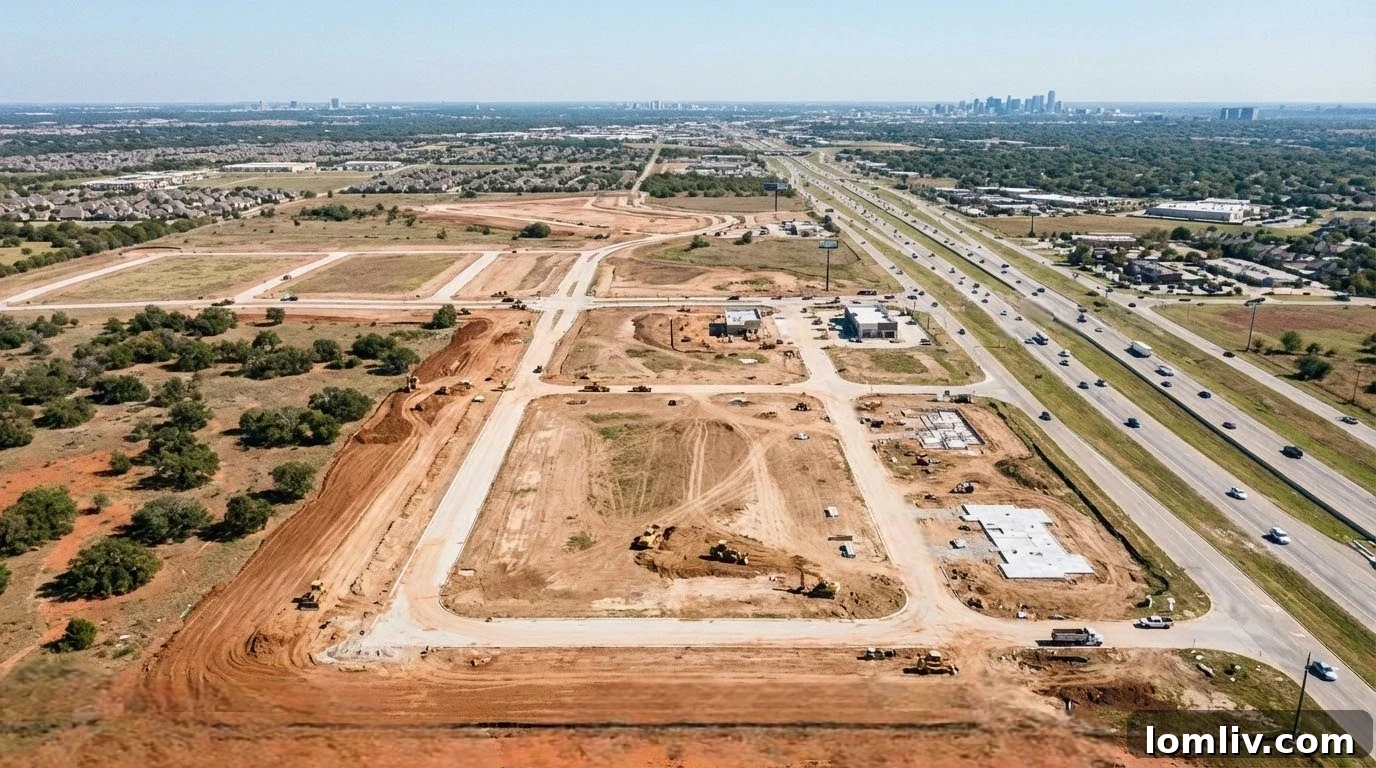
The vast and dynamic Texas land market continues to capture the attention of investors, developers, and landowners alike. As of 2026, initial private estimates suggest that development-stage vacant land in Texas is averaging approximately $10,200 per acre. This figure, published in a private January estimate by SellTheLandNow, provides a crucial snapshot of a specific, high-demand segment of the market. However, it’s essential to understand that this benchmark represents only one facet of Texas’s expansive land valuation landscape.
For a broader perspective, the Texas Real Estate Research Center at Texas A&M offers a different, yet equally vital, data point. As of March 25, 2026, their latest broad statewide benchmark placed Texas rural land at an average of $5,214 per acre at the close of 2025. Complementing these figures, the U.S. Department of Agriculture (USDA) typically publishes its state land values annually in August, offering yet another layer of insight into agricultural land trends.
The notable difference between SellTheLandNow’s $10,200 estimate and Texas A&M’s $5,214 average is not indicative of an error in either number. Instead, it highlights the distinct market segments these figures measure. The $10,200 estimate is specifically tailored to development-stage vacant land—parcels with significant potential for commercial, residential, or industrial development due to their location and characteristics. In contrast, Texas A&M’s rural land data encompasses a much broader spectrum, including tracts utilized for traditional farming, ranching operations, recreational purposes, wildlife conservation, and even mineral-related activities across the diverse Texas landscape. Understanding these distinctions is fundamental to accurately interpreting Texas land values and making informed investment decisions in this complex market.
Decoding Texas Land Values: A Three-Tiered Market Structure
In 2026, the Texas land market is clearly delineated by three distinct pricing tiers, each appealing to different types of buyers and reflecting varying levels of development potential and infrastructure access. This structural segmentation allows for a granular understanding of where value resides and how specific land attributes dictate price points.
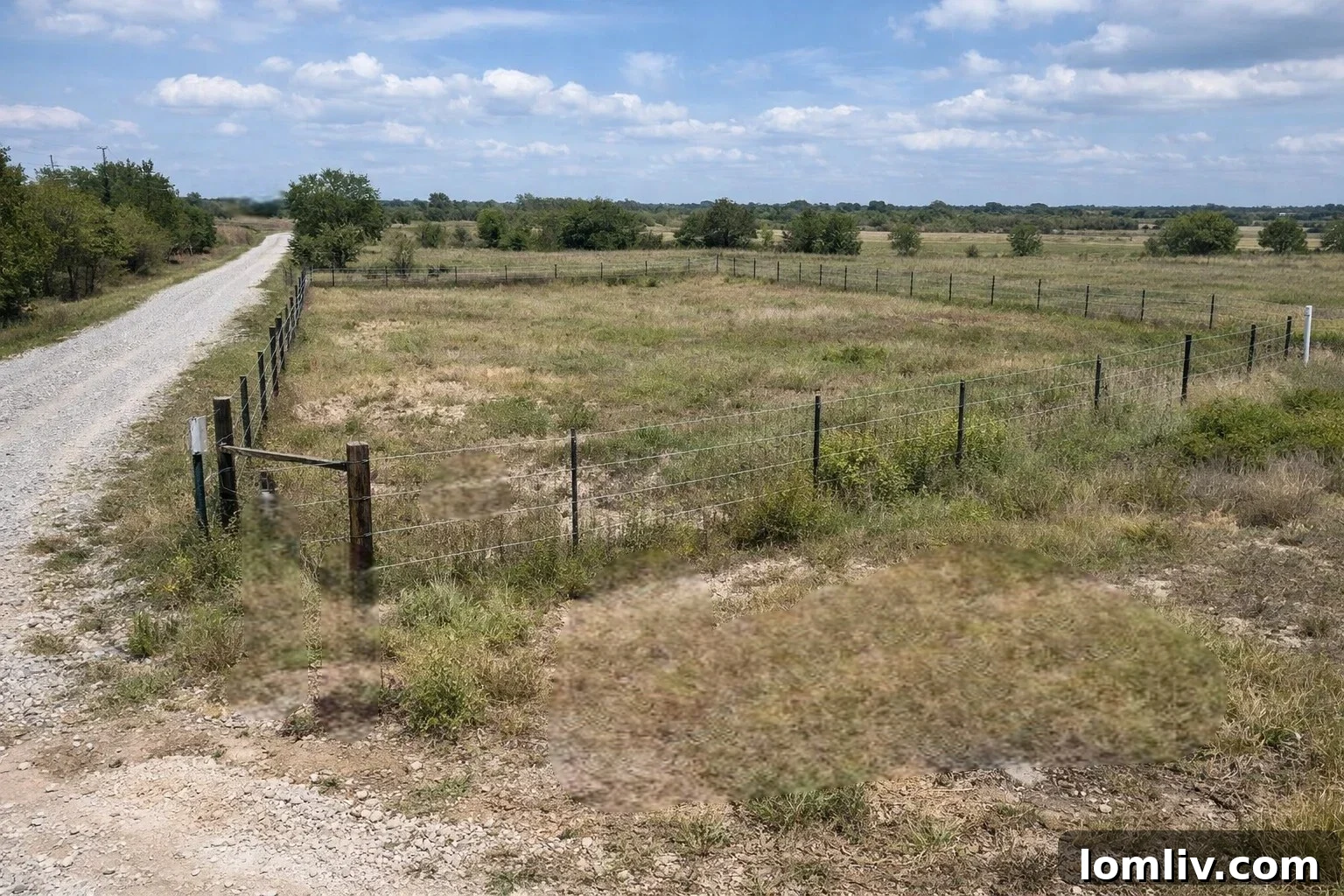
At the base, the **Raw and Farm Land** tier, which includes agricultural, timber, and other rural acreage with limited utility access, averages approximately $4,850 per acre. This category typically attracts buyers focused on agricultural production, long-term speculative investment, or recreational use. These parcels often require significant investment in infrastructure, such as road access, water wells, and utility extensions, to realize higher development potential. While their per-acre cost is lower, the total cost of bringing them to a build-ready state can be substantial, reflecting their current raw condition.
The mid-tier, **Development-Stage Land**, commands a statewide benchmark of $10,200 per acre. This segment is defined by its strategic proximity to established growth corridors and its inherent potential for rezoning and future development. These properties are often targeted by developers and large-scale investors who recognize their readiness for transformation into residential communities, commercial centers, or industrial parks. Key characteristics include reasonable access to major transportation networks, the feasibility of utility connections, and a favorable planning environment that supports reclassification from rural to urban or suburban uses. The premium reflects the reduced risk and shorter timeline to development compared to raw land.
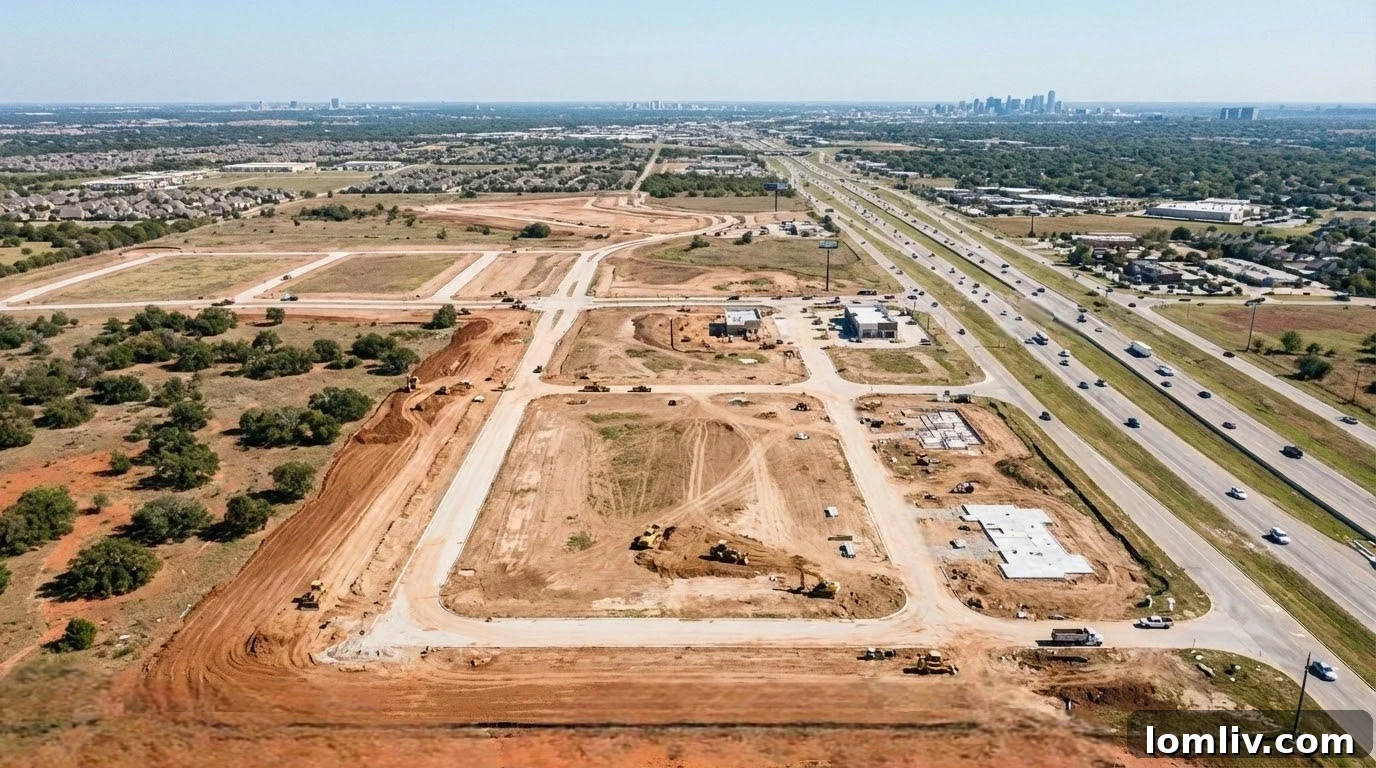
At the pinnacle are **Retail and Build-Ready Parcels** in established markets, averaging a robust $38,000 per acre. These parcels are highly sought after due to their immediate readiness for construction. They typically boast full utility access (water, sewer, electricity, gas), existing road infrastructure, appropriate zoning in place, and often, prior site work or permitting approvals. Buyers for this tier are often commercial developers, home builders, or businesses looking for expedited construction projects. The significantly higher price point reflects the immense value of de-risked land that requires minimal upfront preparation, allowing for quicker project initiation and revenue generation. This segment represents the culmination of successful land entitlement and infrastructure investment.
The remarkable $33,150 spread between the lowest and highest tiers is a fundamental characteristic of the Texas land market, indicating a structural rather than a cyclical variation. This disparity means that two parcels of identical acreage can be valued at vastly different points within this range, influenced by a handful of critical variables. These include proximity to major highway corridors, existing utility access, flexibility in zoning regulations, proven water availability, and whether mineral rights remain intact with the surface estate. Each of these factors plays a pivotal role in determining a property’s development potential and, consequently, its market value.
Where Texas Growth Concentrates and Why It Matters
The narrative of the Texas land market in 2026 is one of concentrated growth, with the strongest pricing activity predominantly found in specific, high-demand corridors. This selectivity underscores the impact of population migration, economic development, and infrastructure investment on land values across the state.
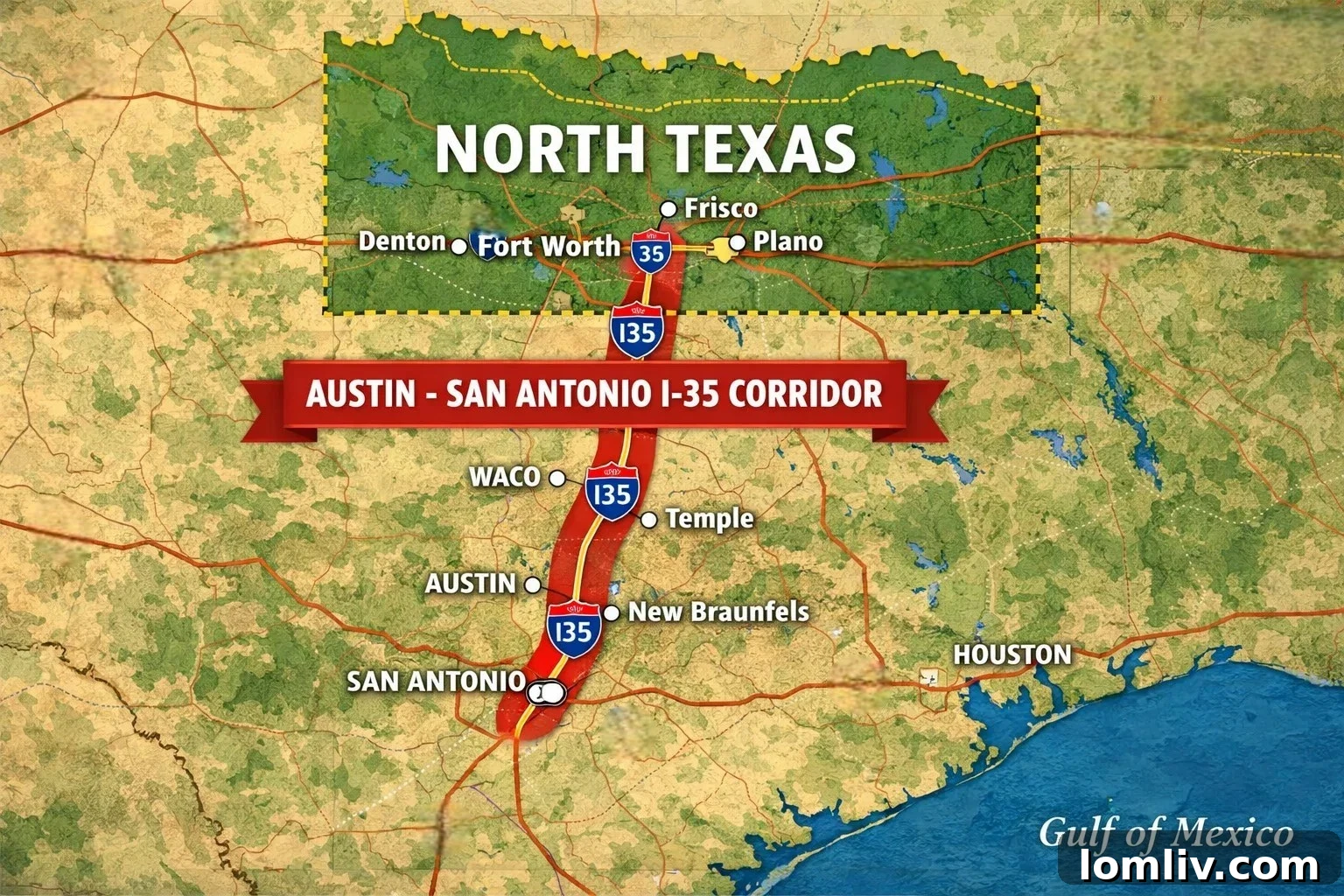
The two primary engines of this activity are **North Texas** and the sprawling **Austin–San Antonio stretch along I-35**. These regions are characterized by robust economic expansion, significant population influx, and ongoing infrastructure development. Land parcels strategically positioned near highway expansions, where new arteries improve connectivity and reduce commute times, consistently outperform the statewide average. Similarly, areas benefiting from planned or existing utility extensions (water, sewer, power) become instantly more attractive to developers, commanding higher prices due to the reduced cost and complexity of bringing essential services to new projects. Furthermore, properties already possessing subdivision-ready zoning or a clear path to obtaining such zoning are exceptionally valuable, streamlining the development process for residential and commercial ventures alike. In these coveted regions, retail-ready tracts are frequently observed approaching or even exceeding the $38,000 per acre benchmark, a testament to the intense demand for shovel-ready sites in prime locations.
Beyond these bustling corridors, the market dynamics shift considerably. **West Texas and the Panhandle markets** maintain a more conservative pricing structure, largely influenced by different economic drivers and environmental factors. Here, land valuations are heavily tied to the availability and quality of water rights, critical for agricultural output, and the fluctuating conditions of the energy market, particularly oil and gas production. In areas where water access is constrained or unreliable, this scarcity directly impacts valuations, often leading to measurable pricing discounts. Agricultural productivity, which relies heavily on water, becomes a primary determinant of value, as does the presence of viable mineral resources.
The overall result of these diverging trends is a Texas land market that analysts are increasingly characterizing as “selective” rather than broadly strong. While specific corridors demonstrate intense activity and significant appreciation, many remote or agriculturally dominant regions exhibit more stabilized pricing. This means that while some areas are experiencing a boom, others are holding steady, underscoring the importance of localized market research and a nuanced understanding of regional economic drivers for anyone looking to invest in Texas land.
Key Value Drivers: Unearthing What Truly Matters in Texas Land
Beyond the fundamental aspect of location, two factors disproportionately influence Texas land values, acting as critical determinants for buyer interest, negotiation leverage, and overall property worth: mineral rights and water access. Understanding these elements is paramount for both sellers and prospective buyers in the Texas real estate market.
First, the issue of **mineral rights** holds substantial sway. In Texas, mineral rights can be severed from surface rights, meaning ownership of the land does not automatically grant ownership of the subsurface minerals. Unsevered mineral rights—where the surface and mineral estates are held by the same owner—materially increase buyer interest and provide significant negotiation leverage. This is particularly true in energy-rich regions where the potential for oil, gas, or other mineral extraction can add considerable value. In some counties, the value associated with unsevered mineral rights can even exceed the value of the surface acreage itself, reflecting the profound economic impact of these resources. For developers, clear mineral rights are also crucial to avoid future conflicts or complexities with drilling operations that could impact surface use.
Second, **water** is an increasingly vital resource that directly affects land valuation and development feasibility. Proven wells, established irrigation rights for agricultural purposes, and documented access to major aquifers significantly enhance a property’s value. These attributes directly impact underwriting decisions for lenders and developers, as they reduce the risk associated with water sourcing for agricultural, residential, or commercial projects. Conversely, uncertainty regarding water availability, lack of existing wells, or complex water rights issues introduces measurable pricing discounts, as buyers factor in the cost and risk of securing this essential resource. The long-term sustainability of water sources is becoming a critical consideration, especially in a rapidly growing state facing persistent drought concerns in many regions.
Beyond these primary drivers, **functional improvements** also play a crucial role in reducing buyer uncertainty and supporting stronger offers. Market data consistently shows that properties with documented improvements—such as well-maintained fencing, established internal roads, cleared access points, and even preliminary site grading—tend to correlate with faster transactions and higher bids. These improvements signal a well-managed property, reduce the immediate capital outlay required from a buyer, and can significantly streamline the development process, making the land more appealing and ready for its intended use. Such investments demonstrate a clear path to usability and mitigate common barriers for prospective purchasers.
Texas vs. Neighboring Markets: A Premium Position
When comparing Texas land values to those of its neighboring states, a clear premium emerges, underscoring the unique economic strength and desirability of the Lone Star State’s real estate market. This robust position is not accidental but a result of distinct advantages that set Texas apart.
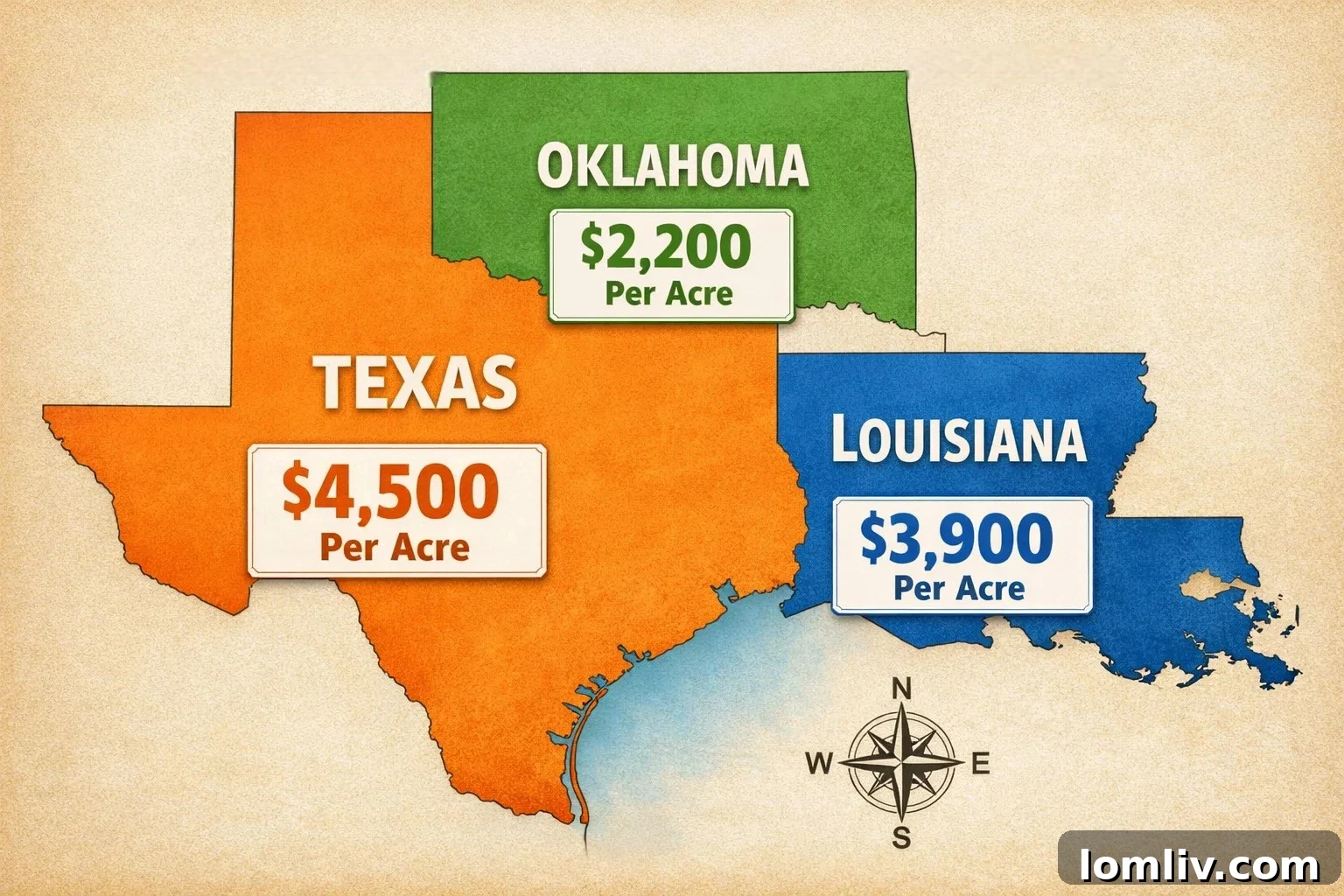
On a per-acre basis, Texas commands a remarkable 96% premium over Oklahoma and a 50% premium over Louisiana. This substantial difference is attributed to a combination of powerful economic forces. Unlike Florida, where pricing is heavily tied to transient migration patterns and can exhibit higher volatility, Texas benefits from a dual engine of demand. It sees robust corporate relocation activity, attracting major companies and industries seeking a business-friendly environment, lower operational costs, and a skilled workforce. Concurrently, Texas experiences significant organic domestic growth, driven by a continually expanding population, robust job creation, and a diverse economy that includes energy, technology, manufacturing, and agriculture. This potent combination has fostered sustained demand for land across various sectors without the dramatic price swings and volatility often observed in other Sun Belt land markets.
Despite this strong demand, supply remains abundant across many Texas regions, particularly in rural and less-developed areas. This ample supply acts as a natural tempering mechanism, preventing runaway appreciation in areas outside the most active growth corridors. While development-stage and build-ready land in prime locations see significant price hikes, the sheer availability of raw land in other parts of the state ensures that the market doesn’t become universally overheated. This dynamic is a key reason why the 2026 outlook for the Texas land market is accurately described as “uneven” rather than simply “bullish.” It highlights a nuanced market where strategic location and development readiness are paramount drivers of value, even as vast tracts of land remain available for other uses.
For those actively tracking activity in the Texas land market, various segments of demand contribute to its overall health. Specifically, land buyers in Texas, ranging from individual investors to large-scale developers, represent a crucial segment keeping corridor-adjacent parcels moving at premium prices. Their sustained interest and readiness to invest in strategically located properties continue to fuel growth and development, even amidst broader stabilization trends observed in more remote or purely rural regions. This ongoing demand ensures that the Texas land market, while diverse and complex, remains a compelling and active landscape for real estate investment and development.