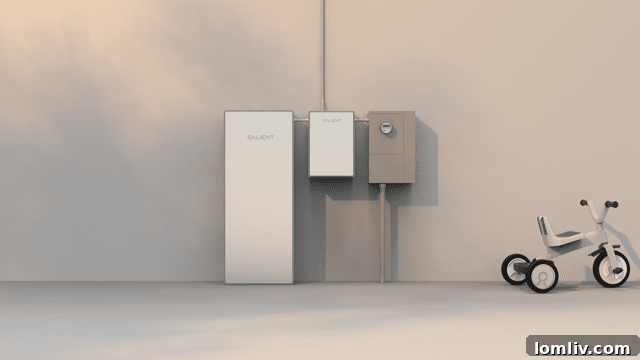
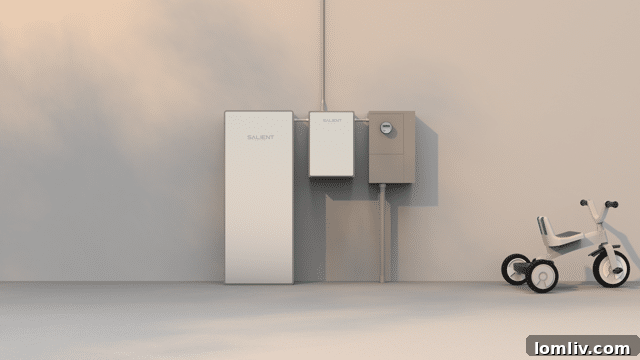
The pursuit of reliable and sustainable home energy storage has long been shadowed by significant concerns regarding safety and environmental impact. Traditional options, including outdated lead-acid components and even early iterations of lithium-ion technology, presented homeowners with a complicated dilemma. Going off-grid or supplementing grid power often came with inherent risks such as potential overheating, reliance on extensive and environmentally damaging mining practices, and concerns about material toxicity. These factors created an atmosphere of uncertainty around adopting home battery systems.
However, the landscape of residential energy is undergoing a transformative evolution, driven by pioneering innovation. This exciting shift is now taking root in Dallas, specifically in East Dallas, where a groundbreaking home battery technology has commenced its pilot program. This initiative marks the beginning of a visionary partnership poised to deliver smarter, safer, and more sustainable power solutions to an impressive 200,000 homes across the region, setting a new standard for residential energy independence.
Introducing Salient Energy: A Paradigm Shift in Home Battery Technology
At the forefront of this energy revolution is Salient Energy, a recognized innovator in the field of stationary energy storage. Salient has recently forged a historic partnership with Horton World Solutions (HWS), a leader in sustainable home building. This collaboration is set to redefine what’s possible in eco-friendly housing and resilient energy infrastructure.
Salient Energy distinguishes itself through its proprietary zinc-ion battery technology. Unlike conventional batteries, Salient’s design is water-based, a crucial feature that virtually eliminates the risk of fire—a common safety concern associated with lithium-ion systems. This inherent safety advantage offers homeowners unparalleled peace of mind and simplifies the complex permitting processes often required for battery installations.
The partnership with HWS is particularly impactful. Horton World Solutions is renowned for its proprietary composite framing, which enables incredible energy efficiency in their residential constructions. By integrating Salient’s safe and sustainable energy storage solutions into HWS’s already highly efficient homes, the collaboration aims to create a monumental impact on the future of eco-friendly housing. This synergy represents a holistic approach to sustainable living, where the home itself is designed for minimal energy consumption, and the power it does use is stored safely and sustainably.
For Dallas homeowners, this development is especially significant. The region has experienced immense energy concerns over the past few years, largely due to extreme weather events that have highlighted vulnerabilities in the traditional power grid. With Salient’s innovative solutions, residents can look forward to more secure and reliable energy, mitigating the impact of blackouts while actively contributing to a healthier and more sustainable environment.
Terry Horton, founder and CEO of HWS, underscores the importance of this shift: “Energy storage is a key part of making zero-carbon homes. But the current lithium-ion systems have a lot of issues. They create a fire risk that we need to design around, which further adds time and complexity to our permitting process. They are also frequently in short supply, which makes it risky to plan for them being an integral part of our designs. When I saw that Salient’s zinc-ion could solve both these issues, I knew I had to get involved.” This statement eloquently captures the critical benefits of Salient’s technology: enhanced safety and a more reliable supply chain, directly addressing major pain points in the sustainable housing sector.
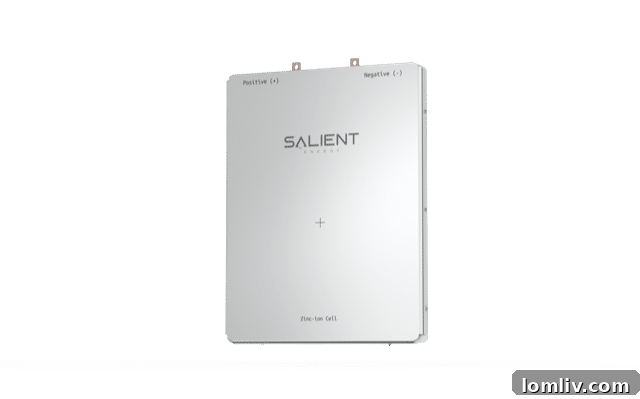
Pioneering the Next Era of Eco-Energy Efficiency and Resilience
The implications of this new technology for the future of residential energy were recently highlighted by Ryan Brown, CEO of Salient Energy, during an interview with Daltxrealestate.com. Brown expressed profound enthusiasm for the collaboration, stating, “We’re extremely excited to work with HWS. And being able to demonstrate on one of their sustainably developed Dallas homes made this a perfect partnership.” This sentiment reflects a shared vision between the two companies to lead the charge in sustainable development.
Brown articulated a compelling future where this advanced technology empowers a new generation of homeowners with unprecedented eco-advantages. He emphasized Salient’s commitment to user experience and practical application: “From a homeowner’s perspective, we want this to be no different from a power wall. Our technology creates resilience against blackouts and allows residents to consume their own clean energy.” This vision positions Salient’s zinc-ion batteries as a seamless, integrated solution that provides energy independence without complexity.
Salient’s zinc-ion battery is engineered for versatility and optimal integration into modern energy ecosystems. It works seamlessly with both solar panel installations, enabling homeowners to maximize their renewable energy capture, and as an integral part of the traditional power grid. By safely storing surplus energy generated by solar panels or drawing power during off-peak hours, these batteries help homeowners achieve genuine energy autonomy. This capability not only helps to significantly reduce electricity bills by minimizing reliance on expensive peak-hour grid power but also acts as a robust safeguard against unforeseen power outages, ensuring continuous, reliable energy supply when the grid falters. This level of resilience is paramount for communities like Dallas, which have experienced the harsh realities of grid instability.
The broader impact extends beyond individual homes. By enabling widespread adoption of clean energy storage, Salient’s technology contributes to a more stable and sustainable regional grid. As more homes integrate these systems, the collective demand on the central grid during peak times diminishes, leading to greater overall energy security and efficiency for everyone. This distributed energy model is a critical component of a truly modern, resilient, and environmentally responsible energy infrastructure.
Unpacking Salient’s Distinct Competitive Edge
When delving into what truly sets Salient Energy apart in the rapidly evolving energy storage market, the core innovation lies in its fundamental chemistry and design. Ryan Brown elaborates, “With zinc-ion technology, our battery is water-based which prevents the risk of fire for greater peace of mind and easier permit applications. This gives us a huge advantage over other home battery manufacturers.” This safety feature is not merely a convenience; it’s a critical differentiator that addresses one of the most significant concerns for homeowners and regulatory bodies when considering residential battery installations.
In contrast, many well-known companies in the energy storage space, such as Tesla, Energizer, and Everready, primarily offer solutions based on lithium-ion technology. While effective, lithium-ion systems come with inherent challenges that Salient’s zinc-ion technology aims to overcome. A primary concern with lithium-ion is the potential for thermal runaway, leading to fire risks that necessitate complex cooling systems, robust fire suppression measures, and often more stringent installation guidelines and permitting processes.
Beyond safety, the ecological footprint of lithium-ion technology raises significant questions. The metals required for lithium-ion batteries—lithium, cobalt, nickel—are considered rare earth minerals. Their extraction often involves environmentally intensive mining practices that can lead to habitat destruction, water contamination, and significant carbon emissions. Furthermore, the supply chain for these critical minerals is highly concentrated, with a substantial portion of processing and manufacturing centered in specific regions, particularly China. This geopolitical concentration creates vulnerabilities, leading to supply shortages and price volatility, which can impact the availability and affordability of lithium-ion systems.
Salient’s scientific approach offers a compelling alternative. “Our batteries are built with very abundant materials,” says Ryan Brown. “That is completely unlike other lithium-ion systems where basically the whole supply chain is in China. Also, the lithium market globally is in a massive shortage. So, offering an alternative is something that our customers value.” This emphasis on abundant, readily available materials—primarily zinc, which is far more common and less environmentally burdensome to harvest—translates into several key advantages:
- Reduced Environmental Impact: Less reliance on rare earth metals minimizes the ecological toll of mining and processing.
- Enhanced Supply Chain Security: Abundant materials mean a more diversified and stable supply chain, reducing susceptibility to geopolitical disruptions and material shortages.
- Potential Cost Benefits: The widespread availability of materials can lead to more stable and potentially lower manufacturing costs over the long term, making home energy storage more accessible.
- Simplified Logistics and Permitting: The water-based, non-flammable nature of zinc-ion batteries reduces the complexity and cost associated with installation, fire safety measures, and regulatory approvals.
This innovative home battery solution is poised to make a profound impact, especially in regions like Dallas, where the uncertainties surrounding ERCOT (the Electric Reliability Council of Texas) and the challenges of an ever-changing climate necessitate robust and reliable energy alternatives. Salient’s zinc-ion technology represents not just an incremental improvement but a significant leap forward in residential energy storage—an innovation that promises greater safety, sustainability, and resilience for communities worldwide.
An Expert Perspective on Home Energy Solutions
To gain further insight into the practical considerations and broader implications of home energy storage, Daltxrealestate.com spoke with Alan Hoffmann, President of Hoffmann Homes, Four Tree Development, and a Technical Advisor to the City of Dallas’s Environmental Division. His expert opinion offers a valuable, pragmatic viewpoint on these emerging energy solutions.
Hoffmann highlighted a primary driver for battery adoption in Dallas: “I think most people around Dallas are motivated to get these batteries because of the icepocalypse.” This sentiment underscores the profound impact that recent extreme weather events and resulting power outages have had on homeowner perception and demand for energy resilience. The memory of widespread, prolonged blackouts serves as a powerful motivator for investing in backup power solutions.
However, Hoffmann also offered a crucial caveat regarding the interplay between solar power, batteries, and grid outages: “However, the thing to remember is when you have a weather event like that, you’re not getting enough solar energy to charge the battery if the grid goes down.” This point is vital for homeowners to understand. While solar panels are excellent for generating clean energy under normal conditions, their effectiveness can be severely limited during prolonged periods of inclement weather, such as heavy ice storms or extended cloudy days, when the sun’s irradiance is minimal. In such scenarios, a battery’s capacity can deplete without a reliable recharge source from the sun, potentially leaving homes without power if the grid remains offline.
Despite this, Hoffmann pointed out smart strategies for maximizing battery utility under typical conditions. “A good way to use them might be to get free nights and weekends energy plan and charge the batteries during those times,” he suggested. This strategy, known as “time-of-use” arbitrage, allows homeowners to charge their batteries when electricity rates are lowest (often during off-peak hours like nights and weekends) and then discharge the stored energy during peak-rate periods, significantly reducing their electricity bills. He humorously added, “Though, power companies are probably going to catch on to that,” acknowledging the dynamic nature of energy tariffs and consumer behavior.
When pressed on the “best deal” for home energy resilience, Hoffmann offered an intriguing, albeit unconventional, alternative: “The best deal right now, I think, would be to get an all-electric Ford F-150. They have about the same power capacity as these home batteries, and they’re about the same price as well. Only, they’re mobile. So if you’re caught without power, you can always go charge them and bring the power back to your home. Rather than wait for solar or grid energy.” This creative suggestion highlights the emerging concept of vehicle-to-home (V2H) power, where electric vehicles (EVs) can serve as substantial mobile power banks for homes. While perhaps not a direct replacement for a permanently installed home battery system, it offers a compelling argument for multi-functional investments, especially for those considering an EV purchase. It underscores the evolving landscape of energy storage, where solutions are becoming increasingly versatile and integrated into daily life.
Hoffmann’s insights provide a balanced perspective, acknowledging both the strong demand for home energy solutions driven by grid vulnerabilities and the practical considerations for their effective deployment. His commentary reinforces the idea that while stationary home batteries like Salient’s offer unmatched safety and environmental benefits, homeowners should also consider a holistic approach to energy resilience, potentially incorporating other innovative solutions like V2H technology to ensure comprehensive preparedness for any scenario.