

Texas Real Estate 2023: Navigating Property Taxes, Housing Affordability, and Key Legislative Shifts
As Texas stepped into 2023, the air was thick with anticipation surrounding the 88th Legislative session, particularly in light of the state’s staggering budget surplus. Initially reported at an impressive $27 billion, this financial windfall immediately ignited widespread discussion and speculation across various sectors. For the dynamic Texas real estate market, the core question revolved around the potential impact of these funds on two critical and persistent challenges: escalating property taxes and the pervasive housing affordability crisis. These issues have long been at the forefront of concerns for homeowners, prospective buyers, and developers alike. With the 88th Texas Legislature officially convening on January 10th in the state capital of Austin, these real estate-centric issues quickly claimed their rightful place at the top of the legislative agenda, becoming a primary focus for comprehensive coverage, including our in-depth reporting at daltxrealestate.com.
The confluence of an unprecedented state surplus and enduring real estate market pressures created a complex and challenging environment for lawmakers. While such a substantial financial reserve presents a unique opportunity to address longstanding systemic issues, the sheer volume of competing priorities demanded careful and strategic deliberation. Decisions made during this pivotal legislative session were poised to cast a long and influential shadow over every facet of the Texas housing market, from the financial burdens faced by homeowners to the pace of new housing development and the overall accessibility of homes for the state’s rapidly growing and diverse population. For anyone with a vested interest in the vibrant and ever-evolving Texas real estate sector, a thorough understanding of these legislative debates and their potential outcomes is not merely beneficial but absolutely crucial.
Understanding the Texas Budget Surplus: Allocation and Competing Priorities
While the initial announcement of a $27 billion budget surplus rightfully captured public attention and fueled high expectations, the subsequent reality of its allocation proved to be far more intricate and constrained. In a significant move in December, the Legislative Budget Board made a pivotal decision, voting to allow the disbursement of a more conservative $12.5 billion from the state’s formidable “rainy day fund.” This strategic adjustment considerably reshaped the landscape of potential state spending and necessitated a more focused approach to legislative priorities. It’s noteworthy that this allocated sum fell short of the ambitious amount Governor Greg Abbott had pledged for comprehensive property tax relief during his successful re-election campaign, signaling a potentially more measured execution of campaign promises.
Lieutenant Governor Dan Patrick, a prominent voice in Texas politics, also publicly advocated for directing a substantial portion of this surplus towards alleviating the burden of property taxes – a stance that resonated deeply with countless Texans grappling with some of the highest property tax rates in the nation. However, the state government found itself confronted by a formidable array of other pressing societal and infrastructural challenges, all demanding immediate attention and significant financial investment. These critical issues included the alarming rate of rural hospital closures, which continue to jeopardize healthcare access in underserved communities; persistent vulnerabilities within the state’s electric grid, necessitating substantial upgrades to preempt future energy crises; and ongoing, often contentious, debates surrounding public school security, a topic imbued with tragic urgency in recent years. This diverse and pressing list of needs created a delicate and complex balancing act for legislators, making the precise allocation of the budget surplus a process fraught with anticipation and profound implications, particularly for its ripple effects across the real estate sector and the broader financial well-being of Texas homeowners.
Dallas Builders Association: Championing Housing Affordability and Addressing Regulations
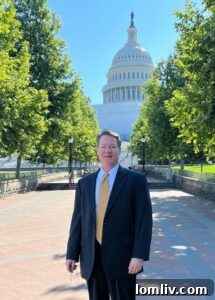
In proactive preparation for the legislative session, the esteemed Dallas Builders Association engaged vigorously with state legislators, laying essential groundwork for robust advocacy efforts specifically tailored to champion housing interests. David Lehde, the organization’s insightful Director of Government Affairs, provided a clear articulation of the association’s strategic focus in late December. While a definitive, itemized list of specific bills to either endorse or oppose was still under meticulous review, the Dallas BA had unequivocally identified a set of core issues crucial to the overarching goal of enhancing housing affordability, which would serve as their guiding principles throughout their legislative engagement.
Lehde underscored the association’s primary objective: “During this session, we are committed to diligently seeking out and seizing opportunities to address critical items that fall within the state legislature’s direct authority and that demonstrably impact housing affordability. Our strategic focus encompasses tackling pervasive process delays and streamlining burdensome regulations that invariably inflate construction costs, thereby making housing progressively less attainable for a significant number of Texans. The precise legislative mechanisms and specific bills through which these vital changes will be pursued will undoubtedly gain sharper definition as the legislative session advances.” This forward-thinking and proactive stance vividly illustrates the building industry’s profound commitment to systematically mitigating the various factors that contribute to the escalating cost of homes. Their efforts are squarely aimed at ensuring that the cherished dream of homeownership remains a realistic and accessible aspiration for a much broader segment of the population across Texas. The legislative session, scheduled to run through May 2023, is poised to be an exceptionally critical period for these crucial discussions, with the Dallas Builders Association playing an indispensable and active role in shaping policies designed to foster a more vibrant, equitable, and accessible housing market throughout the entire state.
For a deeper dive into the challenges confronting builders and the broader legislative discussions, an earlier report provides invaluable context on expert forecasts concerning potential electricity shortages and critical water-related issues that could impact future development: Experts Tell Builders to Watch for Electricity Shortage and Weaponized Water in 2023 Legislative Session.
Five Crucial Bills Set to Reshape Texas Real Estate and Property Taxation
With an overwhelming volume of over 1,100 bills meticulously filed for consideration, ranging in scope from fundamental tax exemptions for essential baby products to intricate border security measures, the 88th Texas Legislature faced an exceptionally dense and diverse agenda. Amidst this extensive array of proposals, the issue of comprehensive property tax relief unequivocally emerged as a paramount concern. Its critical importance was explicitly underscored in Lt. Gov. Dan Patrick’s publicly released list of legislative priorities in late 2022, signaling its bipartisan recognition and widespread public demand.

The pressing urgency for fundamental property tax reform in Texas is deeply rooted in the state’s distinctive fiscal framework. As the Texas Tribune concisely elucidated, “Texans pay among the highest property taxes in the nation because they are the primary funding mechanism for the state’s public schools and because Texas doesn’t have an income tax.” This heavy reliance on property taxes places a disproportionately significant financial burden directly upon homeowners and serves as a fundamental contributor to the state’s persistent and escalating housing affordability challenges. Despite recent positive developments, such as Dallas residents gratefully experiencing the largest city tax rate decrease in 40 years, a substantial number still find their property tax bills to be overwhelmingly burdensome and voice profound apprehension regarding the broader housing affordability crisis gripping the region. Against this complex backdrop, several pivotal bills have emerged as absolutely crucial ones to monitor closely, each possessing the potential to wield significant implications for individual homeowners, large-scale investors, and the overarching real estate landscape throughout Texas.
- House Bill 32 (HB 32): Introduced by the highly regarded Rep. Giovanni Capriglione (R-Southlake), HB 32 proposes a series of critical and impactful limits on the degree to which appraisal districts are legally permitted to increase the assessed value of a single-family home. This landmark bill directly addresses one of the most widespread and deeply felt frustrations among homeowners: the often-unpredictable and rapid escalation of property valuations, which, in a direct consequence, leads to significantly higher property tax bills. If successfully passed into law, HB 32 could provide invaluable stability and much-needed predictability for homeowners, potentially moderating the aggressive growth of property taxes and thereby rendering homeownership more financially sustainable over the long term. However, its passage also prompts important considerations regarding its potential impact on local government revenues, which heavily rely on property tax collections, and the broader equity and efficiency of the existing property appraisal system. Further details can be found here: House Bill 32 Text.
- House Bill 84 (HB 84): Championed by Rep. Diego Bernal (D-San Antonio), HB 84 aims to introduce comprehensive reforms to current appraisal methodologies by mandating that appraisers predominantly base a home’s market valuation on the comparable sales and values of immediately neighboring properties. This thoughtfully designed legislation is specifically engineered to counteract the detrimental effects of displacement in rapidly gentrifying neighborhoods, where property values frequently surge dramatically due to external development and investment, inadvertently forcing long-time residents out of their homes through unaffordable tax increases. By strategically anchoring property appraisals to localized comparable sales, HB 84 seeks to robustly protect vulnerable communities and actively promote more equitable and just property assessment practices, thereby fostering greater stability and continuity within evolving urban landscapes. Explore the full details of this bill: House Bill 84 Text.
- House Bill 29 (HB 29): Authored by Rep. Andrew Murr (R-Junction), HB 29 introduces a truly transformative and potentially radical proposal: the complete abolition of the maintenance and operations (M&O) tax for public school districts. This particular tax component represents an exceptionally significant source of funding for the state’s public education system, primarily utilized to cover essential expenses such as teacher salaries, crucial operational costs, and fundamental infrastructure maintenance. The elimination of the M&O tax would signify a monumental and unprecedented shift in the way Texas public schools are financed, almost certainly necessitating a substantial and sustained increase in state funding from the general revenue to adequately compensate for the lost local revenue. While offering the enticing prospect of significant property tax relief for homeowners, this bill concurrently raises profound questions regarding the long-term financial sustainability and overall adequacy of public school funding, and its ultimate, far-reaching impact on educational quality and equity across the entire state. Track the progress of this consequential bill: House Bill 29 Tracker.
- House Bill 1056 (HB 1056): Rep. Gina Hinojosa (D-Austin) introduced HB 1056, a bill that endeavors to establish a comprehensive and publicly accessible registry for all financial institutions and investment firms actively involved in the leasing of residential real property within Texas. This pivotal legislation is designed to significantly enhance transparency within the residential rental market by illuminating the true scale, scope, and specific nature of institutional investor activity. The creation of such a registry could furnish invaluable data to both policymakers and the general public, providing critical insights into the profound impact of large-scale corporate landlords on overall housing availability, prevailing rental rates, and broader market dynamics, especially in densely populated urban centers where institutional investment is particularly prevalent and influential. Learn more about the specifics of this bill: House Bill 1056 Details.
- House Bill 1057 (HB 1057): Also introduced by Rep. Gina Hinojosa (D-Austin), HB 1057 directly confronts a growing and widely recognized concern: the phenomenon of institutional investors frequently outbidding individual homebuyers in the competitive real estate market. This innovative bill proposes a critical measure that would legally prevent institutional investors from purchasing homes until a mandatory 30-day period has elapsed after the properties have been initially listed for sale on the open market. The fundamental intention behind this proposed waiting period is to establish a crucial window of opportunity for individual buyers, especially aspiring first-time homeowners, to compete on a more equitable footing in a highly competitive housing market often disproportionately influenced by rapid, all-cash offers from large investment firms. If successfully enacted, this impactful legislation could significantly rebalance market dynamics, actively promoting more equitable access to homeownership for everyday Texans. Follow the trajectory of this important bill: House Bill 1057 Tracker.
Regulating Public Facility Corporations: The Intense Battle for Local Control in Housing Development
Beyond the critical discussions surrounding individual property tax reforms, another intensely debated and significant legislative battle brewing in Austin centers on the comprehensive regulation of Public Facility Corporations (PFCs). These unique entities have become increasingly vital and instrumental in facilitating affordable housing development not only within Dallas but across the entirety of Texas. The innovative PFC financing structure presents a particularly compelling incentive for developers: it offers the unparalleled opportunity to construct essential affordable housing projects that benefit from property tax exemptions for an extended period, potentially spanning up to 75 years. Proponents and staunch advocates for the PFC model argue fervently that without such crucial financial mechanisms, a significant number of vital affordable housing initiatives would simply be rendered financially unviable, inevitably leading to a severe and exacerbated shortage of attainable housing options for moderate-income families and individuals throughout the state.
However, a profoundly contentious issue has rapidly emerged with the rapid proliferation of certain PFCs that operate with a notable degree of independence from any specific, singular municipality. Entities such as the Texas Essential Housing PFC have embarked on the development of numerous large-scale, entirely tax-exempt projects spanning various regions of the state. These projects are often initiated and executed without the direct oversight, explicit approval, or meaningful engagement of the local government officials within the very jurisdictions where these developments are situated. This conspicuous lack of localized control and accountability has ignited profound concerns among both city leaders and affected residents alike, leading to a palpable sense of frustration and calls for reform.
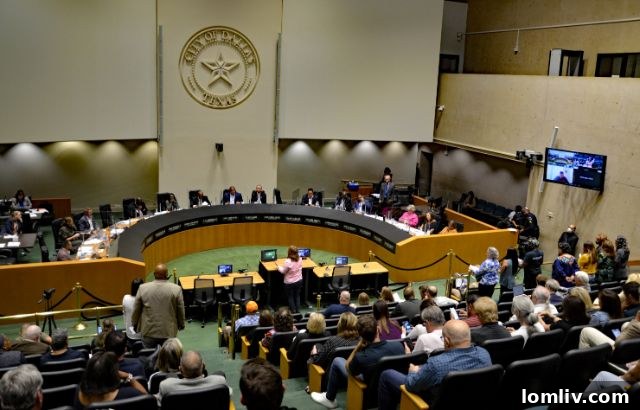
During a pivotal December city council meeting, Kyle Hines, the insightful Dallas Assistant Director of Housing and Neighborhood Revitalization, directly and unequivocally addressed these mounting concerns. Hines stated emphatically, “The articles and some of the critical information you will be reading about these Public Facility Corporations are, without question, prominently featured on our legislative agenda. The capability for certain PFCs to initiate and operate projects within a city that falls entirely outside their established jurisdiction, and to do so with absolutely no oversight or input from locally elected officials – that is precisely the concerning phenomenon that is actively unfolding. Our city council and our dedicated board are actively and resolutely supporting legislation specifically designed to fundamentally alter this existing framework, thereby ensuring that we are no longer confronted with this serious and pervasive issue moving forward. It is, beyond any shadow of a doubt, a profound and serious problem that unequivocally demands immediate and decisive legislative intervention.”
District 12 Councilwoman Cara Mendelsohn has distinguished herself as a particularly outspoken critic against the current, perceived deficiencies in PFC regulations. She has passionately and rigorously advocated for the urgent placement of the matter concerning unregulated entities, such as the Texas Essential Housing PFC, at the very top of the city’s priority list for the ongoing legislative session. Expressing her profound alarm and dissatisfaction, Councilwoman Mendelsohn candidly remarked, “It’s actively happening right here in my district, and frankly, I find it to be absolutely horrible.” Her resolute sentiment powerfully encapsulates a broader and increasingly widespread concern among local elected officials who firmly believe that decisions bearing direct and significant consequences on local tax bases and community-specific development initiatives should rightfully and firmly remain within the exclusive purview and authority of local governance and democratic oversight.
The multifaceted issue of housing affordability and the most effective methods for incentivizing its development, including through innovative mechanisms like PFCs, had already been subjected to rigorous scrutiny by the Texas House Committee on Urban Affairs. This committee meticulously reviewed the matter during a comprehensive meeting held in June, providing valuable preliminary insights: Availability of Workforce Housing and How it is Incentivized. The intense debate over the fundamental principle of local control extends well beyond the specific confines of PFCs, a fact powerfully evidenced by a separate and highly relevant discussion that took place at a recent Metroplex Mayors meeting. During this influential gathering, Senator Nathan Johnson (D-Dallas) and Representative Carl Sherman (D-DeSoto) collaboratively underscored the paramount and undeniable importance of meticulously maintaining robust municipal autonomy and strong local control over all critical development and taxation issues. According to Ken Malcomson, the distinguished president and CEO of the North Dallas Chamber of Commerce, their insightful and well-received statements “clearly were music to the ears of the audience,” a powerful affirmation signifying broad and enthusiastic support among local leaders for the imperative of greater local authority and self-determination in these crucial matters.
The Road Ahead: Anticipating Key Real Estate Outcomes from the Texas Legislature
As the 88th Texas Legislative session diligently progresses towards its scheduled conclusion in May 2023, the entire real estate market, including homeowners, investors, and developers across the expansive state, remains keenly focused on the unfolding debates and the potential, far-reaching policy shifts. The critical decisions made throughout this session regarding the state’s significant budget surplus, the implementation of comprehensive property tax reform, the launch of new housing affordability initiatives, and the decisive resolution of the contentious Public Facility Corporation oversight issue will, without a doubt, have enduring and profound ramifications. From the proposed caps on appraisal increases for single-family homes to the potential introduction of novel regulations for institutional investors and a renewed, emphatic emphasis on strengthening local control, the legislative agenda is poised to meticulously shape the future trajectory of Texas’s exceptionally dynamic and rapidly evolving housing landscape. These complex and interconnected discussions fundamentally underscore the intricate interplay between state-level policy, prevailing economic conditions, and the everyday lives of millions of Texans, particularly concerning their most significant investments: their homes and their overall financial well-being.
This legislative session represents a truly critical juncture, with lawmakers grappling with the dual, formidable challenges of adeptly managing robust state finances while simultaneously and effectively addressing persistent societal needs and pervasive economic pressures. The ultimate outcomes of these legislative efforts will not only exert a direct influence on property values and the burden of property taxes but will also significantly impact the fundamental availability of affordable housing options, the sustained pace of urban development, and the overarching economic health and vitality of communities spanning from the bustling metropolis of Dallas to the smallest, most remote rural towns. Staying comprehensively informed about these pivotal legislative developments is therefore absolutely essential and indispensable for anyone with a vested interest in or a direct connection to the vibrant and impactful Texas real estate market.
For the very latest, real-time updates, insightful in-depth analysis, and expert commentary on how the actions and legislative decisions of the Texas Legislature are dynamically impacting the broader real estate sector, we encourage you to continue following our comprehensive and dedicated coverage at daltxrealestate.com. We are committed to bringing you all the crucial information and expert perspectives as these pivotal policies are meticulously crafted and definitively take shape.