The Escalating Cost of Homeownership: How Tariffs and Regulations Impact the Housing Market
By Phil Crone
Executive Officer
Dallas Builders Association
In an era marked by a persistent nationwide affordability crisis—currently at a decade-low—the housing industry finds itself navigating an increasingly complex landscape. Just as builders and prospective homeowners grapple with existing challenges, a new and formidable hurdle emerges: the significant increase in tariffs stemming from the ongoing trade dispute between the United States and China. This development is poised to ripple through every facet of the housing sector, from the initial planning stages of new construction to critical remodeling projects, ultimately impacting the aspirations of countless Americans seeking the dream of homeownership.
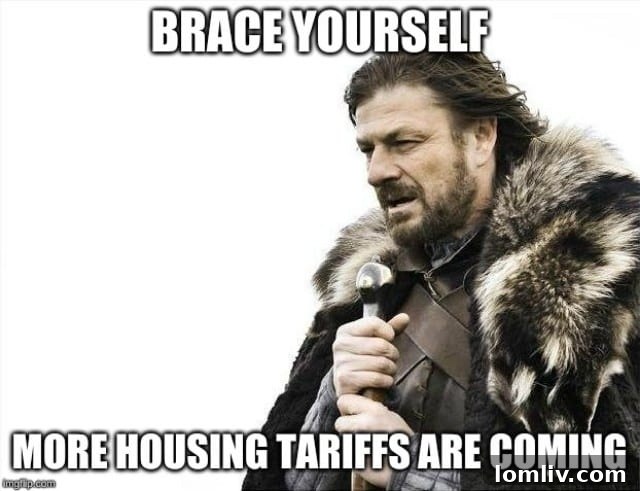
The latest escalation in the trade war has seen tariffs on approximately 450 essential building products climb from 10 percent to a staggering 25 percent. This isn’t just an abstract economic statistic; it directly affects a wide array of materials fundamental to creating comfortable and functional homes. Products such as ceramic tile, elegant countertops, durable laminates, essential lighting fixtures, and various furnishings are now subject to these amplified duties. For an industry already under pressure, this translates into tangible cost increases that will inevitably be borne by builders and, subsequently, by consumers.
The Immediate Financial Repercussions for Homeowners and Builders
The financial implications of these intensified tariffs are substantial and far-reaching. According to meticulous analysis by the National Association of Home Builders (NAHB), homeowners and homebuilders across the nation are projected to collectively shoulder an additional burden of $2.5 billion. This figure underscores the immense scale of the tariff impact, highlighting how seemingly incremental cost hikes on individual products aggregate into an astronomical sum for the industry as a whole. This direct increase in material costs compounds the existing strains on housing affordability, pushing the cost of new homes and renovations even higher.
Beyond the immediate industry costs, these trade policies cast a shadow over broader economic stability. Existing tariffs on Chinese imports and the retaliatory tariffs imposed by China have already had a noticeable effect, contributing to a reduction of U.S. Gross Domestic Product (GDP) by 0.15 of a percentage point. The introduction of these additional tariffs is anticipated to further depress the GDP by another half a point. While economists suggest that these tariff hikes alone may not trigger a full-blown recession, their cumulative effect on economic growth and consumer purchasing power is undeniable. For many families, this translates into fewer discretionary funds, reduced savings, and a longer path towards achieving their homeownership goals.
A Local Perspective: Anticipation and Apprehension Among Dallas Builders
Bringing the focus closer to home, the sentiment among members of the Dallas Builders Association is one of cautious apprehension. While many of the builders I’ve spoken with have not yet witnessed the direct impact of these most recent tariff increases on their current projects, there is a unanimous understanding that these costs are imminent. This anticipation is rooted in recent, painful memory.
The housing industry experienced a similar struggle with tariffs imposed on Canadian lumber from mid-2017 through approximately June of last year. During that period, the average price of a new home saw an increase of roughly $6,000, a significant jump that placed additional strain on homebuyer budgets. What was particularly concerning during the lumber tariff episode was the disproportionate rise in prices compared to the actual tariff percentages. This discrepancy led the NAHB to voice strong suspicions of market collusion among suppliers. Tellingly, lumber prices began to recede almost immediately after these concerns were formally conveyed to the U.S. Commerce Department, illustrating the delicate balance between trade policy, market dynamics, and fair competition.
This historical context serves as a stark warning for the current situation. The latest round of tariffs, which began affecting products shipped this month, is not expected to be fully felt on store shelves or in construction sites until later in the summer. This delay, while seemingly offering a brief reprieve, also creates an environment of uncertainty, forcing builders to make difficult decisions about pricing future projects and managing supply chain risks. The fear, as we witnessed with lumber, is that some manufacturers or suppliers may capitalize on this “crisis” to inflate prices beyond the actual tariff costs, prioritizing profit over market stability and consumer affordability. Such practices would only serve to deepen the existing affordability crisis, making the dream of homeownership even more elusive for many.
Beyond Tariffs: The Pervasive Impact of Costly Regulations
While tariffs represent a significant and immediate challenge, they are by no means the sole impediment facing the housing industry. A pervasive and long-standing concern for builders, whether operating at the local, state, or national level, remains the burden of costly regulations. These regulations, encompassing everything from zoning ordinances and stringent building codes to environmental permits and impact fees, significantly encumber the industry’s ability to construct homes efficiently and affordably.
The impact of excessive regulation extends far beyond the bottom line of a construction project. It severely limits the capacity of builders to provide access to burgeoning communities that boast excellent schools, vital infrastructure, and robust employment opportunities. When the cost of compliance inflates the final price of a home, it erects an artificial barrier, particularly for first-time homebuyers and moderate-income families. This, in turn, curtails their ability to participate in the wealth-creating opportunities traditionally associated with homeownership—opportunities that include building equity, establishing financial stability, and investing in their family’s future.
The intricate web of permits, approvals, and compliance checks adds not only direct financial costs but also considerable delays to construction timelines. These delays translate into increased carrying costs for builders, further escalating the final price of a home. Furthermore, restrictive zoning, such as those that favor large-lot single-family homes exclusively, often limits housing density, exacerbating supply shortages in desirable areas. To truly address the housing affordability crisis, a holistic approach is required—one that critically examines the cumulative impact of tariffs, material costs, labor shortages, and, crucially, the often-overlooked burden of regulatory frameworks.
Navigating the Future: A Call for Strategic Policy and Industry Resilience
The current confluence of rising tariffs and persistent regulatory hurdles presents an unprecedented challenge for the housing industry. Builders are forced to constantly innovate, seeking alternative sourcing strategies, optimizing construction processes, and engaging in proactive dialogue with policymakers. However, individual efforts alone cannot fully mitigate systemic issues that stem from broader trade policies and entrenched regulatory structures.
For the Dallas Builders Association and its members, the focus remains on advocating for policies that foster a more stable and predictable environment for home construction. This includes advocating for fair trade practices that do not unduly penalize essential building materials, and championing a critical review of regulations that add significant cost without commensurate value or benefit. The goal is to ensure that homeownership remains an achievable aspiration for a diverse range of income levels, supporting community growth and economic vitality.
Ultimately, the health of the housing market is intricately linked to the overall economic well-being of the nation. When homes become prohibitively expensive, it stifles economic mobility, hinders job growth in related sectors, and reduces consumer confidence. Addressing the affordability crisis requires a concerted effort from all stakeholders—policymakers, industry leaders, and communities—to identify and dismantle barriers to accessible housing. Only through strategic foresight and collaborative action can we ensure that the dream of homeownership remains vibrant and attainable for future generations.
 Phil Crone is the accomplished executive officer of the Dallas Builders Association, a prominent trade association and vital network for builders within the Dallas-Fort Worth metroplex. Through his leadership, the association actively promotes professionalism, advocates for the industry, and supports its members in navigating the complexities of the housing market. For more comprehensive information about the Dallas Builders Association and its impactful initiatives, please visit their official website at dallasbuilders.com.