Revitalizing History: The Purse Building Leads West End Dallas’s Transformation into a Modern Tech Hub
Downtown Dallas is a mosaic of vibrant districts, each with its unique character and potential. For over a decade, Tanya Ragan, President of Wildcat Management and a prominent female commercial developer in Dallas, has been at the forefront of this evolution. “I’ve spent almost the last 12 years downtown. I was there when no one wanted to be there,” Ragan recounts. “I know that when you talk about the Central Business District, you are really talking about 15 distinctly different districts.”

Among these dynamic areas, the West End stands out. Ragan affectionately describes it as almost a “Boston within Dallas,” a historical enclave increasingly bustling with innovative offices, eclectic restaurants, diverse retail spaces, and burgeoning residential options. Its strategic location offers unparalleled connectivity: “The offices are central — so close to downtown and the core,” she explains. “You can hop on DART, or you can walk outside and still see cobbled streets, connecting you to Dallas’s rich past.”
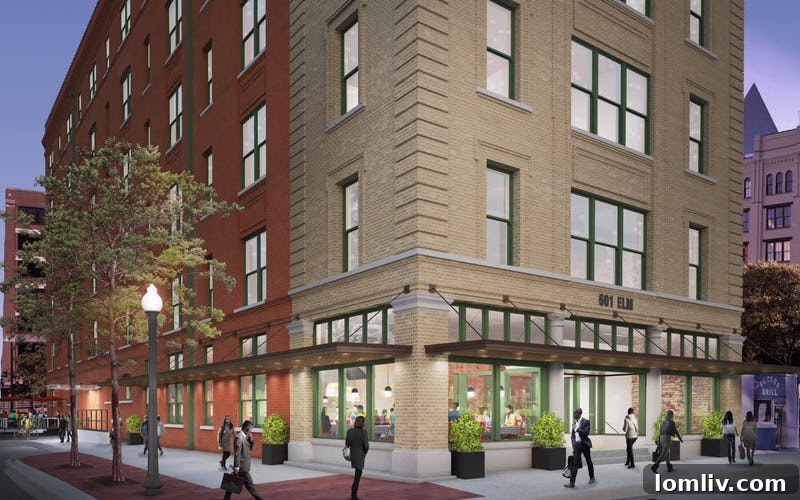
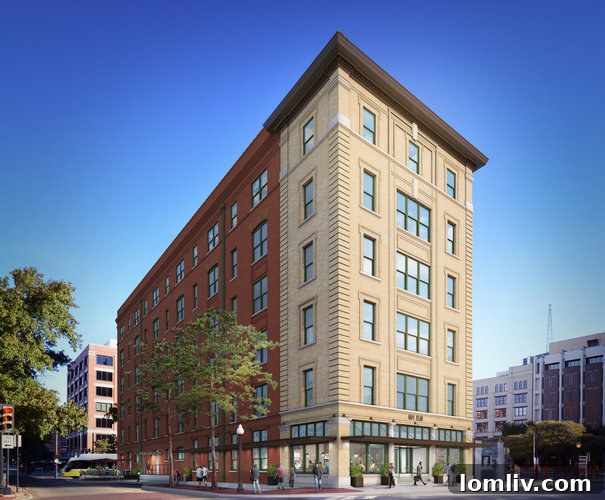
A native of Minnesota, Ragan is now channeling her extensive expertise into one of the West End’s most iconic and oldest structures: the Purse Building at 601 Elm Street. Her ambitious plan is to transform this historic edifice into a vibrant hub, perfectly tailored for the new wave of businesses and innovators flocking to Dallas.
The Purse Building: A Legacy Reimagined for Dallas’s Future
“For over a decade, the biggest story in Dallas real estate has been the redevelopment of the city center. With the rehabilitation of the Purse Building, we’re bringing that energy directly to the West End,” Ragan states with conviction. “Our goal is to foster technical innovation and smart city solutions, all while meticulously preserving the neighborhood’s incredible heritage.”
A Glimpse into the Past: The Purse Building’s Rich History
Erected in 1905, the six-story Purse Building on Elm Street boasts a rich and varied past. For three decades, it stood vacant, a silent testament to its former glory as office and warehouse space. Initially, it served the Parlin and Orendorff Implement Co., a significant player in agricultural equipment, hinting at Dallas’s deep agricultural roots. In the early 1900s, it transitioned to house Purse & Company Wholesale Furniture, linked to the esteemed family of Adelle Purse Toussaint. Its public service chapter saw it utilized by Dallas County for office space until 1994, after which it simply languished, awaiting a new chapter.
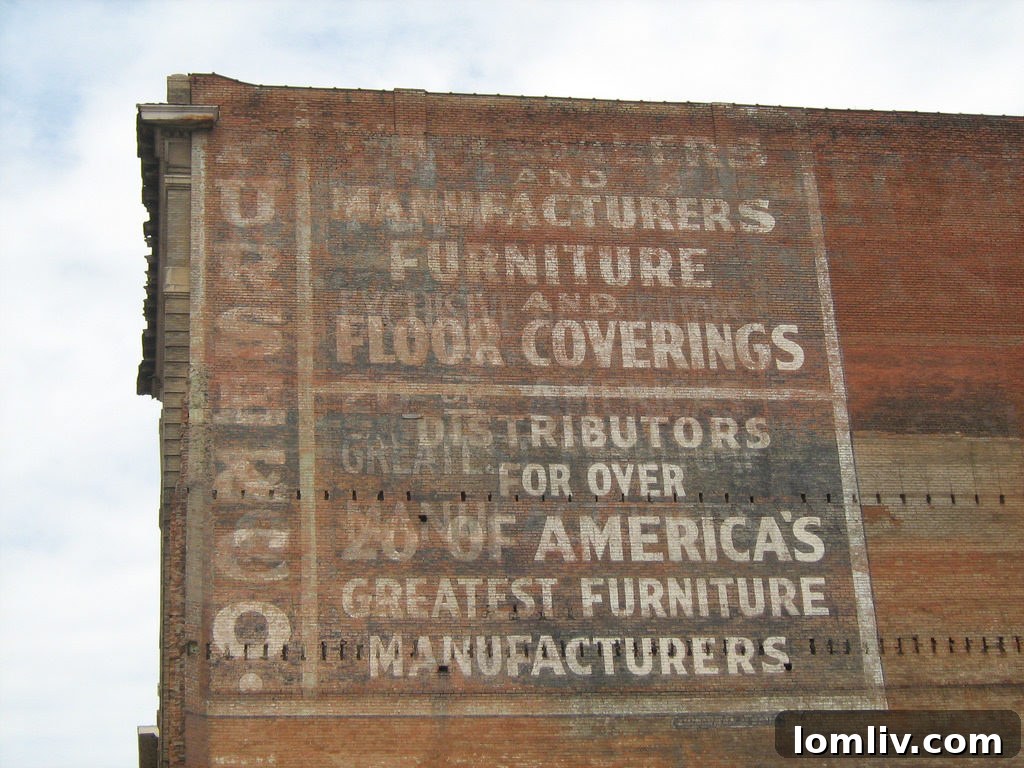
Four years ago, recognizing the nascent signs of revitalization returning to the West End, Tanya Ragan made a pivotal decision: she acquired the Purse Building. “It has always been called the Purse Building because of that old sign on the side,” Ragan reveals, referring to the faint, yet enduring, “ghost” sign that has long marked its identity.
A Meticulous Restoration: Blending Heritage with Modernity
Ragan’s vision for the Purse Building is a testament to thoughtful urban development: to meticulously restore and rebuild while safeguarding its original architectural integrity. The project commences with an intensive four to five-month demolition phase, clearing the way for a swift transition into comprehensive renovation. This entire process is projected to span 15 to 18 months, culminating in a revitalized landmark.
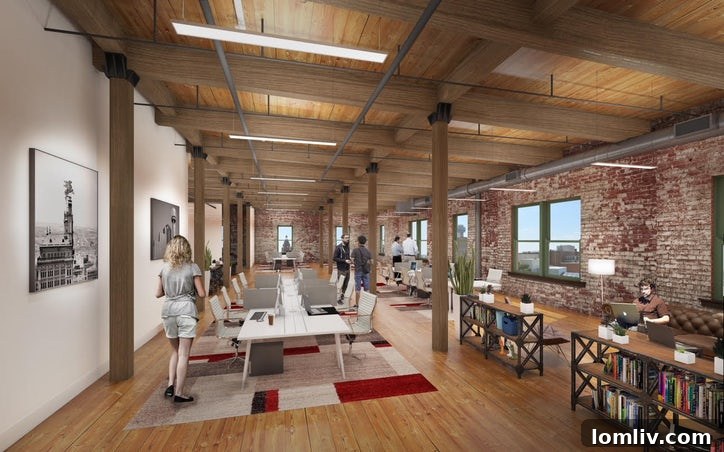
The interior of this 113-year-old structure is undergoing a meticulous restoration to recapture its authentic aesthetic. This includes carefully preserving and exposing original brickwork, reinstating soaring high ceilings, refurbishing the exquisite hardwood floors, and showcasing the building’s beautiful, historic columns. Wildcat Management is also collaborating closely with local historians, undertaking the delicate task of collecting original paint samples to restore the building’s exterior to its true historical appearance.
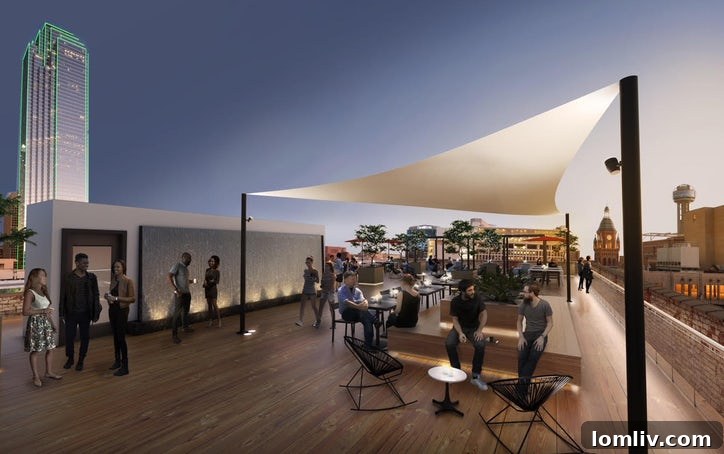
Beyond its undeniable historic charm, the newly renovated Purse Building will integrate a suite of modern amenities designed for today’s dynamic businesses. These include expansive open floor plans, breathtaking floor-to-ceiling windows that flood spaces with natural light, and a spectacular 3,300-square-foot rooftop deck, offering unparalleled, panoramic views of the downtown Dallas skyline.
Dallas’s Growing Tech Hub: The Perfect Fit for Creative Office Space
“The Purse Building is the last structure in this part of the West End that hasn’t undergone rehabilitation,” Ragan highlights. “It’s far more practical to transform this building into modern workspaces. It perfectly caters to the type of office user who appreciates these historic structures – the creative agencies, technology startups, and innovative firms that are increasingly choosing Dallas.”
Previous owners had considered converting the property into loft housing, but Ragan’s discerning eye identified creative office space as a significantly more pragmatic and impactful use, aligning with current market demands and Dallas’s economic trajectory. Her assessment is undeniably astute.
The “Rise of the Rest”: Why Dallas Attracts Tech Talent
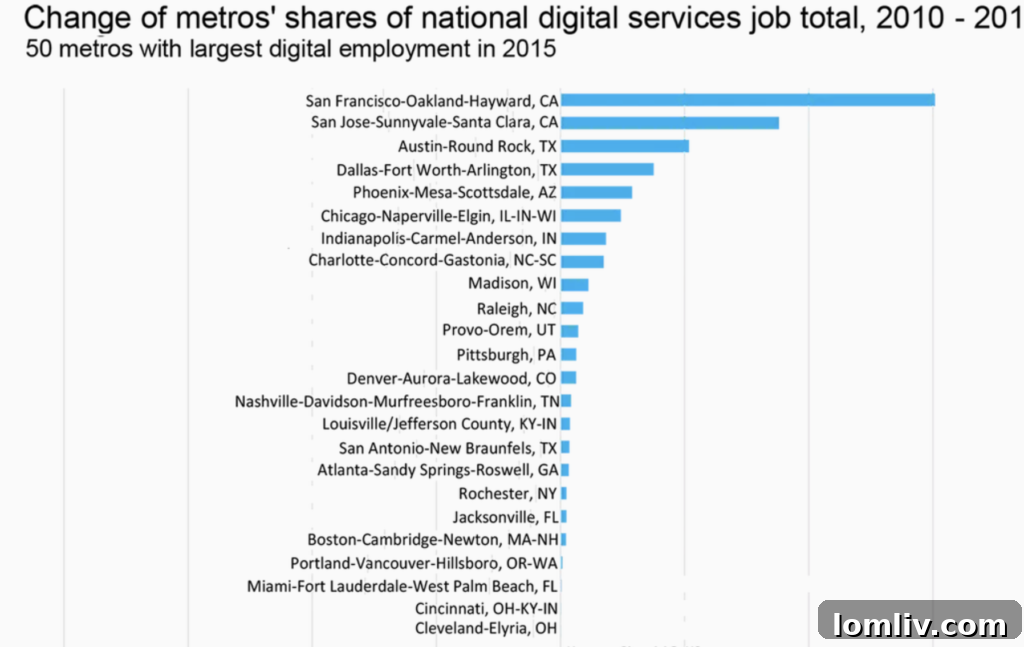
A compelling report from The Brookings Institute underscored Dallas’s accelerating growth, revealing an impressive addition of 15,000 tech jobs within a recent two-year period alone. This figure significantly surpasses other major cities like Phoenix (8,000) and Indianapolis (5,000). This burgeoning trend, characterized by the decentralization of tech jobs from traditional hubs like Silicon Valley into emerging “heartland” or “flyover” zones, is what visionaries like Steve Case refer to as the “rise of the rest.” This strategic dispersal helps mitigate the concentration of high-skill elites in a single, often high-cost, area like the San Francisco Bay area, fostering economic balance and innovation nationwide.
Furthermore, Dallas offers a critical advantage: substantially lower housing costs compared to the Bay Area, making it a highly attractive destination for tech professionals seeking affordability without compromising career opportunities or quality of life.
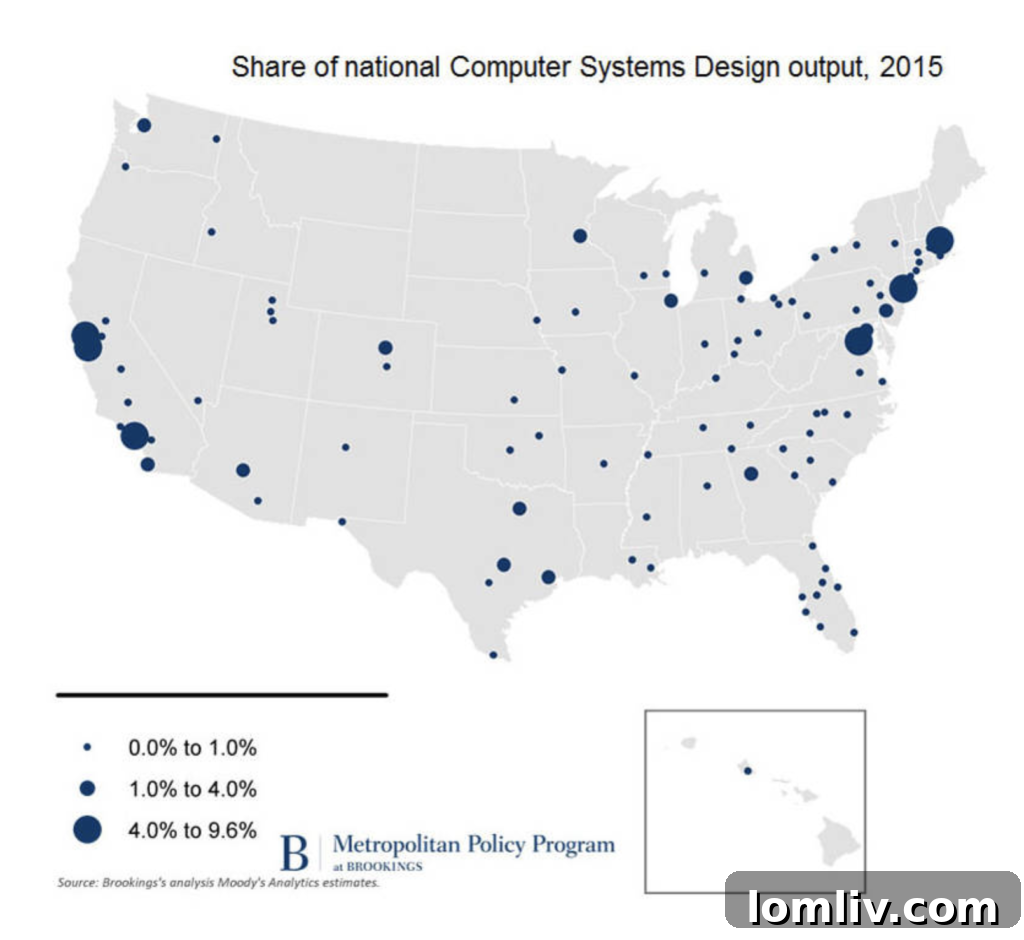
Consider the computer-systems-design industry, a robust indicator of tech sector vitality:
Nationally, computer-systems-design enterprises generated nearly one-third (198,000) of all new advanced sector jobs between 2013 and 2015. Moreover, employment growth in the industry exploded over the past two years, to the point where it surged by nearly 10% a year in San Jose, by 12.4% in San Francisco, and by a whopping 18.4% in Austin. In short, computer systems design epitomizes the current tech boom.
The West End’s Continued Resurgence: A Ripple Effect of Investment
The West End, historically an industrial area famously housing the Texas Schoolbook Depository, experienced its initial rebirth in the late 1970s, transforming into a bustling restaurant and retail district catering to downtown tourists. While the area has seen its share of ebbs and flows over the decades, the past five years have witnessed an unprecedented boom.
According to Ragan, the primary end-users driving this revitalization are office and retail sectors, complemented by a growing number of residential developments. Major developers have poured significant investments into the area, underscoring its immense potential:
- **Crescent Real Estate** is constructing a substantial 163,000-square-foot office building, set to become the new home for Corgan Architects.
- **Granite Properties** has invested over $75 million to reimagine the old West End Marketplace on Market Street, transforming it into the innovative Factory Six03 project.
- **Lincoln Property** is actively renovating several key buildings along Market Street, creating dynamic new spaces for both retail and office tenants.
“There is a palpable new vibrancy down there,” Ragan enthusiastically affirms. “It’s been a powerful ripple effect from all that strategic investment. It’s been truly fantastic to collaborate with these other groups. Their willingness to make these significant investments is clearly yielding tangible and exciting results now.”
In a remarkably short span, the West End has profoundly transformed, adapting to accommodate a new demographic relocating to Dallas: young, highly skilled, innovative professionals who cherish historical architecture blended with modern amenities.
“You’ve got unparalleled transit access, you’ve got increasingly affordable housing options compared to other tech hubs, and you have exceptional walkability,” Tanya explains. “There’s a unique combination of preserved history and cutting-edge creative spaces here that you simply don’t find in other parts of town. It makes the West End an ideal ‘think space’ for our rapidly expanding technology hub.”
Wildcat Management: A Catalyst for Dallas’s Economic Future
For Tanya Ragan, the redevelopment of the Purse Building is a natural and deeply resonant extension of Wildcat Management’s core mission.
“Wildcat Management has a proven track record as a driving force behind key urban revitalization projects, including the transformative turnaround of the Dallas Farmers Market and the strategic relocation of the Historic Liberty State Bank Building. These efforts, among others, have significantly spurred economic development throughout downtown Dallas,” she proudly recounts. “Now, we are poised to amplify the West End’s reputation, firmly establishing it as an emerging hub for innovators and entrepreneurs. The revitalization of the Purse Building is not just about a single structure; it’s about attracting the next generation of young professionals who desire to live, work, and thrive in one of our city’s most vibrant and promising neighborhoods.”
The Purse Building’s restoration signifies more than just the revival of an old structure; it represents a powerful commitment to Dallas’s future, intertwining its rich past with its exciting potential as a leading tech and innovation hub. This project is set to firmly position the West End as a premier destination for businesses and individuals seeking a dynamic urban experience.