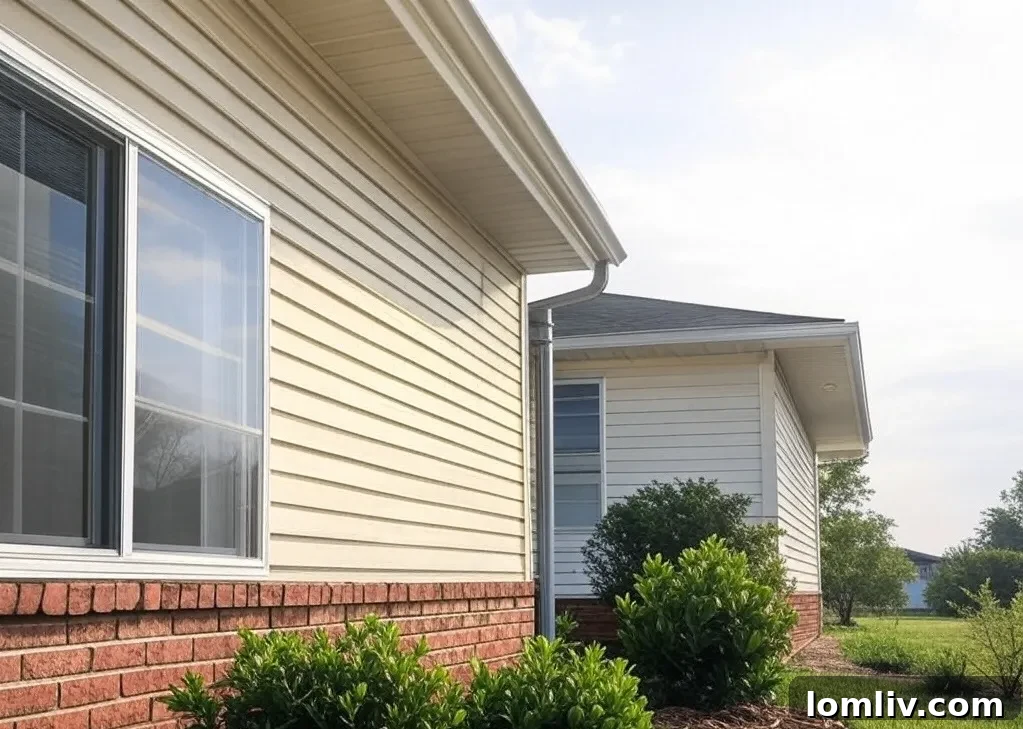
Home maintenance encompasses far more than just significant, costly repairs like roof replacements, structural wall fixes, or foundation overhauls. Often overlooked, yet critically vital components in safeguarding a home from the destructive forces of water and moisture are the soffits and gutters. These unassuming elements play a pivotal role in preserving your home’s integrity, ensuring proper drainage, preventing pest infestations, and contributing to overall energy efficiency. Understanding their function, recognizing signs of wear, and implementing routine maintenance are crucial steps for any homeowner dedicated to protecting their investment for the long haul.
This comprehensive guide will delve deep into the world of soffits and gutters, explaining their fundamental roles, highlighting their immense importance, exploring the various types available, identifying common issues, and providing actionable maintenance strategies. By the end, you’ll have a clear understanding of how these essential components work tirelessly to keep your dwelling safe, dry, and structurally sound.
Decoding Soffits and Gutters: Your Home’s Unsung Protectors
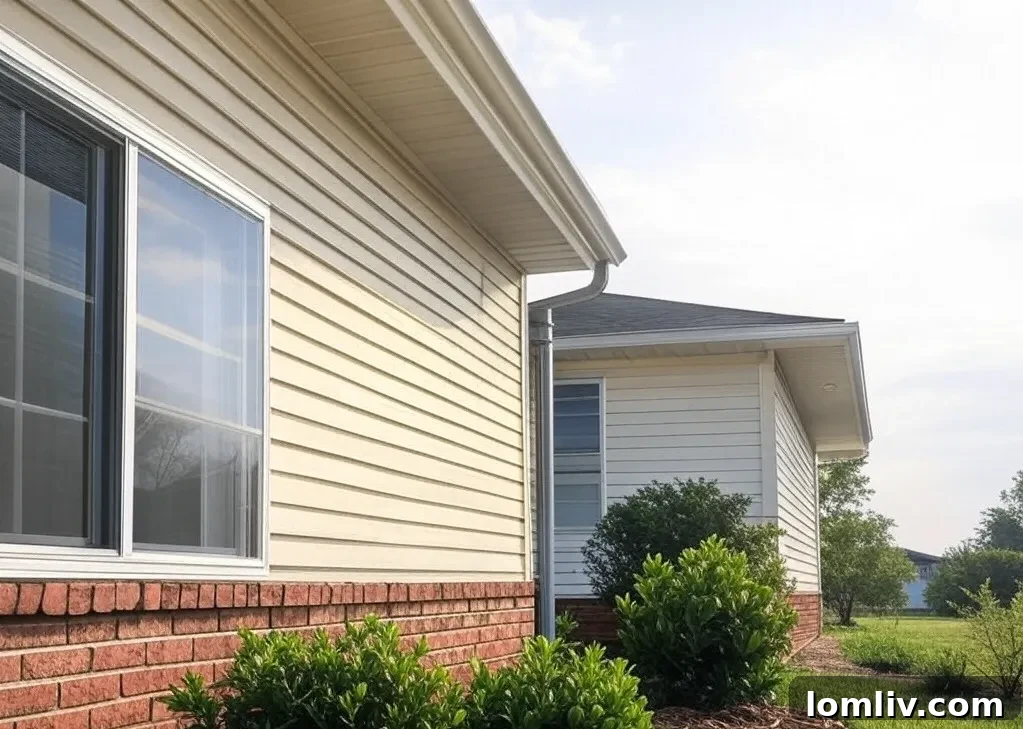
Soffits: More Than Just an Aesthetic Finish
The term “soffit” refers to the finished underside of the eaves where the roof overhangs the wall of a house. Beyond merely providing a neat, finished appearance to the exterior, soffits are an integral part of your home’s ventilation system. They serve as the entry point for fresh air into the attic, working in conjunction with ridge vents or other exhaust vents to create a continuous airflow. This airflow is essential for several reasons: it prevents excessive heat buildup in the attic during warmer months, helps to mitigate moisture accumulation that can lead to mold and rot, and acts as a barrier against pests seeking entry into your home’s vulnerable attic space.
Gutters: The First Line of Defense Against Water Damage
A gutter system is a network of channels and downspouts installed along the perimeter of your roofline. Its primary function is to collect rainwater and meltwater as it flows off the roof and direct it away from the house’s foundation, siding, and landscape. Without a properly functioning gutter system, rainwater would cascade directly from the roof’s edge, causing a host of severe and costly problems. These issues include significant soil erosion around the foundation, potential damage to the fascia boards (the trim behind the gutters), rot in soffits, staining and deterioration of exterior walls, and even direct water intrusion into basements or crawl spaces.
The Indispensable Role of Soffits in Your Home’s Health
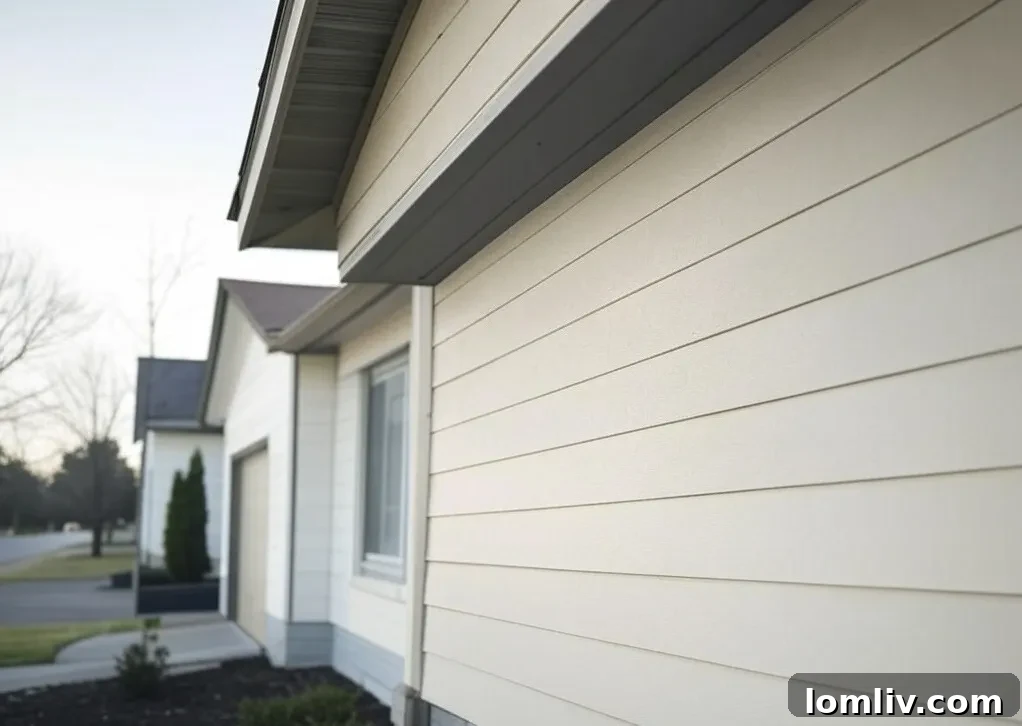
Soffits are not merely decorative elements; they are cornerstones of your home’s protective and energy-efficient systems. Their strategic placement and design contribute significantly to both the longevity and comfort of your living space.
- Combating Excess Moisture and Mold: One of the most critical functions of soffits is to facilitate attic ventilation. Soffit vents allow cooler, drier air to enter the attic. This air then pushes warmer, moisture-laden air out through exhaust vents (like ridge vents), creating a crucial cross-ventilation effect. Without this continuous airflow, moisture can accumulate, leading to condensation, wood rot, and the proliferation of harmful mold and mildew. Such conditions not only compromise the structural integrity of your roof and attic but can also pose serious health risks to occupants.
- Regulating Attic Temperature and Boosting Energy Efficiency: During warm months, the sun’s intense rays can significantly heat your roof and, consequently, your attic. Proper soffit ventilation helps to expel this trapped hot air, reducing the attic’s temperature. This, in turn, lessens the thermal load on your air conditioning system, leading to lower energy consumption and reduced utility bills. In colder climates, good attic ventilation helps prevent ice dams by keeping the roof surface temperature more consistent, preventing snow from melting and refreezing at the eaves.
- Preventing Unwanted Pest Infestations: Soffits act as a protective barrier, sealing the gap between your roof and exterior walls. Without this barrier, or if the soffits are damaged, pests such as insects (wasps, bees), birds, squirrels, bats, and rodents can easily gain access to your attic. Once inside, these unwelcome guests can cause extensive damage to insulation, electrical wiring, and wooden structures, creating health hazards and requiring costly extermination and repairs.
- Contributing to Structural Integrity and Aesthetic Appeal: Beyond their functional benefits, soffits complete the architectural look of your home, covering exposed rafters and giving a clean, finished edge to the eaves. They protect the vulnerable rafter tails and other structural elements from direct exposure to weather, further contributing to the overall durability of your home.
If you observe signs of wear, damage, or inadequate ventilation in your soffits, prompt attention is critical. Addressing small issues quickly can prevent them from escalating into more extensive and expensive structural problems down the line. Timely soffit repairs are a wise investment in your home’s future.
The Critical Importance of Gutters in Protecting Your Home
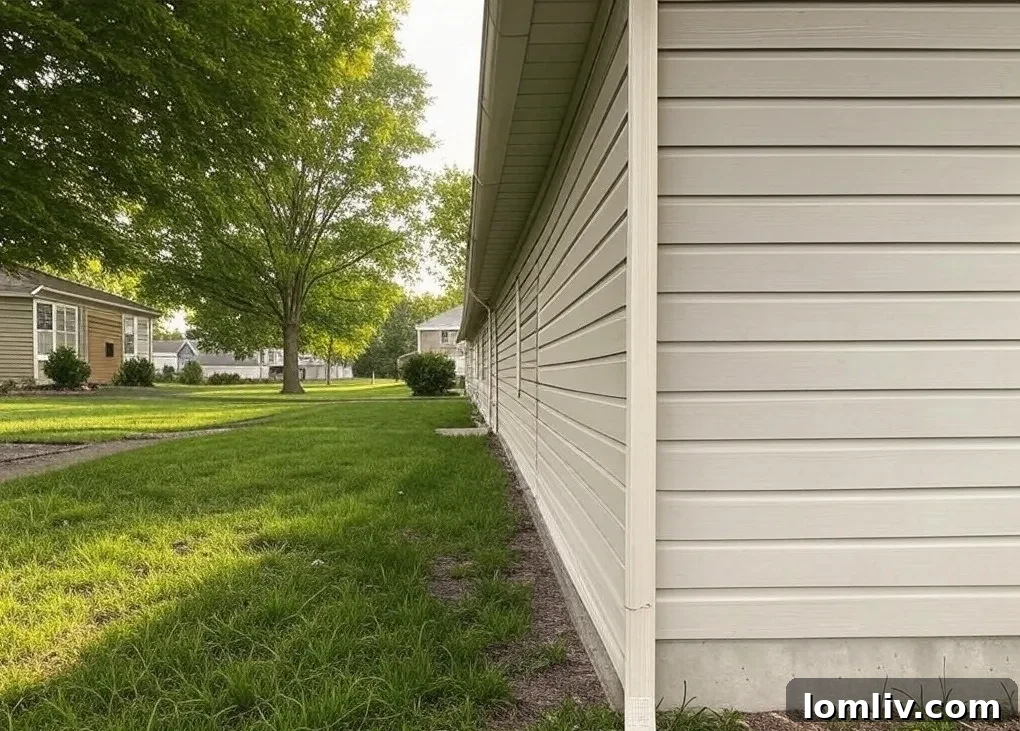
Gutters are often taken for granted until they fail, at which point their crucial role in managing rainwater becomes painfully clear. A properly functioning gutter system is indispensable for preserving various aspects of your property, from its very foundation to its surrounding landscape.
- Preventing Catastrophic Foundation Damage: This is arguably the most critical function of gutters. When rainwater is allowed to pour directly from the roof onto the ground immediately surrounding your home, it saturates the soil. This excess moisture can exert immense hydrostatic pressure against your foundation walls, leading to cracks, leaks, and even structural shifts. Over time, repeated cycles of soil expansion (when wet) and contraction (when dry) can severely compromise the stability of your home’s foundation, resulting in costly repairs that can run into tens of thousands of dollars.
- Shielding Your Landscape and Preventing Erosion: Uncontrolled runoff from the roof can wreak havoc on your garden beds, lawns, and valuable landscaping. The force of falling water can erode topsoil, wash away mulch, damage delicate plants, and create unsightly trenches or muddy areas around your property. Gutters ensure that water is channeled neatly away, preserving your meticulously crafted outdoor spaces and preventing localized flooding.
- Protecting Fascia, Soffits, and Exterior Siding from Rot: Clogged or improperly sloped gutters can cause water to back up and overflow, often directly onto the fascia boards, soffits, and exterior siding. Constant exposure to moisture will lead to wood rot, peeling paint, and the deterioration of other building materials. This not only detracts from your home’s curb appeal but also creates pathways for pests and further structural damage. Protecting these components is vital for maintaining the home’s envelope.
- Preventing Basement and Crawl Space Flooding: A direct consequence of inadequate foundation protection is the risk of basement or crawl space flooding. When water accumulates near the base of your home, it inevitably finds its way through cracks or porous materials, leading to dampness, mold, property damage, and a generally unhealthy indoor environment. Gutters are the first line of defense against these common and frustrating issues.
- Protecting Driveways, Patios, and Walkways: Beyond the immediate structure, effective drainage prevents water from pooling on or undermining hardscaping elements like driveways, sidewalks, and patios. This reduces slip hazards, minimizes splashback onto your house, and prevents erosion beneath these surfaces that can lead to cracks and instability.
Exploring Diverse Types of Soffits and Gutters
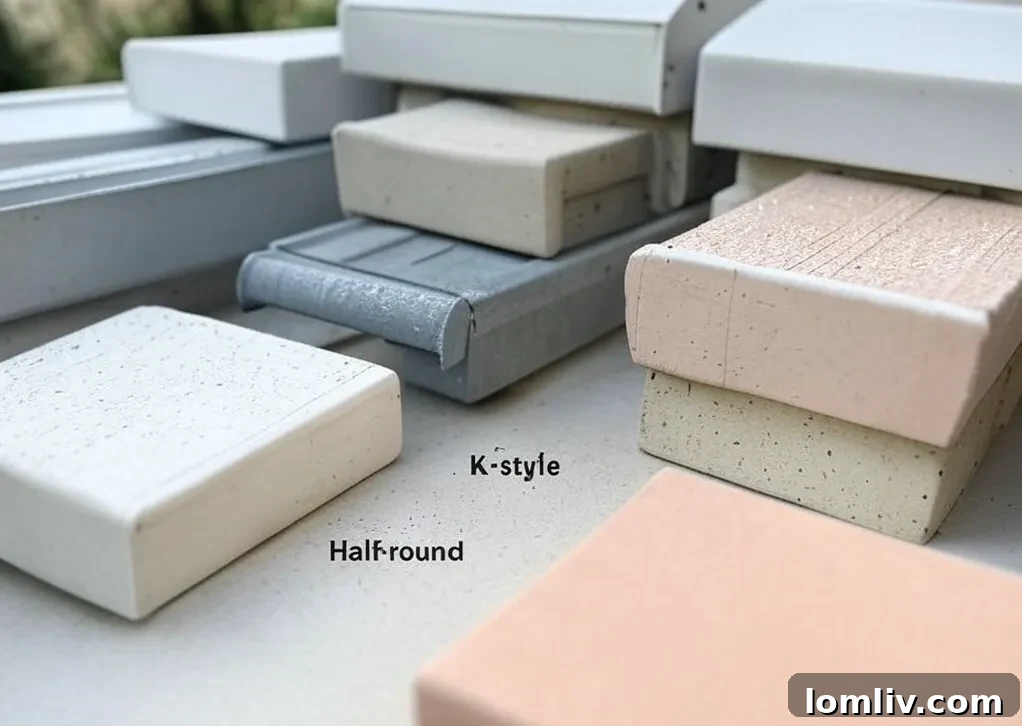
Homeowners have a range of choices when it comes to selecting soffit and gutter materials, each offering distinct advantages in terms of durability, cost, maintenance, and aesthetic appeal.
Common Types of Soffit Materials
- Aluminum Soffit: Highly popular due to its excellent combination of strength, rust resistance, and low maintenance requirements. Aluminum soffits come in a wide array of colors, making it easy to match your home’s exterior. They are lightweight, durable, and offer superior ventilation options, often featuring pre-punched holes or continuous vents. While slightly more expensive than vinyl, their longevity and resilience make them a worthwhile investment.
- Vinyl Soffit: A cost-effective and moisture-resistant option, making it an excellent choice for many homeowners. Vinyl soffits are available in various textures and colors, are easy to install, and require minimal upkeep beyond occasional cleaning. However, they may not be as rigid or impact-resistant as aluminum, and can potentially warp in extreme heat or crack in very cold temperatures if not properly installed.
- Wood Soffit: Often chosen for its classic, natural aesthetic that complements many traditional architectural styles. Wood soffits can be painted or stained to match specific preferences. However, wood requires more significant care and maintenance compared to aluminum or vinyl. It is susceptible to rot, mold, mildew, and pest infestations if not regularly painted, sealed, and inspected. Certain wood types, like cedar, offer better natural resistance but still require attention.
- Fiber Cement Soffit: Gaining popularity for its exceptional durability, fire resistance, and resistance to pests and rot. Fiber cement offers a high-end look, often mimicking wood grain, and can be painted to suit any color scheme. It is heavier and typically requires professional installation, making it a more expensive option upfront, but it boasts a very long lifespan and excellent performance.
Understanding Gutter Systems
- Sectional Gutters: These are the most common type for DIY installation and are typically found in hardware stores. Sectional gutters are made from multiple pre-cut pieces of material (usually aluminum or vinyl) that are joined together with connectors, sealants, and fasteners. While they are generally less expensive to purchase and install, the numerous seams create multiple potential leak points. These seams also tend to catch debris, making them more prone to clogs and requiring more frequent maintenance.
- Seamless Gutters: Custom-fabricated on-site using a special machine that rolls out a continuous piece of aluminum (or other material) to the exact length of your roofline. The primary advantage of seamless gutters is the absence of joints, which drastically reduces the risk of leaks and clogs. This makes them significantly more durable and less prone to maintenance issues. While the initial investment is higher due to professional installation, their superior performance and longevity often make them the preferred choice for long-term home protection.
- Gutter Materials:
- Aluminum: The most common material for both sectional and seamless gutters due to its lightweight nature, rust resistance, affordability, and availability in many colors.
- Galvanized Steel: Stronger and more durable than aluminum but heavier and susceptible to rust over time, especially if the protective coating is scratched.
- Copper: A premium option known for its exceptional durability, corrosion resistance, and distinctive aesthetic. Copper gutters develop a beautiful patina over time and require virtually no maintenance, but they are significantly more expensive.
- Zinc: Similar to copper in durability and appearance, developing a unique matte patina. Zinc is very long-lasting but also comes at a higher price point.
Identifying Signs of Problematic Soffits or Gutters
Early detection of issues with your soffits and gutters can save you from far more extensive and costly repairs. Regular visual inspections are key to identifying these warning signs before they escalate into major problems.
- Signs of Soffit Problems:
- Peeling Paint or Discoloration: This often indicates consistent moisture exposure, possibly from a leaky roof, overflowing gutters, or poor attic ventilation leading to condensation.
- Rotting, Soft, or Deteriorating Wood: A clear sign of prolonged water damage. Soft spots or crumbling wood indicate that the material has absorbed too much moisture and is failing.
- Holes, Nests, or Pest Activity: Visible holes, gnaw marks, bird nests, or evidence of insects (like wasp nests) suggest that pests have found a way into your attic through damaged soffits.
- Sagging or Bowing: If soffit panels appear to be sagging or bowing, it could be due to water saturation, structural damage, or improper installation.
- Mold or Mildew Growth: Any visible mold or mildew on the soffit surface points directly to persistent moisture issues and potentially inadequate ventilation.
- Signs of Gutter Problems:
- Leaks or Drips: Obvious leaks from seams (in sectional gutters), cracks, or holes indicate that the system is failing to properly channel water.
- Clogs or Overflowing Water: If water pours over the sides of your gutters during rain, even light rain, it’s a strong indication of a severe clog from leaves, twigs, and debris in the gutter trough or downspouts.
- Sagging or Pulling Away from the Fascia: Gutters that are sagging or detaching from the house are likely overwhelmed by the weight of water and debris, or their hangers have failed. This can lead to fascia rot and further structural damage.
- Rust Spots or Corrosion: Especially common with steel gutters, rust can indicate the material is degrading and will soon lead to holes and leaks.
- Puddles or Erosion Near the Foundation: Even without visible gutter problems, if you consistently see standing water or soil erosion around your home’s foundation after rain, your gutters are not effectively directing water away from the house.
- Bent or Damaged Downspouts: Downspouts are critical for directing water away; if they are bent, detached, or blocked, the entire system’s effectiveness is compromised.
- Other Related Signs:
- Musty Odor in the Attic or Basement: A persistent musty smell is a telltale sign of moisture accumulation and potential mold growth, often stemming from issues with soffit ventilation or foundation dampness caused by poor drainage.
- Water Stains on Interior Walls or Ceilings: These are critical indicators that water is penetrating your home’s exterior envelope, potentially due to roof leaks, overflowing gutters, or compromised soffits, necessitating immediate investigation.
- Increased Energy Bills: A poorly ventilated attic (due to blocked soffit vents) can lead to higher heating and cooling costs as your HVAC system works harder to compensate for temperature extremes.
Statistics and Facts: The Impact of Soffits and Gutters
Understanding the broader impact and common issues related to soffits and gutters can underscore their importance for homeowners:
- According to the National Association of Home Builders (NAHB), an estimated 85% of homes in the US are equipped with gutters. However, a significant portion of these systems are not adequately maintained, leading to preventable damage.
- A report from the Environmental Protection Agency (EPA) consistently highlights that moisture intrusion from poor exterior drainage is a leading contributor to mold growth in residential properties, affecting indoor air quality and occupant health.
- The average cost for professional gutter cleaning in the US typically ranges between $150 and $350 per visit, depending on factors such as home size, roof accessibility, and the amount of accumulated debris. This cost is minimal compared to potential repair expenses.
- Replacing existing gutters with new seamless systems can vary widely in cost, generally ranging from $3 to $30 per linear foot. This cost is influenced by the chosen material (e.g., aluminum, copper), the complexity of the installation, and local labor rates.
- Many state and local building codes, particularly in regions prone to heavy rainfall or specific climate challenges like California and Florida, mandate proper gutter and downspout systems to mitigate erosion, prevent structural damage, and manage stormwater runoff effectively.
- Foundation repairs due to water damage can be among the most expensive home repairs, with costs often ranging from $5,000 to upwards of $30,000, underscoring the preventative value of functional gutters.
- Studies indicate that proper attic ventilation, largely facilitated by soffit vents, can reduce attic temperatures by up to 30 degrees Fahrenheit in summer, leading to substantial savings on air conditioning costs.
Proactive Care: How to Maintain Your Soffits and Gutters
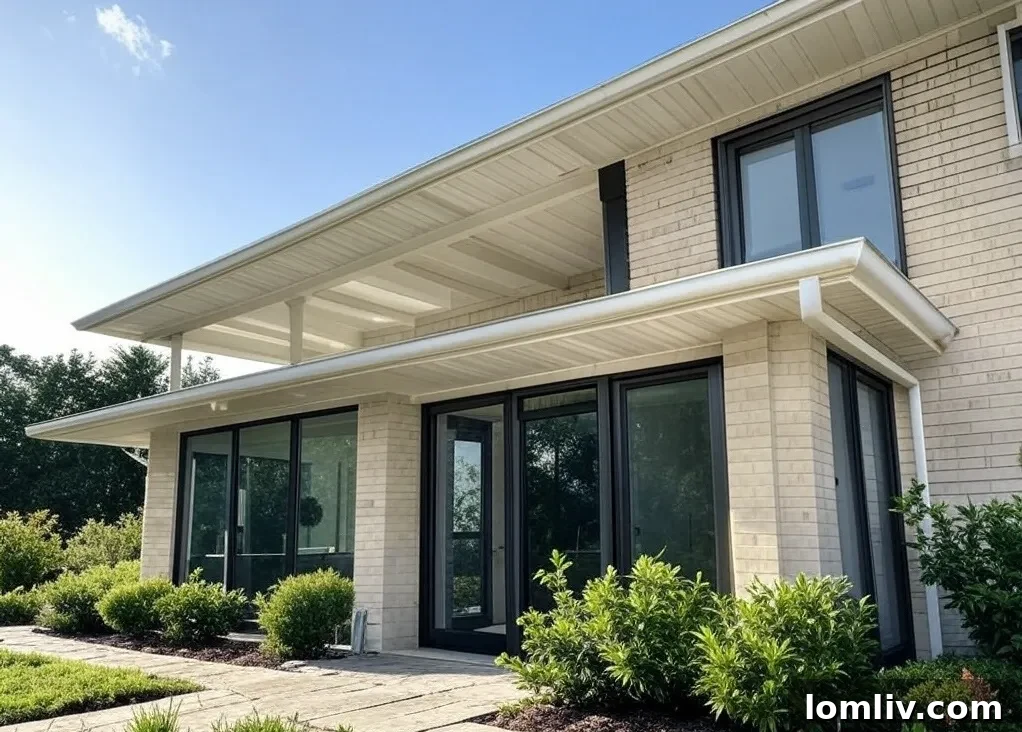
Regular, proactive maintenance is the most effective way to ensure your soffits and gutters perform optimally and protect your home for years to come. Neglecting these tasks almost always leads to more significant and expensive problems down the line.
- Seasonal Gutter Cleaning: Make it a habit to clean your gutters at least twice a year—ideally in the spring after tree buds open and in the late fall after all leaves have fallen. In areas with abundant trees, more frequent cleaning may be necessary. Remove all leaves, twigs, dirt, and other debris that can lead to clogs. Don’t forget to flush downspouts with a hose to ensure they are clear and free-flowing. Consider hiring a professional service if you are uncomfortable working on ladders or have a multi-story home.
- Regular Soffit Inspections: Periodically walk around your home and visually inspect your soffits for any signs of damage. Look for peeling paint, discoloration, soft spots, pest entry points, or mold growth. Ensure that soffit vents are not blocked by paint, insulation, or debris, as this impedes proper attic ventilation. Address any minor issues like repainting or sealing small cracks promptly.
- Ensure Proper Gutter Slope: Gutters need a slight downward slope (typically about 1/4 inch per 10 feet) towards the downspouts to allow water to drain efficiently. If water is pooling or standing in your gutters, it indicates an improper slope or sagging, which needs to be corrected to prevent stagnant water and debris buildup.
- Install Downspout Extensions: Ensure that your downspouts discharge water at least 5-10 feet away from your home’s foundation. Splash blocks or downspout extensions are simple, inexpensive solutions to direct water far enough away to prevent it from pooling and seeping into the soil near your foundation.
- Consider Gutter Guards: Gutter guards, screens, or covers can significantly reduce the frequency of gutter cleaning by preventing leaves and large debris from entering the troughs. There are various types, including mesh screens, reverse-curve systems, and fine micro-mesh filters. While no system is entirely maintenance-free, they can be a worthwhile investment, especially in heavily treed areas, to minimize blockages.
- Trim Overhanging Branches: Regularly trim tree branches that overhang your roof. This will reduce the amount of leaves, twigs, and other organic matter that falls into your gutters, decreasing the likelihood of clogs and extending the life of your roofing materials.
- Check for Damage After Storms: Following severe weather events like heavy rain, strong winds, or hail, conduct a quick inspection of your gutters and soffits. Look for loosened hangers, bent sections, detached downspouts, or any other visible damage that might have occurred.
Repair, Replace, or Renovate? Making Informed Decisions
Knowing when to opt for a repair versus a complete replacement is crucial for effective home maintenance and financial planning. Timely action can prevent minor issues from becoming catastrophic failures.
- When to Repair Soffits: Minor issues like peeling paint, small cracks, or isolated areas of superficial rot can often be repaired. This might involve scraping, sanding, priming, and repainting the affected area, or replacing a small section of wood. If the damage is purely cosmetic or confined to a single, small spot and the underlying ventilation system is otherwise sound, a repair is usually sufficient and cost-effective. Small holes from pests can be patched, reinforced, and painted.
- When to Replace Soffits: Widespread rot, significant structural damage, extensive pest infestation that has compromised multiple sections, or severe warping often necessitate full soffit replacement. If the problem stems from a fundamental design flaw in your home’s ventilation system, replacing the soffits with modern, well-vented options is a long-term solution. Leaving rotten or severely damaged soffits in place will only exacerbate moisture problems and pest entry, leading to more costly repairs to the roof structure or attic.
- When to Repair Gutters: Small leaks at seams (for sectional gutters), a single loose hanger, a minor dent, or a detached downspout can often be repaired. Leaks at seams can be sealed with gutter sealant, loose hangers can be re-fastened, and downspouts can be re-attached or replaced if only a section is damaged. Proper re-sloping for isolated sagging areas might also fall under a repair.
- When to Replace Gutters: If your gutters are extensively rusted, cracked in multiple places, severely bent or warped, or constantly overflowing despite regular cleaning, it’s usually time for a full replacement. Frequent clogs, persistent leaks, or significant sagging along large sections indicate that the system is no longer effectively performing its duty. Replacing old, failing sectional gutters with a new seamless gutter system can be a wise investment, offering superior performance, durability, and significantly reduced maintenance. While the initial outlay is higher, the long-term benefits in terms of home protection and reduced hassle are substantial.
By making informed decisions about whether to repair or replace, you can maintain your home’s exterior envelope effectively. Don’t wait until you see significant water damage inside your home or discover a foundation issue; address soffit and gutter problems proactively. Investing time and resources into the regular care and timely replacement of these critical components is one of the smartest ways to safeguard your home’s structural integrity, prevent costly repairs, and ensure a healthy, comfortable living environment for years to come.