Receiving a notice of default or even suspecting one is on its way can be an incredibly daunting experience. It’s a moment that often brings a mix of fear, confusion, and a sense of impending loss. However, it’s crucial to understand that a pre-foreclosure notice is not the final chapter. Instead, it represents a critical window of opportunity—a chance to regroup, assess your options, and proactively take control of your situation before your home is officially foreclosed upon. Many homeowners mistakenly believe that once this notice arrives, all hope is lost. In reality, the pre-foreclosure phase is specifically designed to provide a legal and practical timeframe for homeowners to resolve their mortgage delinquency and explore viable alternatives to prevent the loss of their property.
Pre-foreclosure is the period that begins after a homeowner has missed multiple mortgage payments, signaling to the lender that the loan terms have been breached. This phase precedes the formal legal process of foreclosure and the eventual auctioning of the property. It serves as a stern warning from your lender, indicating their intent to reclaim the property if the outstanding debt is not addressed. However, it is not a declaration of immediate eviction. This crucial interim period is designed to allow homeowners the chance to actively work towards a resolution. Options typically include negotiating a loan modification with the lender, exploring refinancing opportunities, or, for many, strategically selling the property to pay off the mortgage and avoid the damaging repercussions of a full foreclosure. Understanding this distinction is key to navigating the challenges ahead and making informed decisions.
Decoding Pre-Foreclosure: Triggers and Timelines
The journey to pre-foreclosure typically begins long before the official notice arrives. It starts with a series of missed mortgage payments. Most lenders will initiate the pre-foreclosure process after a homeowner has fallen three to six months behind on their mortgage obligations. Initially, you might receive late payment notices and phone calls, followed by more serious warnings such as a “Notice of Intent to Accelerate.” This particular notice informs you that if the missed payments and associated fees are not paid, the lender will demand the full remaining balance of the loan, leading to the formal commencement of foreclosure proceedings.
Once a “Notice of Default” (NOD) is officially issued and recorded, the clock truly starts ticking. The duration of the pre-foreclosure period can vary significantly based on your state’s laws, the type of mortgage you hold, and your specific lender’s policies. Some states have “judicial foreclosure” processes, which require the lender to go through the court system, often leading to longer timelines. Other states follow “non-judicial foreclosure,” which can be much quicker, sometimes just a matter of months. Generally, homeowners can expect to have anywhere from 60 to 120 days—and occasionally even longer—before the property is scheduled for a foreclosure auction. This seemingly short window is your critical opportunity to explore and implement solutions. While the timeline is tight, it is a very real period during which proactive steps can avert a devastating outcome.
Beyond the immediate threat to your home, missed payments carry significant long-term consequences, primarily impacting your credit score. Each late payment and, more severely, a notice of default or foreclosure entry, can drastically reduce your creditworthiness. A damaged credit score can severely limit your ability to secure future loans, rent new housing, obtain favorable insurance rates, or even get certain jobs. The sooner you address the situation and take decisive action, the more control you retain over the narrative of your financial future and the less damage your credit report will sustain.
Empowering Choices: Selling Your Home During Pre-Foreclosure
One of the most effective and empowering strategies for homeowners in pre-foreclosure is to sell their property. This option is often overlooked or dismissed due to the stress and perceived complexity of the situation. However, selling your home during the pre-foreclosure phase is not only possible but frequently the most beneficial course of action. It allows you to take charge, mitigate damage, and often emerge in a stronger financial position than if you let the foreclosure process run its full course.

The advantages of selling your home before a foreclosure is finalized are substantial:
- Preserve Your Credit Report: A successful sale avoids the catastrophic impact of a foreclosure entry on your credit history, which can linger for up to seven years, making it difficult to qualify for new loans, credit cards, or even rental agreements.
- Potentially Walk Away with Equity: If your home’s market value exceeds the amount you owe on your mortgage, selling allows you to recoup your equity. Even after covering selling costs and the outstanding mortgage, you might receive a significant cash payout, providing a fresh start.
- Regain Financial Footing Faster: By resolving your mortgage obligation through a sale, you can quickly eliminate the debt, reduce financial stress, and begin rebuilding your financial stability much sooner than if you endure a full foreclosure.
- Maintain Control: Selling on your terms means you have a say in the sale price, the timing, and who buys your home, rather than having these critical decisions made for you by the lender and the auction process.
To successfully sell your home during pre-foreclosure, transparent communication with your lender is paramount. You must inform them of your intent to sell and work closely with them to understand any specific requirements or deadlines they might impose. It is highly advisable to enlist the help of a real estate agent or a specialized investment company that possesses extensive experience with pre-foreclosure timelines, lender negotiations, and the expedited sale of distressed properties. These professionals can guide you through the complexities, ensure all paperwork is handled correctly, and help you navigate the process efficiently to meet critical deadlines.
Navigating Negative Equity: The Short Sale Option
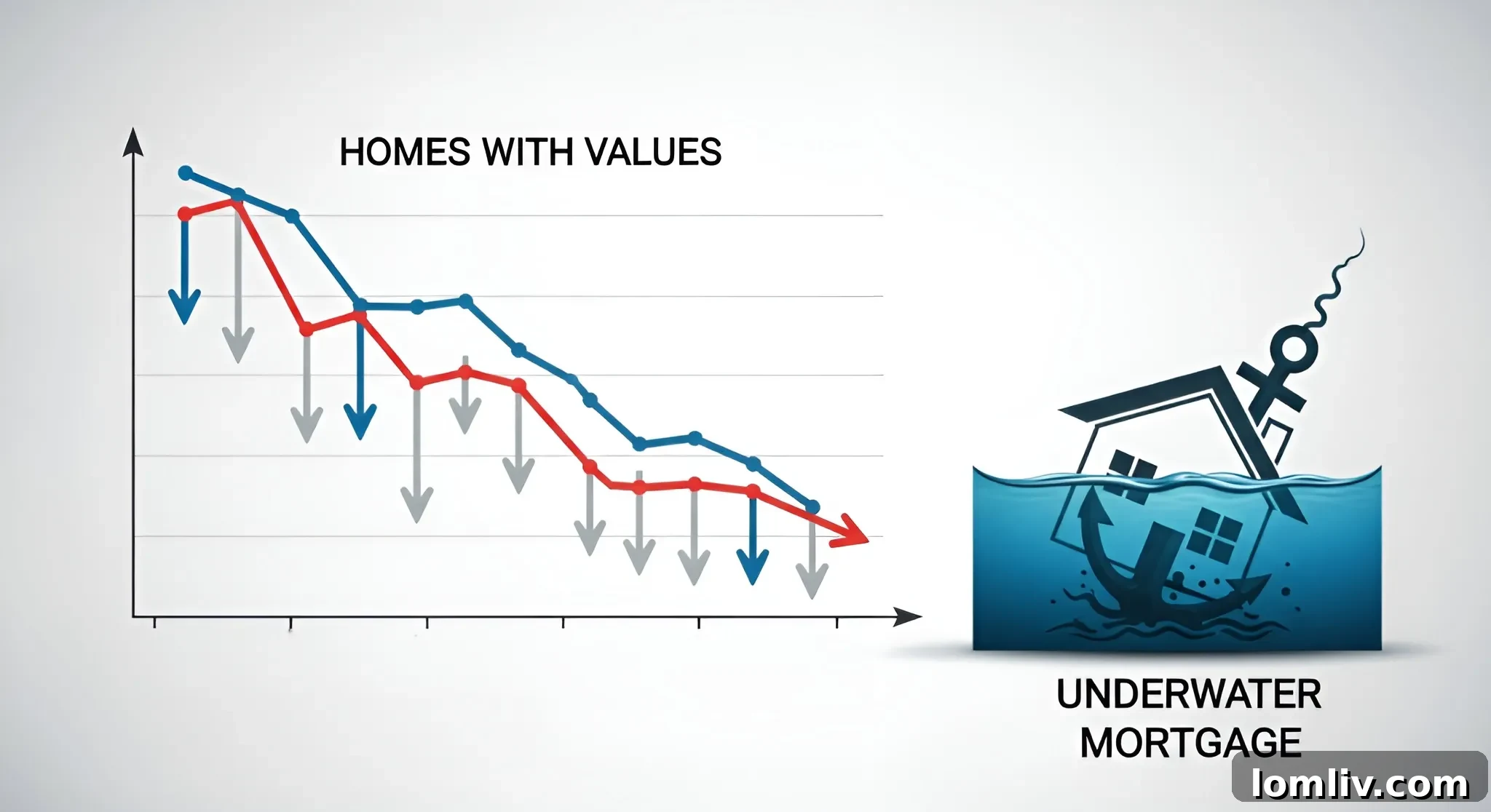
What if your financial situation is more challenging, and your home’s current market value is less than the total outstanding balance on your mortgage? This common scenario, often referred to as being “underwater” or having “negative equity,” might seem like an insurmountable obstacle to selling. However, even in this situation, there is a viable solution: a short sale.
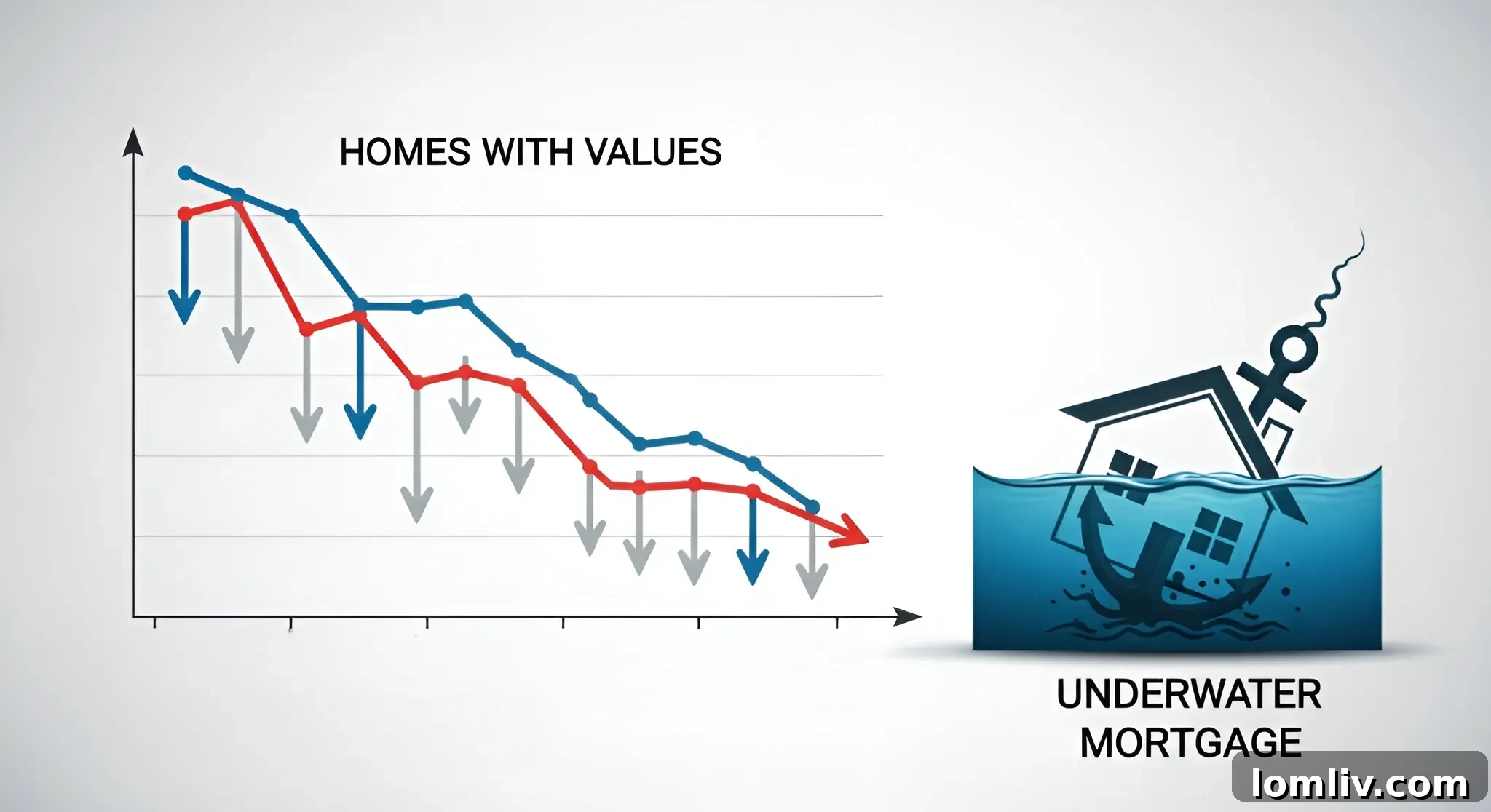
A short sale involves selling your property for an amount less than the outstanding mortgage balance, with the explicit approval of your lender. It’s a complex process that requires significant cooperation from your mortgage holder, as they are agreeing to absorb a loss. Lenders typically consider short sales when they determine that it would be more cost-effective for them than pursuing a full foreclosure, which incurs considerable legal fees, maintenance costs, and often results in a lower recovery amount. Therefore, you will need to convincingly document your financial hardship, proving to the lender that you are genuinely unable to make your mortgage payments or bring the loan current.
The intricacies of a short sale involve extensive paperwork, detailed financial disclosures, and often lengthy negotiations with the lender. Not all lenders will readily agree to a short sale, and even when they do, the process can be more time-consuming than a traditional home sale. It’s crucial to work with real estate professionals, such as agents or attorneys, who have specialized experience in short sales and can effectively communicate and negotiate on your behalf with the lender. They can help compile the necessary documentation, including hardship letters, financial statements, and comparative market analyses, to present a compelling case to your mortgage servicer.
Despite its challenges, a short sale is almost always a more favorable outcome than a completed foreclosure. While it will still impact your credit score, the damage is generally less severe and shorter-lasting than a full foreclosure. Moreover, a successful short sale can provide a defined path toward financial recovery, allowing you to move on from the property and begin rebuilding your credit and financial stability much faster than if the property were to be foreclosed upon.
Strategic Moves for a Timely Sale in Pre-Foreclosure
In the high-stakes environment of pre-foreclosure, every decision and every day counts. Swift, informed, and strategic action is not just beneficial; it’s essential for a successful outcome. Here’s a detailed guide to making smart moves that can help you sell your property in time:

1. Obtain a Realistic Property Valuation
Before you can consider selling, you must understand your home’s true current market value. Relying solely on online estimates (like Zillow or Redfin’s Zestimate) can be misleading, as they don’t always account for specific local market conditions or the unique characteristics of your property. The most accurate valuation comes from a Comparative Market Analysis (CMA) conducted by a local, experienced real estate agent, or a professional appraisal. A CMA compares your home to recently sold properties in your immediate area that are similar in size, condition, and features. This will provide a realistic price range and inform your selling strategy, especially when considering a quick sale or a potential short sale.
2. Communicate Proactively with Your Lender
It’s natural to want to avoid uncomfortable conversations, but silence is your biggest enemy in pre-foreclosure. Reach out to your lender immediately and explain your situation and your intent to sell. Many lenders are more willing to work with homeowners who are actively trying to resolve their debt. They might offer options like a temporary forbearance, a payment deferral, or even a short-term loan modification to buy you more time while you pursue a sale. Open communication demonstrates your good faith and can be a critical factor in delaying the foreclosure process long enough for you to close a sale.
3. Price Your Home Competitively and Act Quickly
In a pre-foreclosure scenario, time is your most valuable commodity, often more so than extracting the absolute top dollar. An aggressively priced home, slightly below market value, will attract more serious buyers more quickly. Avoid the temptation to overprice your property, as this will only lead to stagnation on the market, wasting precious time. Work with your agent to set a price that generates immediate interest and is likely to result in a swift offer and a fast closing. A quick sale, even if slightly below what you hoped for, can save you from the severe financial repercussions of a foreclosure.
4. Consider a Direct Sale to a Real Estate Investor
For homeowners facing an extremely tight deadline, a traditional listing might not be fast enough. This is where real estate investors can be an invaluable resource. Companies like Modern Offer REI specialize in purchasing homes directly for cash, often within a matter of weeks. The benefits of this approach are significant:
- Speed: Cash buyers can typically close much faster than traditional buyers who rely on mortgage financing.
- No Repairs Needed: Investors often buy properties “as-is,” meaning you don’t have to invest time or money in repairs, renovations, or staging.
- Simplified Process: Direct sales usually involve less paperwork and fewer contingencies than traditional sales.
- Certainty: A cash offer from a reputable investor provides a high degree of certainty that the deal will close.
This option can provide the speed and simplicity you need to beat the foreclosure deadline and move on with your life efficiently.
Real Estate Investors: A Timely Lifeline for Distressed Sellers
For homeowners grappling with the immense pressure of pre-foreclosure, real estate investors frequently emerge as a critical lifeline. While traditional real estate listings work for many, they often involve a lengthy process of repairs, staging, showings, and navigating buyer financing, which can be incompatible with the urgent deadlines of pre-foreclosure.

Investors offer unparalleled flexibility and speed, two attributes that are absolutely essential when you’re racing against a foreclosure timeline. They are typically prepared to purchase homes in “as-is” condition, meaning you don’t need to spend any time or money on costly repairs, cleaning, or updates. This factor alone can save weeks or even months of critical time. Furthermore, because many investors use cash, they can bypass the often-protracted mortgage approval process, leading to significantly faster closing times – often in a matter of days or a few weeks, compared to the 30-60+ days required for conventional buyers.
While it’s important to research and choose a reputable investor, the right partner can streamline the entire selling process, making it far less stressful and more manageable. By providing a quick, straightforward exit strategy, investors can help you completely avoid the devastating impact of a full foreclosure on your credit and future financial stability. This allows you to walk away from the property, pay off your outstanding mortgage, and receive a clean financial slate to embark on your next chapter without the burden of lingering debt or a ruined credit rating.
The Grave Consequences of Inaction: What Happens If You Can’t Sell in Time?
It is imperative to understand the gravity of the situation if you are unable to sell your home or otherwise resolve your mortgage delinquency before the final foreclosure date. If the property doesn’t sell or a viable solution isn’t reached, the foreclosure process will inevitably continue its predetermined course, leading to severe and lasting consequences.

At the appointed date, your property will be formally repossessed by the lender. Following repossession, the home is typically put up for public auction, where the lender attempts to sell it to recover the unpaid loan balance and associated costs. Should the home sell for less than what you owe, in some states and depending on your loan terms, the lender may pursue a “deficiency judgment,” holding you personally liable for the remaining debt. This means you could still owe money even after losing your home.
The most significant and immediate impact will be on your credit report. A completed foreclosure is one of the most damaging entries possible, often reducing your credit score by hundreds of points. This negative mark can remain on your credit report for up to seven years, making it incredibly difficult to secure new housing, obtain loans for a car or other necessities, or even get certain types of employment. You will also likely face a significant waiting period before you can qualify for another mortgage. Crucially, at this stage, you lose all control over the sale process, the selling price, and the opportunity to protect your credit from further, irreparable damage. This stark reality underscores why taking decisive action during the pre-foreclosure window is not just advisable, but absolutely critical. While options like filing for bankruptcy or challenging the foreclosure in court might temporarily delay the process, these are complex legal avenues that carry their own set of profound implications and require professional legal counsel.
Transparent Communication: Discussing Pre-Foreclosure with Potential Buyers
The thought of revealing your pre-foreclosure status to potential buyers can be daunting, leading to fears that they will immediately shy away. However, transparency, when handled correctly, can actually work in your favor, especially when dealing with the right type of buyer.

Many buyers, particularly experienced real estate investors, are not only comfortable purchasing pre-foreclosure properties but actively seek them out. They understand that these situations often present opportunities for a motivated seller to offer a property at a competitive price. The key is to be forthright about your situation, the pre-foreclosure timeline, and your motivation to sell quickly. This honesty builds trust and can encourage serious buyers to move forward efficiently.
It is vital that your real estate agent or representative is highly experienced in handling distressed property sales. They should be adept at navigating the additional paperwork and disclosures that might be required in a pre-foreclosure scenario. An expert agent can effectively frame your situation as an opportunity for the buyer, manage expectations, and ensure all legal and procedural requirements are met. Buyers who fully understand the circumstances and appreciate your transparency are often more inclined to act swiftly and help facilitate a timely closing, ultimately benefiting both parties and helping you avoid foreclosure.
You Still Have Options—Seize Them Now
The pre-foreclosure period is far from the end; it is, unequivocally, a critical fork in the road. While it can undoubtedly feel overwhelming and isolating, remember that you are not powerless. You still possess valuable time, viable tools, and crucial choices that can fundamentally alter the outcome of your situation. The weight of potential home loss can be immense, but recognizing this phase as an opportunity for decisive action is the first step towards a positive resolution.
Whether you opt for a traditional listing, pursue the complexities of a short sale with your lender’s approval, or choose the speed and simplicity of working with a real estate investor, the single most important factor is prompt action. Hesitation and delay will only narrow your options and increase the risk of a full foreclosure. Do not wait for the “Notice of Default” to transform into a “Notice of Foreclosure Auction.” Every day you act brings you closer to a solution.
Your ultimate goal should be to avoid the long-term financial devastation and emotional fallout of a completed foreclosure. By proactively selling your property during the pre-foreclosure phase, you can pay off your mortgage debt, protect your credit score from severe damage, and transition to your next chapter with significantly less disruption. This strategic move is, for many homeowners, the best possible path to regain financial control and move forward with clarity and renewed stability.